NEED SUPPORT WITH YOUR ORDER? Get in touch
Not satisfied with your purchase?
Enter your Order ID on website, and we'll resolve it right away.

Original price was: $46.99.$27.99Current price is: $27.99.
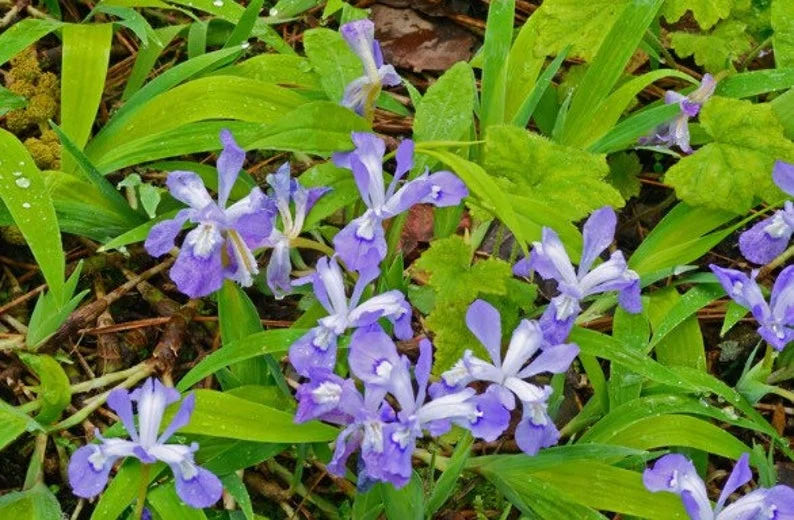
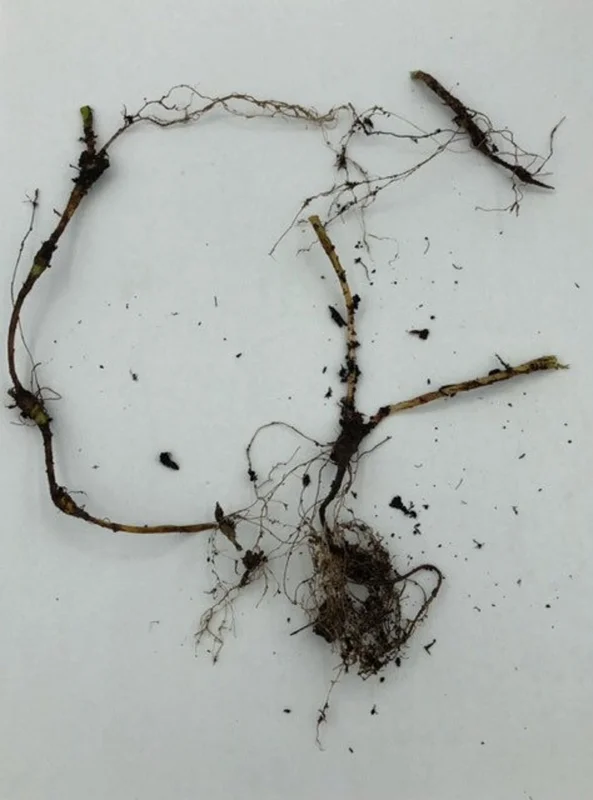
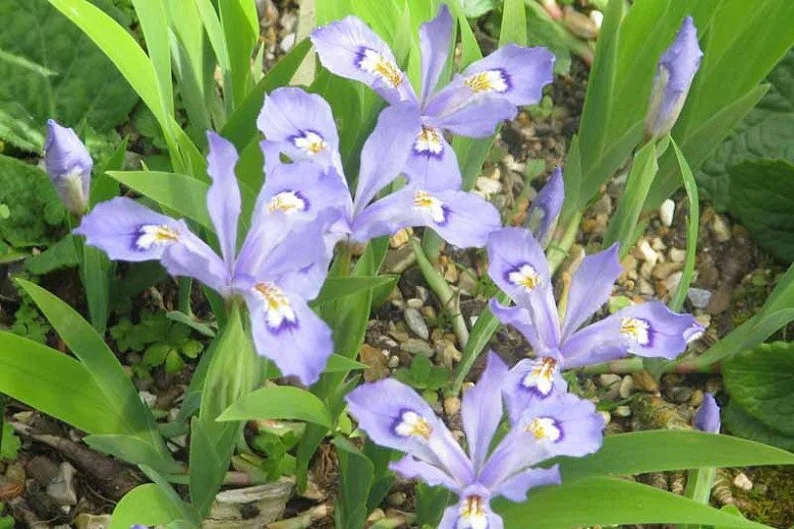
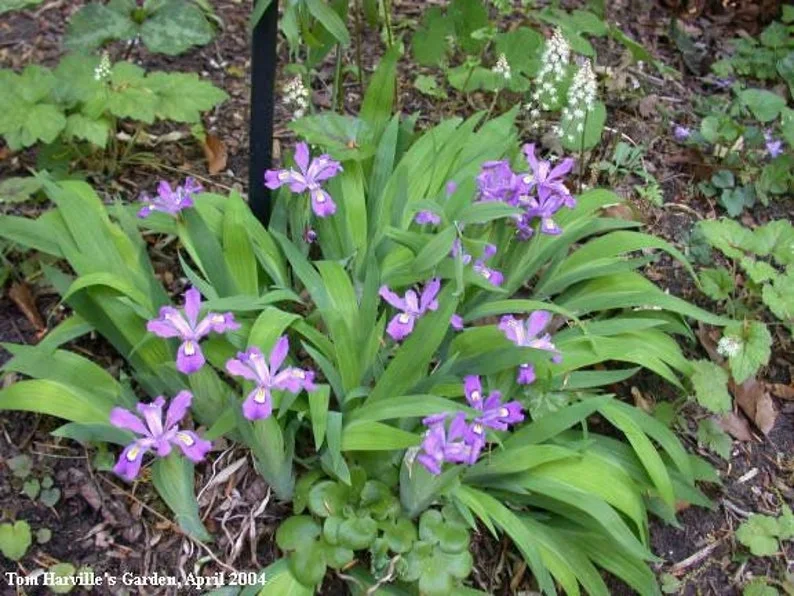
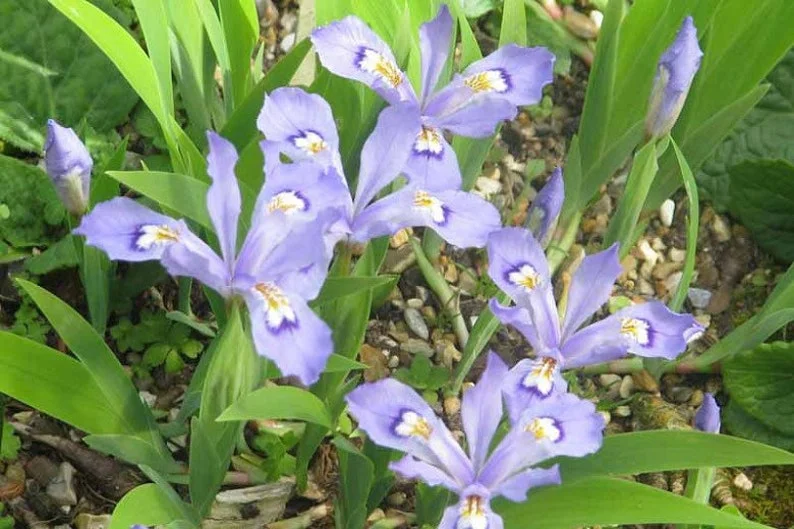
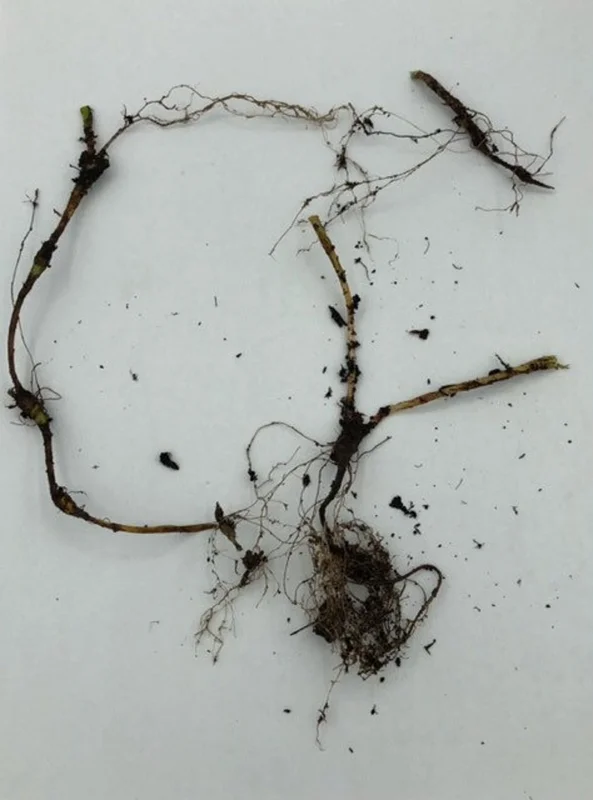
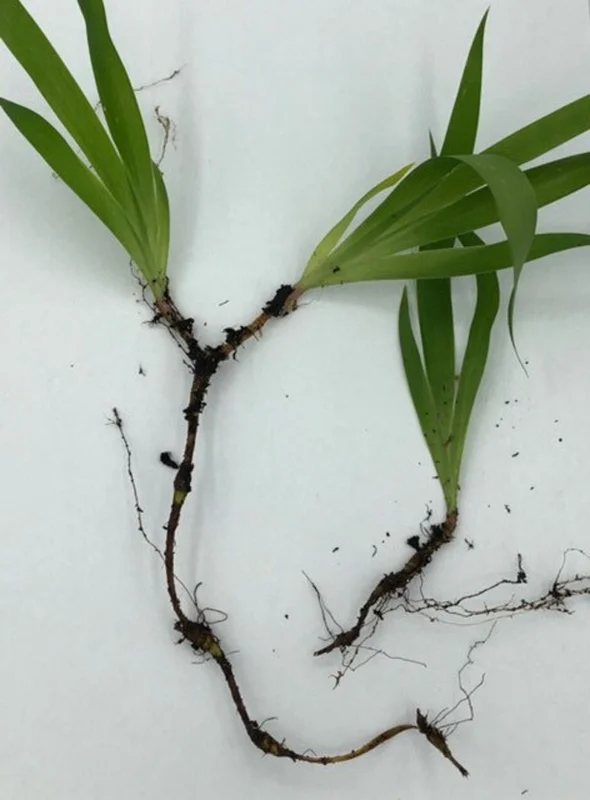
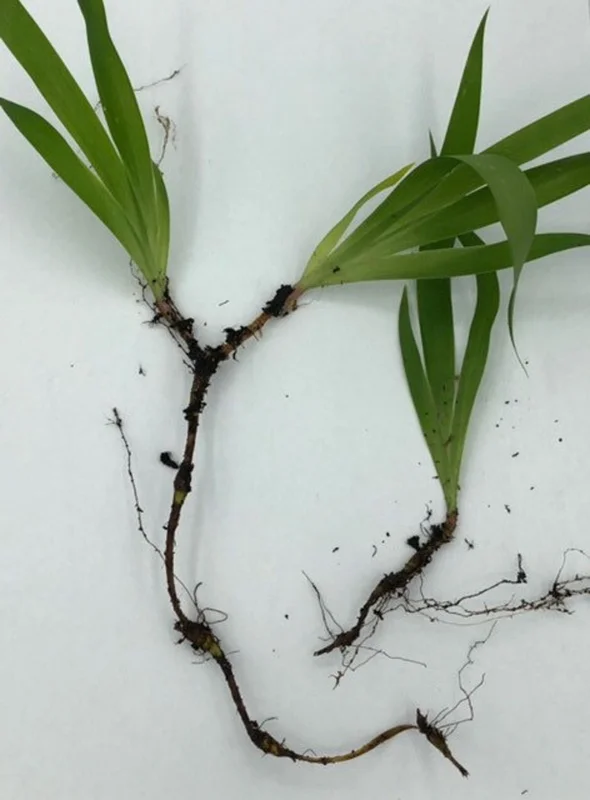
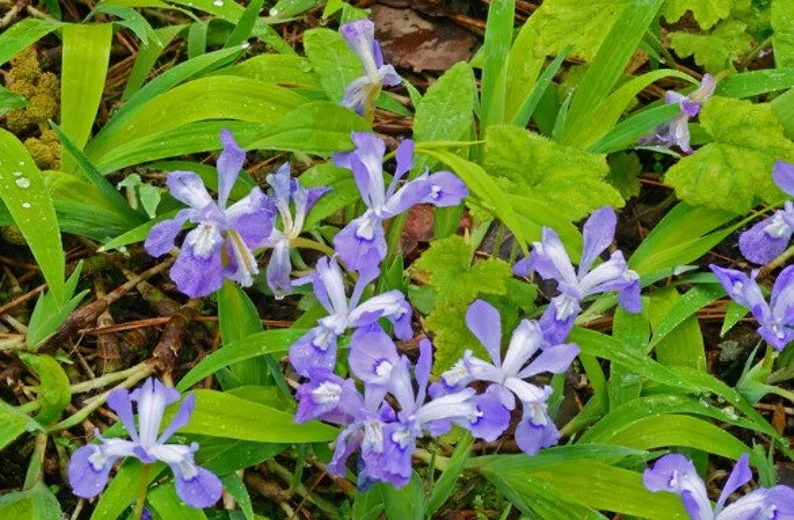
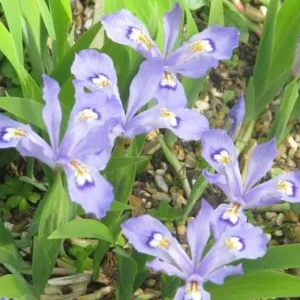
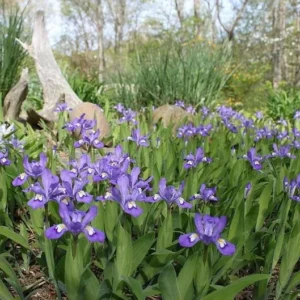
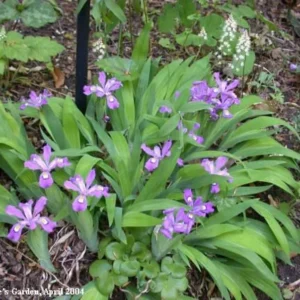
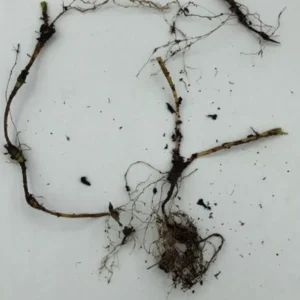
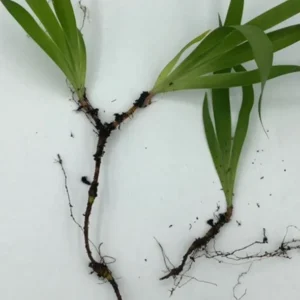
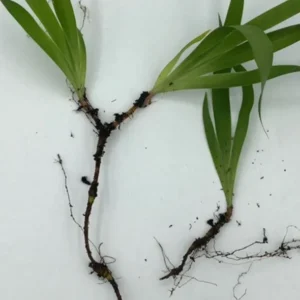
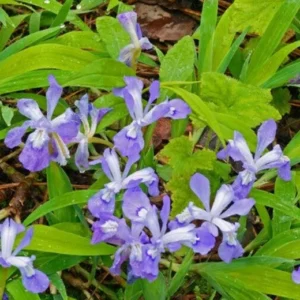
Elevate your garden with Dwarf Crested Iris bare root plants. This offering includes 10 organically grown bare root specimens, perfect for naturalizing areas or adding charm to rock gardens. These native wildflower plants are easy to establish and provide delicate blooms, ideal for creating an elegant and ecologically balanced outdoor space.
Mar 03
Mar 08 - Mar 10
Mar 13 - Mar 17
USDA Hardiness Zone
Soil Type
Sunlight Exposure
Expected Planting Period
Shipping and return policies: Our Alive & Thrive Guarantee covers issues with your plants within the first 30 days. Get in touch with us via email, and our team will review your concerns and, if necessary, provide you with a one-time replacement at no cost.
If you're unsure about your hardiness zone, feel free to reach out to us. Our team will answer your questions and help you find the plants that are truly suitable for your environment, climate, and personal preferences.
Transform your outdoor space with the enchanting beauty of Dwarf Crested Iris bare root plants. This offering includes 10 bare root specimens, meticulously grown and harvested using organic practices to ensure optimal health and vigor upon arrival. These exquisite native wildflower plants, scientifically known as Iris cristata, are an ideal choice for introducing a touch of natural elegance and ecological balance to any garden setting. Their compact size and delicate blooms make them a versatile addition, perfect for various landscape designs. As a low-maintenance and resilient species, the Iris cristata plants are celebrated for their ability to thrive in a range of environments, making them a must-have for any enthusiast looking to enhance their landscape with lasting appeal.
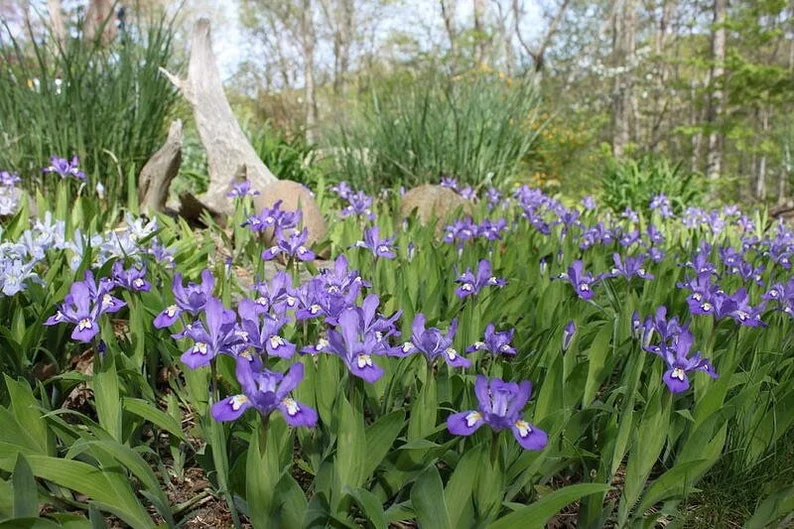
These compact irises typically reach a mature height of only 4-6 inches, offering a subtle yet impactful presence in your garden. They are well-suited for woodland gardens, rock gardens, border plantings, or naturalized areas, bringing a vibrant splash of color and a touch of wild charm. The practice of shipping them as bare root plants is highly efficient and safe for transport, significantly minimizing stress on the plants and promoting better establishment in their new environment.
Integrating Dwarf Crested Iris bare root plants into your garden design offers numerous advantages, from enhancing aesthetic appeal to supporting local ecosystems. These robust plants are an excellent choice for both novice and experienced gardeners.
Caring for your Dwarf Crested Iris bare root plants is straightforward, ensuring a beautiful and thriving garden for years to come. These resilient native wildflower plants are known for their adaptability and low-maintenance requirements, making them a joy to cultivate.
These irises flourish in well-drained, slightly acidic soil conditions. When planting, ensure the soil allows for good water runoff to prevent root rot. If your soil is heavy clay, amend it with organic matter like compost or sand to improve drainage. For optimal growth, these plants prefer partial shade, especially in warmer climates, to protect them from intense afternoon sun. In cooler regions, they can tolerate more sun, but some afternoon shade will help prolong their blooms. The best times for transplanting bare root irises are during the spring or fall seasons, allowing them to establish before extreme temperatures.
After planting, water regularly to keep the soil consistently moist but not waterlogged until the plants are fully established. Once established, they are quite drought-tolerant but will benefit from occasional watering during prolonged dry spells. Fertilization is generally not heavily required; a light application of a balanced, slow-release granular fertilizer in early spring can encourage more vigorous growth and blooming. Keep an eye out for common garden pests, though Iris cristata plants are generally robust. Dividing clumps every few years will help maintain their vigor and spread. Understanding crested iris care is key to a flourishing display.
This offering includes 10 bare root specimens of Dwarf Crested Iris bare root. These plants are shipped without foliage or a pot, a method that minimizes stress during transit and promotes better establishment in their new environment. Upon planting, these compact irises typically reach a mature height of only 4-6 inches, making them an excellent choice for ground cover, rock gardens, or the front of borders. Their delicate blooms, often in shades of blue, purple, or white, appear in early spring, bringing a charming splash of color to your landscape.
These plants are known for their moderate growth rate, establishing well within their first year and gradually spreading to form attractive clumps. They are a long-lived perennial, providing beauty for many seasons. The bare root form ensures you receive healthy, viable plant material ready to thrive. With proper dwarf iris planting and care, you can expect these wildflowers to naturalize and create a beautiful, low-maintenance display.
You must be logged in to post a review.
Sold 96 products
Original price was: $39.68.$19.84Current price is: $19.84.
Sold 56 products
Original price was: $69.98.$34.99Current price is: $34.99.
Sold 98 products
Original price was: $107.98.$53.99Current price is: $53.99.
Sold 62 products
Original price was: $39.98.$19.99Current price is: $19.99.
Sold 70 products
Original price was: $49.96.$24.98Current price is: $24.98.
Flower Plants
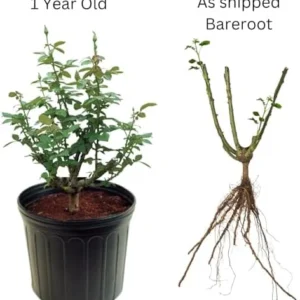
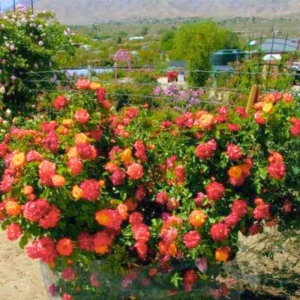
Climbing Rose Plant – Gold Orange & Pink – 1 Year Old Starter Plant – Outdoor Fragrant Rose
Sold 52 products
Original price was: $19.98.$9.99Current price is: $9.99.
Sold 82 products
Original price was: $37.92.$18.96Current price is: $18.96.
Sold 62 products
Original price was: $37.94.$18.97Current price is: $18.97.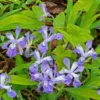
Reviews
There are no reviews yet.