NEED SUPPORT WITH YOUR ORDER? Get in touch
Not satisfied with your purchase?
Enter your Order ID on website, and we'll resolve it right away.

Original price was: $66.99.$36.99Current price is: $36.99.
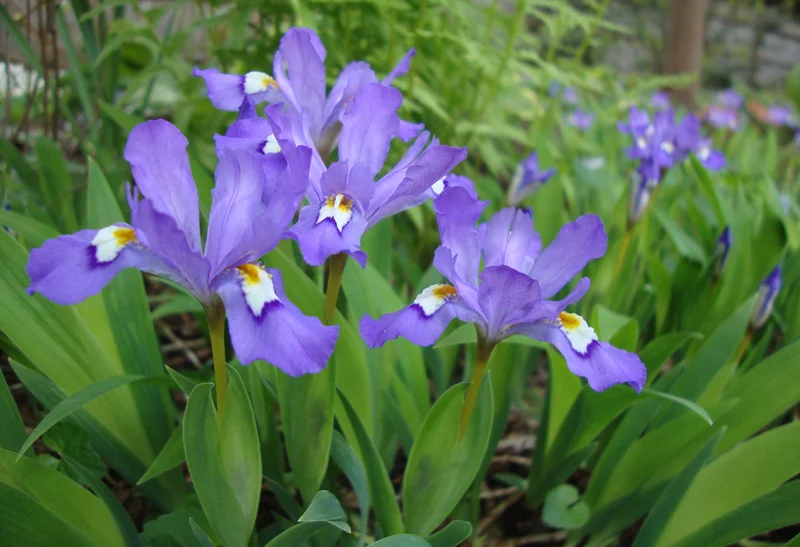
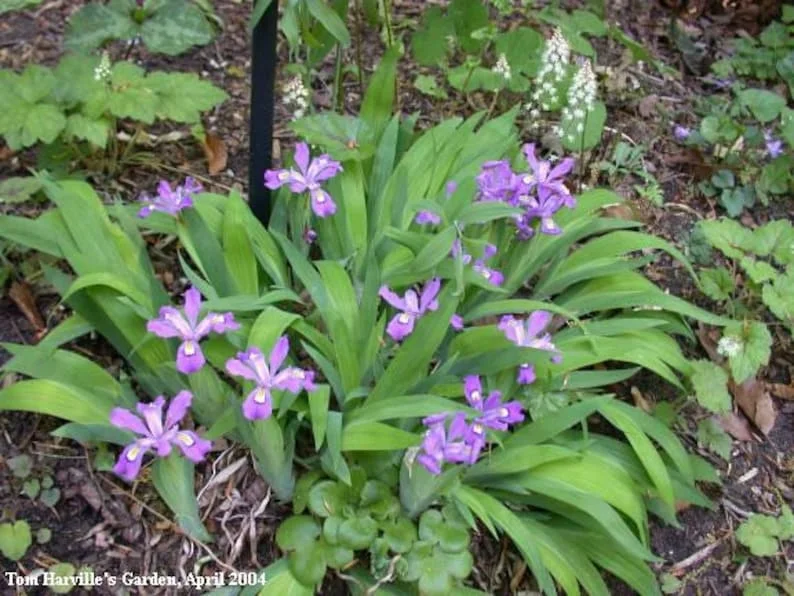
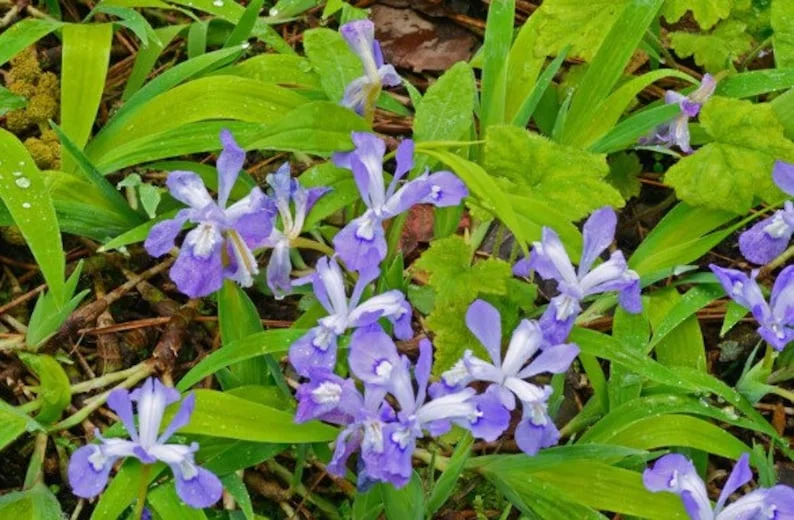
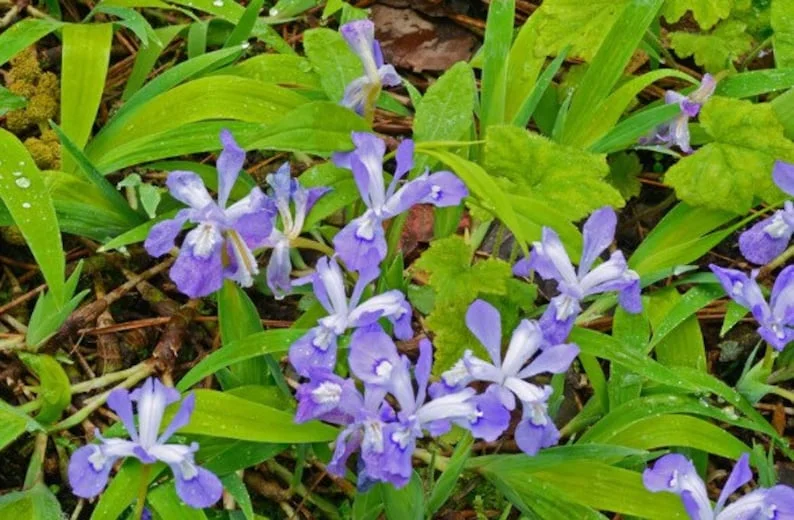
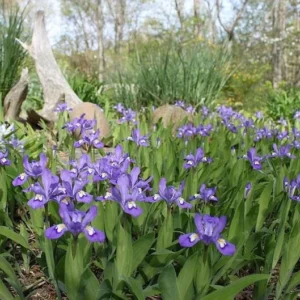
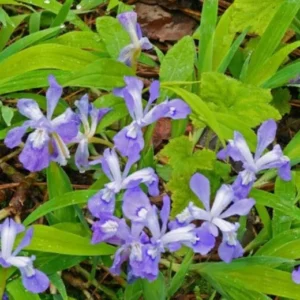
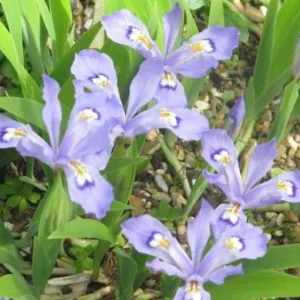
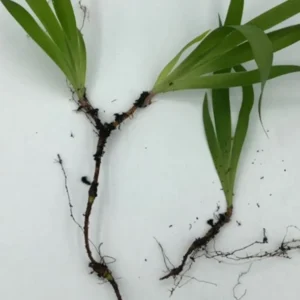
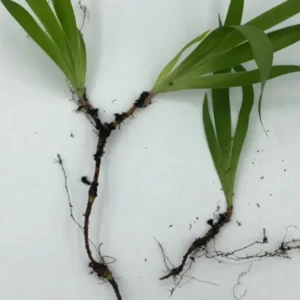
Bring natural elegance to your garden with dwarf crested iris plants. This offer includes 20 bare root Iris cristata, perfect for woodland or rock gardens. These native wildflowers are easy to grow and attract pollinators, thriving in partial shade with minimal care. Enjoy delicate spring blooms that add charm and ecological value to your landscape.
Mar 03
Mar 08 - Mar 10
Mar 13 - Mar 17
USDA Hardiness Zone
Soil Type
Sunlight Exposure
Expected Planting Period
Shipping and return policies: Our Alive & Thrive Guarantee covers issues with your plants within the first 30 days. Get in touch with us via email, and our team will review your concerns and, if necessary, provide you with a one-time replacement at no cost.
If you're unsure about your hardiness zone, feel free to reach out to us. Our team will answer your questions and help you find the plants that are truly suitable for your environment, climate, and personal preferences.
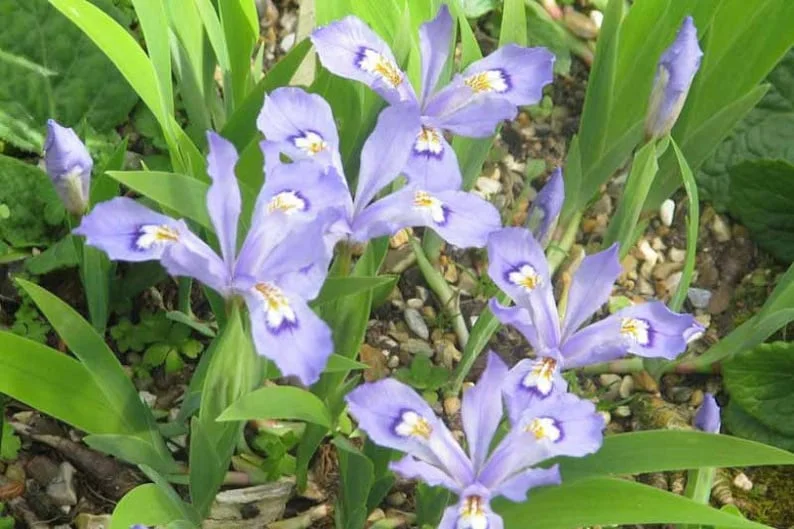
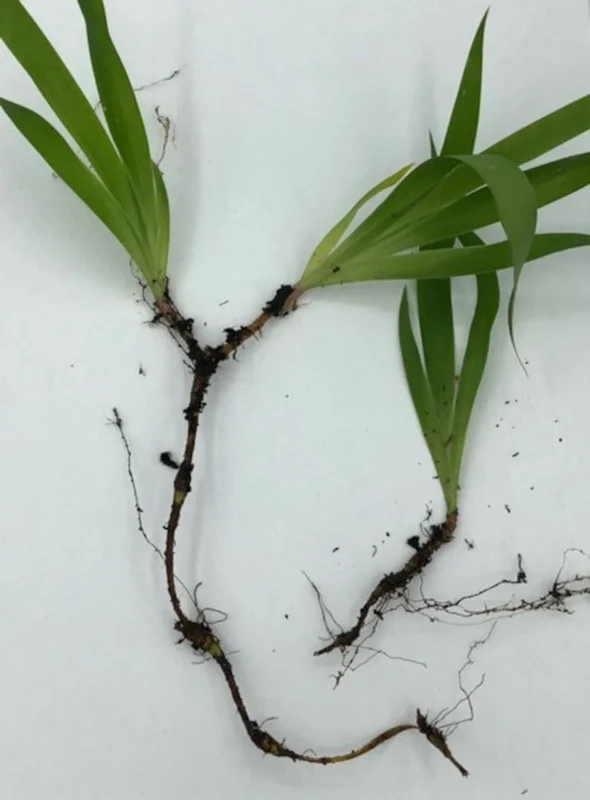
Transform your garden into a serene native habitat with our exquisite dwarf crested iris plants. This collection provides 20 bare-root Iris cristata, a captivating native wildflower known for its delicate beauty and ease of care. Organically grown and carefully harvested, these plants are ready to establish themselves in your landscape, bringing a touch of natural elegance. The dwarf crested iris plants are perfect for gardeners seeking low-maintenance yet visually stunning additions to their outdoor spaces. Their unique crested flowers and compact growth habit make them ideal for various garden settings, from woodland borders to rock gardens.
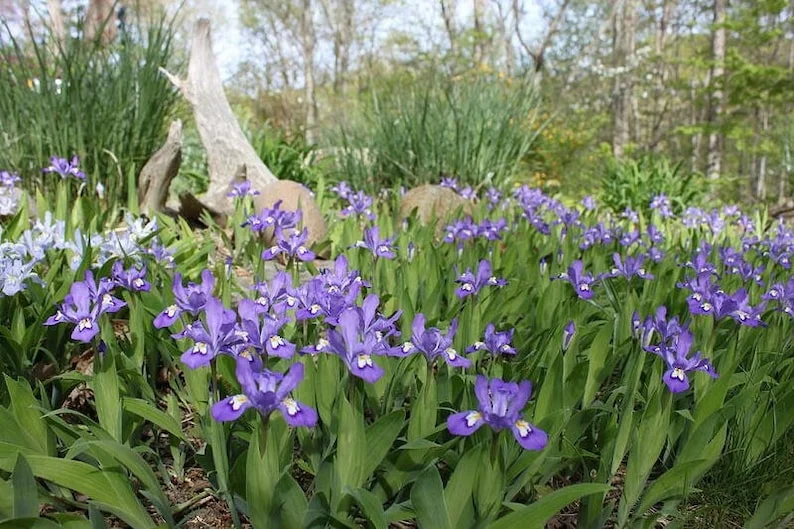
The dwarf crested iris plants, or Iris cristata, are a true gem of North American flora. These charming perennials are celebrated for their vibrant, intricate blooms that emerge in spring, creating a carpet of color. Beyond their aesthetic appeal, these native wildflowers play a crucial role in supporting local ecosystems by attracting beneficial pollinators. Whether you are an experienced gardener or just starting, these easy-to-grow plants offer a rewarding experience and contribute significantly to biodiversity in your backyard.
Adding dwarf crested iris plants to your garden offers a multitude of advantages, combining aesthetic appeal with ecological benefits. These resilient plants are a superb choice for creating a vibrant and sustainable landscape.
Caring for your dwarf crested iris plants is straightforward, making them an excellent choice for gardeners of all experience levels. These resilient native wildflowers thrive when their basic environmental needs are met, ensuring a stunning display year after year. Proper planting and initial care are key to their successful establishment and vigorous growth.
Sunlight Requirements:Dwarf crested iris plants prefer partial to full shade, mimicking their natural woodland habitat. They can tolerate some morning sun, but protection from intense afternoon sun is crucial, especially in warmer climates. Too much direct sun can scorch their leaves and reduce flowering. For optimal growth and bloom, aim for locations that receive dappled sunlight throughout the day.
Watering & Soil: These plants prefer consistently moist, well-drained soil. While they are somewhat drought-tolerant once established, regular watering is beneficial, especially during dry periods or extended droughts. Avoid waterlogging, as this can lead to root rot. The ideal soil type is slightly acidic, rich in organic matter. Amending your soil with compost before planting will significantly improve drainage and nutrient content, providing a healthy environment for your Iris cristata bare root plants.
Temperature & Hardiness:Dwarf crested iris plants are remarkably cold-hardy, thriving in USDA Zones 3-9. They are well-suited to temperate climates and can withstand freezing winter temperatures. No special winter protection is typically needed once they are established. Fertilization is generally not required for these native plants, especially if planted in rich, organic soil. However, a light application of balanced, slow-release fertilizer in early spring can encourage more vigorous growth and flowering. Watch out for slugs and snails, which can sometimes be a problem; organic slug baits can be effective.
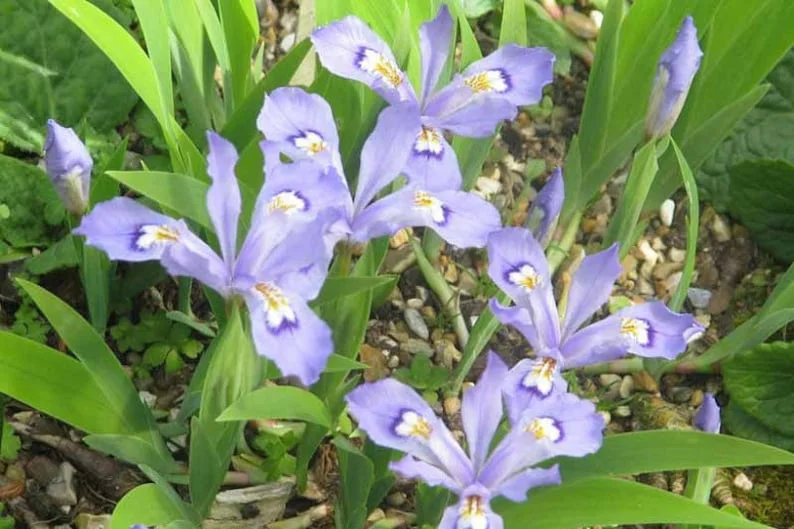
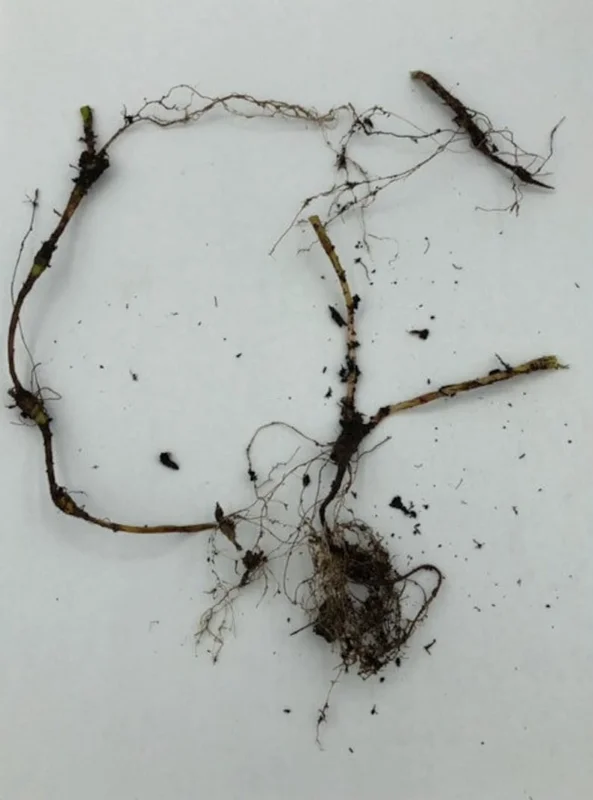
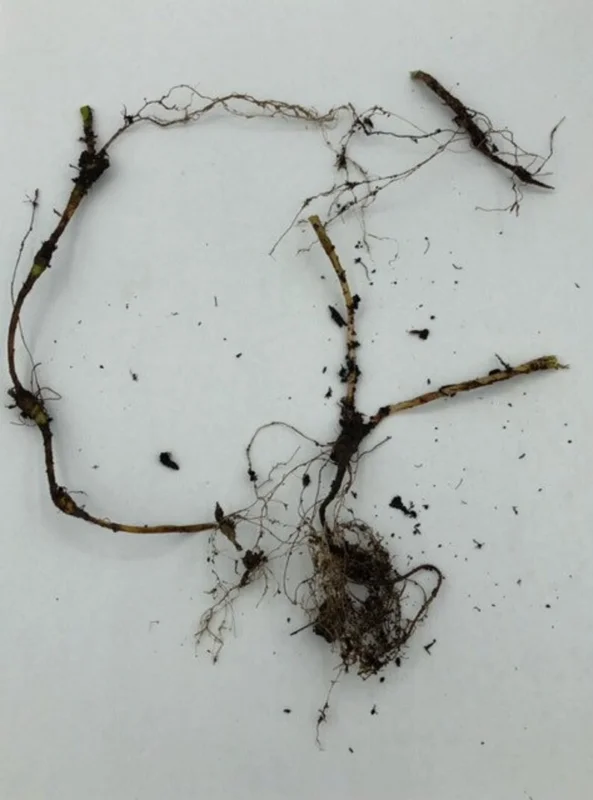
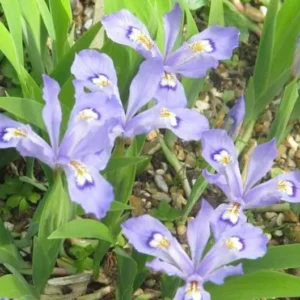
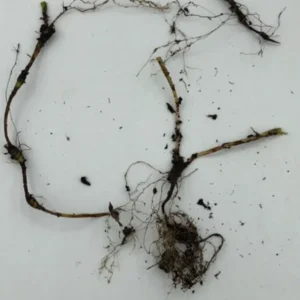
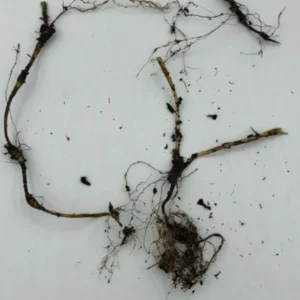
This offering includes 20 bare-root dwarf crested iris plants (Iris cristata). Each plant is carefully harvested to ensure optimal health and vitality upon arrival. These plants are shipped without foliage or a pot, ready to be planted directly into your garden beds. Once established, these charming perennials typically reach a mature height of 4-6 inches, forming a dense, spreading groundcover. Their growth rate is moderate, and they will gradually naturalize, creating beautiful drifts of color over time. The delicate, crested flowers emerge in spring, typically in shades of lavender-blue with white and yellow markings, offering a stunning visual display.
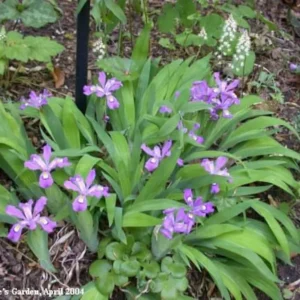
These native wildflower plants are ideal for filling in shaded areas where traditional flowers might struggle. Their compact size makes them perfect for the front of borders, rock gardens, or under deciduous trees and shrubs. Expect blooms to appear in mid to late spring, lasting for several weeks. With proper care, these pollinator garden plants will provide years of enjoyment and ecological benefit to your landscape.
You must be logged in to post a review.
Sold 99 products
Original price was: $59.98.$29.99Current price is: $29.99.
Sold 91 products
Original price was: $79.96.$39.98Current price is: $39.98.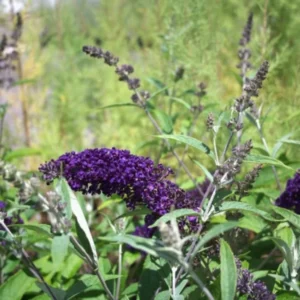
Flower Plants
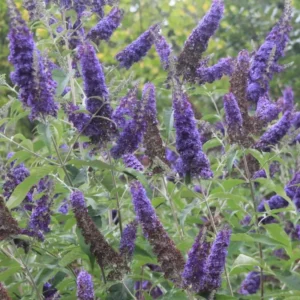
Dark Purple Butterfly Bush Live Plant 4 Inch Pot – Outdoor Garden Butterfly Attractant
Sold 55 products
Original price was: $39.98.$19.99Current price is: $19.99.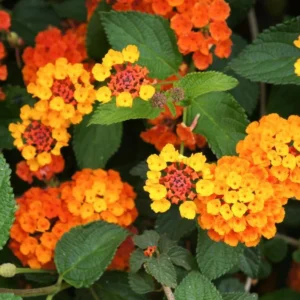
Sold 74 products
Original price was: $69.98.$34.99Current price is: $34.99.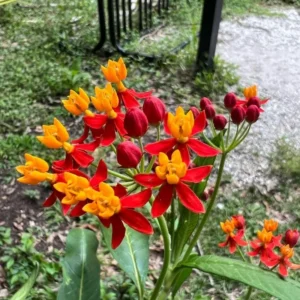
Sold 77 products
Original price was: $49.96.$24.98Current price is: $24.98.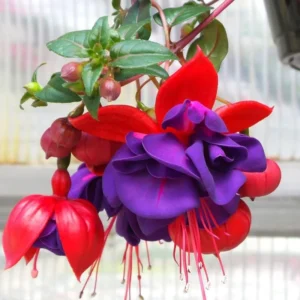
Sold 50 products
Original price was: $39.98.$19.99Current price is: $19.99.
Sold 81 products
Original price was: $51.96.$25.98Current price is: $25.98.
Sold 91 products
Original price was: $51.98.$25.99Current price is: $25.99.
Reviews
There are no reviews yet.