NEED SUPPORT WITH YOUR ORDER? Get in touch
Not satisfied with your purchase?
Enter your Order ID on website, and we'll resolve it right away.

Original price was: $30.99.$16.99Current price is: $16.99.
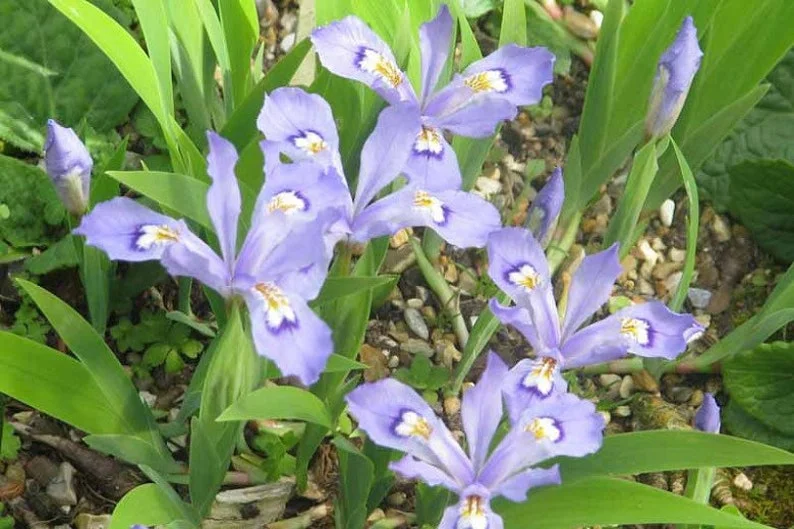
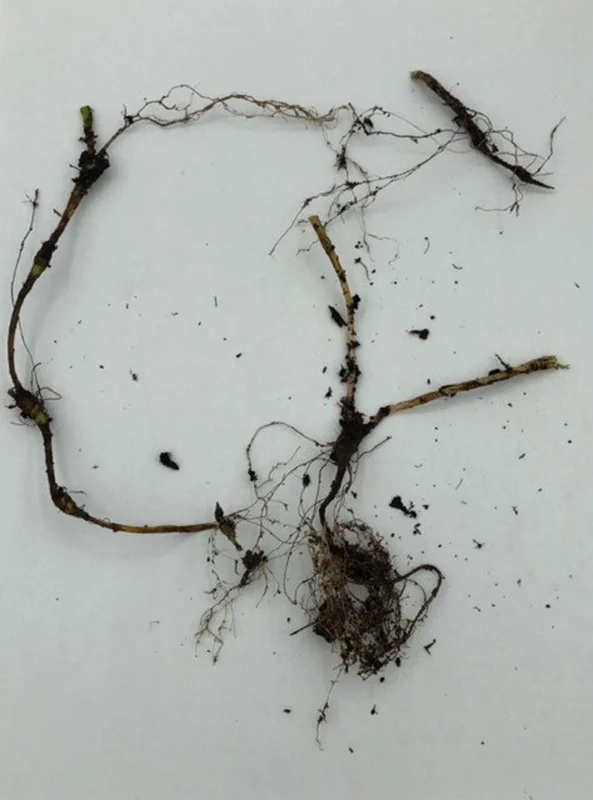
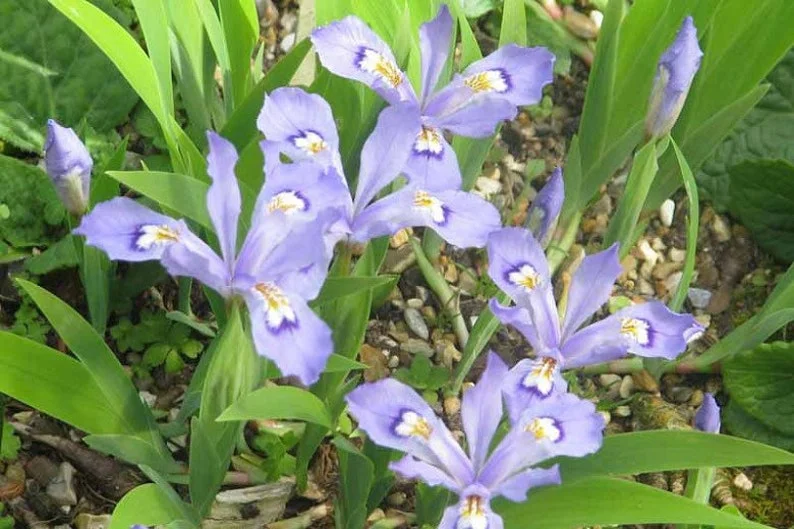
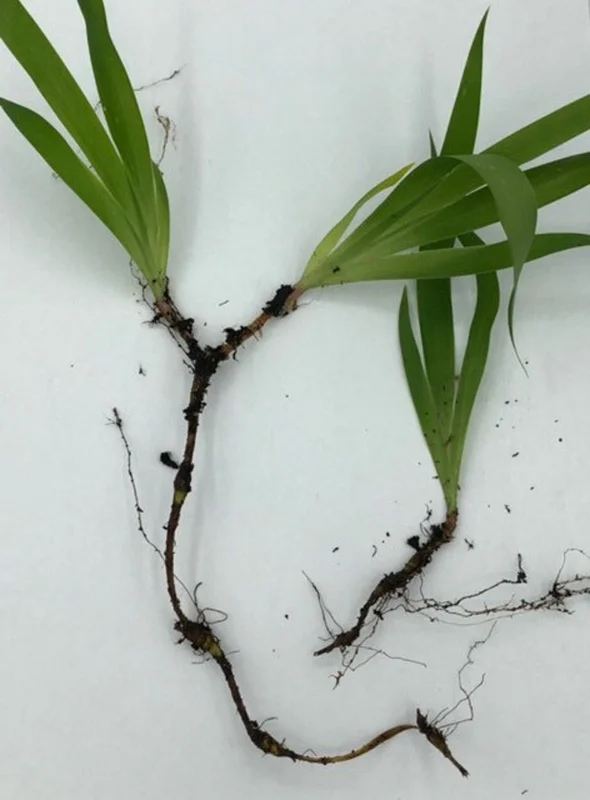
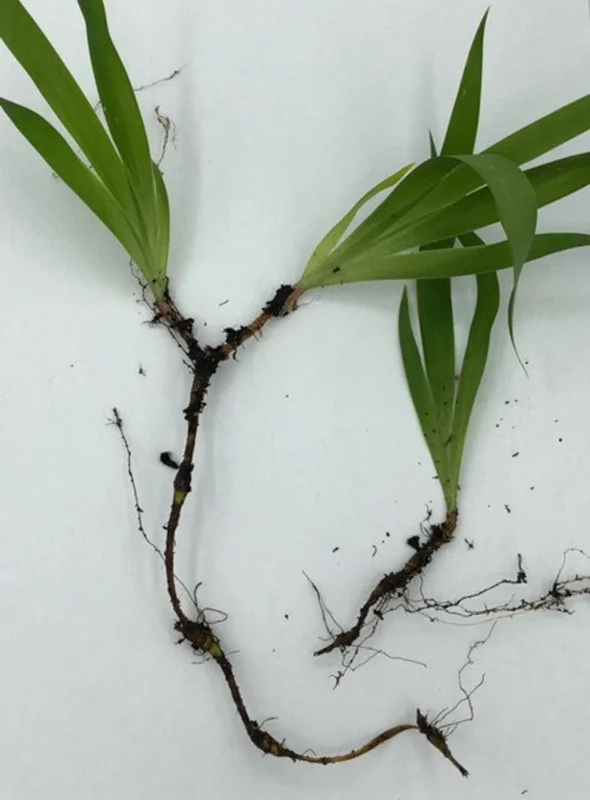
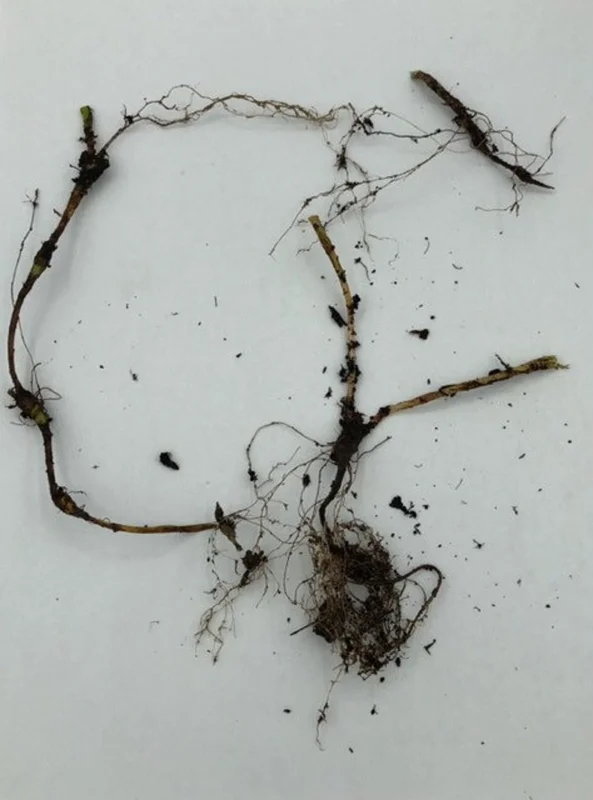
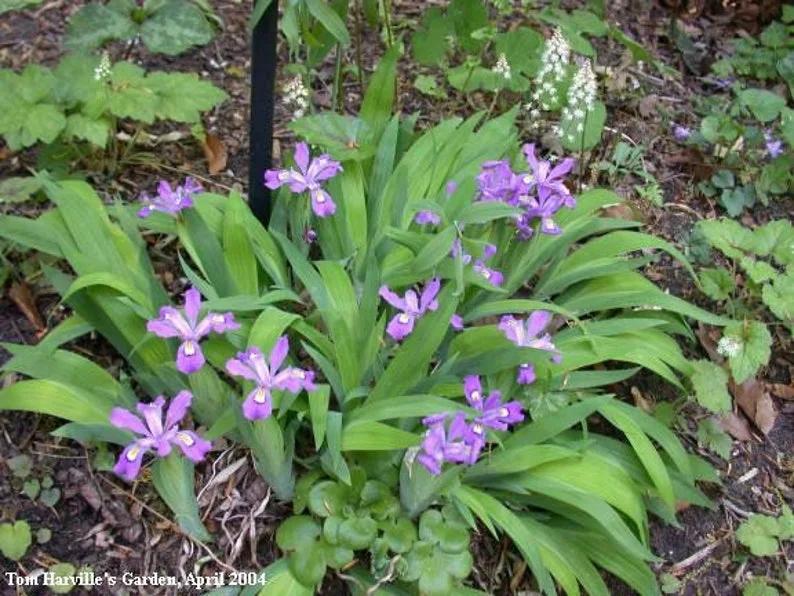
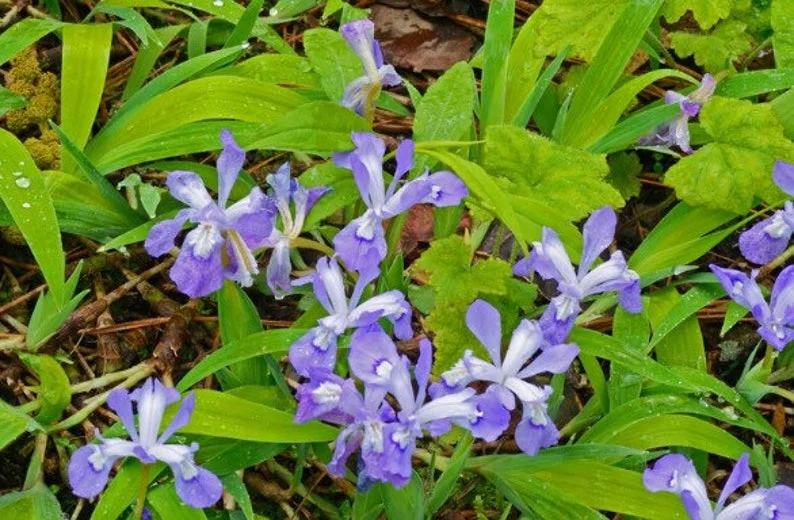
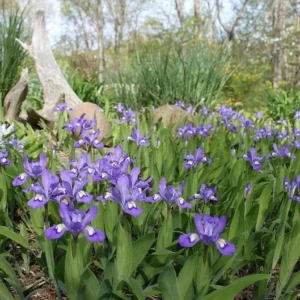
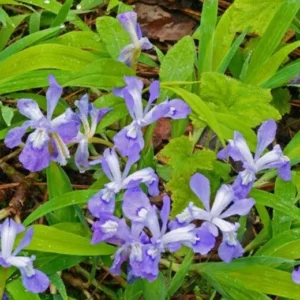
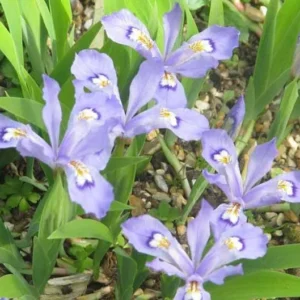
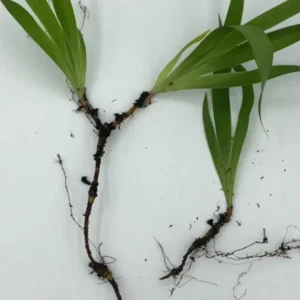
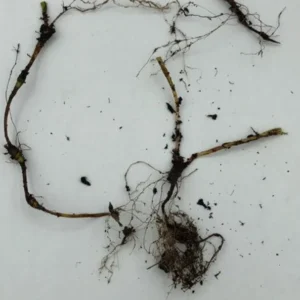
Transform your outdoor space with these beautiful dwarf crested iris plants. This offer includes 3 bare root iris cristata, perfect for adding native wildflower charm to your shade garden. Organically cultivated for healthy growth, these low-maintenance plants thrive in shaded areas.
Mar 03
Mar 08 - Mar 10
Mar 13 - Mar 17
USDA Hardiness Zone
Soil Type
Sunlight Exposure
Expected Planting Period
Shipping and return policies: Our Alive & Thrive Guarantee covers issues with your plants within the first 30 days. Get in touch with us via email, and our team will review your concerns and, if necessary, provide you with a one-time replacement at no cost.
If you're unsure about your hardiness zone, feel free to reach out to us. Our team will answer your questions and help you find the plants that are truly suitable for your environment, climate, and personal preferences.
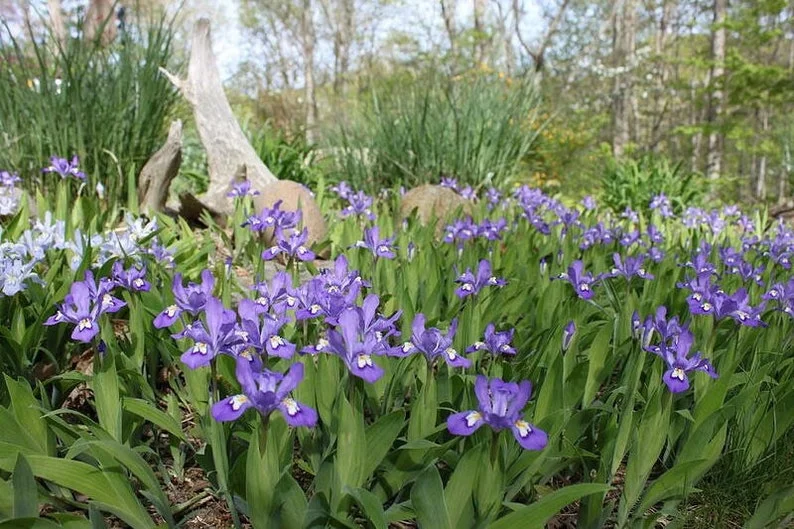
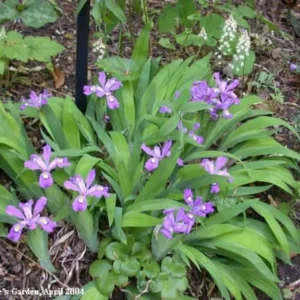
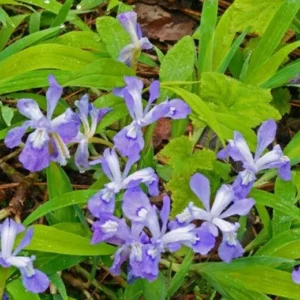
Transform your outdoor space with these exquisite dwarf crested iris plants, perfect for creating a serene and vibrant shade garden. This offer includes 3 bare root iris cristata, ready to establish and flourish in your landscape. Known for their delicate beauty and resilience, these native wildflowers are a fantastic choice for gardeners seeking low-maintenance yet impactful additions. Organically cultivated, each plant promises a healthy start, ensuring a vibrant display of color and texture in darker corners of your garden. The Dwarf Crested Iris (Iris cristata) is a beloved native perennial, celebrated for its compact size and enchanting blooms that appear in early spring, bringing life and charm to woodland settings, borders, and rock gardens.
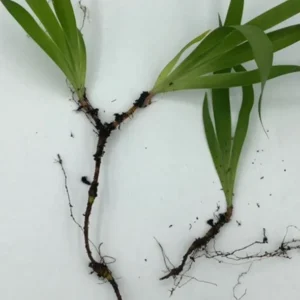
These native shade garden plants are an excellent way to introduce ecological benefits while enhancing aesthetic appeal. Their unique form and subtle fragrance make them a delightful focal point, especially when planted in naturalized settings. Shipped without foliage or a pot, these bare root plants are prepared for optimal transplant success, ensuring they arrive in peak condition for planting. Their adaptability to various shade conditions and minimal care requirements once established make them a gardener’s delight, providing lasting beauty year after year.
The dwarf crested iris plants offer a multitude of advantages for any garden, making them a highly desirable choice for enhancing your outdoor environment:
Caring for your dwarf crested iris plants is relatively straightforward, especially once they are established. These robust native plants are quite forgiving, making them suitable for gardeners of all experience levels. For optimal growth, they prefer well-drained, slightly acidic soil. Avoid heavy clay soils that retain too much moisture, as this can lead to root rot. Amending your soil with organic matter like compost can significantly improve drainage and provide essential nutrients for healthy growth.
When it comes to sunlight, native shade garden plants like the Dwarf Crested Iris thrive best in partial to full shade environments. This means they should receive dappled sunlight throughout the day or morning sun followed by afternoon shade. Too much direct, intense afternoon sun can scorch their delicate foliage. Water regularly until the plants are fully established, ensuring the soil remains consistently moist but not waterlogged. Once established, they are quite drought-tolerant and will only require watering during prolonged dry periods. Fertilization is generally not heavily needed for these organic wildflower plants; a light application of a balanced, slow-release fertilizer in early spring can encourage vigorous growth and bloom production. Watch out for common garden pests, though Iris Cristata is generally quite resistant. Ensuring good air circulation can help prevent fungal issues.
The ideal time to plant your iris cristata bare root plants is in early spring or fall when temperatures are cooler and more conducive to root establishment. Dig a hole wide enough to accommodate the roots spread out, and ensure the crown of the plant is at soil level. Proper planting depth is crucial for success. These are excellent low-growing iris varieties, reaching a height of 4-6 inches, making them perfect for underplanting or creating a lush groundcover effect.
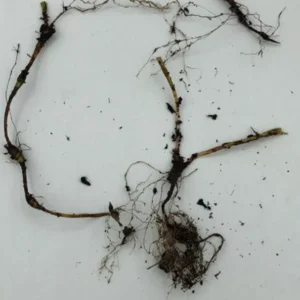
This offering includes 3 bare root iris cristata plants, carefully harvested and prepared for transplanting into your garden. Each bare root plant is shipped without foliage or a pot, a common and effective method for ensuring safe and efficient delivery while minimizing transplant shock. These dwarf crested iris plants typically reach a mature height and spread of 4-6 inches, forming attractive clumps over time. Their compact size makes them ideal for various garden applications, from front-of-border plantings to naturalizing in woodland gardens.
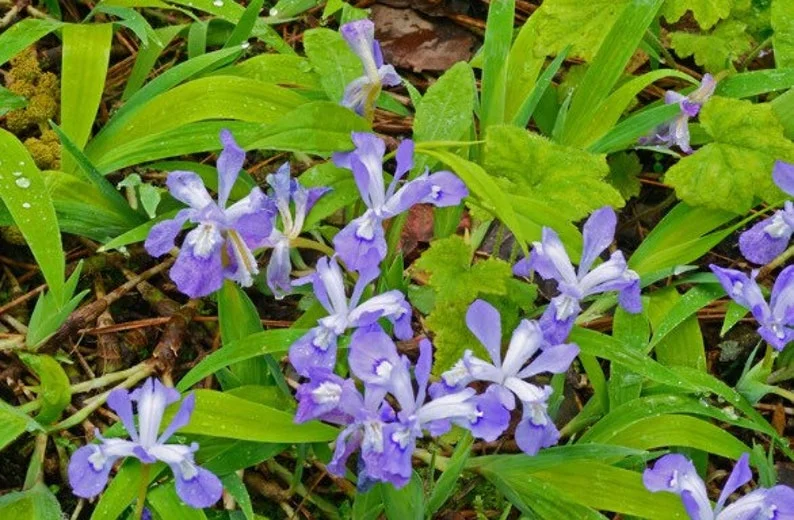
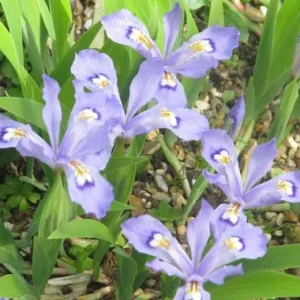
Expect these low-growing iris to establish quickly, with their characteristic purple-blue or white flowers appearing in early to mid-spring, offering a delightful display of color. While individual blooms are short-lived, the plant produces many, creating a continuous show. The plants are hardy and resilient, adapted to thrive in a range of environments once established. They are an excellent choice for adding a touch of native charm and ecological value to your garden with minimal effort.
You must be logged in to post a review.
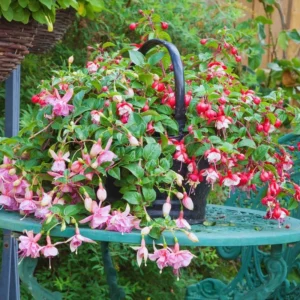
Sold 76 products
Original price was: $37.94.$18.97Current price is: $18.97.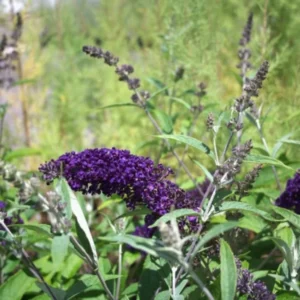
Flower Plants
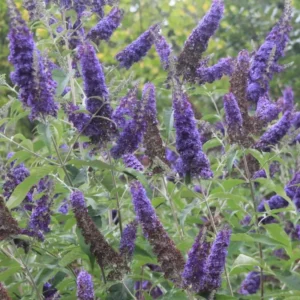
Dark Purple Butterfly Bush Live Plant 4 Inch Pot – Outdoor Garden Butterfly Attractant
Sold 99 products
Original price was: $39.98.$19.99Current price is: $19.99.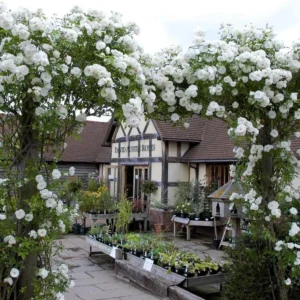
Sold 54 products
Original price was: $53.98.$26.99Current price is: $26.99.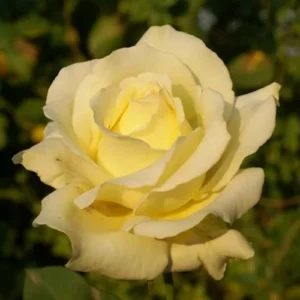
Sold 78 products
Original price was: $69.98.$34.99Current price is: $34.99.
Sold 76 products
Original price was: $107.98.$53.99Current price is: $53.99.
Sold 83 products
Original price was: $49.96.$24.98Current price is: $24.98.
Sold 94 products
Original price was: $69.98.$34.99Current price is: $34.99.
Sold 70 products
Original price was: $69.98.$34.99Current price is: $34.99.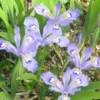
Reviews
There are no reviews yet.