NEED SUPPORT WITH YOUR ORDER? Get in touch
Not satisfied with your purchase?
Enter your Order ID on website, and we'll resolve it right away.

Original price was: $72.99.$52.99Current price is: $52.99.
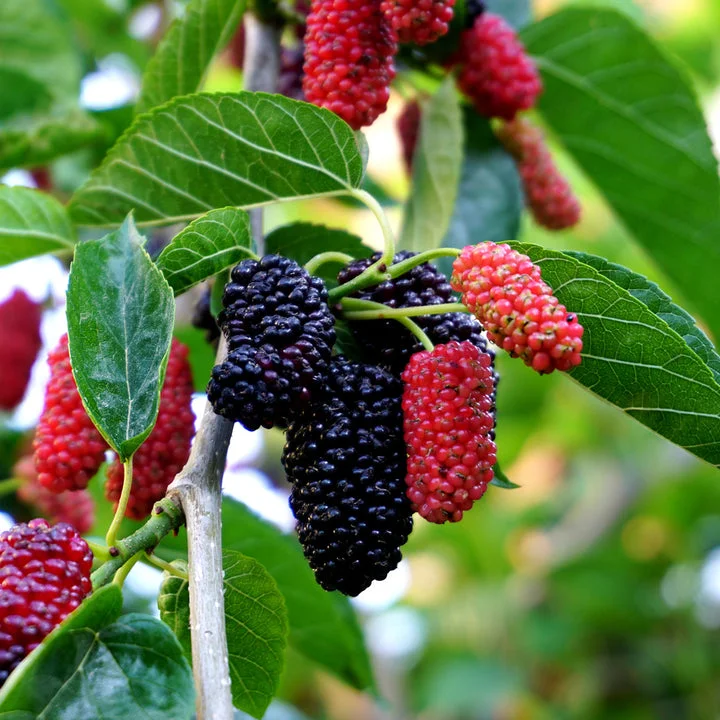
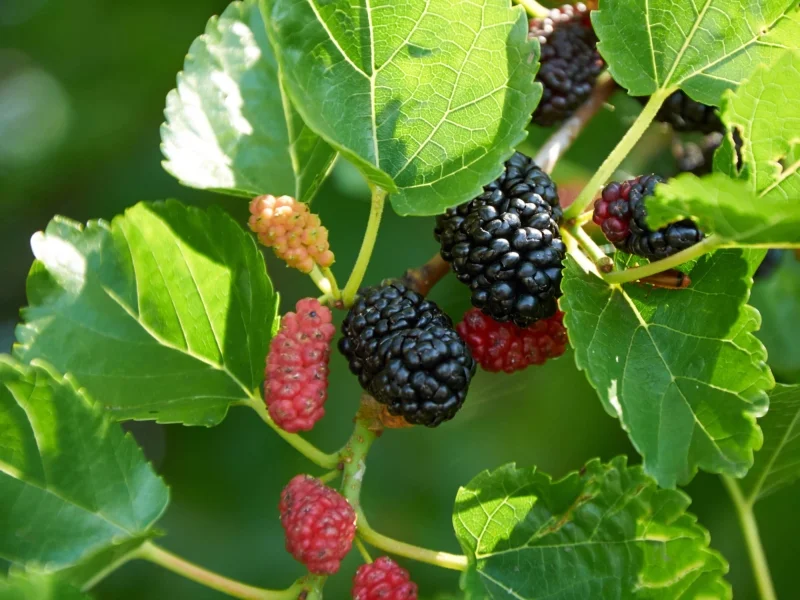
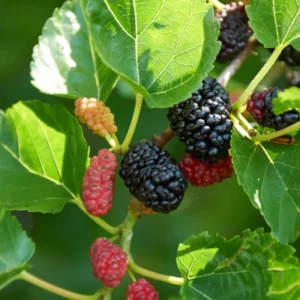
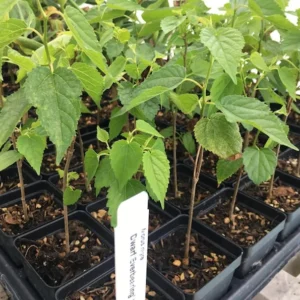
Cultivate your own sweet, juicy mulberries with this set of 3 bare root starter plants. The dwarf everbearing mulberry tree is ideal for small gardens or containers, offering a prolonged harvest season and natural pest resistance. Enjoy fresh fruit from late June through early fall with this cold hardy fruit tree.
Mar 03
Mar 08 - Mar 10
Mar 13 - Mar 17
USDA Hardiness Zone
Soil Type
Sunlight Exposure
Expected Planting Period
Shipping and return policies: Our Alive & Thrive Guarantee covers issues with your plants within the first 30 days. Get in touch with us via email, and our team will review your concerns and, if necessary, provide you with a one-time replacement at no cost.
If you're unsure about your hardiness zone, feel free to reach out to us. Our team will answer your questions and help you find the plants that are truly suitable for your environment, climate, and personal preferences.
Bring the joy of fresh, homegrown fruit to your garden with the dwarf everbearing mulberry tree. This exceptional offer includes 3 healthy bare root mulberry starter plants, ready to establish quickly and robustly in their new environment. Celebrated for its abundant fruit production and naturally compact size, the dwarf everbearing mulberry tree is an ideal choice for smaller gardens, urban landscapes, or even container planting. Imagine harvesting sweet, juicy berries from late June all the way through early fall, right from your own backyard. These resilient trees are also known for their self-pollinating nature, meaning you only need a single tree to enjoy a plentiful harvest of delicious fruit. Known scientifically as Morus nigra ‘Dwarf Everbearing’, these trees are a fantastic addition for any gardener looking for a high-yield, low-maintenance fruit source.
Our everbearing mulberry plant is a perfect solution for those seeking a productive yet manageable fruit tree. It offers a continuous supply of berries, making it a favorite among home gardeners. The cold hardy fruit tree characteristic ensures it can withstand various climates, providing a reliable harvest year after year. These bare root plants are carefully prepared for shipping, ensuring they arrive in optimal condition for planting and successful growth. Experience the satisfaction of growing your own fruit with these versatile and rewarding mulberry trees.
The dwarf everbearing mulberry tree offers a multitude of benefits for both novice and experienced gardeners, making it a standout choice for any landscape. Its unique characteristics contribute to an easy and rewarding growing experience.
Caring for your dwarf everbearing mulberry tree is a rewarding experience, as these trees are remarkably adaptable and resilient. For optimal fruit production and healthy growth, ensure your tree receives at least 6 hours of direct sunlight daily. A sunny location will encourage the sweetest and most abundant harvests. While they prefer well-draining soil, mulberries are remarkably adaptable to a variety of soil types, making them a forgiving choice for many gardeners. Avoid excessively wet or poorly draining conditions, as this can lead to root issues. Incorporating organic matter into the soil upon planting can significantly improve soil structure and fertility.
Water your everbearing mulberry plant regularly, especially during dry spells and its initial establishment period. Once established, they become more drought-tolerant but will benefit from consistent moisture during fruiting season. Fertilize in early spring with a balanced, slow-release fertilizer to support vigorous growth and fruit development. Pruning can be done in late winter or early spring to shape the tree, remove dead or diseased branches, and encourage new growth. These trees are generally pest-resistant, but monitoring for common garden pests and diseases is always a good practice. The compact fruit tree nature means less intensive pruning is often required to maintain its desired size and shape.
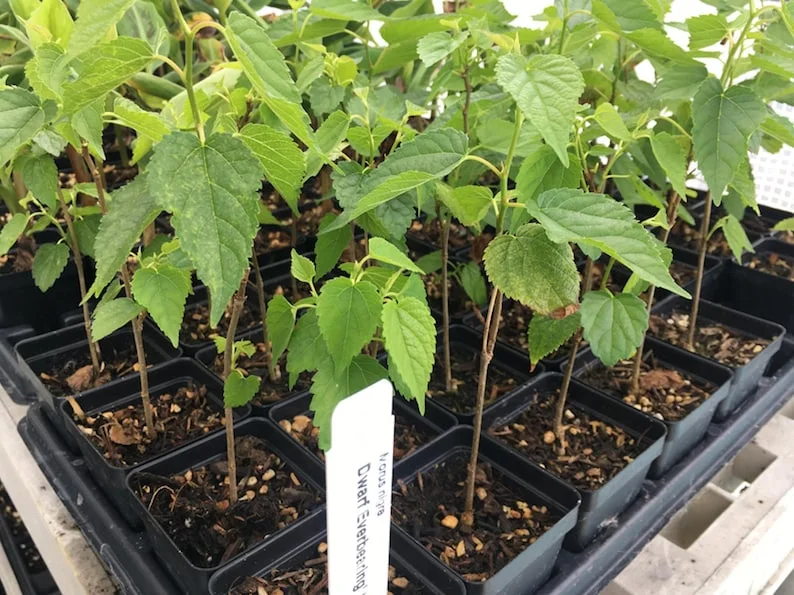
The bare root mulberry plants should be planted as soon as possible after arrival. Dig a hole wide enough to accommodate the roots without bending them, and deep enough so the root collar is at ground level. Spread the roots out evenly and backfill with soil, gently tamping to remove air pockets. Water thoroughly after planting. With proper care, your cold hardy fruit tree will thrive and provide years of delicious mulberries.
This offering includes 3 bare root starter plants of the dwarf everbearing mulberry tree. These plants are shipped dormant, ensuring they establish quickly and robustly in their new environment. Typically, these trees reach a manageable height of 10-15 feet with a spread of 15-20 feet when mature, providing a good balance between size and fruit production for most home gardens. While generally compact, some variations can achieve greater heights, offering flexibility based on your garden’s specific needs and space availability. They can often bear fruit within their first 1-3 years after planting, offering a relatively quick reward for your gardening efforts.
The everbearing mulberry plant is versatile and can be easily trained to grow as a single-stemmed tree, creating an elegant focal point, or cultivated as a multi-stemmed shrub, offering a more natural, bushy appearance. The bare root format means the plants are shipped without soil, making them lighter and more efficient to transport, and promoting stronger root development once planted. This compact fruit tree is designed for ease of integration into various landscape designs, from small urban plots to larger backyard spaces.
You must be logged in to post a review.
Sold 68 products
Original price was: $45.98.$22.99Current price is: $22.99.
Sold 90 products
Original price was: $259.96.$129.98Current price is: $129.98.
Sold 55 products
Original price was: $69.98.$34.99Current price is: $34.99.
Sold 82 products
Original price was: $48.98.$24.49Current price is: $24.49.
Sold 80 products
Original price was: $243.98.$121.99Current price is: $121.99.
Sold 83 products
Original price was: $259.78.$129.89Current price is: $129.89.
Sold 64 products
Original price was: $119.98.$59.99Current price is: $59.99.
Sold 78 products
Original price was: $359.98.$179.99Current price is: $179.99.
Reviews
There are no reviews yet.