NEED SUPPORT WITH YOUR ORDER? Get in touch
Not satisfied with your purchase?
Enter your Order ID on website, and we'll resolve it right away.

Original price was: $47.99.$28.99Current price is: $28.99.
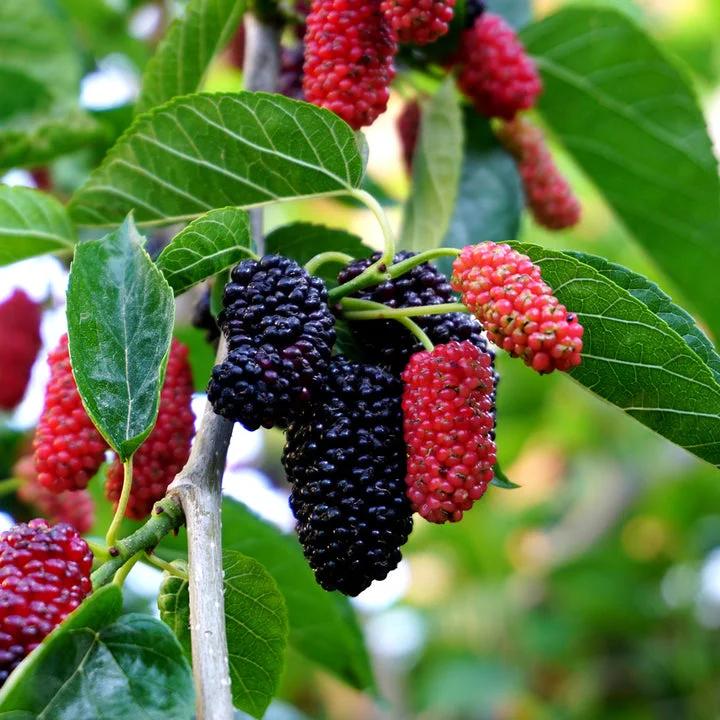
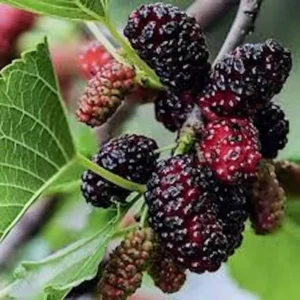
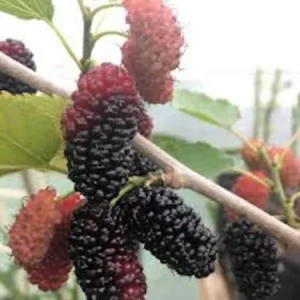
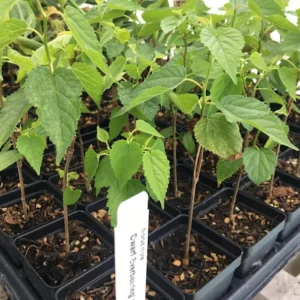
Cultivate your own sweet, juicy mulberries with this Dwarf Everbearing Mulberry Tree. This bare root mulberry starter plant is cold hardy fruit tree, self-pollinating, and ideal for home gardens, producing fruit quickly. Enjoy fresh berries for months!
Mar 03
Mar 08 - Mar 10
Mar 13 - Mar 17
USDA Hardiness Zone
Soil Type
Sunlight Exposure
Expected Planting Period
Shipping and return policies: Our Alive & Thrive Guarantee covers issues with your plants within the first 30 days. Get in touch with us via email, and our team will review your concerns and, if necessary, provide you with a one-time replacement at no cost.
If you're unsure about your hardiness zone, feel free to reach out to us. Our team will answer your questions and help you find the plants that are truly suitable for your environment, climate, and personal preferences.
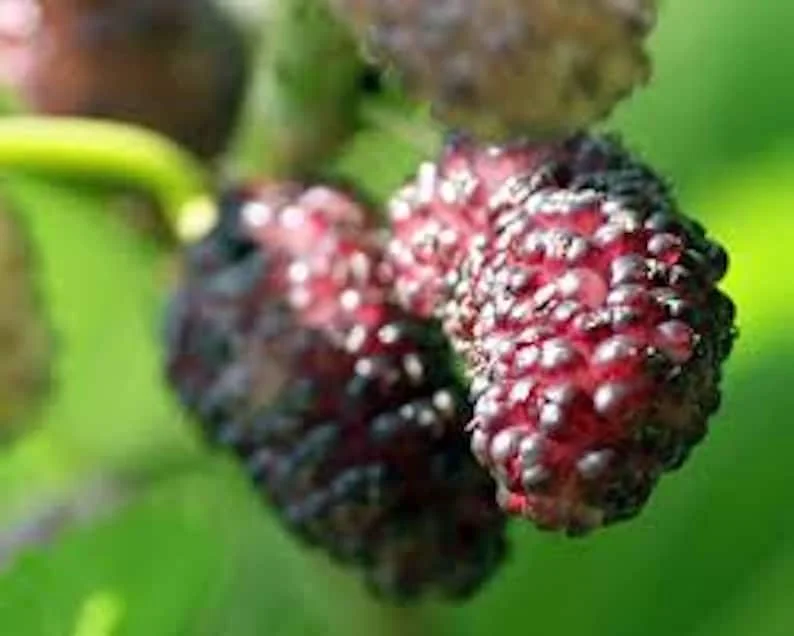
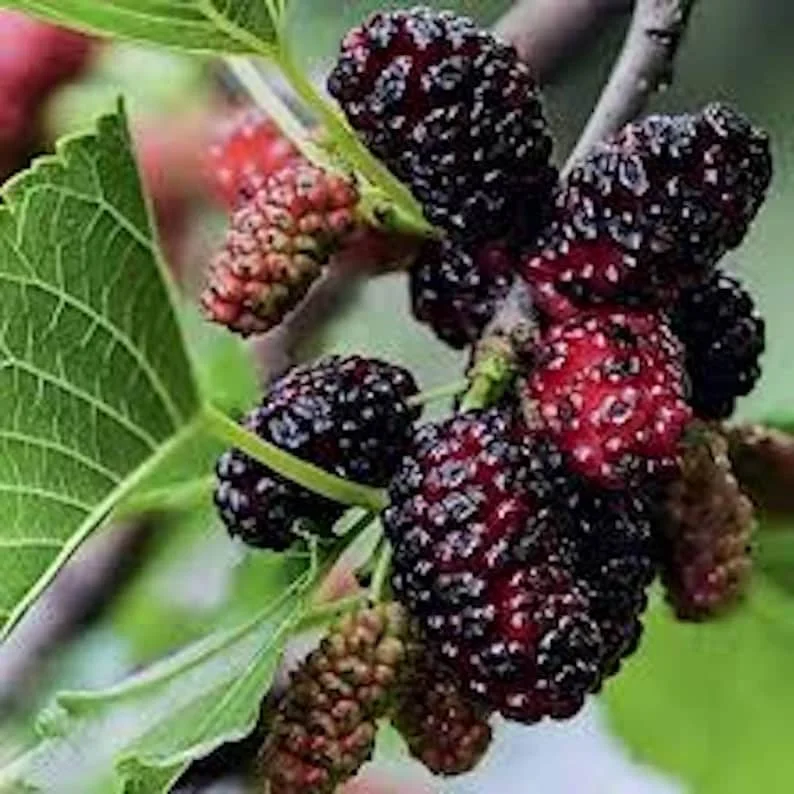
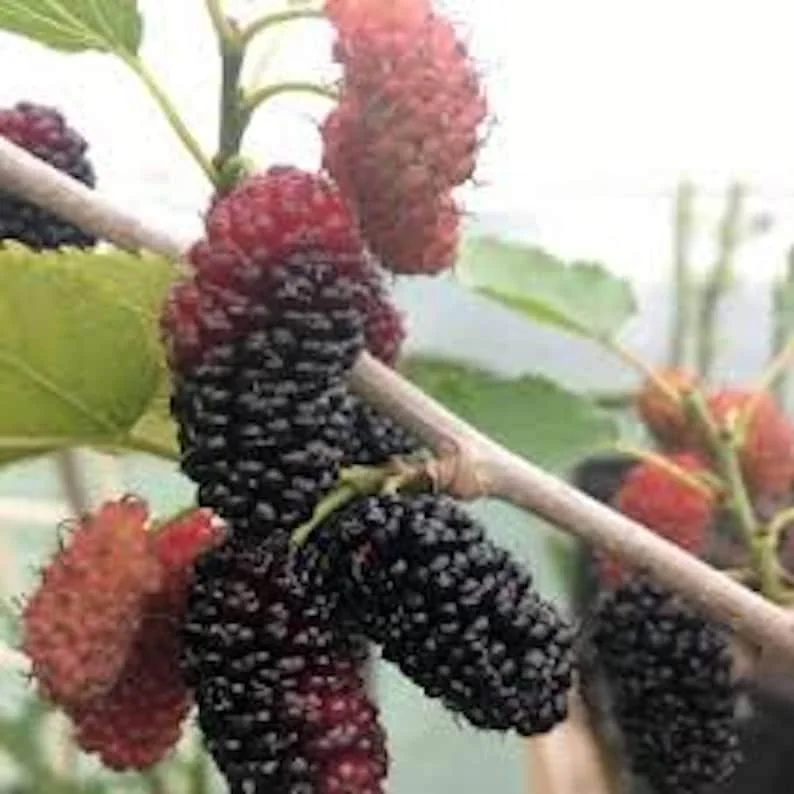
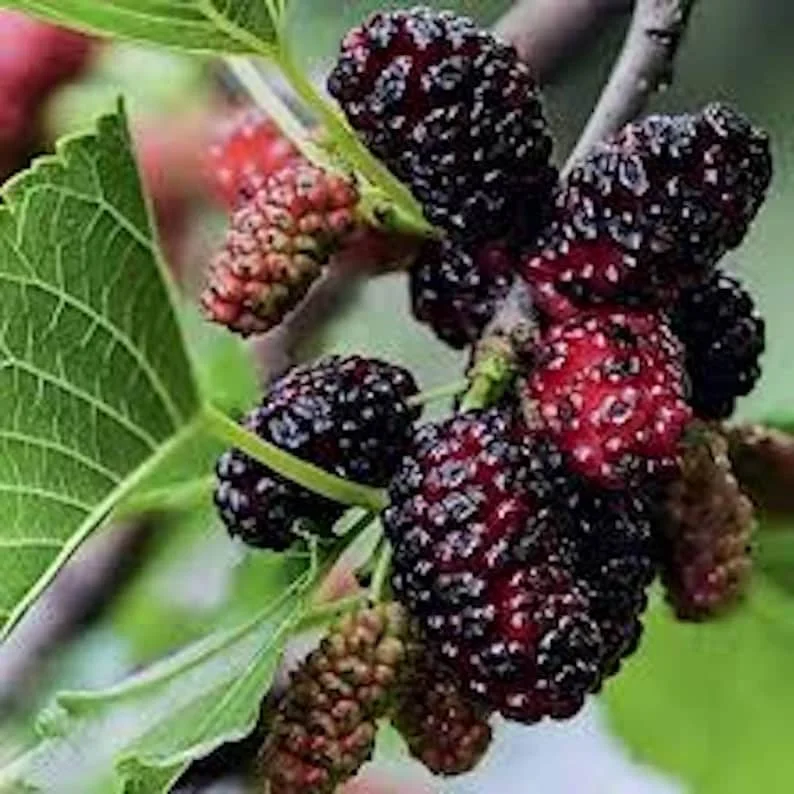
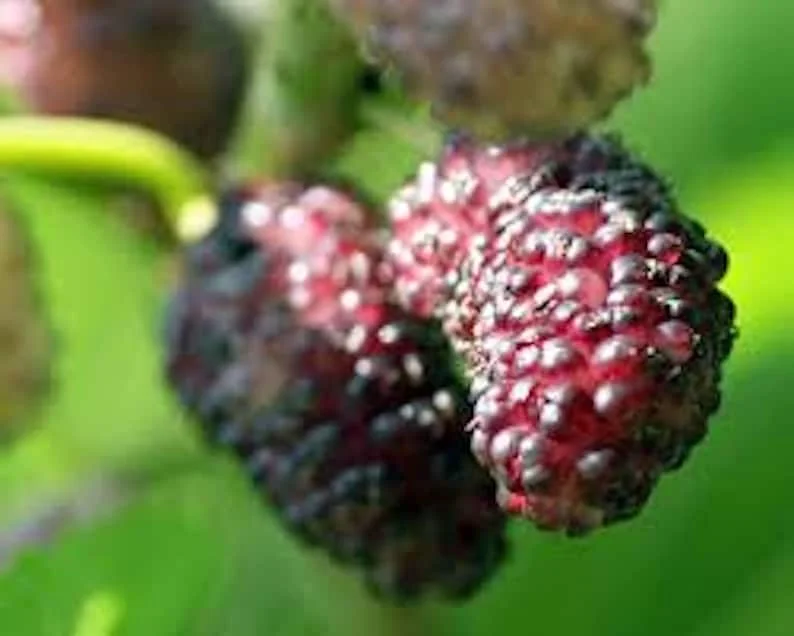
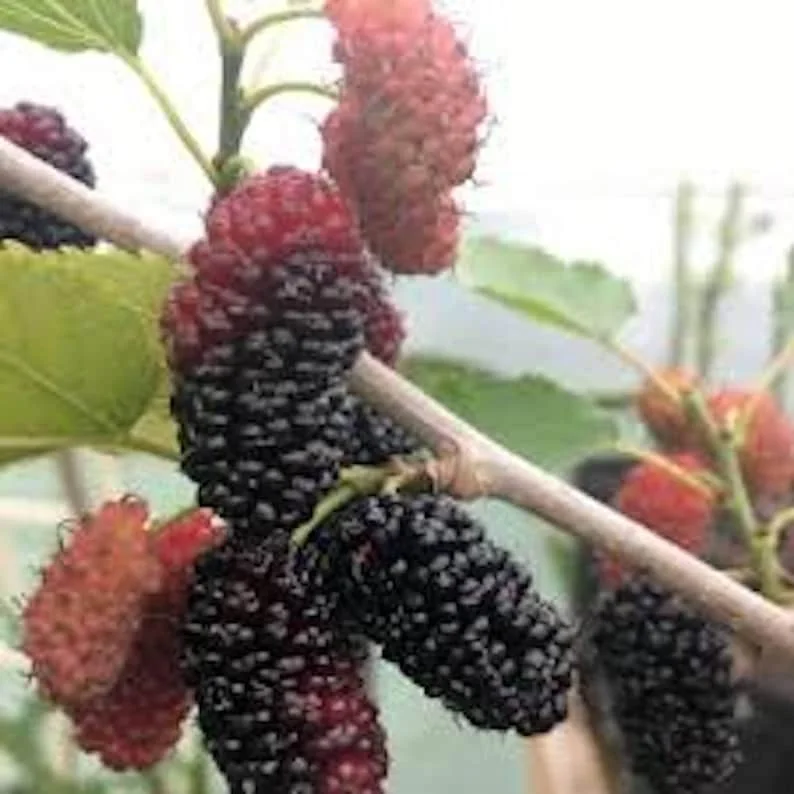
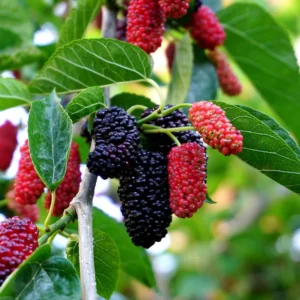
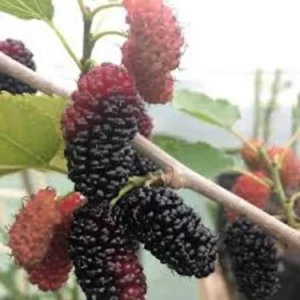
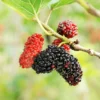
Welcome the joy of homegrown fruit into your garden with the Dwarf Everbearing Mulberry Tree. This remarkable bare root mulberry starter plant is celebrated for its ability to produce an abundance of sweet, dark reddish-black berries over an extended season, typically from late June to early fall. Unlike many fruit trees, this variety is self-pollinating, making it an excellent choice for gardeners of all experience levels who desire a reliable and bountiful harvest. As a cold hardy fruit tree, it stands up well to various climates, ensuring a rewarding growing experience for many years.
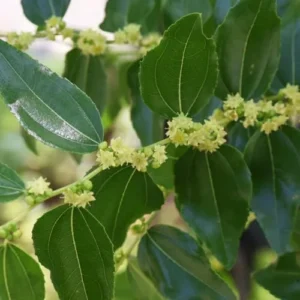
The Dwarf Everbearing Mulberry (Morus nigra ‘Dwarf Everbearing’) is a versatile plant that can be trained as a single-stemmed tree or a multi-stemmed bush, adapting beautifully to different landscape designs. Its leathery green leaves provide welcome shade in summer before dropping in winter, and the tree is known for its natural pest resistance. Expect to enjoy your first delicious mulberries within just 1-3 years of planting, making it a relatively fast-fruiting option for your home orchard. The berries are known to reach about 1.5 inches long and are perfectly ripe when they easily drop from the tree, simplifying harvesting.
Growing a Dwarf Everbearing Mulberry offers numerous advantages, transforming your garden into a productive and beautiful space. This Dwarf Everbearing Mulberry Tree is not only easy to care for but also provides a continuous supply of fresh, nutritious fruit.
Proper mulberry plant care ensures a healthy and productive Dwarf Everbearing Mulberry Tree. This resilient tree is relatively low-maintenance, making it a fantastic addition to any garden. For optimal fruit production and growth, your mulberry tree needs at least 6 hours of direct sunlight per day. Choose a location in your garden that receives full sun exposure throughout the day. While adaptable, it thrives best in well-drained soil. Avoid areas where water tends to pool, as this can lead to root rot. Amending heavy clay soils with organic matter can improve drainage significantly.
Watering should be consistent, especially during the first few years after planting and during dry spells. Once established, the Dwarf Everbearing Mulberry is quite drought-tolerant but will produce more fruit with regular moisture. Fertilize in early spring with a balanced slow-release fertilizer or an organic compost to support vigorous growth and fruit development. Pruning is best done in late winter or early spring while the tree is dormant. Focus on removing dead, damaged, or crossing branches, and shaping the tree to maintain its desired size and structure. This self-pollinating mulberry is generally pest-resistant, but occasional checks for common garden pests are always recommended.
This cold hardy fruit tree is known to tolerate USDA zones 5-9, making it suitable for a wide range of climates. Protection from harsh winter winds might be beneficial in the colder ends of its zone. The tree is quite adaptable to various soil types, from sandy to loamy, as long as drainage is adequate. With proper care, your Dwarf Everbearing Mulberry Tree will provide years of delicious fruit.
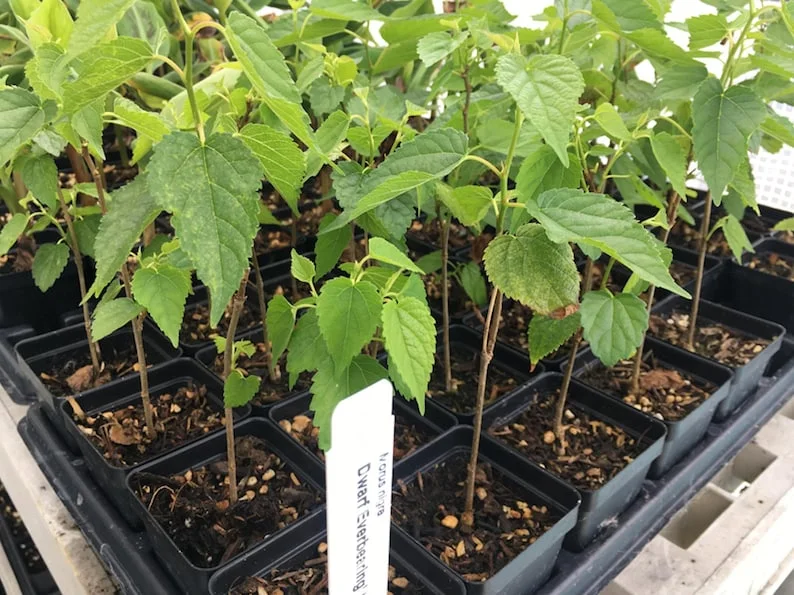
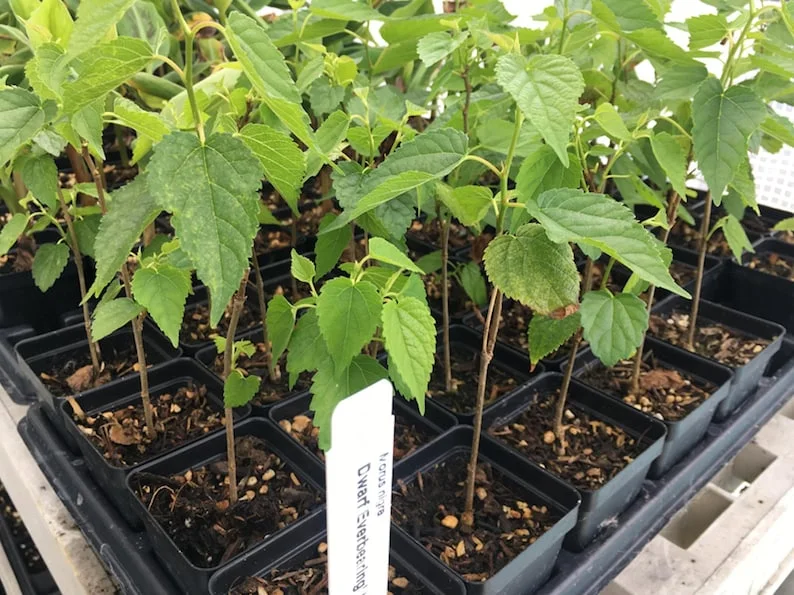
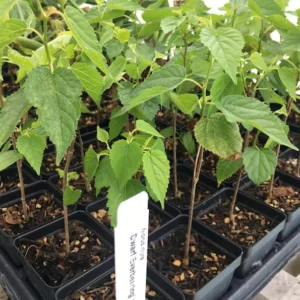
This offering is for a Dwarf Everbearing Mulberry Tree provided as a bare root starter plant. This means the plant will arrive without soil and foliage, ready for immediate planting in your garden. This method promotes strong root development once planted. When mature, this variety typically reaches a height of 10-15 feet with a spread of 15-20 feet, making it a compact yet productive option for most home landscapes. The dark reddish-black, juicy berries grow to about 1.5 inches long and begin to ripen from late June, continuing through early fall.
You can expect to enjoy your first harvest of mulberries within 1-3 years of planting, a relatively quick turnaround for a fruit tree. The tree’s versatile growth habit allows it to be trained as either a single-stemmed tree or a multi-stemmed bush, offering flexibility in how it integrates into your garden design. Its deciduous nature means the leathery green leaves provide ample shade during the warmer months and drop in winter, signaling its cold hardy attributes.
You must be logged in to post a review.
Sold 93 products
Original price was: $219.98.$109.99Current price is: $109.99.
Sold 74 products
Original price was: $99.98.$49.99Current price is: $49.99.
Sold 93 products
Original price was: $258.98.$129.49Current price is: $129.49.
Sold 92 products
Original price was: $259.98.$129.99Current price is: $129.99.
Sold 75 products
Original price was: $257.98.$128.99Current price is: $128.99.
Sold 60 products
Original price was: $256.36.$128.18Current price is: $128.18.
Sold 75 products
Original price was: $371.98.$185.99Current price is: $185.99.
Sold 72 products
Original price was: $59.98.$29.99Current price is: $29.99.

Reviews
There are no reviews yet.