NEED SUPPORT WITH YOUR ORDER? Get in touch
Not satisfied with your purchase?
Enter your Order ID on website, and we'll resolve it right away.

Original price was: $116.99.$89.99Current price is: $89.99.
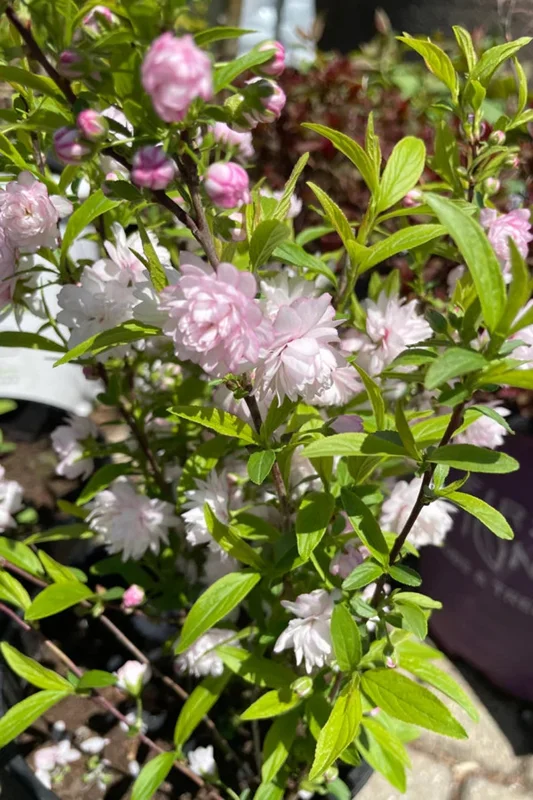
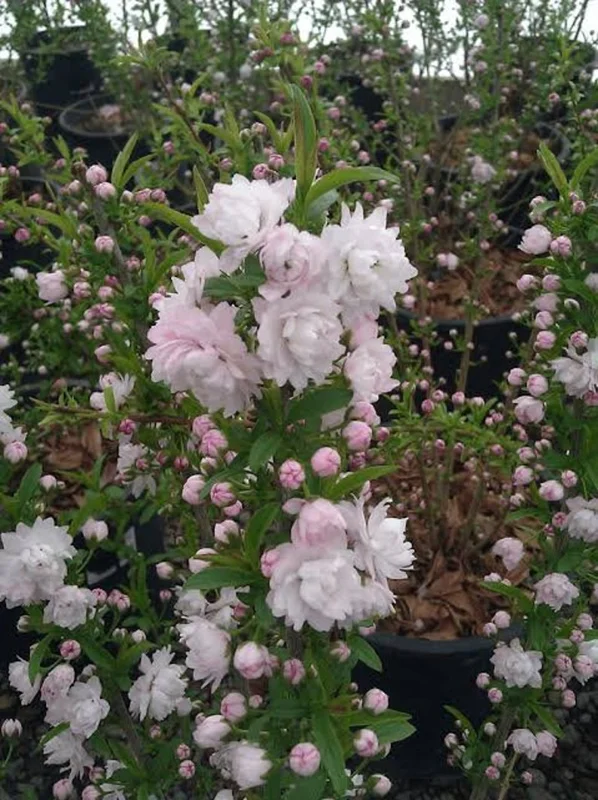
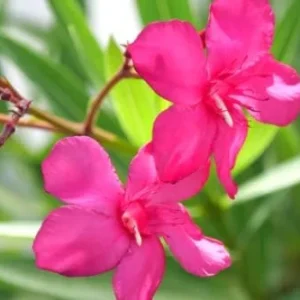
Bring early spring charm to your garden with the dwarf flowering almond plant ‘Rosea Plena’. This 1ft tall live plant, in a 6-inch pot, boasts exquisite double pink blooms, perfect for borders or containers. Enjoy a stunning floral display and attract pollinators with this beautiful, compact flowering shrub.
Mar 03
Mar 08 - Mar 10
Mar 13 - Mar 17
USDA Hardiness Zone
Soil Type
Sunlight Exposure
Expected Planting Period
Shipping and return policies: Our Alive & Thrive Guarantee covers issues with your plants within the first 30 days. Get in touch with us via email, and our team will review your concerns and, if necessary, provide you with a one-time replacement at no cost.
If you're unsure about your hardiness zone, feel free to reach out to us. Our team will answer your questions and help you find the plants that are truly suitable for your environment, climate, and personal preferences.
The dwarf flowering almond plant, specifically the ‘Rosea Plena’ variety, is a captivating deciduous shrub renowned for its spectacular early spring blossoms. This live plant, approximately 1 foot tall and nurtured in a 6-inch pot, is ready to bring vibrant color to your landscape. Known botanically as Prunus glandulosa ‘Rosea Plena’, this compact shrub is a true garden gem, announcing the arrival of warmer weather with a profusion of delicate, rose-like pink flowers. It’s an ideal choice for gardeners seeking a stunning yet manageable ornamental plant that offers significant visual impact.
The ‘Rosea Plena’ cultivar is characterized by its double, fluffy pink blooms that densely cover its branches before the leaves fully emerge, creating a breathtaking spectacle. Its relatively small stature makes it incredibly versatile, fitting seamlessly into various garden designs. Whether you’re enhancing a mixed border, creating a focal point in a small garden, or adding elegance to a container arrangement, this dwarf flowering almond plant will thrive and impress.
Cultivating a dwarf flowering almond plant offers numerous advantages, transforming your outdoor space into a vibrant and welcoming sanctuary. Its unique characteristics make it a standout choice for both aesthetic appeal and ecological contribution.
To ensure your dwarf flowering almond plant thrives and provides years of beautiful blooms, understanding its specific care requirements is essential. This resilient shrub is relatively easy to care for, making it a rewarding addition to most gardens.
For optimal flowering and vigorous growth, the dwarf flowering almond plant prefers a location that receives at least 6 hours of direct sunlight per day, ideally full sun. While it can tolerate some partial shade, too little sun will result in fewer blossoms. It thrives in well-drained soil that is slightly acidic to neutral. If you have heavy clay soils, it’s beneficial to amend them with organic matter like compost to improve drainage and aeration, preventing root rot. Good drainage is crucial for the health of this plant.
Regular watering is important, especially during the growing season and dry spells. The soil should remain consistently moist but never waterlogged. Once established, it becomes more drought-tolerant, but consistent moisture will encourage the best floral display. Fertilize in early spring before new growth begins, using a balanced slow-release fertilizer formulated for flowering shrubs. Pruning should be done immediately after flowering has finished. This helps maintain its desired shape, removes any dead or damaged branches, and encourages bushier growth and more abundant blooms the following year. This proactive approach to flowering almond care ensures a healthy and aesthetically pleasing plant. The plant is generally hardy in USDA zones 4-8, tolerating a range of temperatures.
This offering is for one dwarf flowering almond plant ‘Rosea Plena’ that arrives as a live specimen, ready for immediate planting. The plant is approximately 1 foot tall at the time of shipment and is carefully cultivated in a 6-inch nursery pot, ensuring a well-developed and healthy root system for easy transplanting. Upon maturity, this compact shrub typically reaches a height and spread of about 4 to 5 feet, making it an excellent choice for areas where space is a consideration. Its moderate growth rate means it will establish well and begin producing its characteristic pink spring blooms within the first few seasons.
The ‘Rosea Plena’ variety is cherished for its double, rose-like flowers, which emerge in early spring before the foliage. These vibrant pink blossoms create a dense and stunning display. The plant is shipped in its nursery pot with soil, minimizing transplant shock and setting it up for success in your garden. With proper flowering almond care, this shrub will provide many years of enchanting springtime beauty.
You must be logged in to post a review.
Sold 60 products
Original price was: $74.99.$44.99Current price is: $44.99.
Sold 74 products
Original price was: $45.98.$22.99Current price is: $22.99.
Sold 79 products
Original price was: $55.58.$27.79Current price is: $27.79.
Sold 50 products
Original price was: $55.78.$27.89Current price is: $27.89.
Sold 51 products
Original price was: $37.98.$18.99Current price is: $18.99.
Sold 56 products
Original price was: $74.99.$44.99Current price is: $44.99.
Sold 89 products
Original price was: $89.98.$44.99Current price is: $44.99.
Sold 93 products
Original price was: $55.98.$27.99Current price is: $27.99.
Reviews
There are no reviews yet.