NEED SUPPORT WITH YOUR ORDER? Get in touch
Not satisfied with your purchase?
Enter your Order ID on website, and we'll resolve it right away.

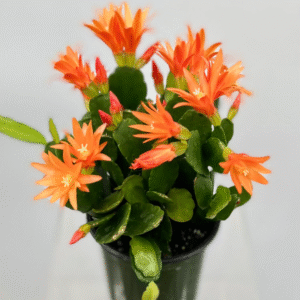
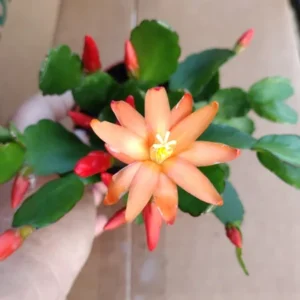


Original price was: $55.99.$37.99Current price is: $37.99.
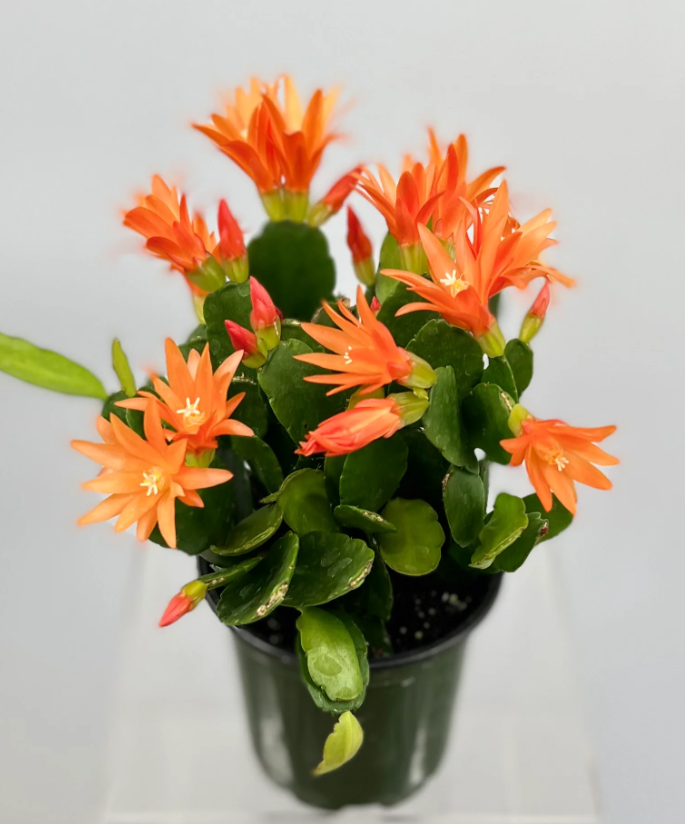
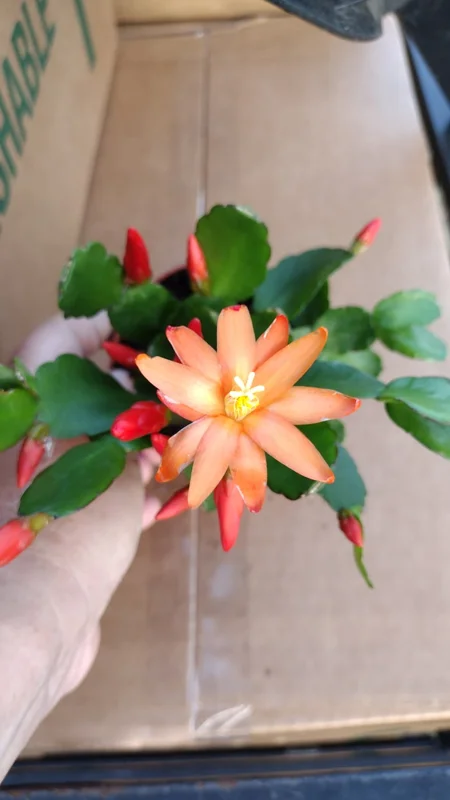
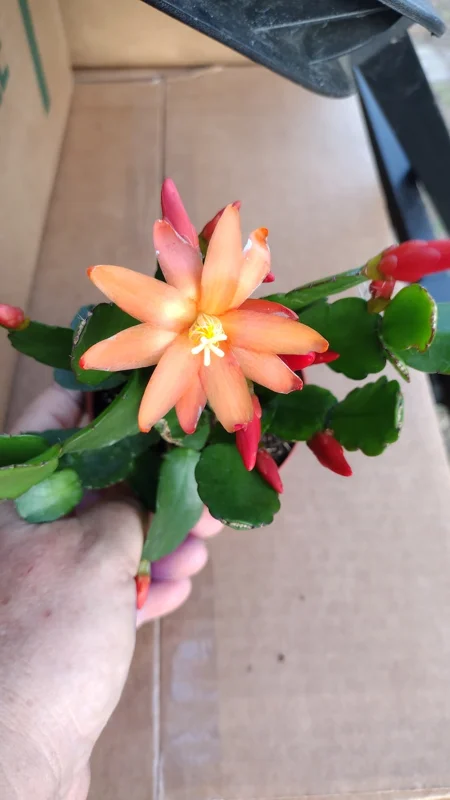
Brighten your home with the beautiful Easter Cactus live plant. This Spring Cactus orange variety produces stunning blooms, adding vibrant color to any indoor space. Shipped in a 3.5-inch nursery pot, it’s a low maintenance houseplant perfect for beginners.
Mar 03
Mar 08 - Mar 10
Mar 13 - Mar 17
USDA Hardiness Zone
Soil Type
Sunlight Exposure
Expected Planting Period
Shipping and return policies: Our Alive & Thrive Guarantee covers issues with your plants within the first 30 days. Get in touch with us via email, and our team will review your concerns and, if necessary, provide you with a one-time replacement at no cost.
If you're unsure about your hardiness zone, feel free to reach out to us. Our team will answer your questions and help you find the plants that are truly suitable for your environment, climate, and personal preferences.
Introduce a burst of springtime cheer into your home with the exquisite Easter Cactus live plant. Known botanically as Rhipsalidopsis gaertneri (or commonly referred to as Rhipsalidopsis Hatiora care, though Hatiora is a broader genus), this stunning succulent is a true marvel. Unlike its desert cactus relatives, the Easter Cactus live plant is an epiphytic species native to the rainforests of Brazil, thriving in humid, dappled light conditions. Its most captivating feature is the profusion of vibrant orange, star-shaped flowers that adorn its segmented stems, typically blooming around the Easter season, hence its charming name. Each plant is carefully cultivated to ensure robust health and vitality, making it an ideal choice for both seasoned plant enthusiasts and those new to indoor gardening. When you bring home an Easter Cactus live plant, you’re not just acquiring a decorative item; you’re inviting a dynamic piece of nature that promises to transform your living space with its unique form and breathtaking seasonal display.
The Easter Cactus live plant offers a multitude of benefits, making it a cherished addition to any plant collection. Its striking appearance and relatively easy care requirements contribute to its widespread appeal, ensuring a rewarding experience for its owner.
Proper Rhipsalidopsis Hatiora care is essential for ensuring your Easter Cactus live plant thrives and produces its signature vibrant blooms. While generally low-maintenance, understanding its specific needs will help it flourish. This plant prefers bright, indirect sunlight. Avoid direct, harsh sun exposure, especially during the hottest parts of the day, as this can scorch its delicate leaves and prevent flowering. An east-facing window is often ideal, providing gentle morning sun, or a shaded south or west-facing window. During its growing season (spring and summer), water thoroughly when the top inch of soil feels dry to the touch, allowing excess water to drain completely to prevent root rot. Reduce watering significantly in fall and winter when the plant enters a dormant phase, only watering enough to prevent the soil from drying out completely. This period of reduced watering and cooler temperatures can encourage more abundant blooms in spring.
For optimal growth, use a well-draining potting mix specifically formulated for cacti and succulents, or a standard potting mix amended with perlite or orchid bark to enhance drainage. The ideal temperature range for an Easter Cactus live plant is between 60-75°F (15-24°C) during the day and slightly cooler at night, around 50-55°F (10-13°C), particularly in the fall to encourage bud formation. Fertilize monthly from spring through summer with a balanced liquid fertilizer diluted to half strength. Avoid fertilizing during its dormant period. Repot only when necessary, typically every 2-3 years, into a pot only slightly larger than its current one. While resilient, watch for common pests like spider mites or mealybugs, treating them promptly with insecticidal soap if spotted. With consistent Rhipsalidopsis Hatiora care, your plant will reward you with years of beautiful blooms, solidifying its status as an exceptional indoor flowering cactus.
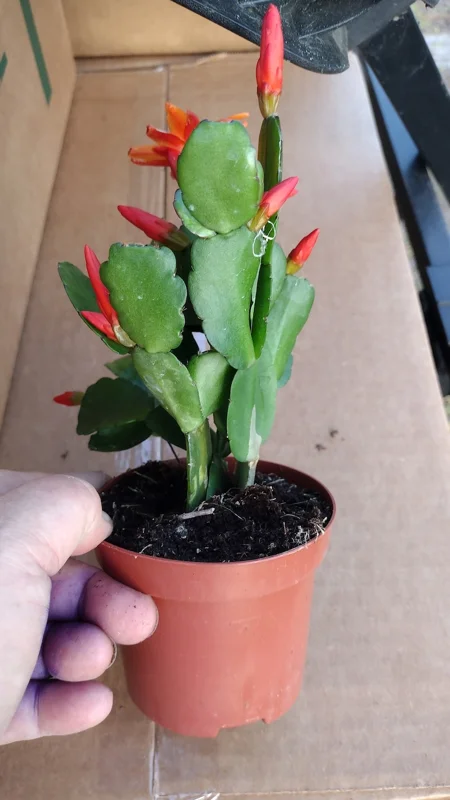
This Easter Cactus live plant is shipped in a robust 3.5-inch nursery growing pot, specifically chosen to ensure safe transit and provide a healthy start in its new home. The plant’s overall height will vary but typically ranges from 4 to 6 inches, making it a perfectly compact and desk-friendly size. It is delivered without an outer decorative pot, ready for you to transfer into your preferred planter upon arrival. The segmented stems will continue to grow and cascade over time, eventually reaching lengths that make it suitable for hanging baskets or elevated displays. While the plant is mature enough to flower, we cannot guarantee it will arrive with blooms, as blooming cycles are subject to natural variations and shipping conditions. Expect a moderate growth rate, with the plant filling out its pot within a season or two with proper Rhipsalidopsis Hatiora care, developing into a lush and vibrant specimen. This Spring Cactus orange variety is ideal for adding a touch of natural beauty to small spaces or as part of a larger indoor plant collection.
You must be logged in to post a review.

Sold 61 products
Original price was: $69.99.$43.99Current price is: $43.99.
Sold 63 products
Original price was: $35.98.$17.99Current price is: $17.99.
Sold 95 products
Original price was: $57.96.$28.98Current price is: $28.98.
Sold 91 products
Original price was: $79.98.$39.99Current price is: $39.99.
Sold 90 products
Original price was: $39.98.$19.99Current price is: $19.99.
Sold 85 products
Original price was: $139.99.$119.99Current price is: $119.99.
Sold 92 products
Original price was: $45.99.$34.99Current price is: $34.99.
Sold 75 products
Original price was: $58.00.$29.00Current price is: $29.00.



Reviews
There are no reviews yet.