NEED SUPPORT WITH YOUR ORDER? Get in touch
Not satisfied with your purchase?
Enter your Order ID on website, and we'll resolve it right away.

Original price was: $115.99.$90.99Current price is: $90.99.
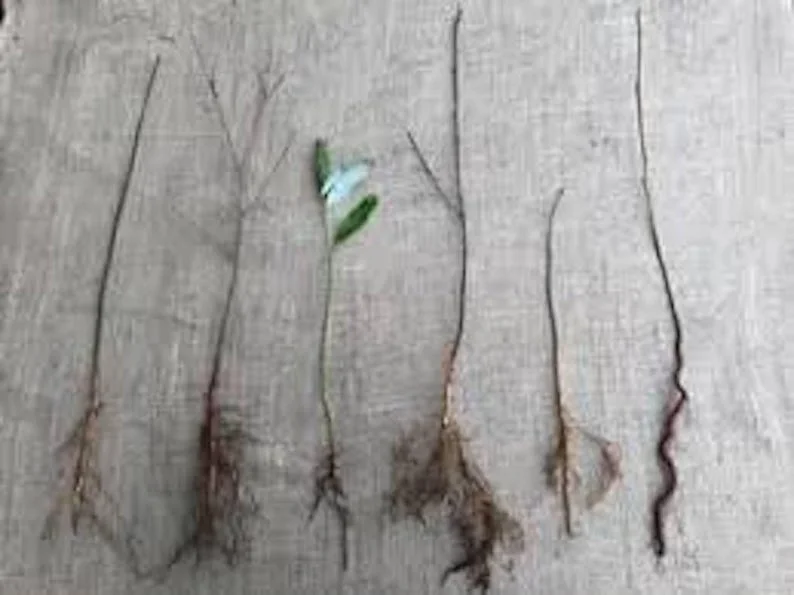
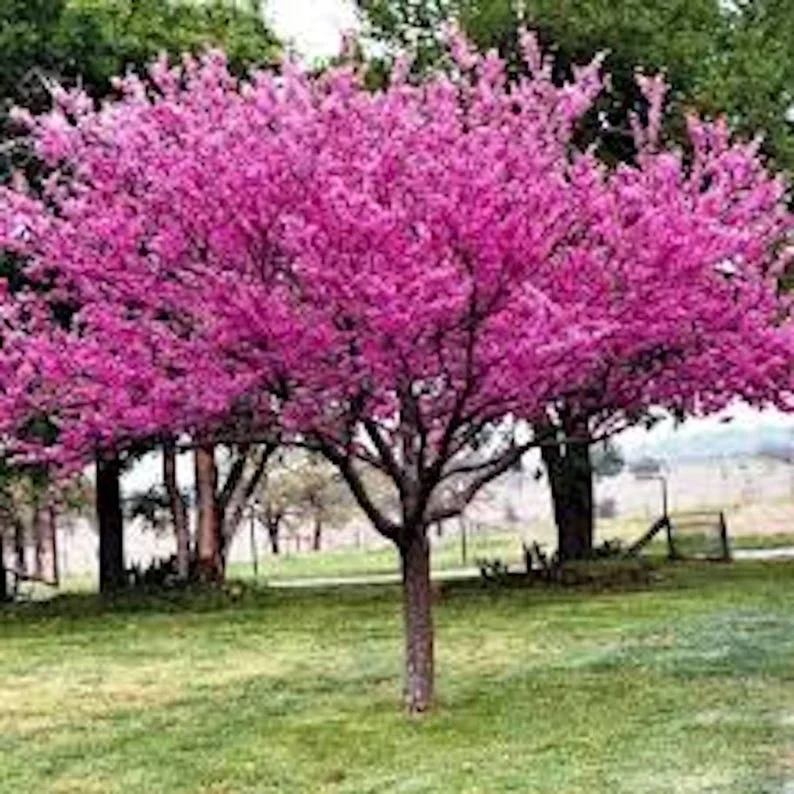
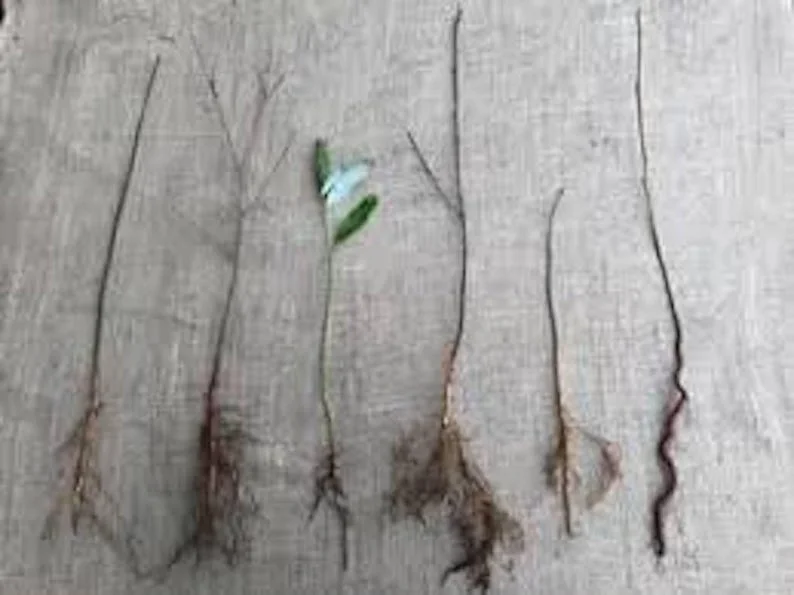
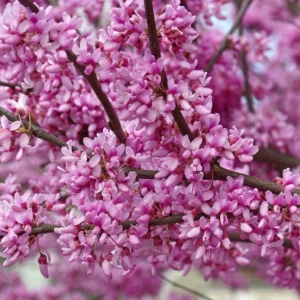
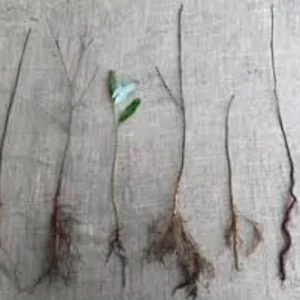
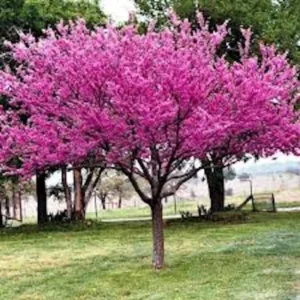
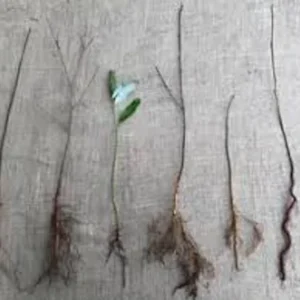
Introduce the captivating beauty of the Eastern Redbud tree to your landscape with this 5-Pack Bare Root offering. Each bare root redbud measures 12-24 inches, ready to establish and provide stunning pink blossoms every spring. This hardy and adaptable flowering tree is perfect for adding natural elegance and supporting local ecosystems in your outdoor space.
Feb 04
Feb 09 - Feb 11
Feb 14 - Feb 18
USDA Hardiness Zone
Soil Type
Sunlight Exposure
Expected Planting Period
Shipping and return policies: Our Alive & Thrive Guarantee covers issues with your plants within the first 30 days. Get in touch with us via email, and our team will review your concerns and, if necessary, provide you with a one-time replacement at no cost.
If you're unsure about your hardiness zone, feel free to reach out to us. Our team will answer your questions and help you find the plants that are truly suitable for your environment, climate, and personal preferences.
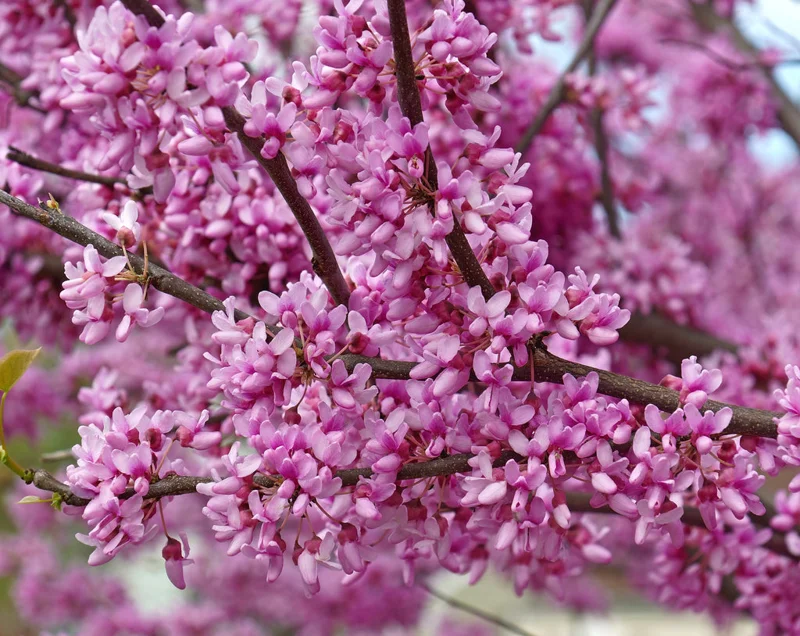
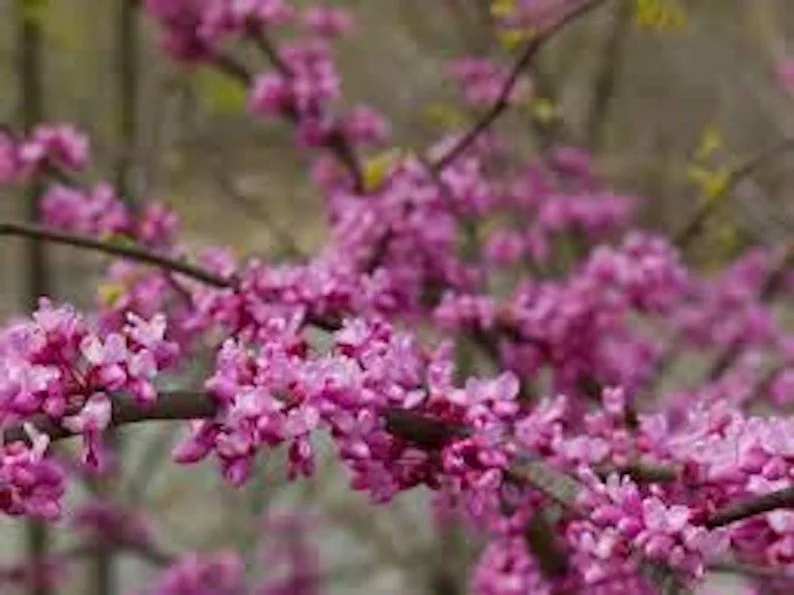
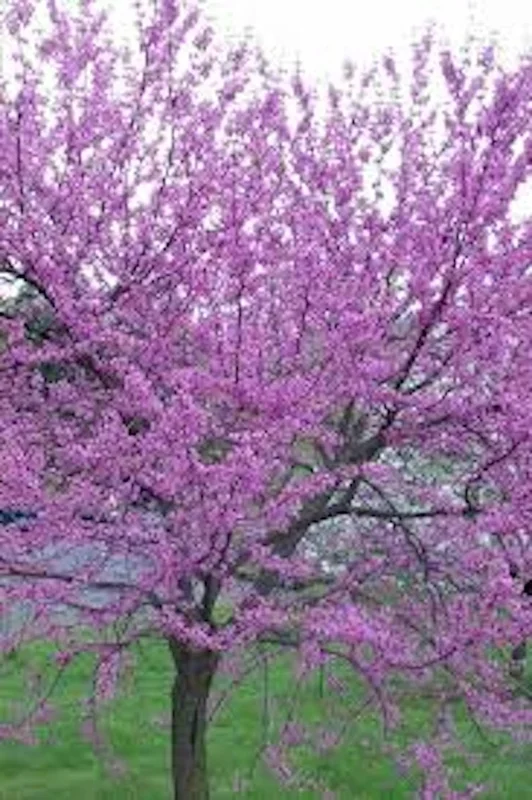
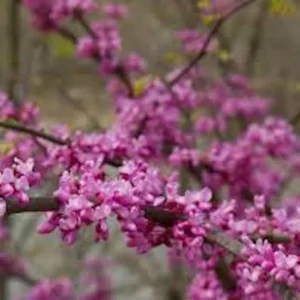
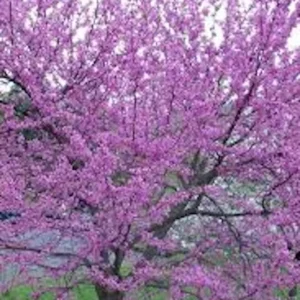
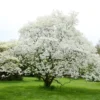
Transform your garden into a springtime spectacle with the Eastern Redbud tree. This offering provides five (5) high-quality bare root redbud plants, each measuring between 12 to 24 inches tall, perfectly prepared for planting. The Eastern Redbud, scientifically known as Cercis canadensis, is celebrated for its breathtaking display of vibrant pink blossoms that emerge directly on its branches before the leaves appear, signaling the joyful arrival of spring. As a native species to eastern and central North America, this flowering tree is not just a beautiful ornamental; it also plays a vital role in supporting local ecosystems, making it an excellent choice for any home garden seeking natural charm and ecological benefit.
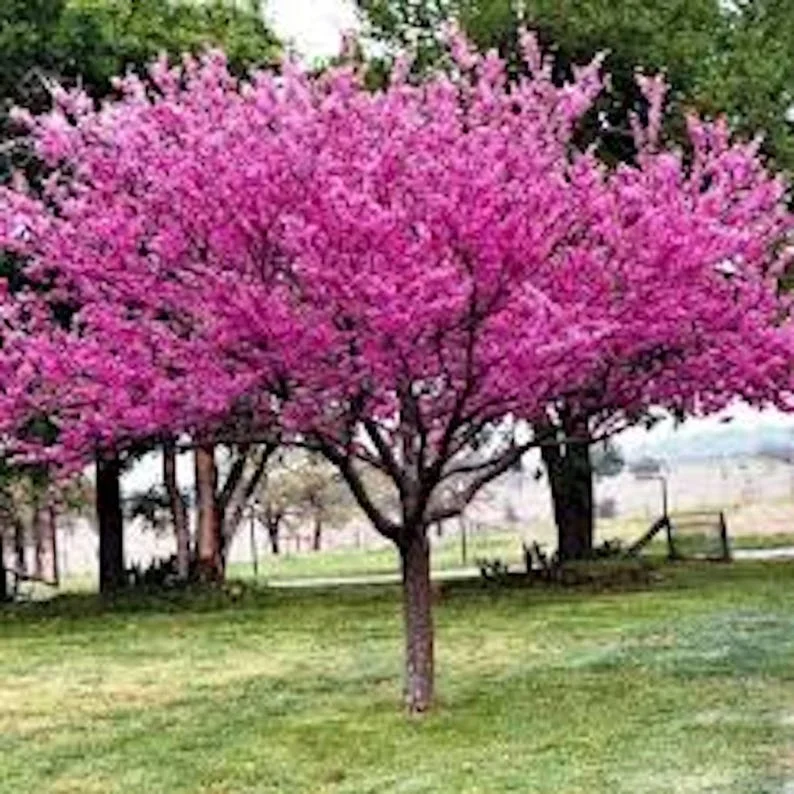
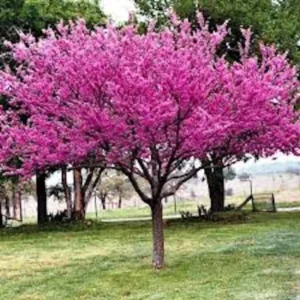
These magnificent Eastern Redbud trees are known for their adaptability and resilience, thriving in a wide range of climates and soil conditions. Once established, they develop a graceful, rounded crown, maturing to a height of 25-35 feet, providing year-round visual interest. Whether you are looking to create a stunning focal point, add a touch of native beauty, or simply enjoy the vivid colors of spring, the Cercis canadensis is an investment in the long-term aesthetic and environmental health of your landscape. Prepare to be delighted for many years as these young bare roots grow into majestic, mature specimens.
Planting Eastern Redbud trees offers a multitude of advantages, enhancing both the beauty and ecological value of your outdoor space. These versatile trees are a favorite among gardeners for good reason:
Caring for your Eastern Redbud tree is straightforward, especially once it establishes itself in your garden. These trees are known for their resilience and adaptability, making them a rewarding choice for both novice and experienced gardeners. Proper initial planting and care will ensure your bare root redbud thrives and develops into a magnificent specimen.
Sunlight Requirements: The Cercis canadensis prefers full sun to light shade. In cooler climates, full sun (at least 6 hours of direct sunlight daily) will encourage the most abundant flowering. However, in regions with hotter summers, planting in partial shade (receiving morning sun and afternoon shade) is often preferable to protect the foliage from scorching and ensure optimal growth and health of your Eastern Redbud trees. Ensure good air circulation around the tree.
Watering and Soil: While adaptable to various soil conditions, Eastern Redbud trees thrive best in moist, well-drained soil. Avoid excessively wet or waterlogged conditions, as this can lead to root rot. During the first year after planting, regular watering is crucial to help establish a robust and healthy root system. Water deeply once or twice a week, or more frequently during dry spells, ensuring the soil remains consistently moist but not soggy. Once established, they are moderately drought-tolerant but will benefit from supplemental watering during prolonged dry periods. A layer of mulch around the base of the tree can help retain soil moisture and regulate soil temperature.
Temperature and Hardiness: The flowering tree is hardy in USDA Zones 4-9, making it suitable for a broad range of climates across the United States. It can tolerate cold winters and hot summers within these zones. Fertilization is generally not necessary for established trees in good soil, but if your soil is poor, a balanced, slow-release fertilizer can be applied in early spring. Pruning should be done in late winter or early spring while the tree is dormant, focusing on removing dead, damaged, or crossing branches to maintain its attractive form. Watch for common pests like leafhoppers or diseases like canker, though the Eastern Redbud is generally quite healthy.
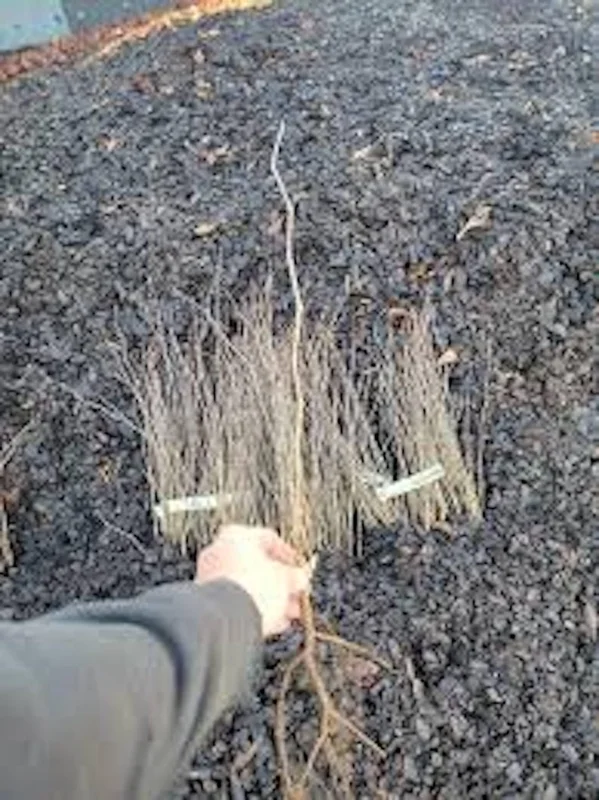
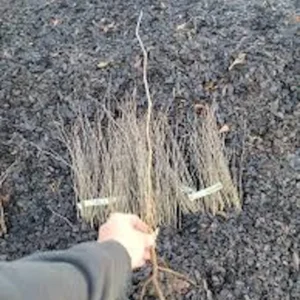
This offering includes a 5-Pack Bare Root of Eastern Redbud tree plants. Each individual bare root redbud measures approximately 12 to 24 inches in height at the time of shipment, providing a strong foundation for growth. These plants are shipped dormant and without soil, making them easy to plant upon arrival during the dormant season (late fall or early spring). The mature size of the Cercis canadensis typically reaches an impressive height of 25-35 feet with a spread of 25-35 feet, forming a beautiful, rounded crown. The growth rate is considered medium, meaning you can expect noticeable development each year. With proper care, these young bare roots will quickly establish themselves and begin their journey to becoming magnificent, mature specimens that will delight with their early spring blossoms for decades to come. This flowering tree is a long-term investment in your landscape’s beauty.
You must be logged in to post a review.
Sold 81 products
Original price was: $45.98.$22.99Current price is: $22.99.
Sold 82 products
Original price was: $219.98.$109.99Current price is: $109.99.
Sold 94 products
Original price was: $359.98.$179.99Current price is: $179.99.
Sold 70 products
Original price was: $59.98.$29.99Current price is: $29.99.
Sold 55 products
Original price was: $257.98.$128.99Current price is: $128.99.
Sold 68 products
Original price was: $319.98.$159.99Current price is: $159.99.
Sold 96 products
Original price was: $99.98.$49.99Current price is: $49.99.
Sold 54 products
Original price was: $59.98.$29.99Current price is: $29.99.
Reviews
There are no reviews yet.