NEED SUPPORT WITH YOUR ORDER? Get in touch
Not satisfied with your purchase?
Enter your Order ID on website, and we'll resolve it right away.

Original price was: $41.99.$27.99Current price is: $27.99.
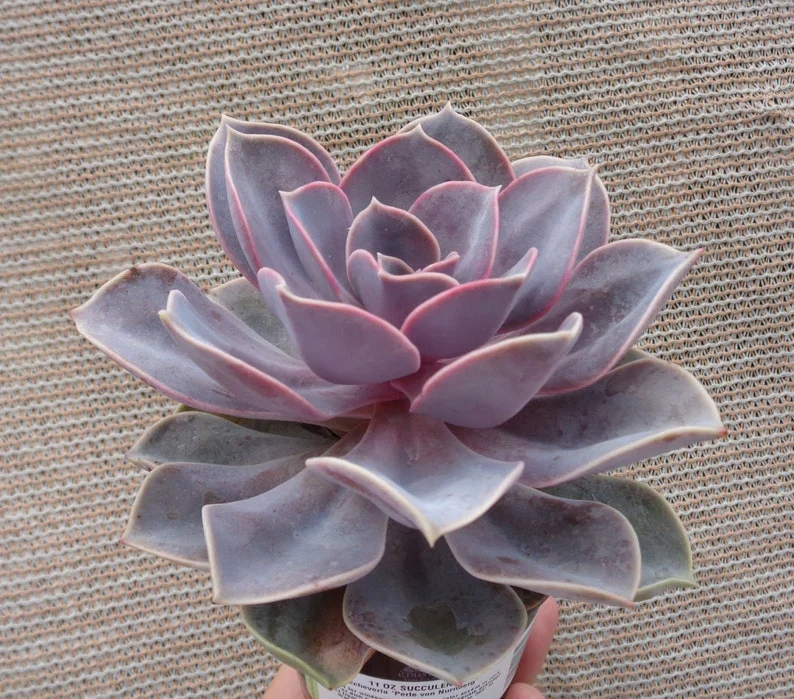
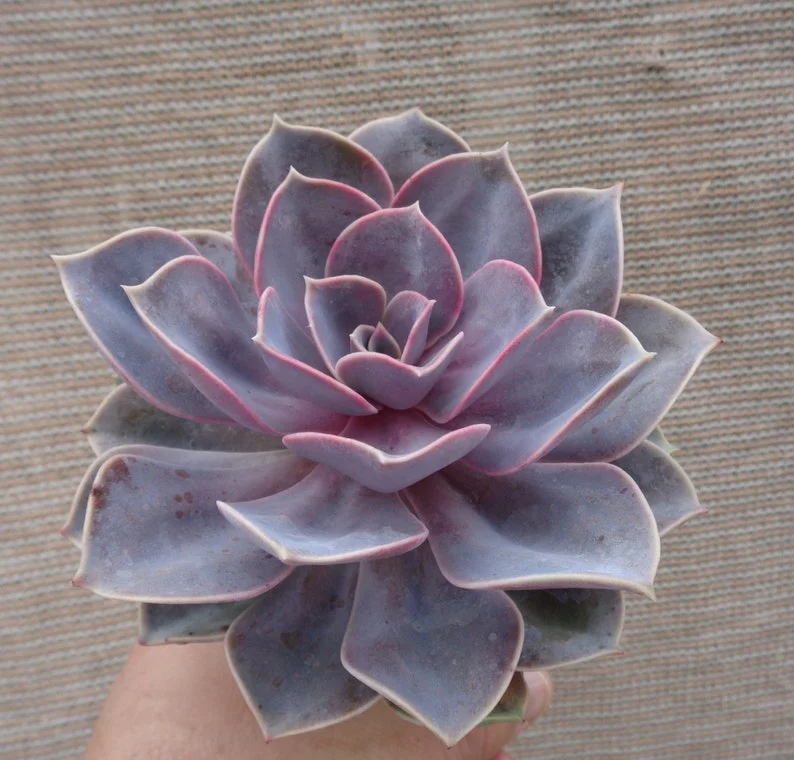
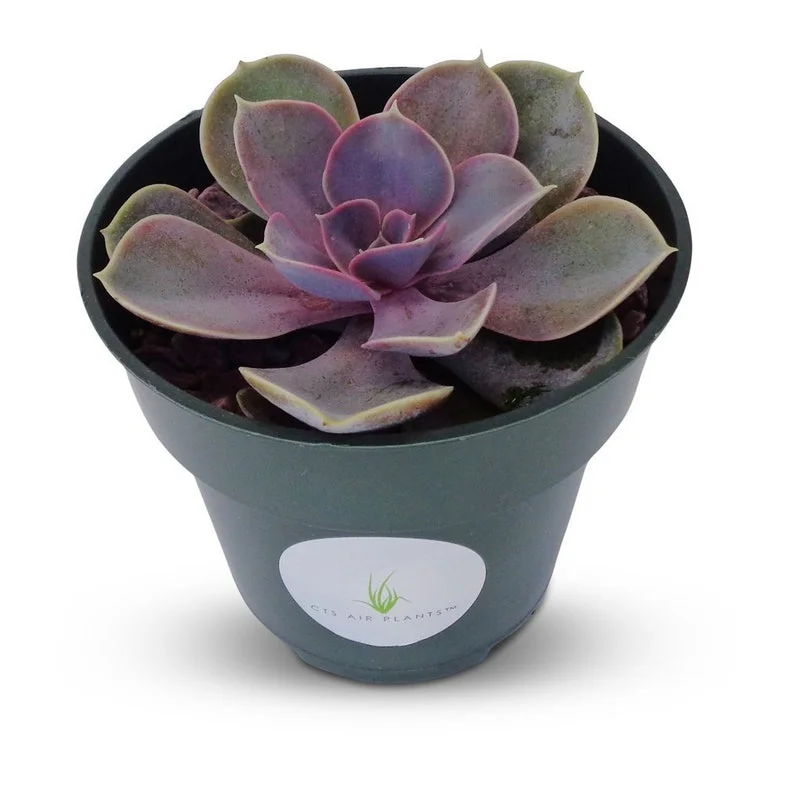
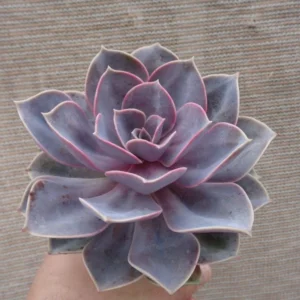
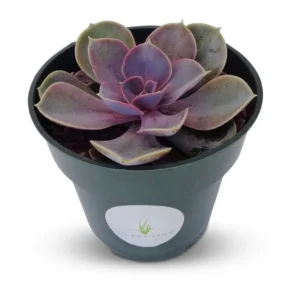
Add elegance to your space with the beautiful Echeveria Perle Von Nurnberg succulent. This pink succulent plant features stunning pink and purple rosettes, ideal for both indoor and outdoor settings. Low-maintenance and drought-tolerant, it’s perfect for beginners and experienced plant lovers alike.
Mar 03
Mar 08 - Mar 10
Mar 13 - Mar 17
USDA Hardiness Zone
Soil Type
Sunlight Exposure
Expected Planting Period
Shipping and return policies: Our Alive & Thrive Guarantee covers issues with your plants within the first 30 days. Get in touch with us via email, and our team will review your concerns and, if necessary, provide you with a one-time replacement at no cost.
If you're unsure about your hardiness zone, feel free to reach out to us. Our team will answer your questions and help you find the plants that are truly suitable for your environment, climate, and personal preferences.
Introduce a touch of sophisticated beauty to your home or garden with the exquisite Echeveria Perle Von Nurnberg succulent. This captivating live plant is celebrated for its striking rosettes, which display a mesmerizing blend of pink and purple hues, creating a truly unique visual appeal. Originating from Mexico, Echeveria ‘Perle von Nurnberg’ is a hybrid succulent known for its robust nature and ease of care, making it a favorite among succulent enthusiasts and gardening beginners alike. It arrives carefully rooted in a 4-inch pot, ready to thrive in its new environment. Its compact size and vibrant coloration make it an ideal choice for container gardens, windowsills, rock gardens, or as a charming focal point in any indoor or outdoor plant collection. The distinctive pearlescent sheen on its leaves further enhances its allure, ensuring it stands out wherever it is placed.
This particular pink succulent plant is a testament to nature’s artistry, offering both aesthetic pleasure and a sense of calm. Its architectural form and rich colors provide an instant update to any decor, from minimalist modern to rustic charm. Whether you’re looking to start a succulent collection or expand an existing one, the Echeveria Perle Von Nurnberg is a superb addition that promises lasting beauty with minimal fuss. Its ability to adapt to various settings, coupled with its stunning appearance, solidifies its status as a must-have plant.
Owning an Echeveria Perle Von Nurnberg succulent brings a multitude of advantages, enhancing both your living space and your gardening experience. This plant is not just beautiful; it’s also incredibly rewarding to care for, offering lasting enjoyment. Here are some of the key benefits:
Ensuring your Echeveria Perle Von Nurnberg succulent thrives is simple with the right approach to care. This resilient plant prefers conditions that mimic its natural arid habitat. The most crucial aspect of rosette succulent care is providing adequate sunlight. It needs bright light, ideally including 4-6 hours of direct sunlight each day, to maintain its vibrant pink and purple coloration and compact rosette shape. When grown indoors, place it near a south-facing window or use a grow light to supplement natural light. Insufficient light can lead to etiolation, where the plant stretches and loses its characteristic form and color.
Watering is another critical element. The golden rule for succulents is to water thoroughly but infrequently. Allow the soil to dry out completely between waterings, usually every 1-2 weeks depending on the environment, humidity, and pot size. Overwatering is the most common cause of succulent demise, leading to root rot. When you do water, ensure water drains freely from the bottom of the pot. A well-draining soil mix specifically formulated for succulents or cacti is essential. This typically includes perlite or coarse sand to improve drainage and aeration. During the dormant winter months, reduce watering even further.
Temperature and humidity are also factors to consider. This drought-tolerant succulent prefers average room temperatures between 65-80°F (18-27°C) and can tolerate slightly cooler temperatures but should be protected from frost. It thrives in low humidity environments. Fertilization is generally not heavily needed; a diluted, balanced succulent fertilizer can be applied once or twice during the growing season (spring and summer). Repotting is only necessary when the plant outgrows its container, typically every 2-3 years. Look out for common pests like mealybugs or aphids, which can be treated with insecticidal soap or neem oil. With proper attention to these care guidelines, your indoor succulent plant will flourish and continue to display its stunning beauty for many years.
The Echeveria Perle Von Nurnberg succulent you receive is a healthy, established live plant, carefully rooted in a 4-inch nursery pot. This size is perfect for immediate display or for transplanting into your preferred decorative container. The rosettes typically reach a mature diameter of 3-4 inches, making them an ideal choice for small displays, terrariums, or as part of a mixed succulent arrangement. This compact growth habit ensures it won’t outgrow its space quickly, providing long-lasting beauty. The plant’s growth rate is moderate, allowing you to enjoy its development without constant repotting.
When shipped, the plant is securely packaged to ensure it arrives in excellent condition, ready to thrive in its new home. It will maintain its vibrant pink and purple hues with proper light exposure. This particular variety is known for its resilience and can be enjoyed both as an indoor succulent plant or outdoors in suitable climates. Expect a robust, visually striking specimen that embodies the elegance and low-maintenance charm of echeverias.
You must be logged in to post a review.
Sold 54 products
Original price was: $49.99.$34.99Current price is: $34.99.
Sold 61 products
Original price was: $42.99.$30.99Current price is: $30.99.
Sold 75 products
Original price was: $49.99.$39.99Current price is: $39.99.
Sold 63 products
Original price was: $55.99.$43.99Current price is: $43.99.
Sold 85 products
Original price was: $39.99.$28.99Current price is: $28.99.
Sold 98 products
Original price was: $49.99.$39.99Current price is: $39.99.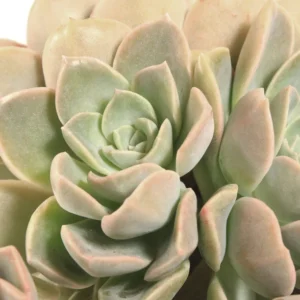
Sold 51 products
Original price was: $43.99.$28.99Current price is: $28.99.
Sold 60 products
Original price was: $39.99.$28.99Current price is: $28.99.
Reviews
There are no reviews yet.