NEED SUPPORT WITH YOUR ORDER? Get in touch
Not satisfied with your purchase?
Enter your Order ID on website, and we'll resolve it right away.











Original price was: $33.99.$13.99Current price is: $13.99.
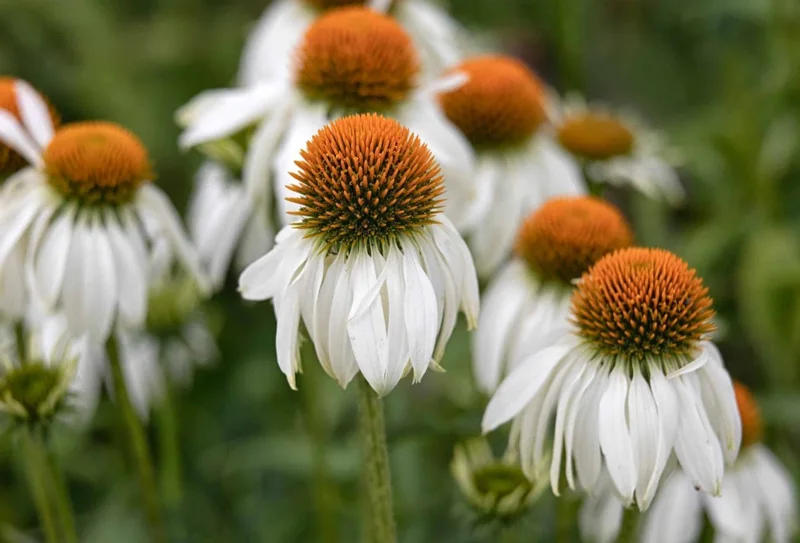
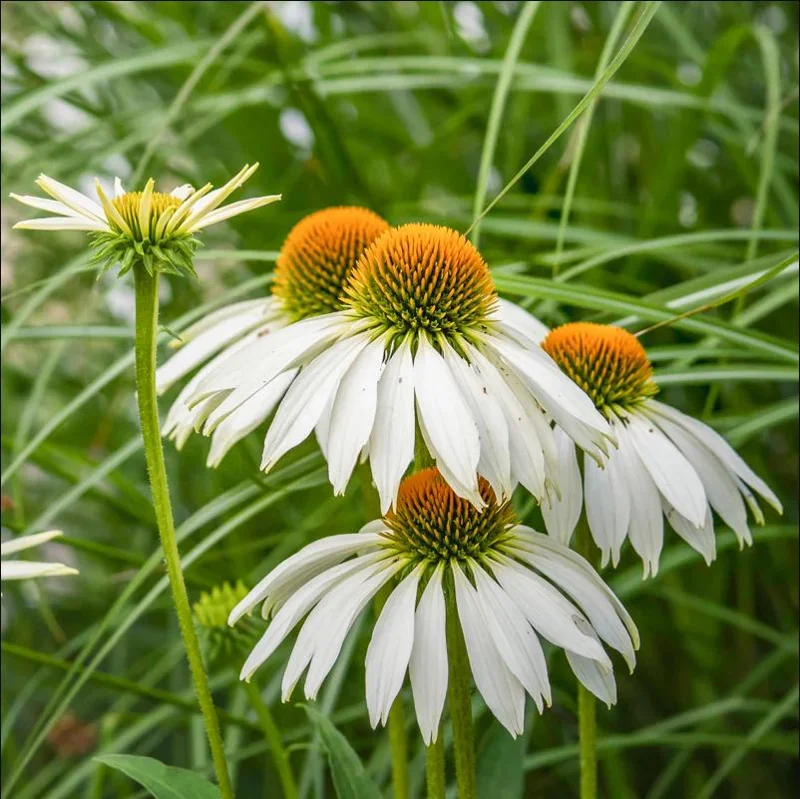
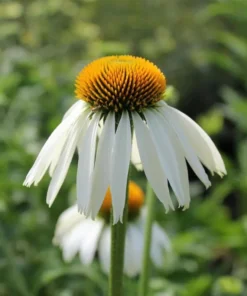
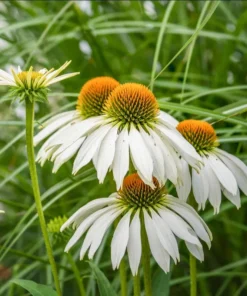
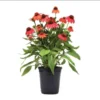
Bring elegance to your garden with a Echinacea White Swan live plant. This well-rooted starter plug is ready for planting, offering beautiful white coneflowers that attract pollinators and thrive in full sun. Ideal for garden beds and borders.
Feb 04
Feb 09 - Feb 11
Feb 14 - Feb 18
USDA Hardiness Zone
Soil Type
Sunlight Exposure
Expected Planting Period
Shipping and return policies: Our Alive & Thrive Guarantee covers issues with your plants within the first 30 days. Get in touch with us via email, and our team will review your concerns and, if necessary, provide you with a one-time replacement at no cost.
If you're unsure about your hardiness zone, feel free to reach out to us. Our team will answer your questions and help you find the plants that are truly suitable for your environment, climate, and personal preferences.
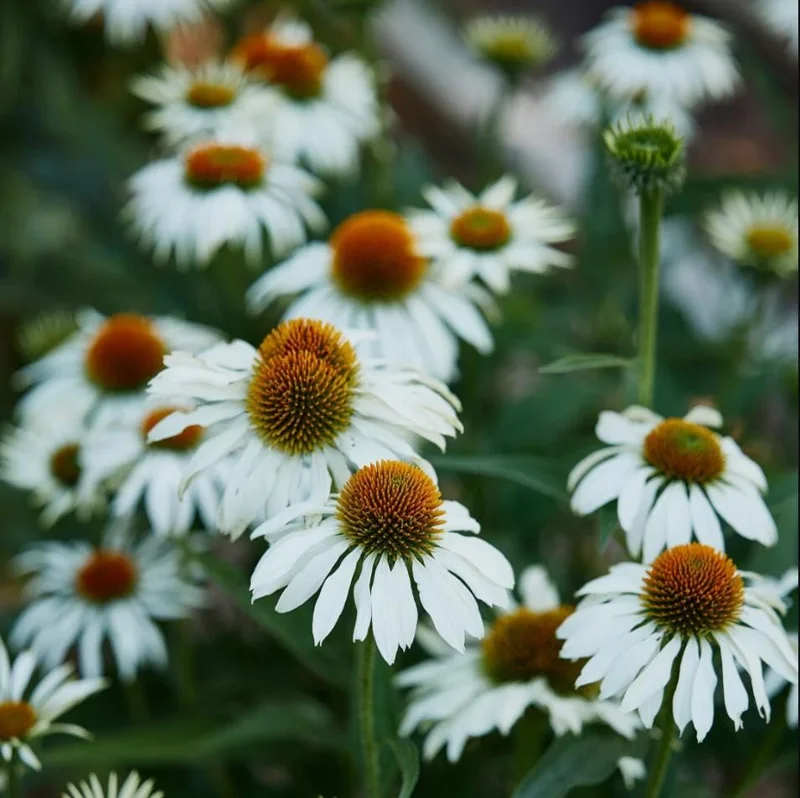
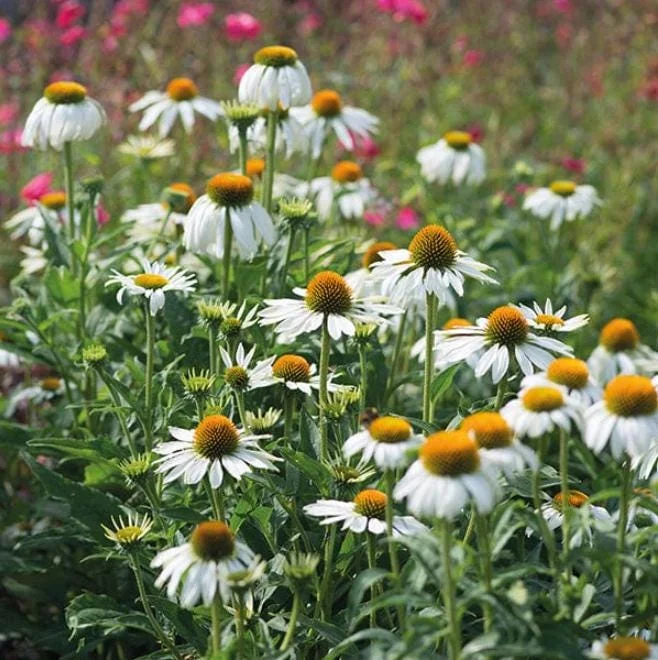
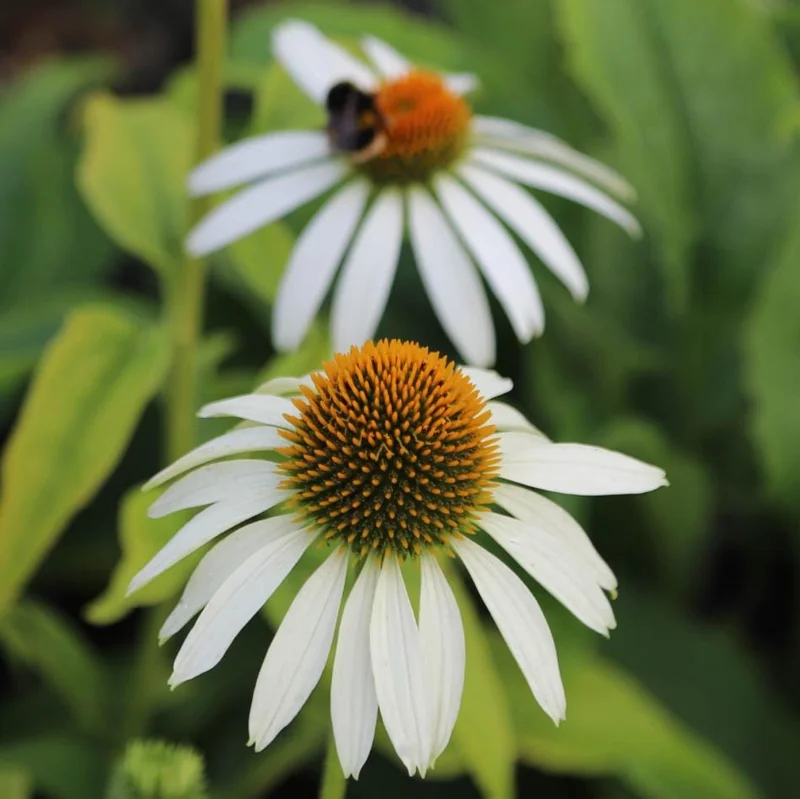
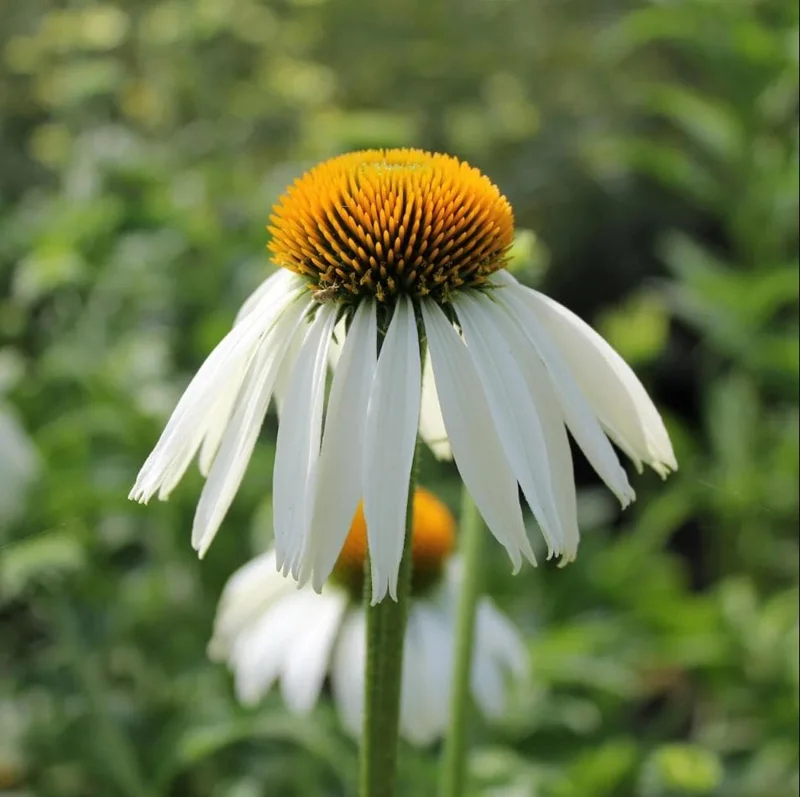
Transform your garden space with the exquisite beauty of a Echinacea White Swan live plant. This offering includes one healthy, well-rooted starter plant, ready to be transplanted into your garden. Renowned for its classic daisy-like blooms with pure white petals surrounding a prominent central cone, the ‘White Swan’ coneflower is a beloved perennial that adds a touch of serene elegance to any landscape. While the photos may depict mature plants, you will receive a vibrant young starter plug, eager to establish and flourish in its new home, eventually gracing your garden with its stunning white flowers. Echinacea, commonly known as coneflower, is celebrated not only for its aesthetic appeal but also for its hardiness and ability to attract beneficial pollinators like bees and butterflies, making it an excellent choice for a vibrant, eco-friendly garden.
The ‘White Swan’ variety stands out with its pristine white petals, offering a refreshing contrast to the more common purple coneflowers. This robust perennial is a low-maintenance addition to perennial borders, cottage gardens, or naturalized areas, providing continuous blooms from summer into fall. Its upright growth habit and strong stems make it an ideal cut flower, bringing the beauty of your garden indoors. Investing in a Echinacea White Swan live plant means cultivating a resilient and rewarding perennial that will return year after year, enhancing your outdoor living space with its charm and ecological benefits.
The Echinacea White Swan live plant offers a multitude of advantages for any gardener, from novice to expert. Its adaptability and striking appearance make it a standout choice for various garden designs.
Caring for your Echinacea White Swan live plant is straightforward, ensuring a vibrant display of white coneflowers for many seasons. These plants are known for their resilience and adaptability, making them a joy to grow.
Light Requirements: ‘White Swan’ coneflowers thrive in full sun, meaning they need at least 6-8 hours of direct sunlight daily for optimal flowering. While they can tolerate light shade, particularly in hotter climates, too much shade will result in fewer blooms and potentially leggier growth. For the most prolific display, choose a sunny spot in your garden.
Watering: During its first growing season, regular watering is crucial to help the plant establish a strong root system. Keep the soil consistently moist but not waterlogged. Once established, this drought tolerant echinacea becomes quite resilient, requiring water only when the top few inches of soil feel dry to the touch. Avoid overwatering, as soggy conditions can lead to root rot. Good drainage is key.
Soil & Fertilization: These plants prefer well-draining, loamy or sandy soil with a neutral to slightly acidic pH (6.0-7.0). Heavy clay soils should be amended with organic matter to improve drainage. While coneflowers are not heavy feeders, a light application of a balanced slow-release fertilizer in spring can encourage vigorous growth and abundant flowering. Avoid excessive nitrogen, which can promote foliage at the expense of blooms.
Temperature & Hardiness: The ‘White Swan’ coneflower is remarkably cold-hardy, thriving in USDA Zones 3-9. It can withstand temperatures down to approximately -34°C (-30°F) once established. It also tolerates heat and humidity well, making it suitable for a wide range of climates across the US. This robust Echinacea plant care ensures its survival through various weather conditions.
Pest and Disease Control: Echinacea is generally pest and disease resistant. Occasionally, you might encounter aphids or Japanese beetles, which can be managed with organic pest control methods or by hand-picking. Ensure good air circulation to prevent fungal issues like powdery mildew, especially in humid conditions.
Your purchase includes one healthy Echinacea White Swan live plant, delivered as a well-rooted starter plug. This young plant is typically grown in a 1.25-inch nursery pot, ensuring its roots are well-developed and ready for successful transplanting into your garden. While the plant you receive will be a young starter without immediate flowers, it is robust and prepared for vigorous growth.
When mature, the ‘White Swan’ coneflower typically reaches a height of 2-3 feet and a spread of 1.5-2 feet, forming an attractive, upright clump. It will begin to produce its characteristic white blooms from mid-summer through fall, providing a long season of interest. This white coneflower starter is designed to give you a head start on cultivating this beautiful perennial in your landscape, maturing into a striking specimen within its first one to two growing seasons.
You must be logged in to post a review.
Sold 58 products
Original price was: $118.99.$88.99Current price is: $88.99.
Sold 71 products
Original price was: $140.99.$98.99Current price is: $98.99.
Sold 77 products
Original price was: $119.98.$59.99Current price is: $59.99.
Sold 55 products
Original price was: $76.99.$46.99Current price is: $46.99.
Sold 84 products
Original price was: $43.90.$33.90Current price is: $33.90.
Sold 88 products
Original price was: $114.99.$84.99Current price is: $84.99.
Sold 80 products
Original price was: $73.99.$43.99Current price is: $43.99.
Sold 82 products
Original price was: $55.98.$27.99Current price is: $27.99.
Reviews
There are no reviews yet.