NEED SUPPORT WITH YOUR ORDER? Get in touch
Not satisfied with your purchase?
Enter your Order ID on website, and we'll resolve it right away.

Original price was: $28.99.$8.99Current price is: $8.99.
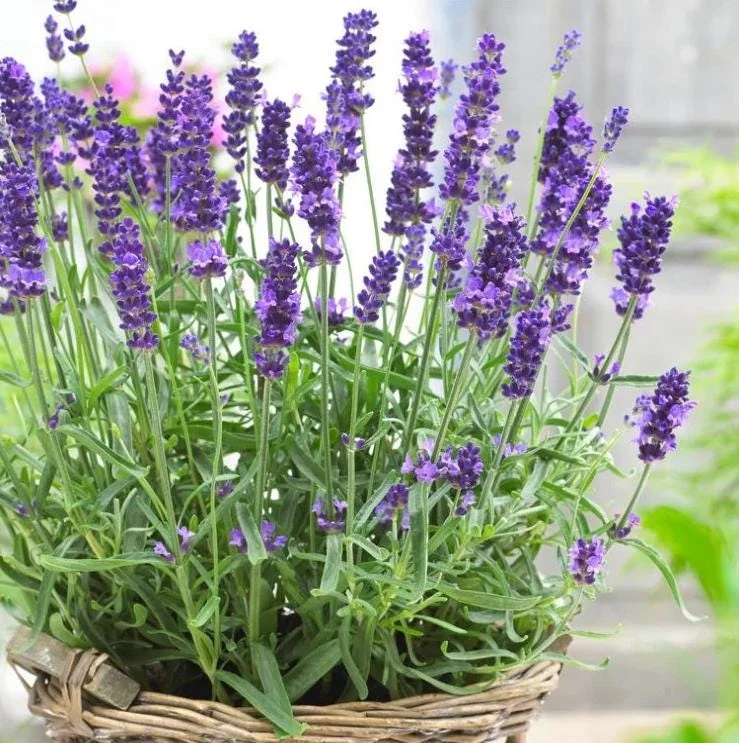
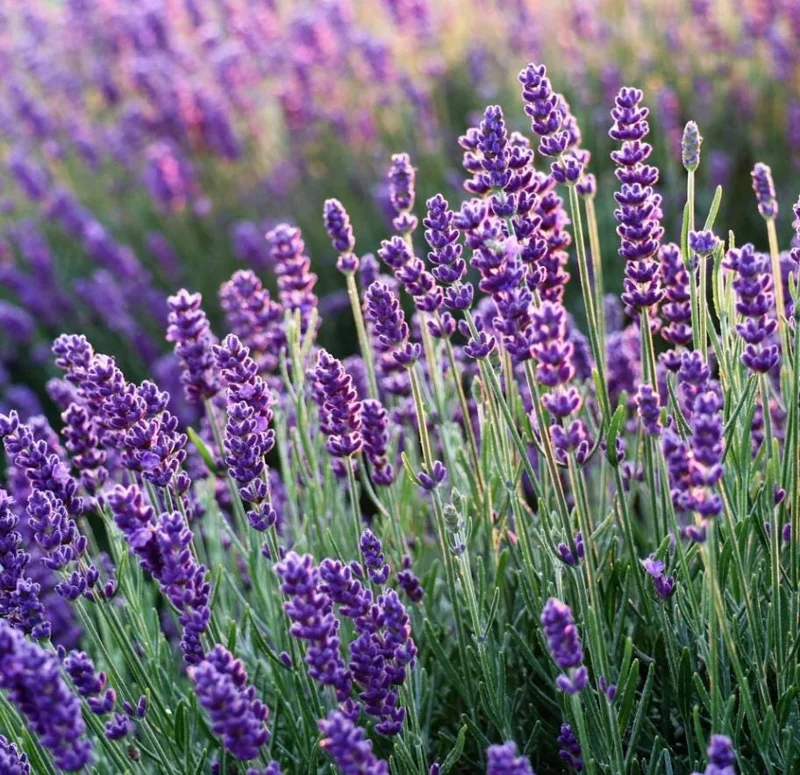
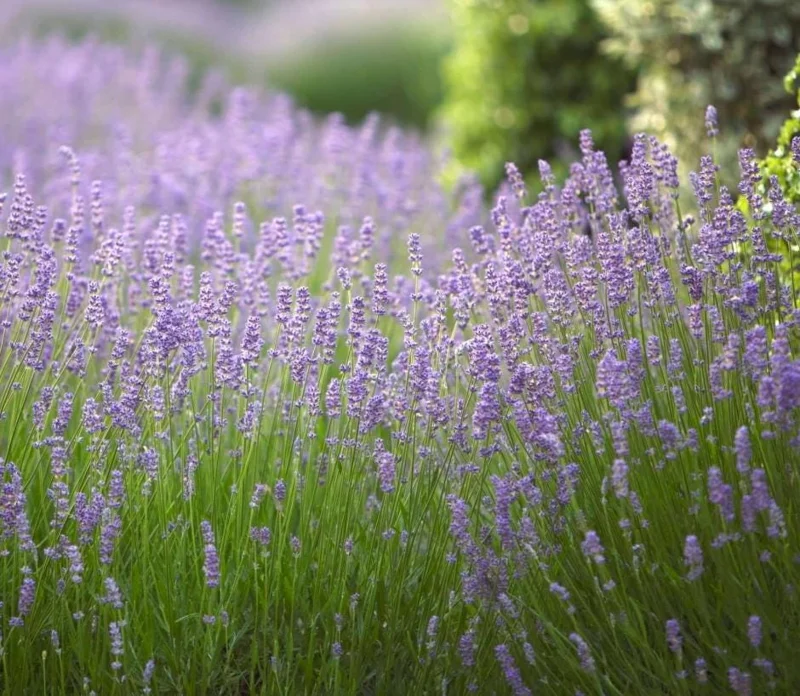
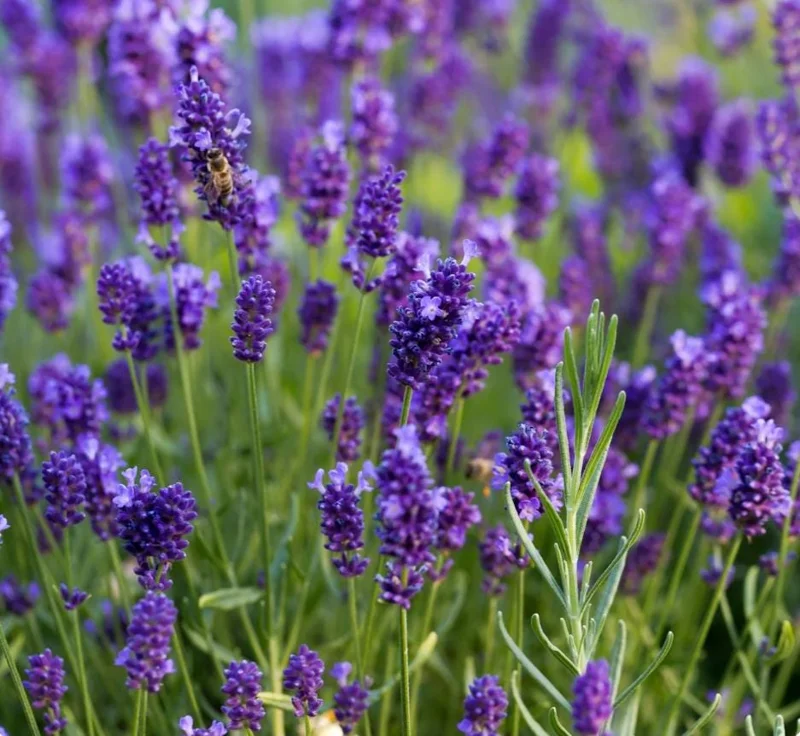
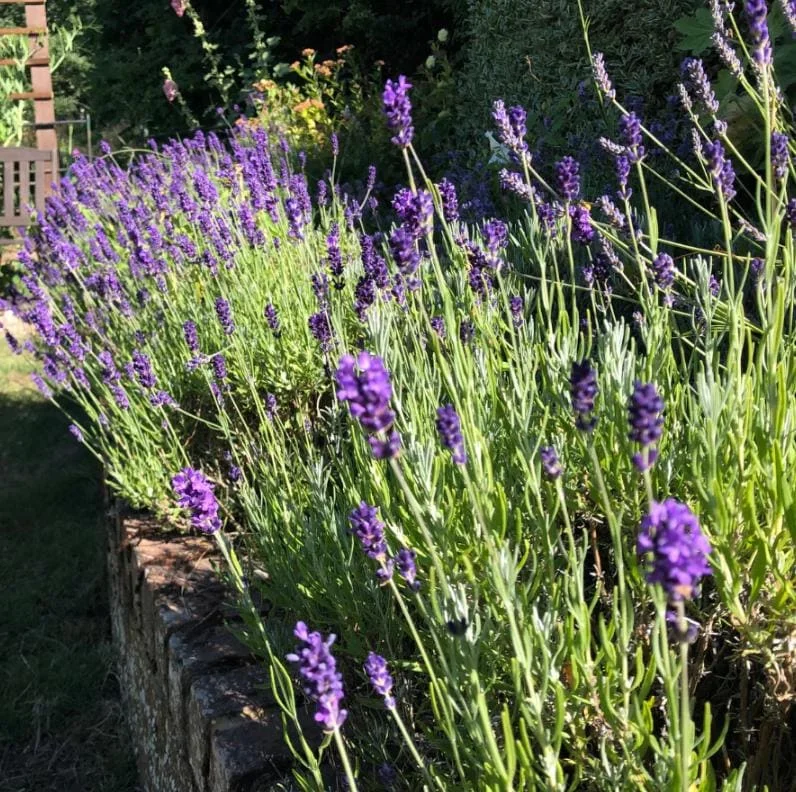
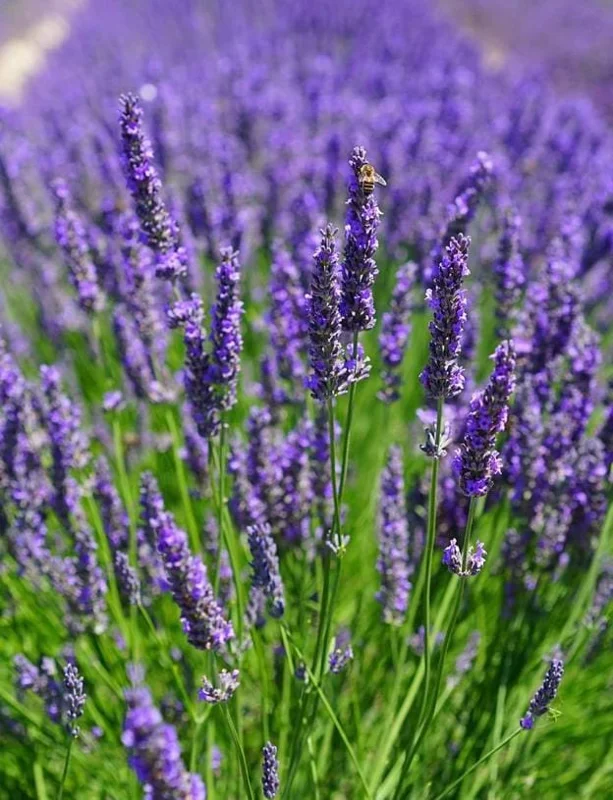
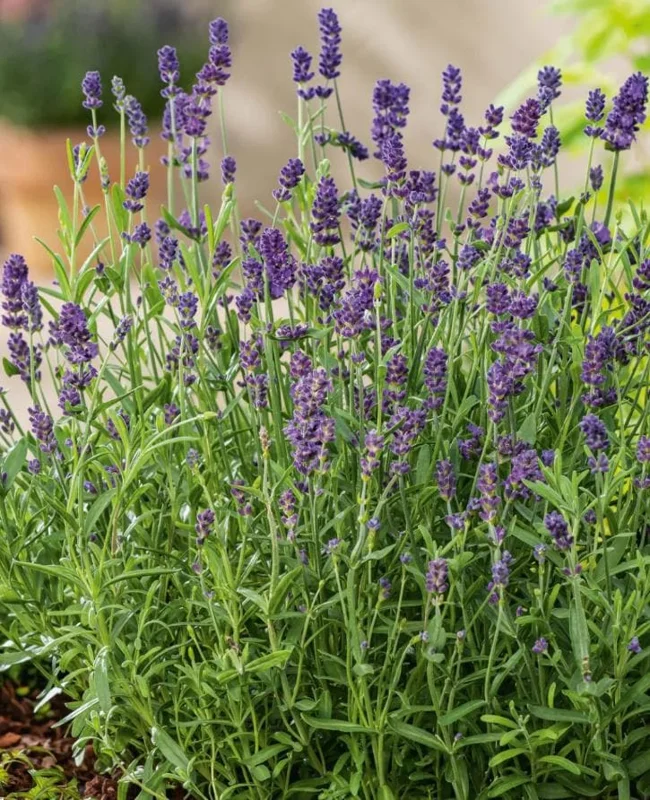
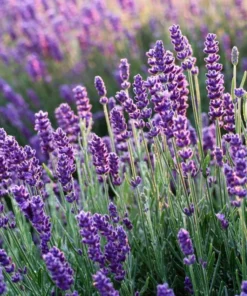
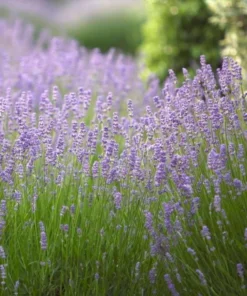
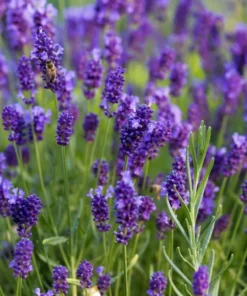
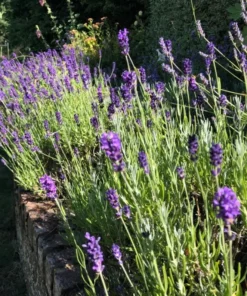
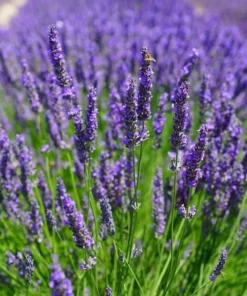
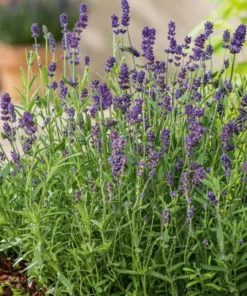
Bring timeless beauty and calming fragrance to your garden with this English Lavender live plant. Perfect for borders, containers, or herb gardens, this 2-4″ tall perennial in a 3″ pot produces beautiful purple flowers, attracting bees and butterflies. Easy to grow and drought-tolerant once established.
Feb 04
Feb 09 - Feb 11
Feb 14 - Feb 18
USDA Hardiness Zone
Soil Type
Sunlight Exposure
Expected Planting Period
Shipping and return policies: Our Alive & Thrive Guarantee covers issues with your plants within the first 30 days. Get in touch with us via email, and our team will review your concerns and, if necessary, provide you with a one-time replacement at no cost.
If you're unsure about your hardiness zone, feel free to reach out to us. Our team will answer your questions and help you find the plants that are truly suitable for your environment, climate, and personal preferences.
Introduce the classic charm and delightful aroma of a English Lavender live plant to your outdoor space. This beloved perennial, scientifically known as Lavandula angustifolia, is celebrated for its stunning purple-blue flowers and distinctive, soothing fragrance. Originating from the Mediterranean, English Lavender is a robust and hardy plant that thrives in sunny conditions, making it an excellent choice for a variety of garden settings. Our live plant arrives ready for planting, measuring 2-4 inches tall in a convenient 3-inch pot, ensuring a healthy start for your garden. Whether you’re creating a fragrant herb garden, a vibrant flower bed, or simply adding a touch of elegance to your patio, this hardy lavender plant is a perfect selection for gardeners seeking beauty and resilience.
Cultivating purple lavender plant varieties like English Lavender is not only rewarding for its aesthetic appeal but also for its practical uses. The aromatic foliage and blooms can be harvested for sachets, essential oils, or culinary endeavors. This particular variety is known for its compact growth habit and consistent bloom production, offering a long season of color and scent. With proper care, your English Lavender will establish quickly and become a cherished part of your landscape, inviting beneficial pollinators like bees and butterflies to your garden.
Choosing an English Lavender live plant offers a multitude of benefits, from enhancing your garden’s beauty to providing a natural and calming atmosphere. This versatile perennial is a must-have for any garden enthusiast.
Proper care is essential for a thriving English Lavender live plant. Choosing the right location and providing appropriate growing conditions will ensure your plant flourishes and produces abundant, fragrant blooms. English Lavender prefers a sunny spot with well-drained soil, mimicking its native Mediterranean habitat.
For optimal growth, plant your purple lavender plant in a location that receives at least 6-8 hours of direct sunlight daily. Good air circulation is also important to prevent fungal diseases. When it comes to soil, English Lavender thrives in well-drained, sandy or loamy soil with a neutral to slightly alkaline pH. Avoid heavy clay soils that retain too much moisture, as this can lead to root rot. If your soil is heavy, amend it with sand or grit to improve drainage. Spacing plants 12-18 inches apart will allow for adequate air flow and growth. These lavender care tips are crucial for healthy development.
Water deeply but infrequently, allowing the soil to dry out completely between waterings. English Lavender is drought-tolerant once established, so overwatering is a common mistake. During the first growing season, consistent watering is important to help the plant establish its root system. This hardy lavender plant is suitable for USDA Zones 5-9. Pruning is vital for maintaining a compact shape and encouraging new growth and a second flush of blooms. Prune after the main flowering period in late summer or early fall, removing spent flower stalks and trimming back about one-third of the green growth. Avoid cutting into old woody stems. Fertilization is generally not needed; lavender prefers lean soil conditions. If growing in pots, ensure good drainage holes and use a sandy potting mix. Container plants may need more frequent watering than those in the ground.
Our English Lavender live plant arrives as a healthy, young specimen, ready for transplanting into your garden or a larger container. Each plant measures approximately 2-4 inches tall from the soil line and is delivered in a 3-inch nursery pot. This size is ideal for establishing a robust root system and ensuring a smooth transition to its permanent home. English Lavender typically grows into a compact, bushy plant, reaching mature dimensions of 18-24 inches in height and spread, depending on growing conditions and pruning habits.
This perennial flower will bloom from late spring to early summer, often producing a lighter second bloom in late summer if deadheaded. The growth rate is moderate, allowing it to establish itself well within the first season. When planting, consider its mature size to provide adequate space. The plant is shipped in its pot with soil, carefully packaged to ensure it arrives in excellent condition, ready to thrive and become a beautiful, fragrant lavender for garden enjoyment.
You must be logged in to post a review.
Sold 59 products
Original price was: $49.96.$24.98Current price is: $24.98.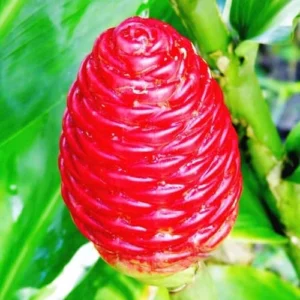
Flower Bulbs
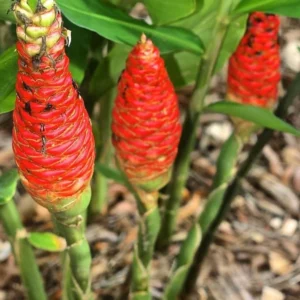
Shampoo Ginger Roots Pack – 10 Awapuhi Zingiber Zerumbet Rhizomes for Perennial Gardens
Sold 94 products
Original price was: $55.98.$27.99Current price is: $27.99.
Sold 70 products
Original price was: $69.98.$34.99Current price is: $34.99.
Sold 73 products
Original price was: $51.98.$25.99Current price is: $25.99.
Sold 91 products
Original price was: $33.98.$16.99Current price is: $16.99.
Sold 86 products
Original price was: $53.98.$26.99Current price is: $26.99.
Sold 86 products
Original price was: $107.98.$53.99Current price is: $53.99.
Sold 70 products
Original price was: $37.94.$18.97Current price is: $18.97.
Reviews
There are no reviews yet.