NEED SUPPORT WITH YOUR ORDER? Get in touch
Not satisfied with your purchase?
Enter your Order ID on website, and we'll resolve it right away.

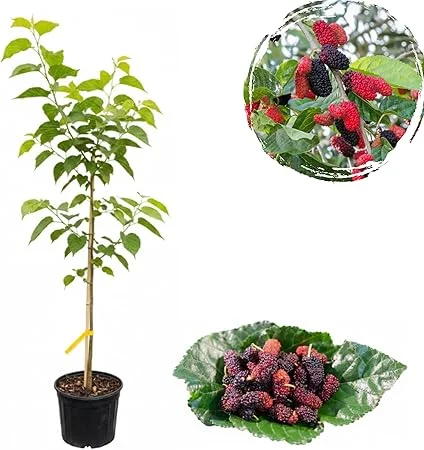
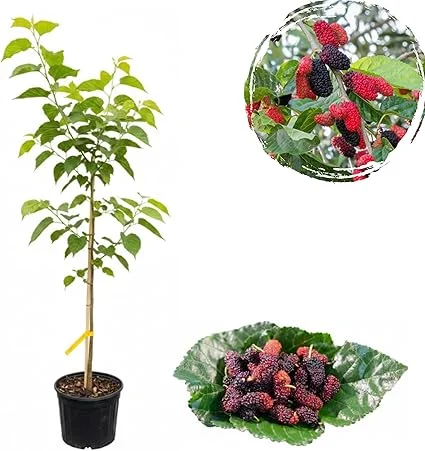
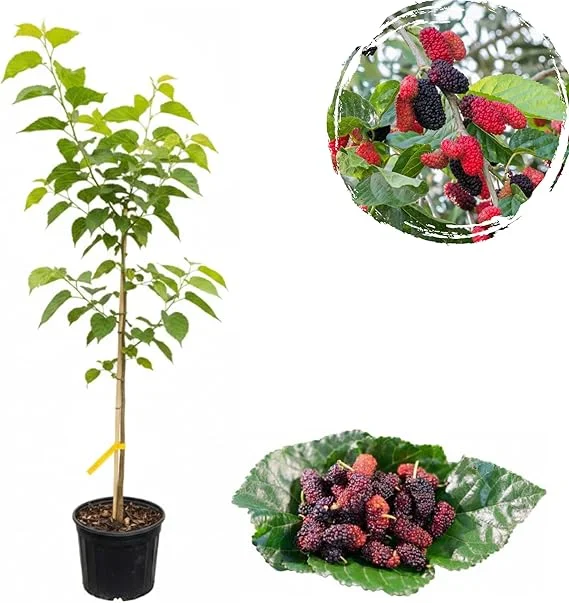
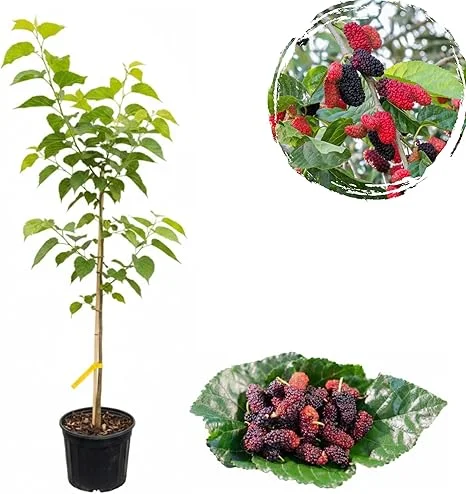
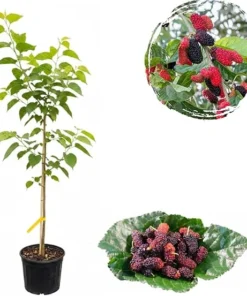
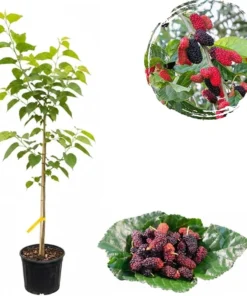
Original price was: $170.00.$150.00Current price is: $150.00.
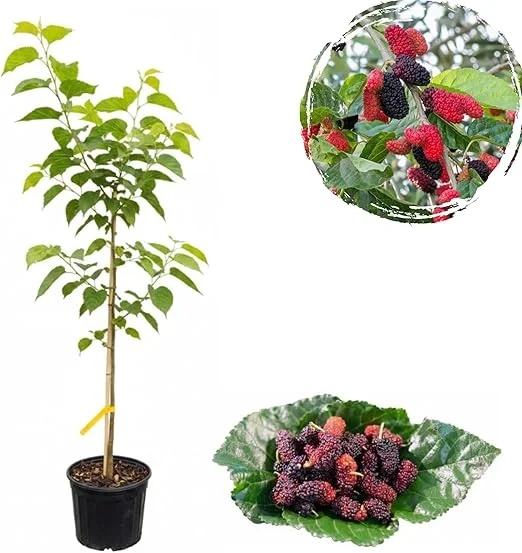
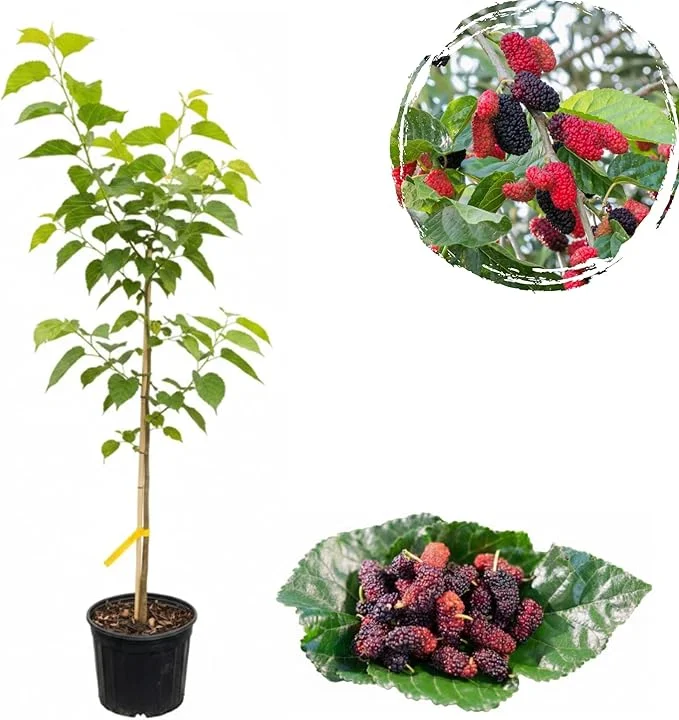
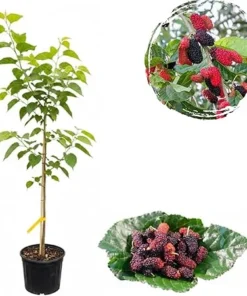
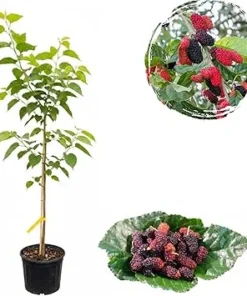
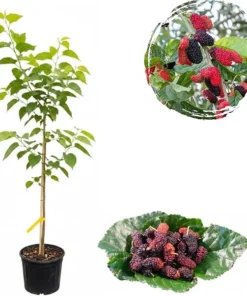
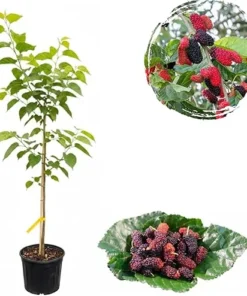
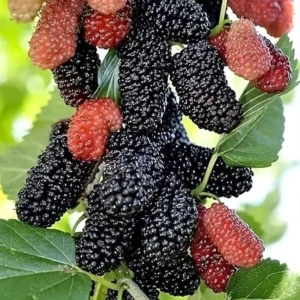
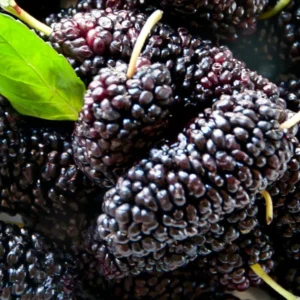
Bring the joy of fresh fruit to your garden with this everbearing mulberry tree. This productive black mulberry plant is a vigorous grower, offering a bountiful harvest of delicious berries. Perfect for home landscapes, it’s a fantastic choice for gardeners seeking an easy-to-grow fruit bush.
Feb 08
Feb 13 - Feb 15
Feb 18 - Feb 22
USDA Hardiness Zone
Soil Type
Sunlight Exposure
Expected Planting Period
Shipping and return policies: Our Alive & Thrive Guarantee covers issues with your plants within the first 30 days. Get in touch with us via email, and our team will review your concerns and, if necessary, provide you with a one-time replacement at no cost.
If you're unsure about your hardiness zone, feel free to reach out to us. Our team will answer your questions and help you find the plants that are truly suitable for your environment, climate, and personal preferences.
Introduce a delightful and productive addition to your garden with the everbearing mulberry tree. This robust and attractive live plant is renowned for its continuous fruiting habit, providing a steady supply of sweet, dark berries throughout the growing season. Unlike many fruit trees that offer a single harvest, this black mulberry plant lives up to its ‘everbearing’ name, ensuring you have fresh mulberries from late spring through summer. Ideal for home gardeners, this fruit bush not only provides delicious edibles but also adds significant ornamental value to any landscape. It’s a fantastic choice for those interested in sustainable gardening and enjoying homegrown produce.
The everbearing mulberry tree is a resilient and adaptable species, making it suitable for a wide range of growing conditions across the United States. Its ability to produce fruit over an extended period makes it a highly desirable plant for both novice and experienced gardeners. Whether you’re looking to start a small orchard or simply add a unique fruiting specimen to your yard, this mulberry tree promises a rewarding experience with minimal fuss. Learn about growing mulberry trees and enjoy the bounty.
Cultivating an everbearing mulberry tree offers numerous advantages, from its generous fruit production to its ease of care. Here are some of the standout benefits:
To ensure your everbearing mulberry tree thrives and produces abundant fruit, proper care is essential. This plant is generally forgiving, but understanding its basic needs will lead to the best results. For optimal growth and fruiting, a location with full sun is preferable, meaning at least 6-8 hours of direct sunlight per day. While it can tolerate partial sun, more sun will lead to more fruit. Choose a spot where the tree has ample space to grow, as mulberry trees can reach a significant size.
When it comes to watering, consistent moisture is key during the establishment phase. Once your black mulberry plant is well-rooted, it becomes quite tolerant of drier conditions. However, regular watering during prolonged dry spells, especially when the tree is fruiting, will encourage better berry production. The soil should be well-draining garden soil; mulberries do not like ‘wet feet.’ A pH range of 6.0 to 7.0 is ideal. Amend heavy clay soils with organic matter to improve drainage, or sandy soils to improve water retention. A good layer of mulch around the base of the tree will help retain soil moisture and regulate soil temperature.
Fertilization can be done in early spring with a balanced slow-release fertilizer or a compost application. Avoid over-fertilizing, especially with high-nitrogen formulas, as this can promote leafy growth at the expense of fruit production. Pruning is typically done in late winter or early spring to remove dead, damaged, or crossing branches, and to maintain a desirable shape and size. This also improves air circulation and light penetration, which are crucial for fruit development and preventing diseases. Understanding mulberry plant care will ensure a healthy, productive tree for years to come.
This everbearing mulberry tree is supplied as a live plant, typically measuring 2 to 3 feet tall at the time of shipment. It comes planted in a 3-gallon nursery pot, providing a well-established root system for successful transplanting into your garden or a larger container. The plant is ready to be placed directly into its permanent location upon arrival, ensuring a strong start. Mulberry trees are known for their relatively fast growth rate, quickly developing into a substantial fruit bush or small tree.
As a mature specimen, the everbearing mulberry tree can reach heights of 20 to 30 feet, with a similar spread, though it can be kept smaller with regular pruning. The vigorous growth habit means you can expect a good harvest within a few years of planting. The berries are typically black when ripe, offering a sweet and juicy flavor. This plant is suitable for USDA Hardiness Zones 5–10, demonstrating its adaptability to a wide range of climates across the US. It’s a robust and long-lived addition to any fruit-producing landscape, offering years of delicious harvests from your very own mulberry fruit bush.
You must be logged in to post a review.

Sold 62 products
Original price was: $243.98.$121.99Current price is: $121.99.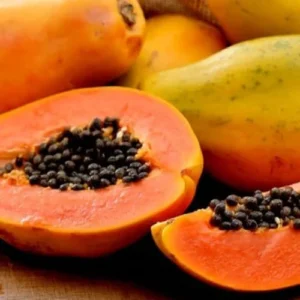
Sold 93 products
Original price was: $59.98.$29.99Current price is: $29.99.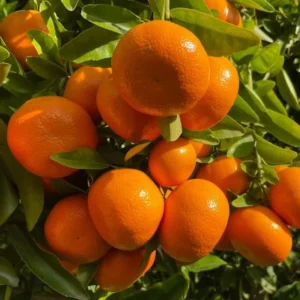
Sold 65 products
Original price was: $258.98.$129.49Current price is: $129.49.
Sold 60 products
Original price was: $219.98.$109.99Current price is: $109.99.
Sold 60 products
Original price was: $319.98.$159.99Current price is: $159.99.
Sold 67 products
Original price was: $99.98.$49.99Current price is: $49.99.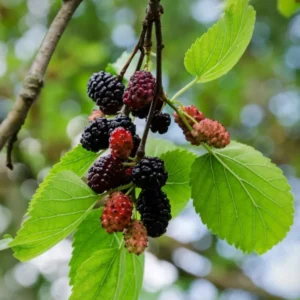
Sold 51 products
Original price was: $55.98.$27.99Current price is: $27.99.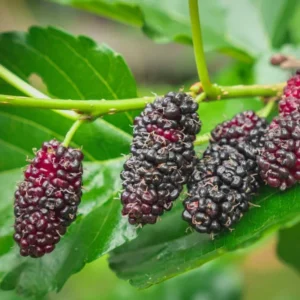
Sold 92 products
Original price was: $48.98.$24.49Current price is: $24.49.
Reviews
There are no reviews yet.