NEED SUPPORT WITH YOUR ORDER? Get in touch
Not satisfied with your purchase?
Enter your Order ID on website, and we'll resolve it right away.

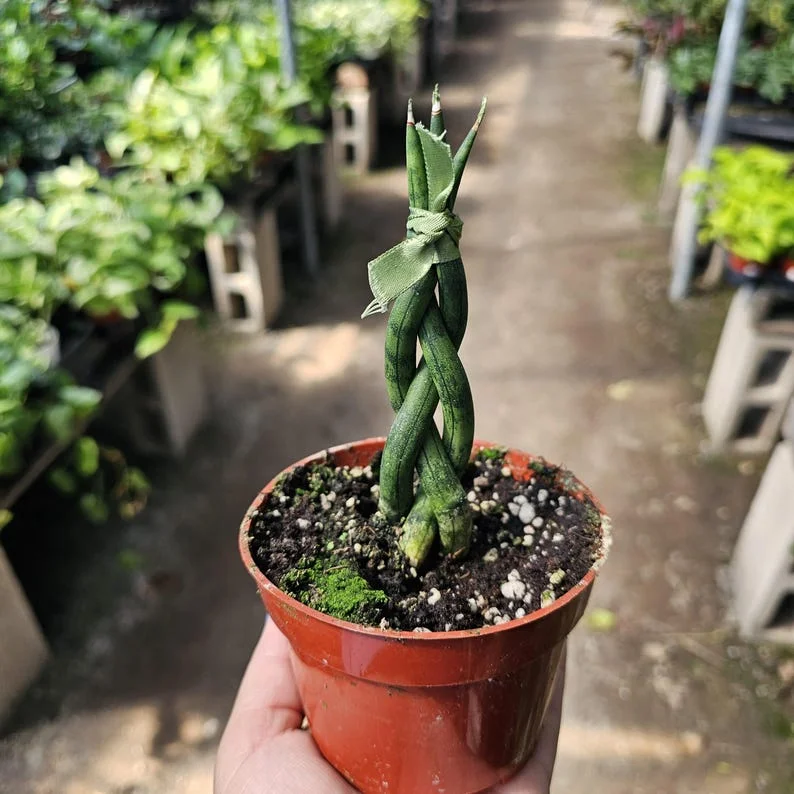
Original price was: $51.98.$38.99Current price is: $38.99.
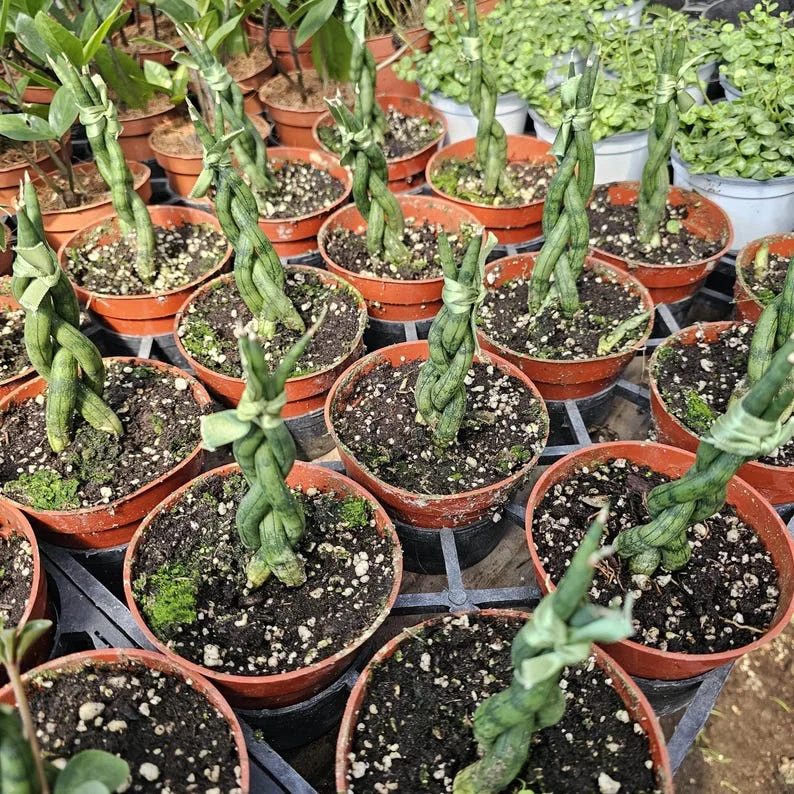
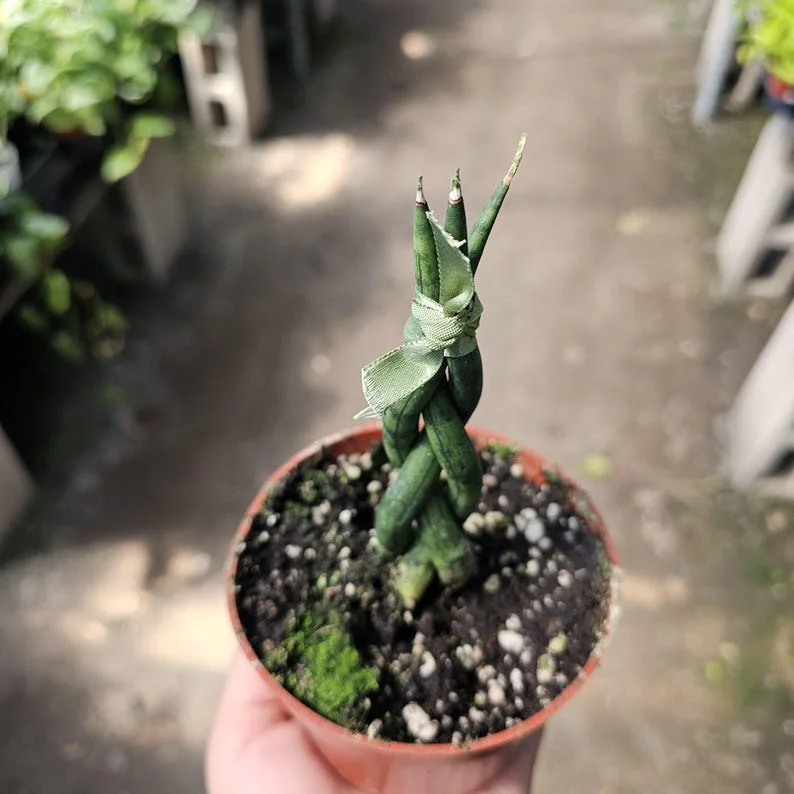
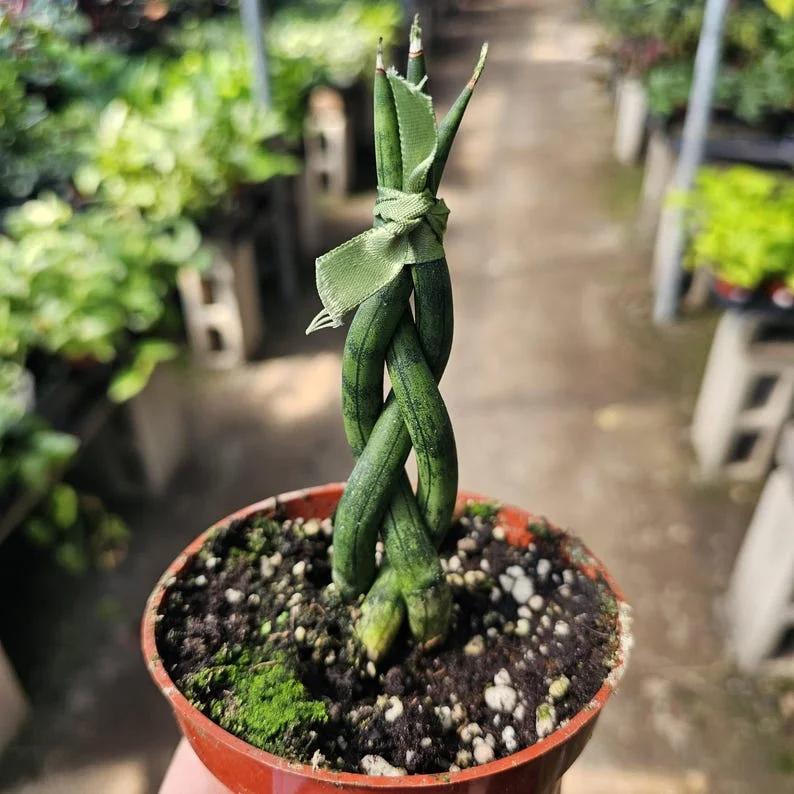
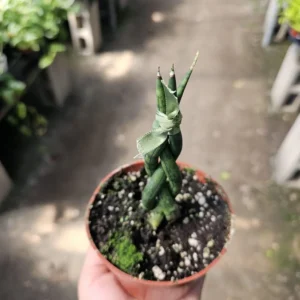
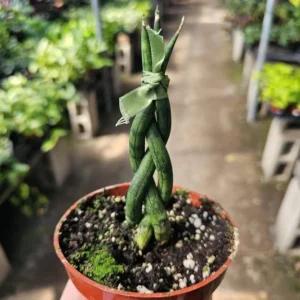
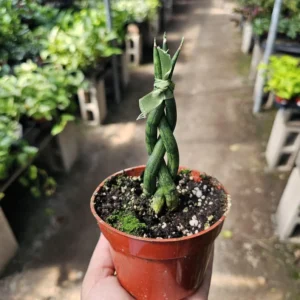
Add natural beauty to your home with the unique braided snake plant. This beautiful air purifying houseplant is incredibly low-maintenance, perfect for beginners or busy individuals. It arrives in a 4-inch pot, ready to display and enjoy, thriving in various indoor lighting conditions.
Feb 04
Feb 09 - Feb 11
Feb 14 - Feb 18
USDA Hardiness Zone
Soil Type
Sunlight Exposure
Expected Planting Period
Shipping and return policies: Our Alive & Thrive Guarantee covers issues with your plants within the first 30 days. Get in touch with us via email, and our team will review your concerns and, if necessary, provide you with a one-time replacement at no cost.
If you're unsure about your hardiness zone, feel free to reach out to us. Our team will answer your questions and help you find the plants that are truly suitable for your environment, climate, and personal preferences.
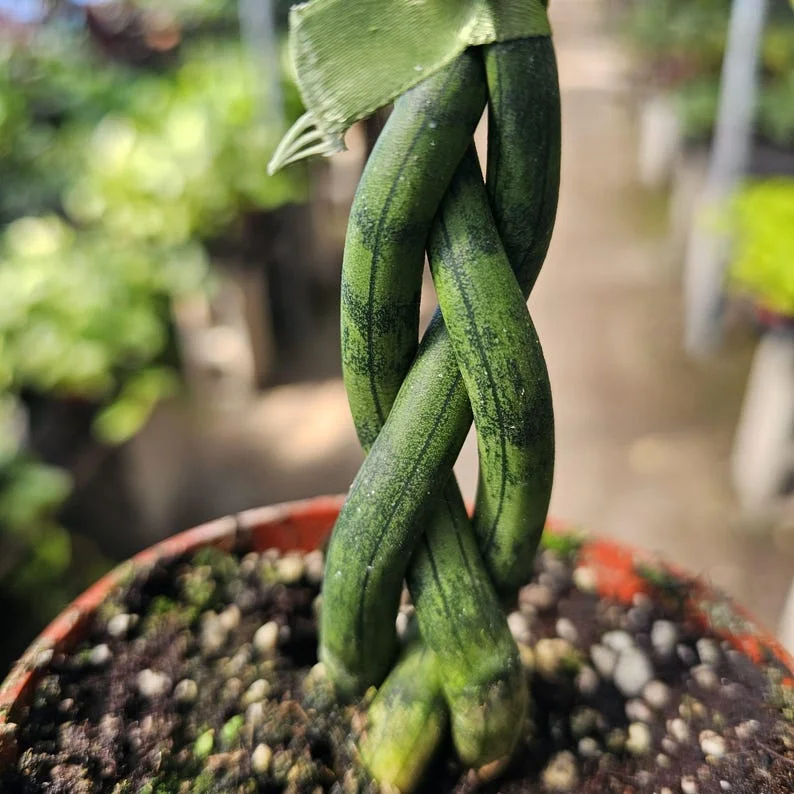
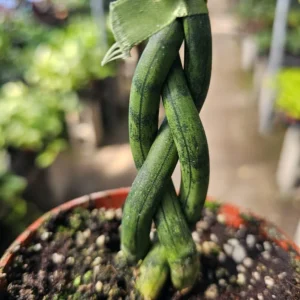
Introduce a touch of sophisticated greenery to your indoor environment with the stunning braided snake plant. Also known as Sansevieria ‘Fernwood’ or Sansevieria cylindrica ‘Boncel’, this unique live plant is celebrated for its distinctive braided foliage and exceptional resilience. It’s an ideal choice for both novice and experienced plant enthusiasts, offering both aesthetic appeal and practical benefits. Each braided snake plant arrives in a convenient 4-inch pot, making it perfectly sized for desks, shelves, or as an accent piece in any room. This remarkable houseplant not only beautifies your space but also contributes to a healthier living atmosphere, making it a truly valuable addition to your home or office.
The ‘Fernwood’ variety of sansevieria fernwood is particularly known for its compact growth and the intriguing texture created by its braided leaves. This natural sculpture adds an architectural element to your decor, drawing the eye without demanding constant attention. As a robust indoor plant, it tolerates a range of conditions, making it forgiving for those new to plant care. Elevate your interior design with this stylish and easy-to-manage green companion.
The braided snake plant offers a multitude of benefits that extend beyond its striking appearance, making it a popular choice for enhancing indoor spaces. Its hardiness and air-purifying qualities contribute to both a more beautiful and healthier home.
Caring for your braided snake plant is remarkably straightforward, making it an excellent choice for anyone seeking a resilient and undemanding houseplant. The key to successful snake plant care lies in understanding its basic needs and avoiding common pitfalls like overwatering. This plant thrives on a ‘less is more’ approach when it comes to attention.
For sunlight, the indoor snake plant prefers bright, indirect light but is highly tolerant of lower light conditions. Avoid direct, harsh sunlight, especially during the hottest parts of the day, as this can scorch its leaves. A spot near a window with filtered light or even a north-facing window would be ideal. When it comes to watering, allow the soil to dry out completely between waterings. Overwatering is the most common cause of issues for snake plants, leading to root rot. Typically, watering every 2-4 weeks is sufficient, but always check the soil moisture before watering. Ensure your pot has drainage holes to prevent water from sitting at the bottom.
The ideal soil for a braided snake plant is a well-draining potting mix. A cactus or succulent mix works wonderfully, or you can amend regular potting soil with perlite or coarse sand to improve drainage. This plant prefers average room temperatures, generally between 65-80°F (18-27°C), and can tolerate normal household humidity. It is not frost-tolerant, so keep it away from cold drafts. Fertilization is rarely needed; a balanced liquid fertilizer diluted to half strength once or twice during the growing season (spring and summer) is more than enough. Repotting is only necessary when the plant becomes root-bound, typically every 2-3 years, and choose a pot only slightly larger than the current one to prevent excess moisture retention.
This braided snake plant is a live plant specimen, carefully cultivated to showcase its distinctive braided form. It is shipped in a 4-inch nursery pot, providing a stable and ready-to-display foundation upon arrival. The plant’s height typically ranges from 12 to 18 inches when in its 4-inch pot, offering a perfect compact size for various indoor settings. With proper care and eventual repotting, this variety can potentially reach mature heights of 2-3 feet, adding a significant vertical element to your decor over time. Its growth rate is moderate, allowing you to enjoy its current size for a considerable period before needing to upgrade its container. The plant arrives healthy and established, ready to adapt to its new home and begin its journey as a long-lasting, beautiful houseplant.
You must be logged in to post a review.
Sold 99 products
Original price was: $49.99.$29.99Current price is: $29.99.
Sold 76 products
Original price was: $90.99.$70.99Current price is: $70.99.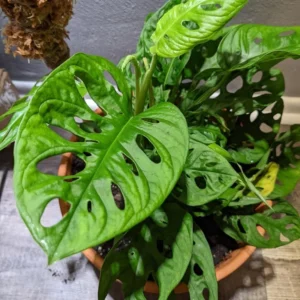
Sold 90 products
Original price was: $43.98.$21.99Current price is: $21.99.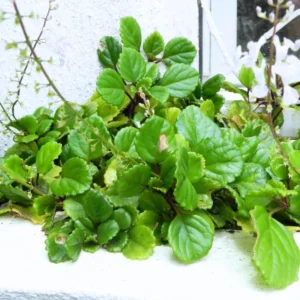
Sold 80 products
Original price was: $37.98.$18.99Current price is: $18.99.
Sold 54 products
Original price was: $69.99.$43.99Current price is: $43.99.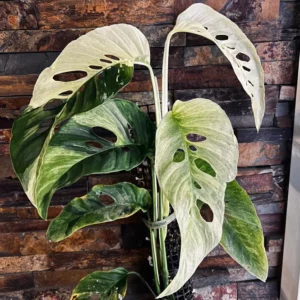
Sold 93 products
Original price was: $139.99.$119.99Current price is: $119.99.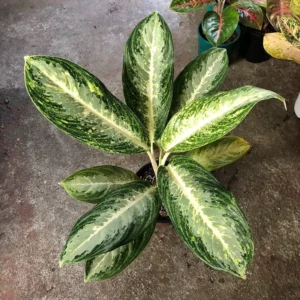
Sold 56 products
Original price was: $45.99.$30.99Current price is: $30.99.
Sold 83 products
Original price was: $46.99.$32.99Current price is: $32.99.

Reviews
There are no reviews yet.