NEED SUPPORT WITH YOUR ORDER? Get in touch
Not satisfied with your purchase?
Enter your Order ID on website, and we'll resolve it right away.

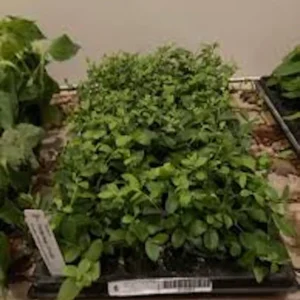
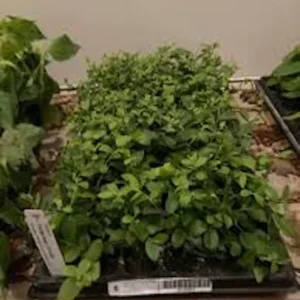
Original price was: $42.99.$28.99Current price is: $28.99.
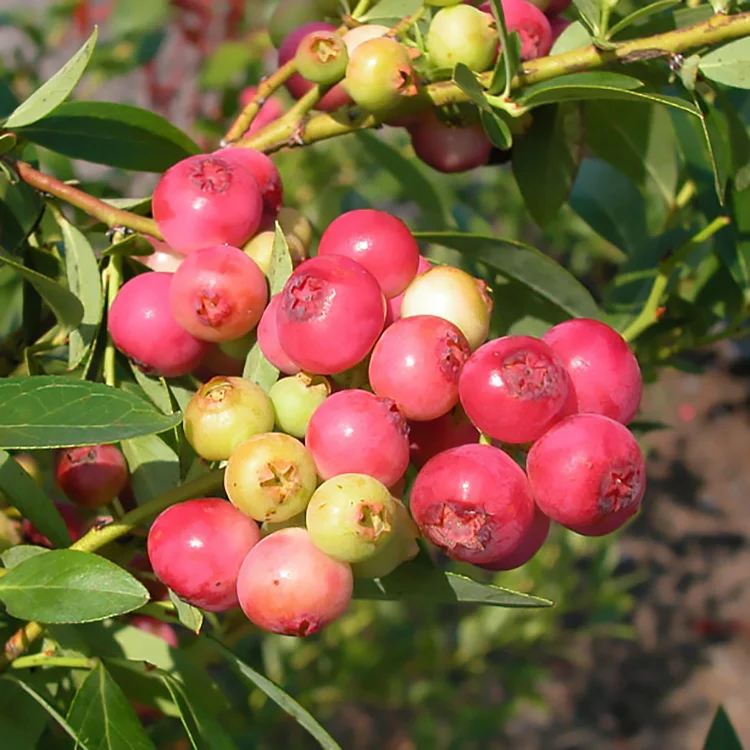
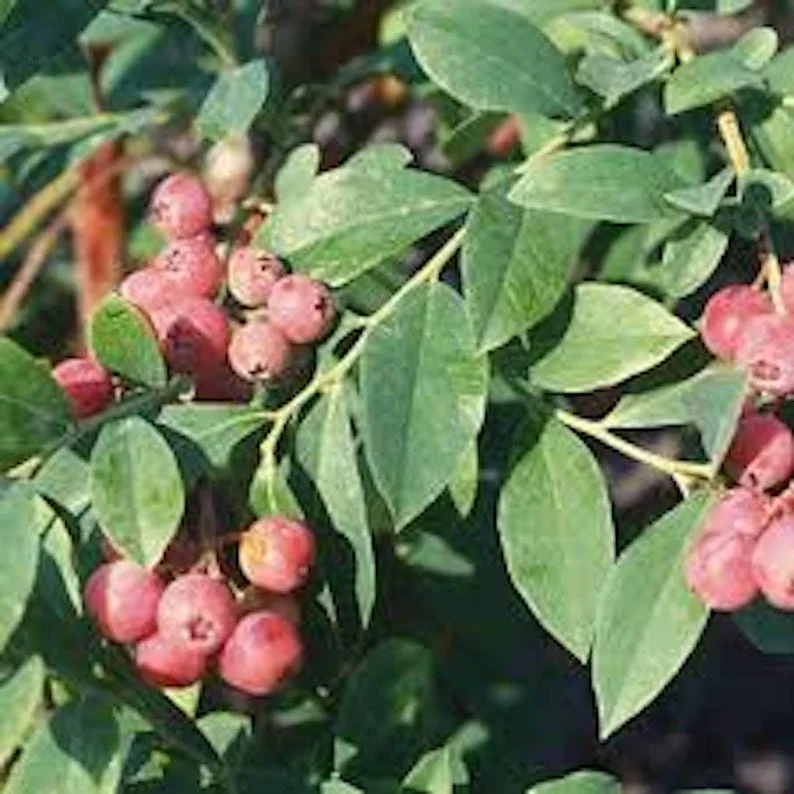
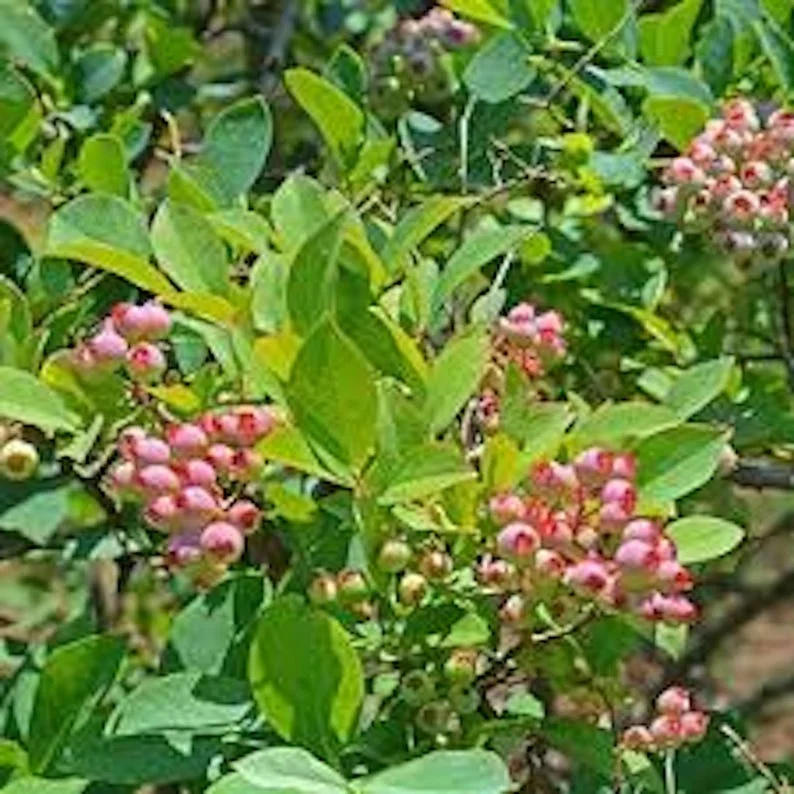
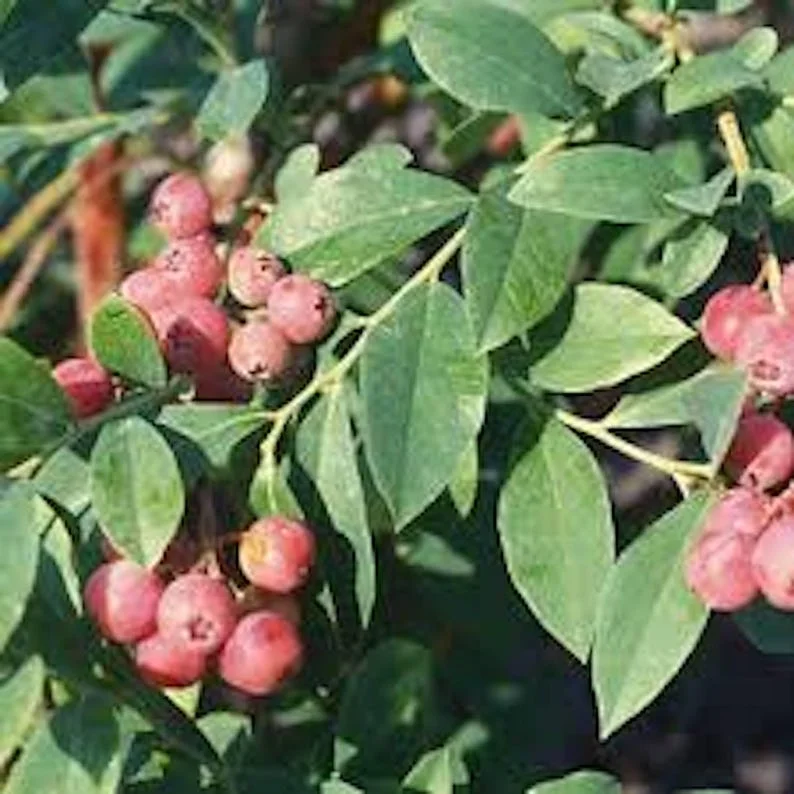
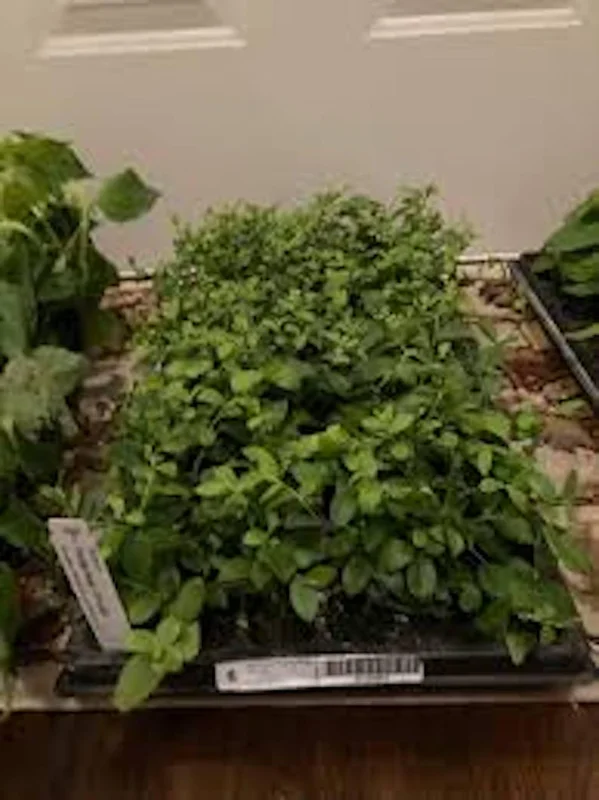
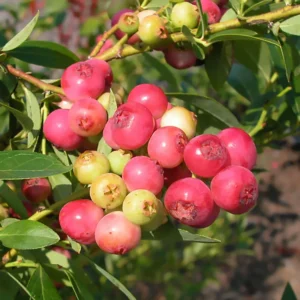
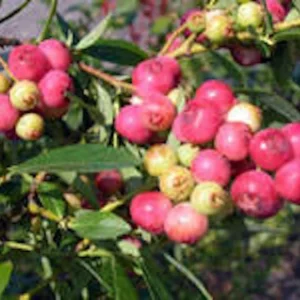
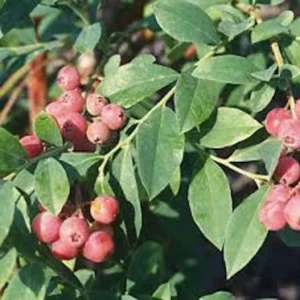
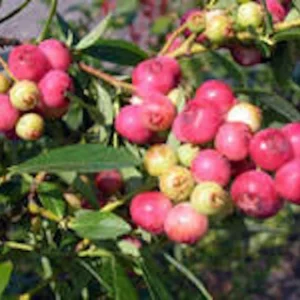
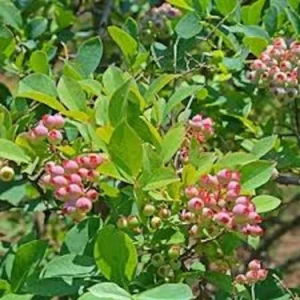
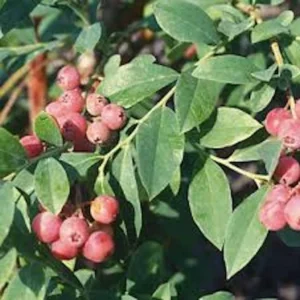
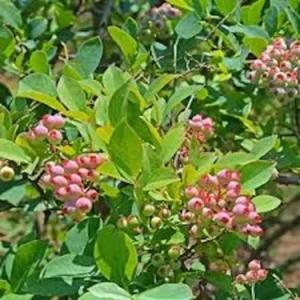
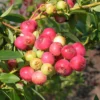
Cultivate your own sweet and vibrant fruit with this rabbiteye blueberry plant. A delightful highbush blueberry plant, it yields stunning pink fruit early in the season. Perfect for home gardeners seeking a delicious and beautiful addition to their landscape.
Feb 04
Feb 09 - Feb 11
Feb 14 - Feb 18
USDA Hardiness Zone
Soil Type
Sunlight Exposure
Expected Planting Period
Shipping and return policies: Our Alive & Thrive Guarantee covers issues with your plants within the first 30 days. Get in touch with us via email, and our team will review your concerns and, if necessary, provide you with a one-time replacement at no cost.
If you're unsure about your hardiness zone, feel free to reach out to us. Our team will answer your questions and help you find the plants that are truly suitable for your environment, climate, and personal preferences.
Experience the joy of growing your own delicious fruit with our exceptional rabbiteye blueberry plant. This unique and highly desirable rabbiteye-southern highbush hybrid is a standout variety, known for its stunning bright pink to red fruit that adds both beauty and deliciousness to any garden. As a perennial fruit plant, it offers years of bountiful harvests. The large, firm berries boast excellent flavor, making them a perfect choice for home gardeners and those interested in pick-your-own operations. This particular variety is especially well-suited for areas with lower chilling requirements compared to other pink rabbiteye varieties, ensuring wider adaptability and success for growers across various climates. Get ready to enjoy fresh, homegrown blueberries right from your backyard.
The rabbiteye blueberry plant (Vaccinium spp.) is not only practical for fruit production but also an aesthetic delight. Its vibrant pink fruit introduces a touch of novelty and charm to home gardens and nurseries, making it a conversation starter. Compared to many other popular pink varieties, this blueberry offers larger berries and an earlier harvest period, positioning it as a superior choice for many growers. Whether you are a seasoned gardener with years of experience or just starting your journey into fruit cultivation, this blueberry is a rewarding plant to grow. Consider enhancing your pollination and increasing your overall harvest by adding other rabbiteye blueberry varieties alongside this wonderful specimen.
Adding a rabbiteye blueberry plant to your garden brings a multitude of benefits, combining both aesthetic appeal and practical fruit production. This robust plant is designed to thrive and provide abundant harvests with proper care.
Ensuring your rabbiteye blueberry plant thrives requires attention to specific growing conditions and care practices. This variety is relatively easy to cultivate, but understanding its needs will lead to the best fruit production. First and foremost, choose a planting site that receives full sun to partial shade; at least 6-8 hours of direct sunlight daily is ideal for optimal fruiting. This highbush blueberry plant is suitable for USDA hardiness zones 6b through 9a, making it a versatile choice for many regions. Adequate air circulation is also important to prevent fungal diseases.
Soil conditions are critical for a healthy rabbiteye blueberry plant. Blueberries prefer well-drained, acidic soil with a pH between 4.5 and 5.5. If your soil is not naturally acidic, you may need to amend it with sulfur or peat moss to lower the pH. Consistent watering is essential, especially during dry periods and when the plant is establishing. The soil should remain consistently moist but never waterlogged, as this can lead to root rot. Mulching around the base of the plant with pine bark, pine needles, or wood chips helps retain soil moisture, regulate temperature, and suppress weeds, all of which benefit your blueberry fruit plant. Fertilize in early spring with a slow-release, acid-forming fertilizer formulated for blueberries, avoiding those high in nitrogen.
Regular pruning will encourage healthy growth and abundant fruit production. The best time to prune your pink blueberry plant is in late winter or early spring before new growth begins. Remove any dead, damaged, or crossing branches, and thin out older, less productive canes to encourage new growth. Cross-pollination with other rabbiteye varieties is highly recommended for optimal fruit set and larger berries. While this Vaccinium spp. can produce some fruit on its own, planting another rabbiteye variety nearby will significantly increase your yield. Protect young plants from birds, who also enjoy the delicious fruit, by using netting as the berries begin to ripen. With these care tips, your blueberry plant will be a productive and beautiful part of your garden for years to come.
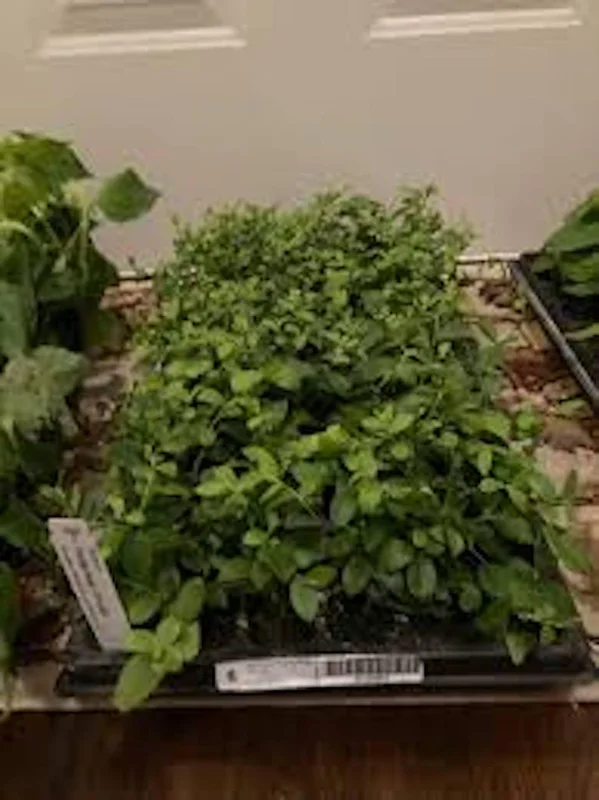
Our rabbiteye blueberry plant is shipped as a bare root starter, ensuring it arrives healthy and ready for planting in your garden. Upon maturity, you can expect this robust plant to reach an impressive size, typically growing to about 4-6 feet in both height and width. This makes it a substantial and productive addition to any landscape or fruit garden. Bare root plants are an economical and efficient way to establish new fruit bushes, allowing them to acclimate quickly to their new environment once planted.
The growth rate of this highbush blueberry plant is moderate, meaning it will establish itself well within the first few seasons and begin producing significant harvests within 2-3 years. With its early ripening characteristic, you can anticipate enjoying the first flush of vibrant, delicious pink fruit around late May, depending on your specific climate and growing conditions. This perennial fruit plant will continue to yield fruit for many years, becoming a long-term asset to your edible garden. Ensure proper spacing when planting, allowing ample room for its mature size to ensure good air circulation and light exposure for optimal fruit development.
You must be logged in to post a review.
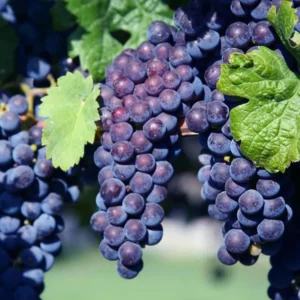
Sold 98 products
Original price was: $56.99.$44.90Current price is: $44.90.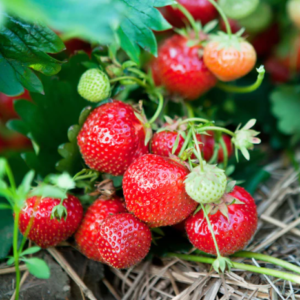
Sold 66 products
Original price was: $64.99.$34.99Current price is: $34.99.
Sold 89 products
Original price was: $79.98.$39.99Current price is: $39.99.
Sold 58 products
Original price was: $99.98.$49.99Current price is: $49.99.
Sold 75 products
Original price was: $72.99.$52.99Current price is: $52.99.
Sold 82 products
Original price was: $78.99.$48.99Current price is: $48.99.
Sold 82 products
Original price was: $64.99.$34.99Current price is: $34.99.
Sold 64 products
Original price was: $78.99.$48.99Current price is: $48.99.


Reviews
There are no reviews yet.