NEED SUPPORT WITH YOUR ORDER? Get in touch
Not satisfied with your purchase?
Enter your Order ID on website, and we'll resolve it right away.









Original price was: $62.99.$30.99Current price is: $30.99.
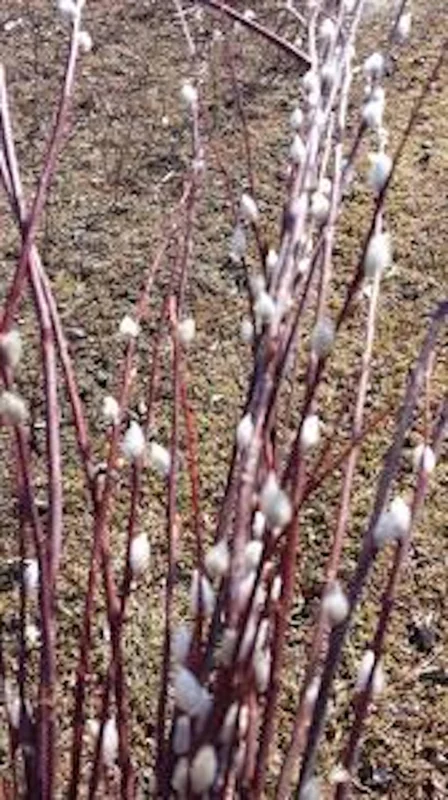
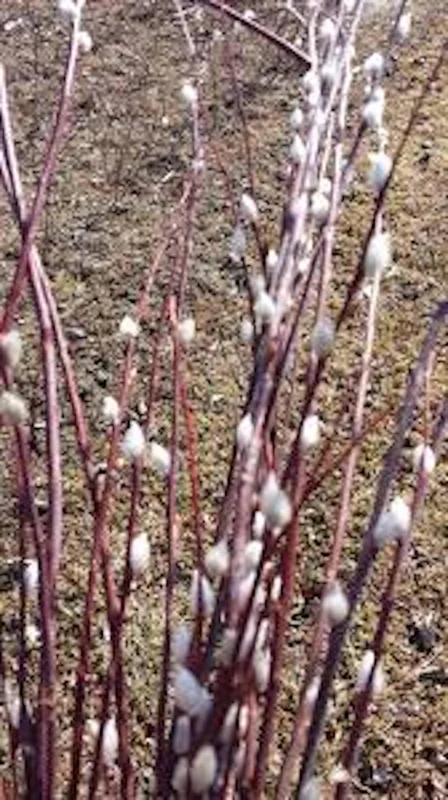
Bring unique visual interest to your garden with a french pussy willow live plant (Salix caprea). This deciduous shrub for garden use, also known as salix caprea plant or Goat Willow, arrives 12-24 inches tall. Enjoy its iconic fuzzy catkins and pollinator-attracting qualities in USDA zones 4-8.
Feb 04
Feb 09 - Feb 11
Feb 14 - Feb 18
USDA Hardiness Zone
Soil Type
Sunlight Exposure
Expected Planting Period
Shipping and return policies: Our Alive & Thrive Guarantee covers issues with your plants within the first 30 days. Get in touch with us via email, and our team will review your concerns and, if necessary, provide you with a one-time replacement at no cost.
If you're unsure about your hardiness zone, feel free to reach out to us. Our team will answer your questions and help you find the plants that are truly suitable for your environment, climate, and personal preferences.
Transform your outdoor space with the enchanting beauty of a french pussy willow live plant. This captivating deciduous shrub, scientifically known as Salix caprea and often referred to as Goat Willow, is a delightful addition to any garden or landscape. Renowned for its distinctive, soft, fuzzy catkins that emerge in early spring, the salix caprea plant provides crucial early season interest when other plants are still dormant. Our carefully cultivated plants are shipped at a healthy height of 12 to 24 inches, ensuring they are ready to thrive upon arrival. Whether you’re a seasoned gardener or just starting, this adaptable shrub offers both aesthetic appeal and ecological benefits, making it an excellent choice for creating a vibrant and welcoming outdoor environment.
The french pussy willow live plant is a versatile specimen, suitable for a wide range of climates and garden designs. Its rapid growth and ease of care make it a favorite among horticulturists looking for a low-maintenance yet impactful plant. As a deciduous shrub for garden beds or as a standalone feature, it loses its leaves in the fall, only to re-emerge with fresh foliage and spectacular catkins each spring. This cycle adds dynamic seasonal interest to your landscape, providing a continuous show of natural beauty.
The french pussy willow live plant offers a multitude of advantages for gardeners, enhancing both the visual appeal and ecological health of your outdoor space. Its unique characteristics make it a standout choice:
Proper goat willow care ensures a healthy and vibrant plant that will grace your garden for years to come. The french pussy willow live plant is relatively low-maintenance, but understanding its basic needs will help it flourish. This deciduous shrub for garden thrives in locations with full sun to partial shade, meaning it prefers at least 6 hours of direct sunlight per day, but can tolerate some afternoon shade, especially in hotter climates. Adequate sunlight promotes robust growth and abundant catkin production. Ensure the planting site has good air circulation to prevent fungal issues.
When it comes to watering, the salix caprea plant prefers consistently moist, well-drained soil. While it is tolerant of drier conditions once established, regular watering, especially during dry spells and its first year of growth, is beneficial. Avoid waterlogging, as this can lead to root rot. A layer of mulch around the base of the plant can help retain soil moisture and regulate soil temperature. The Pussy Willow is adaptable to various soil types, but it performs best in loamy or sandy soils with a slightly acidic to neutral pH. For optimal health, consider a balanced, slow-release fertilizer in early spring, though it is not strictly necessary for established plants.
The pussy willow hardiness zone suitability ranges from USDA 4-8, indicating its excellent cold tolerance. Pruning is an important aspect of Pussy Willow care, especially if you wish to maintain a specific size or shape. It can be pruned heavily in late winter or early spring, before new growth begins, to encourage a bushier form or to limit its mature size. Remove any dead, damaged, or crossing branches to maintain plant health and vigor. While generally pest-resistant, keep an eye out for common garden pests like aphids and treat them with organic insecticides if necessary. Good air circulation and proper watering practices can help prevent most common plant diseases.
Our french pussy willow live plant arrives as a vibrant specimen, typically measuring between 12 to 24 inches in height, ready for immediate planting and establishment in your garden. This salix caprea plant is a fast-growing deciduous shrub that, if left unpruned, can reach an impressive mature height of up to 25 feet with a spread of 15 feet. However, its versatile nature allows it to be easily maintained as a smaller bush or hedge through regular annual pruning. It is shipped as a live plant, either in a nursery pot or bare root, depending on the season, ensuring a healthy start in your landscape. Expect to see its characteristic fuzzy catkins in early spring, with foliage following shortly after. The growth rate is considered moderate to fast, allowing you to enjoy a substantial plant within a few growing seasons.
You must be logged in to post a review.

Sold 90 products
Original price was: $74.99.$44.99Current price is: $44.99.
Sold 59 products
Original price was: $64.99.$44.99Current price is: $44.99.
Sold 87 products
Original price was: $64.99.$44.99Current price is: $44.99.
Sold 54 products
Original price was: $55.78.$27.89Current price is: $27.89.
Sold 69 products
Original price was: $59.98.$29.99Current price is: $29.99.
Sold 53 products
Original price was: $55.58.$27.79Current price is: $27.79.
Sold 83 products
Original price was: $74.99.$44.99Current price is: $44.99.
Sold 96 products
Original price was: $70.99.$40.99Current price is: $40.99.








Reviews
There are no reviews yet.