NEED SUPPORT WITH YOUR ORDER? Get in touch
Not satisfied with your purchase?
Enter your Order ID on website, and we'll resolve it right away.

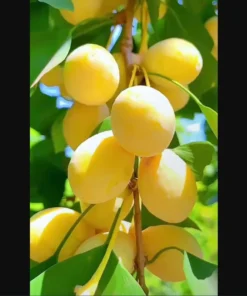
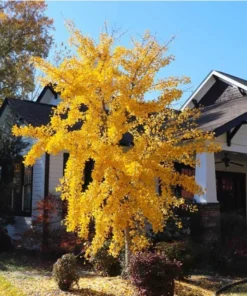
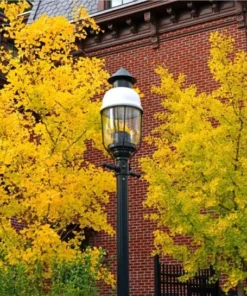
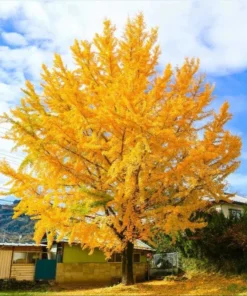
Original price was: $43.99.$23.99Current price is: $23.99.
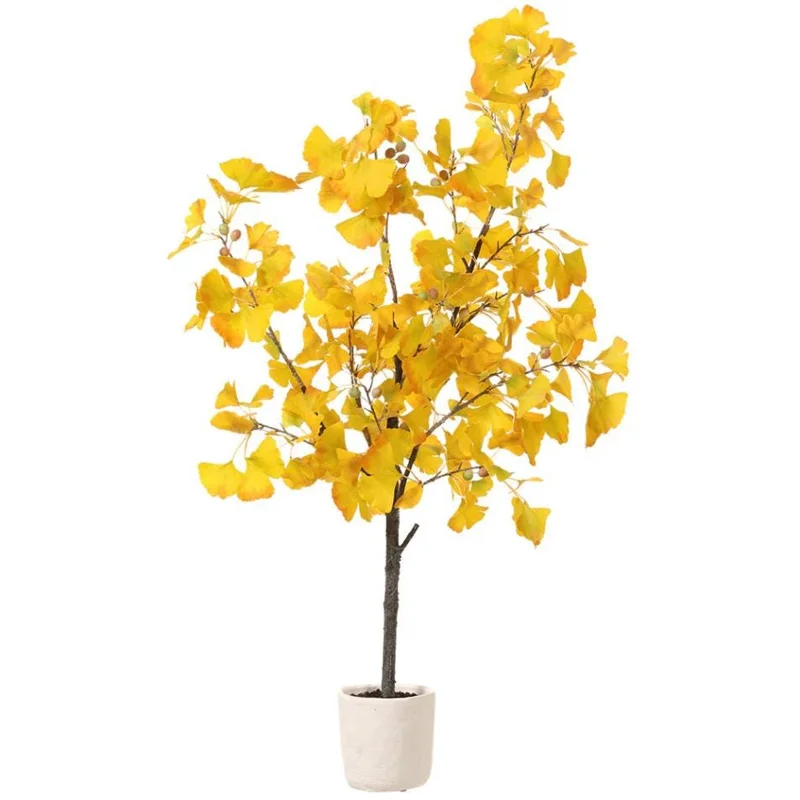
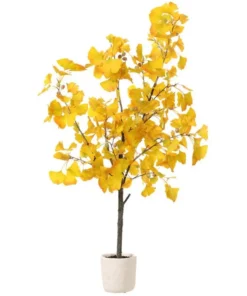
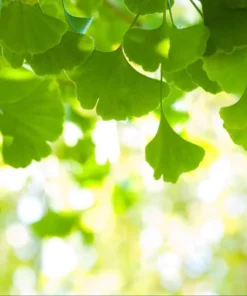
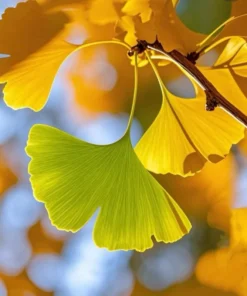
Bring home a beautiful ginkgo live starter plant, perfect for both indoor and outdoor settings. This young ginkgo tree care is straightforward, offering unique fan-shaped leaves and a robust growth habit. Standing 6 to 8 inches tall in a 4-inch nursery pot, it’s ready to thrive in your garden or as an elegant potted specimen.
Feb 04
Feb 09 - Feb 11
Feb 14 - Feb 18
USDA Hardiness Zone
Soil Type
Sunlight Exposure
Expected Planting Period
Shipping and return policies: Our Alive & Thrive Guarantee covers issues with your plants within the first 30 days. Get in touch with us via email, and our team will review your concerns and, if necessary, provide you with a one-time replacement at no cost.
If you're unsure about your hardiness zone, feel free to reach out to us. Our team will answer your questions and help you find the plants that are truly suitable for your environment, climate, and personal preferences.
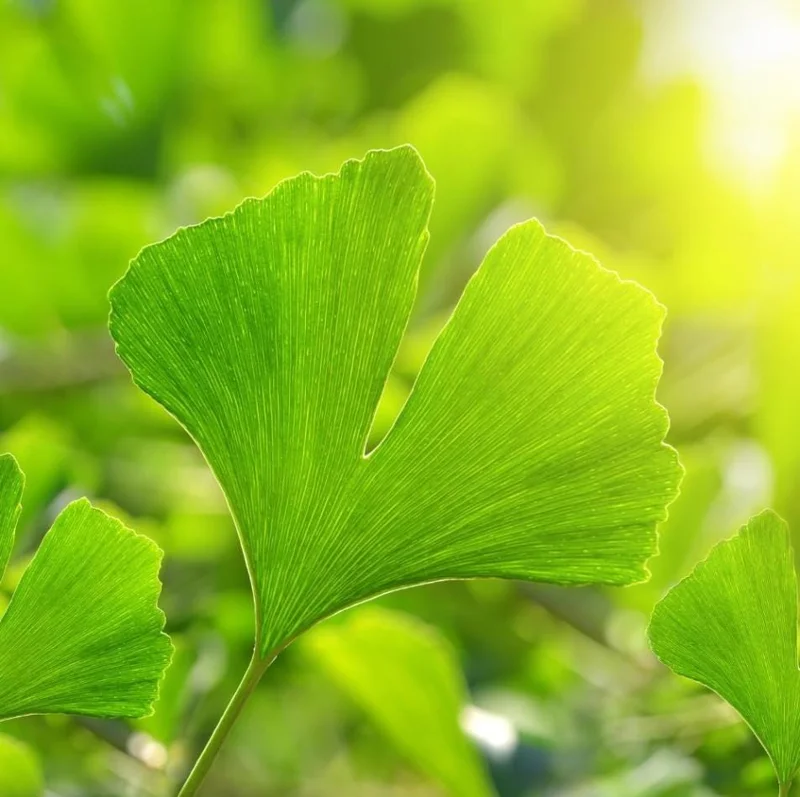
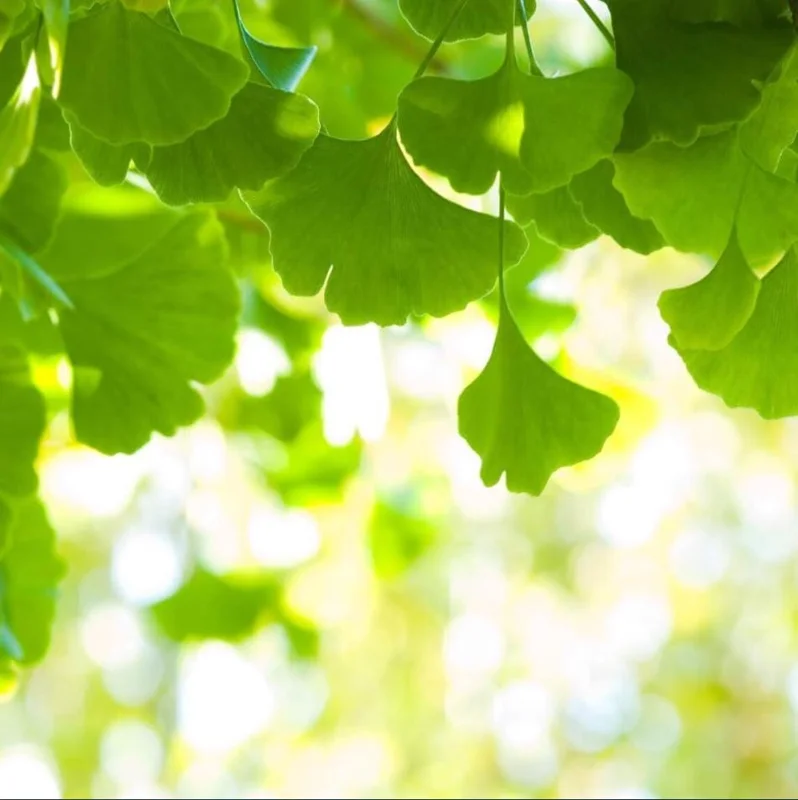
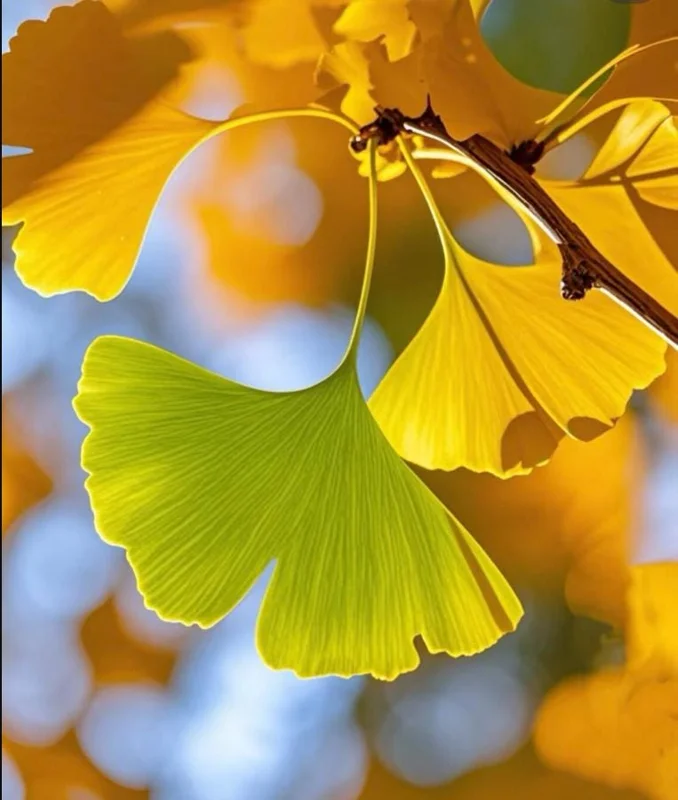
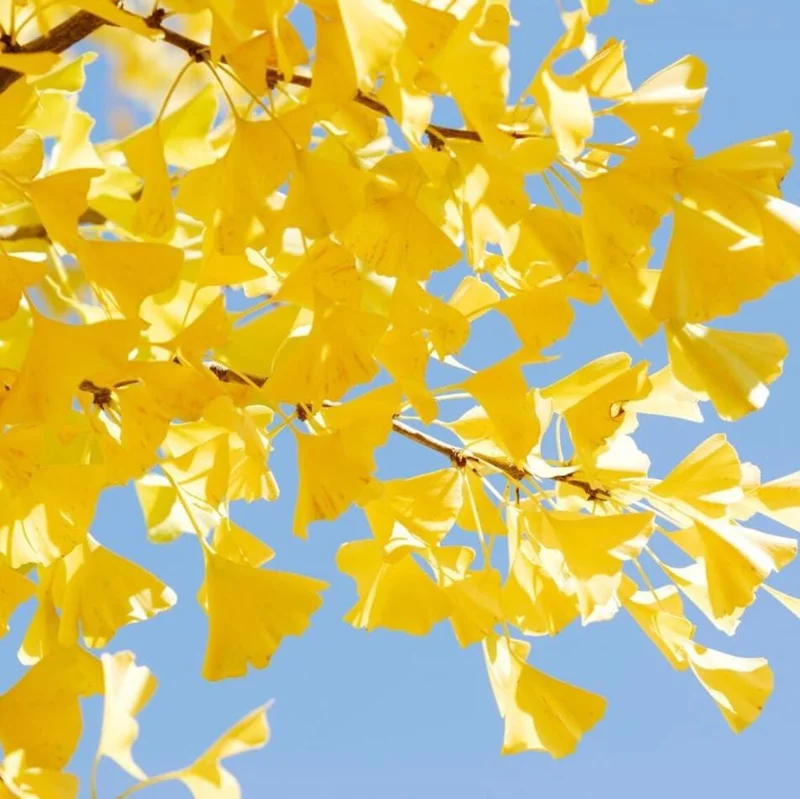
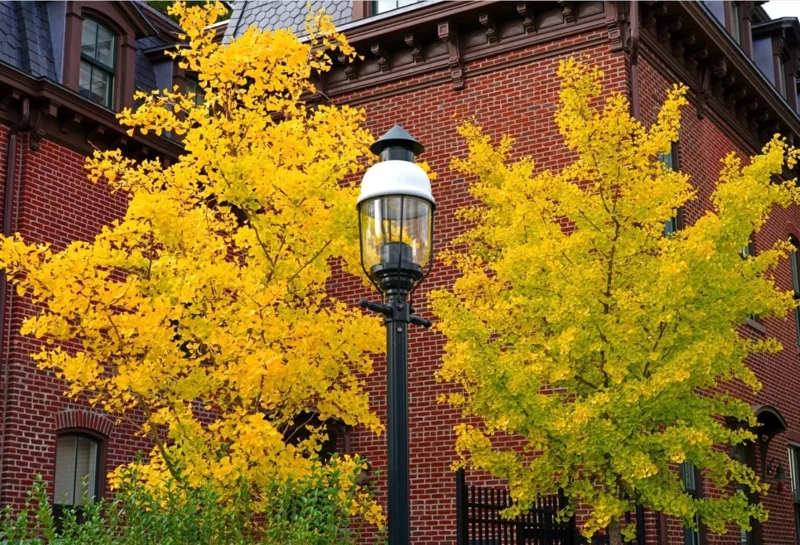
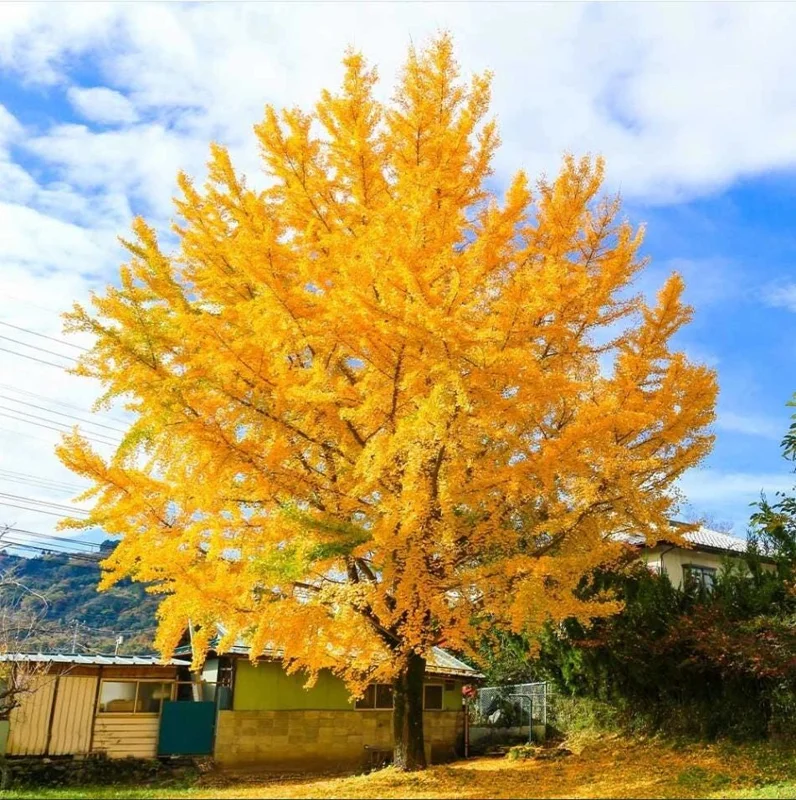
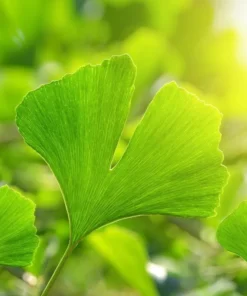
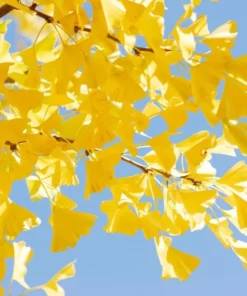
Introduce a piece of living history to your home or garden with this exquisite ginkgo live starter plant. Known for its distinctive fan-shaped leaves that turn a brilliant golden-yellow in the fall, the Ginkgo biloba is a truly unique deciduous tree. This young specimen arrives as a healthy, well-rooted starter, typically 6 to 8 inches tall and grown in a 4-inch nursery pot, ready for planting. The ginkgo, often referred to as a ‘living fossil,’ boasts an incredible lineage, having existed for millions of years. It’s an adaptable and resilient plant, making it an excellent choice for both novice and experienced gardeners looking for an indoor ginkgo tree or a striking addition to their landscape. Its elegant form and vibrant seasonal color make it a captivating focal point in any setting.
Our ginkgo live starter plant is carefully nurtured to ensure it arrives in optimal health, providing you with a strong foundation for a thriving tree. While young, it possesses all the genetic potential to grow into a majestic ginkgo tree, offering shade, beauty, and a connection to ancient botanical history. Whether you envision it as a bonsai, a potted patio plant, or a grand garden specimen, this starter plant is the beginning of a remarkable journey. Embrace the opportunity to cultivate one of the most iconic and enduring trees on Earth, appreciating its unique beauty and resilience.
Cultivating a ginkgo live starter plant offers numerous advantages, from its striking visual appeal to its robust nature. This plant is not just a beautiful addition but also a symbol of resilience and longevity.
Proper ginkgo tree care ensures your ginkgo live starter plant thrives and develops into a beautiful, mature specimen. Ginkgo trees are remarkably resilient, but providing them with the right conditions from the start will promote vigorous growth. When it comes to light, full sun is ideal for ginkgo trees. They will tolerate partial shade, but their strongest growth and most vibrant fall color will be achieved with at least 6-8 hours of direct sunlight daily. If growing an indoor ginkgo tree, place it near a south-facing window or provide supplemental grow lights to meet its light requirements.
For soil, ginkgo trees prefer well-draining soil. They are adaptable to a range of soil types, including sandy, loamy, or clay soils, as long as water does not sit and cause root rot. An ideal pH range for ginkgo is between 5.5 and 7.5. When planting outdoors, amend heavy clay soils with organic matter to improve drainage. Watering is crucial during the first year after planting. Water regularly, allowing the top inch or two of soil to dry slightly between waterings. Once established, ginkgo is highly drought-tolerant and will require less frequent watering. For an outdoor ginkgo tree, consider mulching around the base to retain soil moisture and regulate temperature.
Ginkgo trees are highly cold-hardy, typically thriving in USDA zones 3-8, and can tolerate heat, wind, and urban pollution. No special winter protection is needed once the tree is established in the ground. For potted ginkgo trees, especially if grown as an indoor ginkgo tree, ensure they are not exposed to extreme temperature fluctuations. Fertilization can be done in spring with a balanced, slow-release fertilizer designed for trees and shrubs, although ginkgos are not heavy feeders. Watch for common pests or diseases, though ginkgos are generally resistant; good air circulation and proper watering usually prevent most issues.
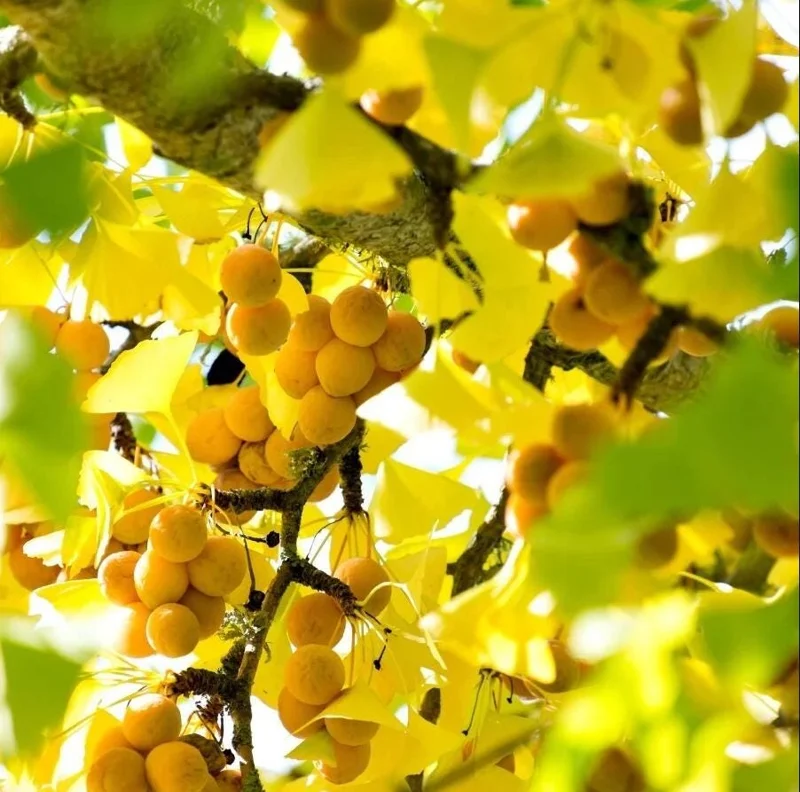
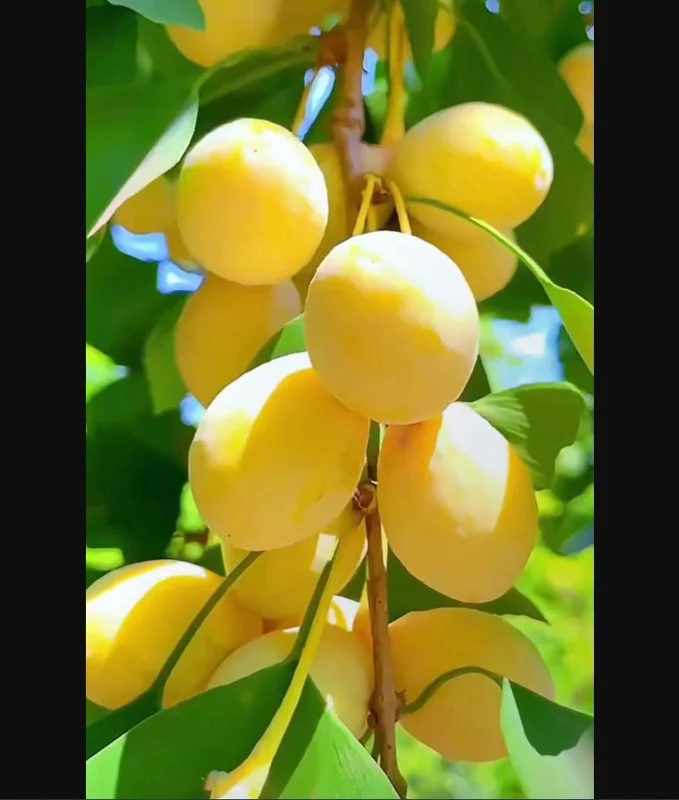
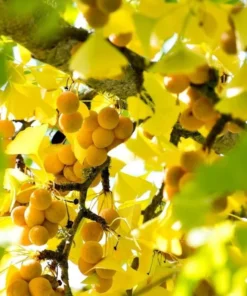
This offering is for one healthy ginkgo live starter plant, measuring approximately 6 to 8 inches in height from the top of the soil. Each plant is well-rooted and comes established in a 4-inch nursery pot, ensuring it is ready for immediate transplanting upon arrival. The size and pot make it ideal for starting as an indoor ginkgo tree or for careful acclimatization before planting outdoors. As a young starter, the plant will not have flowers or fruit; these develop on more mature specimens, typically after several years of growth.
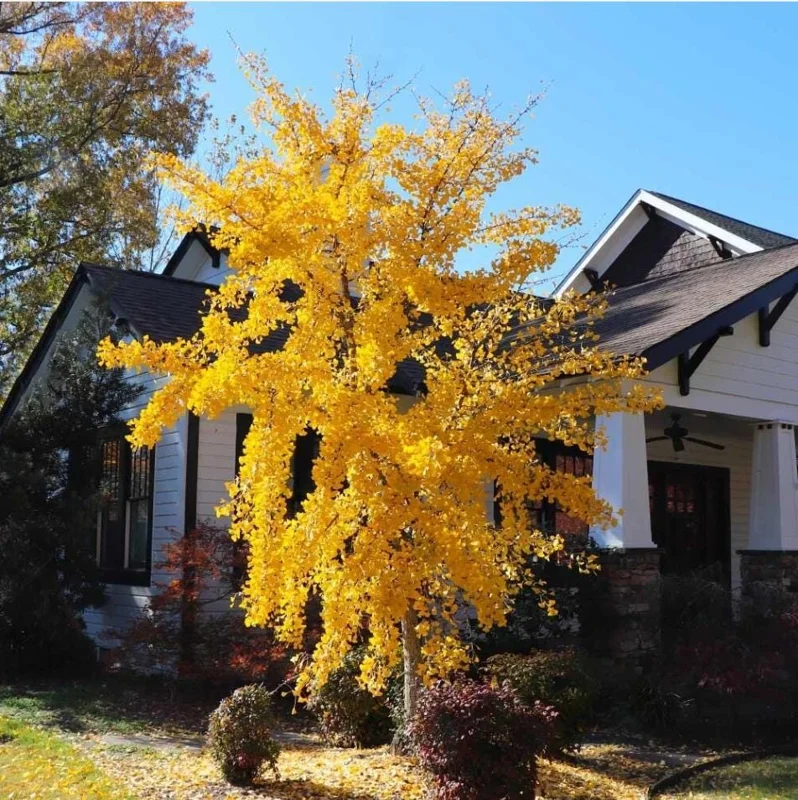
Ginkgo trees are known for their moderate to fast growth rate, eventually reaching impressive heights of 50-80 feet with a spread of 30-40 feet when mature in optimal outdoor conditions. When contained in a pot, its growth can be managed through pruning and container size. The unique fan-shaped leaves are a hallmark of this ancient species, providing seasonal interest. This starter plant provides a fantastic opportunity to cultivate a long-lived and distinctive tree, perfect for adding a touch of elegance and natural history to your environment.
You must be logged in to post a review.
Sold 91 products
Original price was: $259.96.$129.98Current price is: $129.98.
Sold 61 products
Original price was: $259.78.$129.89Current price is: $129.89.
Sold 93 products
Original price was: $371.98.$185.99Current price is: $185.99.
Sold 58 products
Original price was: $359.98.$179.99Current price is: $179.99.
Sold 62 products
Original price was: $99.98.$49.99Current price is: $49.99.
Sold 83 products
Original price was: $256.36.$128.18Current price is: $128.18.
Sold 67 products
Original price was: $299.94.$149.97Current price is: $149.97.
Sold 57 products
Original price was: $35.98.$17.99Current price is: $17.99.
Reviews
There are no reviews yet.