NEED SUPPORT WITH YOUR ORDER? Get in touch
Not satisfied with your purchase?
Enter your Order ID on website, and we'll resolve it right away.


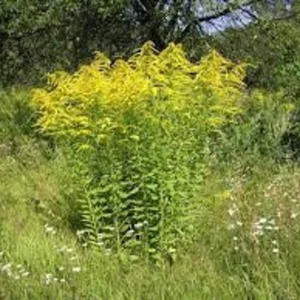
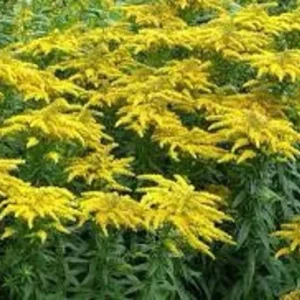
Original price was: $48.99.$25.99Current price is: $25.99.
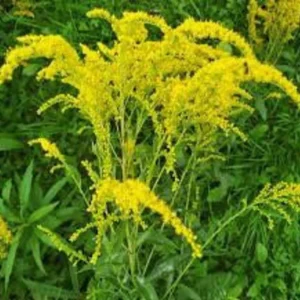
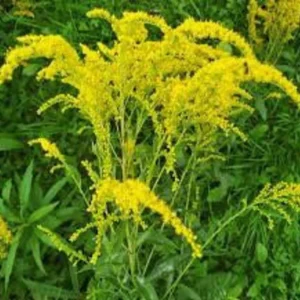
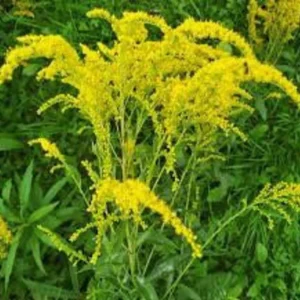
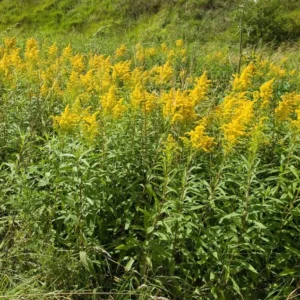
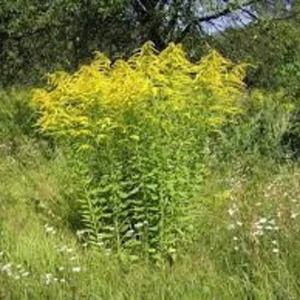
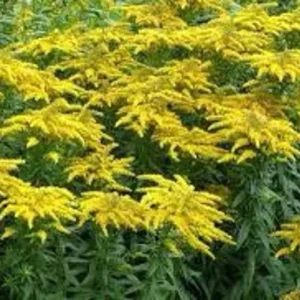
Enhance your garden with goldenrod plants bare root. This pack includes 10 Solidago perennial wildflower plants, known for their vibrant yellow blooms and ability to attract beneficial pollinators like monarch butterflies. Easy to care for and deer-resistant, these native wildflowers support local ecosystems.
Mar 03
Mar 08 - Mar 10
Mar 13 - Mar 17
USDA Hardiness Zone
Soil Type
Sunlight Exposure
Expected Planting Period
Shipping and return policies: Our Alive & Thrive Guarantee covers issues with your plants within the first 30 days. Get in touch with us via email, and our team will review your concerns and, if necessary, provide you with a one-time replacement at no cost.
If you're unsure about your hardiness zone, feel free to reach out to us. Our team will answer your questions and help you find the plants that are truly suitable for your environment, climate, and personal preferences.
Introduce vibrant color and ecological benefits to your landscape with our premium goldenrod plants bare root. Each order provides 10 robust bare root Solidago plants, ready to be transplanted and thrive in your garden. These magnificent perennial wildflowers, scientifically known as Solidago, are celebrated for their stunning bright yellow blooms that bring a cheerful radiance to any outdoor space. Beyond their aesthetic appeal, these native plants are incredibly beneficial for local ecosystems, serving as a vital food source and habitat for a diverse array of pollinators. They are particularly well-known for attracting monarch butterfly plant populations, contributing significantly to the biodiversity of your garden. Cultivating goldenrod is an effortless way to create a lively and dynamic environment, fostering nature right in your backyard. These plants are shipped bare root, a method that ensures their freshness upon arrival and allows for a more economical offering, without compromising on quality or growth potential once planted.
The resilience and adaptability of goldenrod make it an excellent choice for gardeners of all experience levels. These plants establish quickly and require minimal maintenance, making them a hassle-free addition to your garden. Their natural growth habit and bright coloration make them ideal for wildflower meadows, borders, or even as a vibrant backdrop in mixed perennial beds. Embrace the beauty and ecological importance of these wonderful native wildflowers.
Planting goldenrod offers a multitude of advantages, transforming your garden into a thriving, vibrant ecosystem. These benefits extend beyond simple aesthetics, contributing to environmental health and making gardening more rewarding. Our native wildflower plants provide:
Caring for your goldenrod plants bare root is straightforward, thanks to their hardy and adaptable nature. To ensure optimal growth and a spectacular display of blooms, consider the following guidelines. Goldenrod thrives best in locations that receive full sun, meaning at least six hours of direct sunlight daily. While some varieties can tolerate partial shade, robust flowering is typically achieved in sunnier spots. These plants are not particular about soil type and will adapt to sandy, loamy, or clay soils, but they absolutely require good drainage. Well-drained soil prevents root rot and promotes healthy growth. A slightly acidic to neutral pH is preferred, though they are quite forgiving.
Watering requirements are minimal once the plants are established. During their initial planting phase, keep the soil consistently moist but not waterlogged to encourage root development. After establishment, goldenrod is remarkably drought-tolerant and typically only needs supplemental watering during extended dry spells. Fertilization is generally not necessary, especially in average garden soils, as these native wildflower plants are accustomed to less fertile conditions. Over-fertilizing can lead to leggy growth and fewer blooms. For best results, plant your bare root goldenrod in spring or early fall, allowing them ample time to establish roots before extreme temperatures set in. They are hardy perennials, returning each year with increased vigor. Deadheading spent blooms isn’t strictly required but can prevent excessive self-seeding if you wish to control their spread. Enjoy the beauty and ecological benefits of your new Solidago perennial wildflower garden.
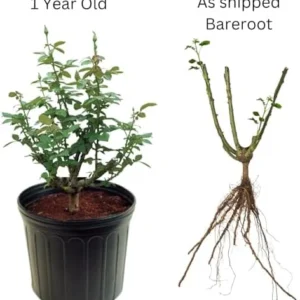
Our offering includes 10 robust goldenrod plants bare root, carefully harvested and prepared for shipping to ensure they reach you in optimal condition. These bare root specimens are sent without foliage, which is a common and effective method for shipping dormant perennials, allowing them to establish quickly once planted. While specific dimensions can vary by variety and growing conditions, most goldenrod plants typically mature to a height of 2 to 5 feet, with a spread of 1 to 3 feet. They exhibit a moderate to fast growth rate, quickly filling out garden spaces with their upright growth habit and abundant bright yellow organic goldenrod flowers. Expect to see initial growth and foliage development within a few weeks of planting, followed by their characteristic vibrant blooms from late summer through fall. These plants are long-lived perennials, providing years of beauty and ecological benefit to your landscape.
You must be logged in to post a review.

Sold 60 products
Original price was: $49.96.$24.98Current price is: $24.98.
Sold 61 products
Original price was: $79.96.$39.98Current price is: $39.98.
Sold 62 products
Original price was: $69.98.$34.99Current price is: $34.99.
Sold 98 products
Original price was: $59.56.$29.78Current price is: $29.78.
Sold 53 products
Original price was: $39.68.$19.84Current price is: $19.84.
Sold 58 products
Original price was: $69.98.$34.99Current price is: $34.99.
Sold 82 products
Original price was: $69.98.$34.99Current price is: $34.99.
Sold 72 products
Original price was: $59.98.$29.99Current price is: $29.99.
Reviews
There are no reviews yet.