NEED SUPPORT WITH YOUR ORDER? Get in touch
Not satisfied with your purchase?
Enter your Order ID on website, and we'll resolve it right away.


Original price was: $52.99.$29.99Current price is: $29.99.
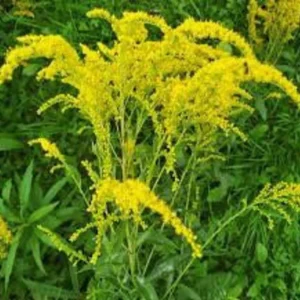
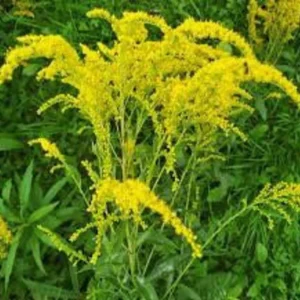
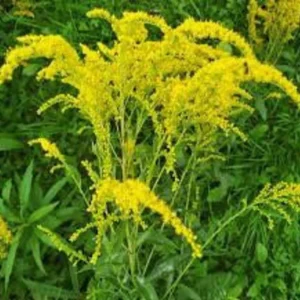
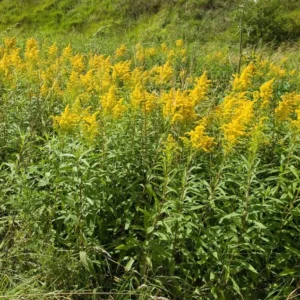
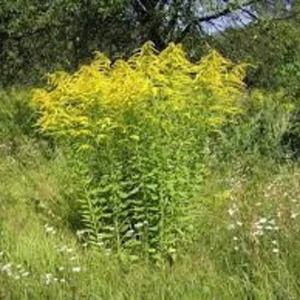
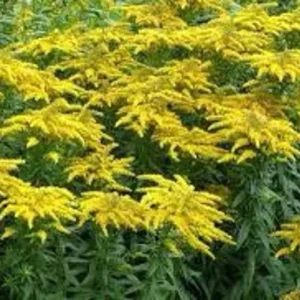
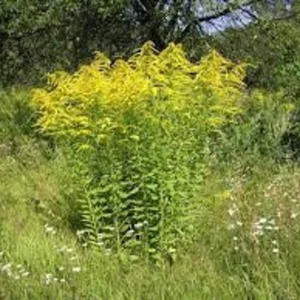
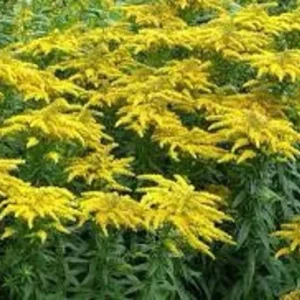
Bring vibrant yellow blooms to your garden with this 15-pack of goldenrod plants. These solidago bare root perennial wildflowers are perfect for attracting monarch butterfly plants and other beneficial pollinators, offering a low-maintenance and deer resistant plants solution for full sun gardens.
Mar 03
Mar 08 - Mar 10
Mar 13 - Mar 17
USDA Hardiness Zone
Soil Type
Sunlight Exposure
Expected Planting Period
Shipping and return policies: Our Alive & Thrive Guarantee covers issues with your plants within the first 30 days. Get in touch with us via email, and our team will review your concerns and, if necessary, provide you with a one-time replacement at no cost.
If you're unsure about your hardiness zone, feel free to reach out to us. Our team will answer your questions and help you find the plants that are truly suitable for your environment, climate, and personal preferences.
Introduce a burst of late-season color and ecological benefit to your landscape with our 15-pack of goldenrod plants. These robust solidago bare root perennial wildflowers are celebrated for their vibrant yellow blooms, which emerge in late summer and continue through fall, providing essential nectar for pollinators. Specifically, they are a vital food source for monarch butterfly plants and other beneficial insects as other nectar sources become scarce. Our organically grown bare root plants are easy to establish, quickly growing into healthy, mature specimens that enhance any garden setting. Ideal for naturalized areas, pollinator gardens, or mixed borders, Goldenrod (Solidago spp.) offers both aesthetic appeal and significant ecological value, making it a perfect choice for gardeners looking to support local wildlife with deer resistant plants.
Goldenrod plants are known for their resilience and adaptability, thriving in a variety of conditions once established. They are an excellent choice for gardeners seeking low-maintenance yet high-impact flora. The bare root format allows for easy planting and ensures a strong start, as these plants are harvested fresh and ready to establish quickly in your soil. Embrace the beauty and ecological importance of these native wildflowers.
Our goldenrod plants offer a multitude of advantages for your garden and local ecosystem. Beyond their striking appearance, these perennials contribute significantly to biodiversity and garden health.
Caring for your goldenrod plants is straightforward, making them an excellent choice for both novice and experienced gardeners. These resilient solidago bare root plants are designed for success with minimal effort. They thrive best in locations that receive at least 6 hours of direct sunlight daily, so choose a sunny spot in your garden. While they can tolerate a range of soil types, well-draining soil is crucial to prevent root rot. They are particularly adaptable to average to dry conditions, showing good drought tolerance once established.
When planting your solidago bare root, ensure the roots are spread out in the planting hole and covered with soil, with the crown just below the surface. Water thoroughly after planting to help settle the soil around the roots. During their establishment phase, consistent watering is beneficial, but once mature, they are quite self-sufficient. Fertilization is generally not necessary, especially in rich soils, but a light application of a balanced slow-release fertilizer in spring can encourage vigorous growth if your soil is poor. These perennial wildflowers are hardy and can withstand various climates, making them a versatile addition to many gardens. Keep an eye out for common garden pests, though their natural attractiveness to beneficial insects often helps keep problems at bay.
This offer includes 15 individual solidago bare root plants, ready for transplanting into your garden. Each bare root is carefully harvested to ensure vitality and ease of establishment. Upon planting, these goldenrod plants will quickly develop foliage and roots. Typically, goldenrod plants grow to be about 2-5 feet tall, depending on the specific variety and local growing conditions, with a spread of 1-3 feet. They are known for their medium to fast growth rate, establishing themselves well within the first growing season. You can expect to see their characteristic vibrant yellow blooms from late summer through fall, providing a stunning display.
As perennial wildflowers, they will return year after year, growing more robust with each season. They ship without foliage or a pot, which is the standard and most effective way to transport bare root plants, ensuring they arrive healthy and ready to thrive. This method also allows for an economical and environmentally friendly shipping process. These plants are ideal for creating a naturalized look or adding structure and color to mixed borders, and their benefits for pollinators are immediate and lasting, making them an excellent monarch butterfly plant.
You must be logged in to post a review.
Sold 82 products
Original price was: $49.96.$24.98Current price is: $24.98.
Sold 91 products
Original price was: $39.98.$19.99Current price is: $19.99.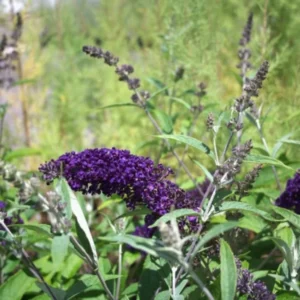
Flower Plants
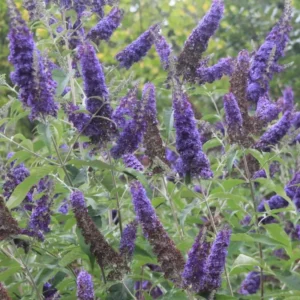
Dark Purple Butterfly Bush Live Plant 4 Inch Pot – Outdoor Garden Butterfly Attractant
Sold 93 products
Original price was: $39.98.$19.99Current price is: $19.99.
Sold 63 products
Original price was: $59.88.$29.94Current price is: $29.94.
Sold 85 products
Original price was: $69.98.$34.99Current price is: $34.99.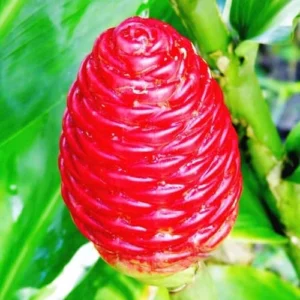
Flower Bulbs
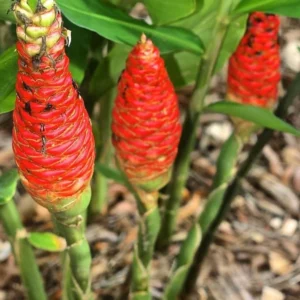
Shampoo Ginger Roots Pack – 10 Awapuhi Zingiber Zerumbet Rhizomes for Perennial Gardens
Sold 87 products
Original price was: $55.98.$27.99Current price is: $27.99.
Sold 89 products
Original price was: $69.98.$34.99Current price is: $34.99.
Sold 89 products
Original price was: $107.98.$53.99Current price is: $53.99.
Reviews
There are no reviews yet.