NEED SUPPORT WITH YOUR ORDER? Get in touch
Not satisfied with your purchase?
Enter your Order ID on website, and we'll resolve it right away.

Original price was: $70.99.$36.99Current price is: $36.99.
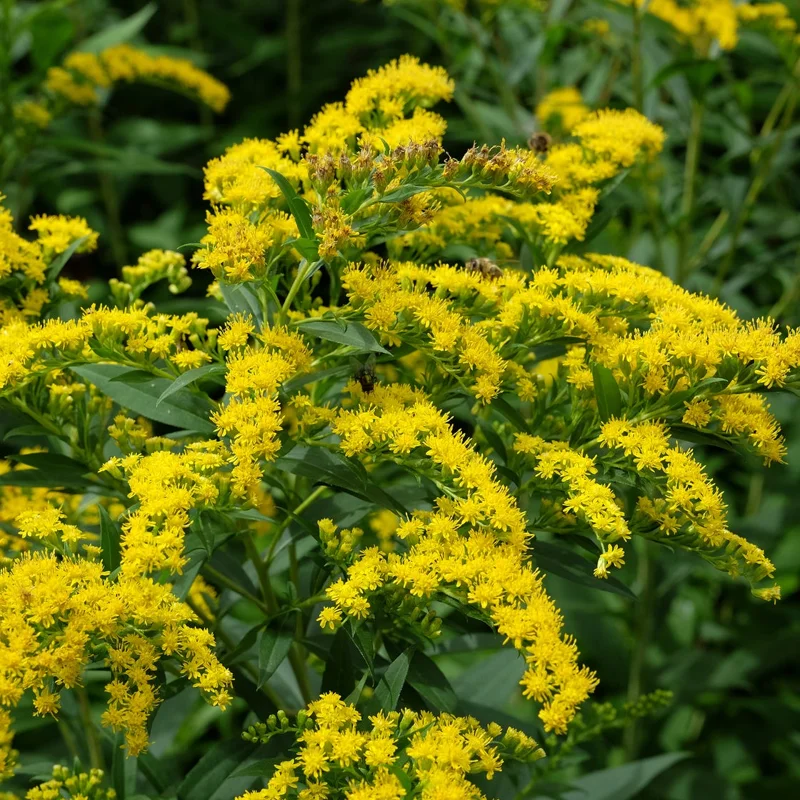
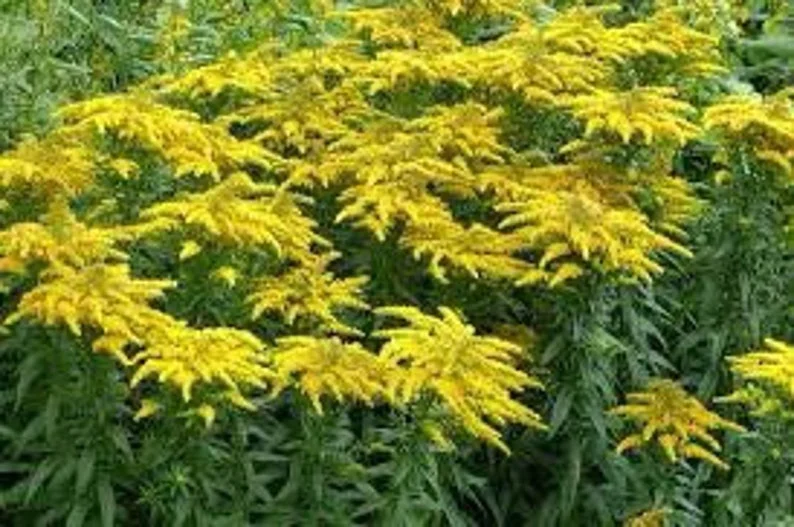
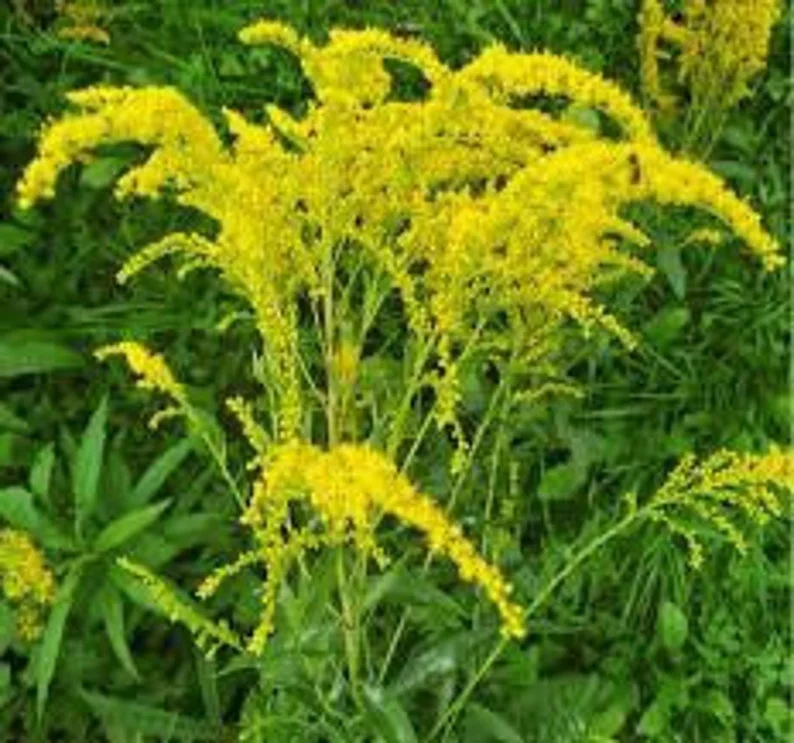
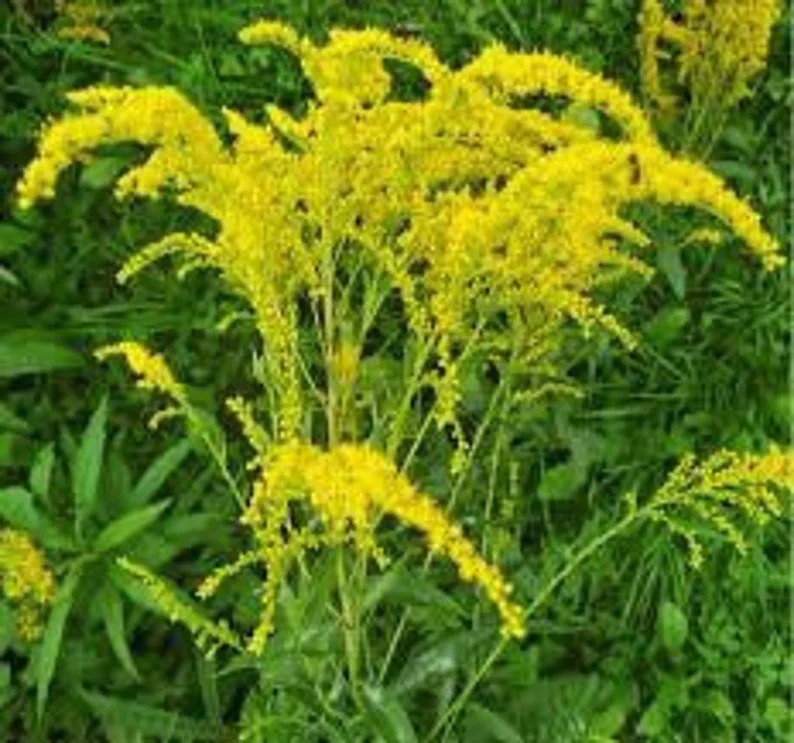
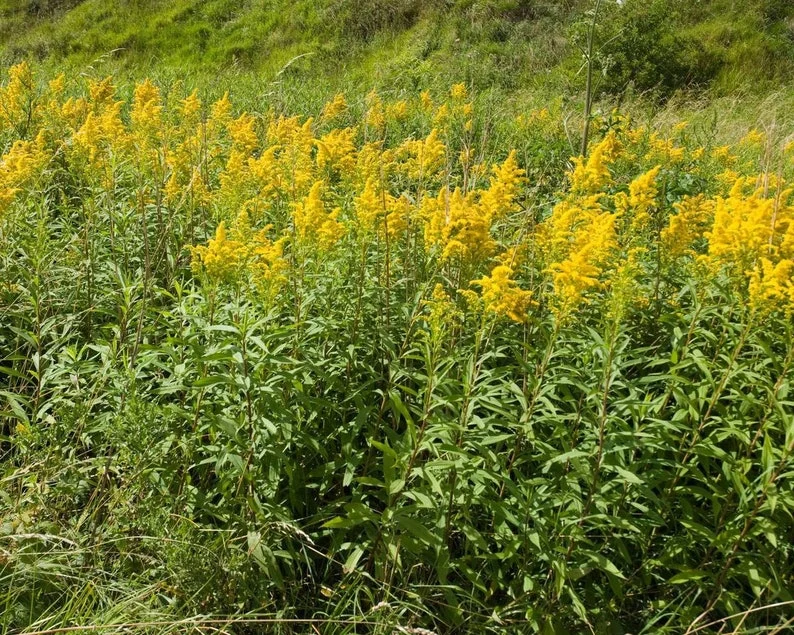
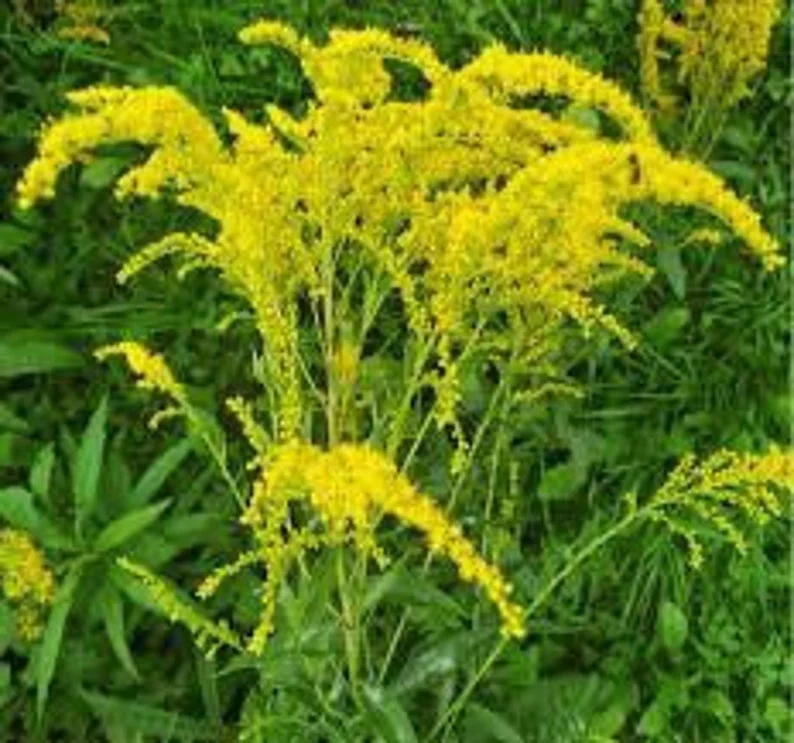
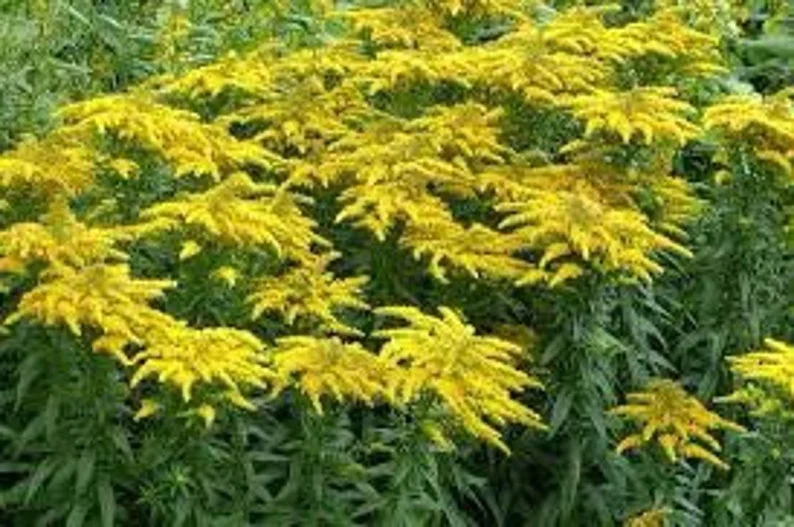
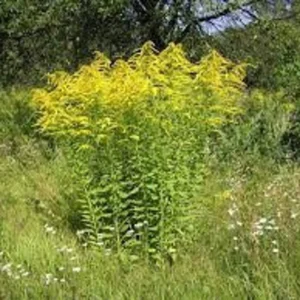
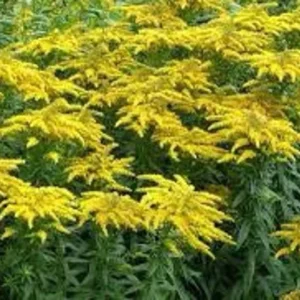
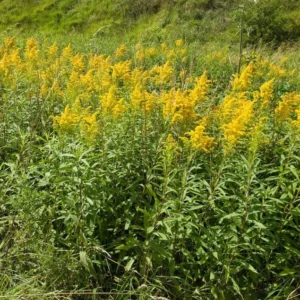
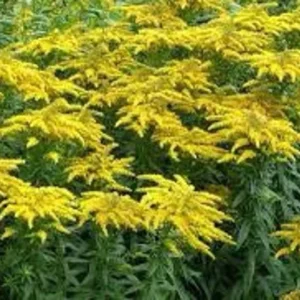
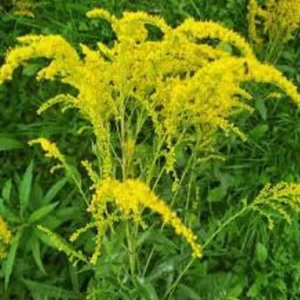
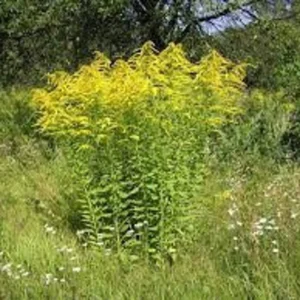
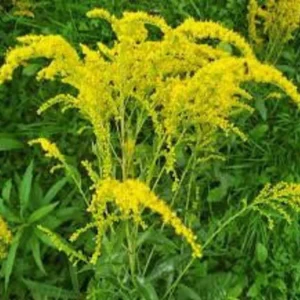
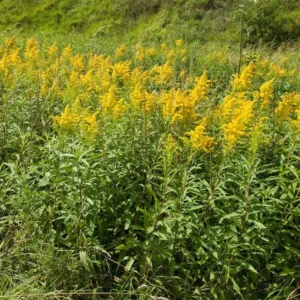
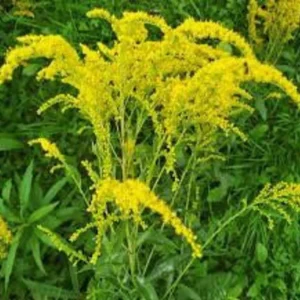
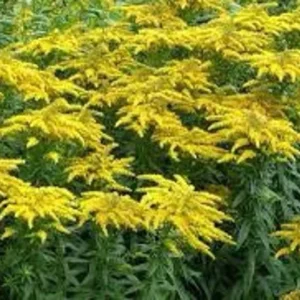
Bring ecological beauty to your garden with goldenrod plants. This offering includes 20 bare root goldenrod perennial wildflowers, perfect for attracting monarch butterfly plant species and other beneficial pollinators. Enjoy vibrant yellow blooms and a low-maintenance, deer-resistant landscape.
Mar 03
Mar 08 - Mar 10
Mar 13 - Mar 17
USDA Hardiness Zone
Soil Type
Sunlight Exposure
Expected Planting Period
Shipping and return policies: Our Alive & Thrive Guarantee covers issues with your plants within the first 30 days. Get in touch with us via email, and our team will review your concerns and, if necessary, provide you with a one-time replacement at no cost.
If you're unsure about your hardiness zone, feel free to reach out to us. Our team will answer your questions and help you find the plants that are truly suitable for your environment, climate, and personal preferences.
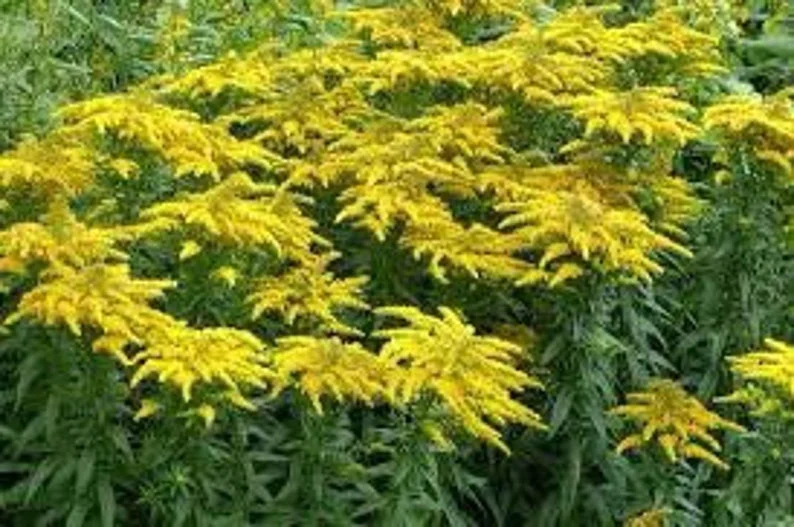
Introduce the ecological charm of goldenrod plants to your landscape with this generous offering of 20 bare root Solidago perennial wildflowers. Known for their striking golden-yellow blooms and robust nature, these native plants are not just visually appealing but also serve as a vital cornerstone for local ecosystems. Each bare root goldenrod specimen is carefully selected to ensure a strong start in your garden, quickly establishing and transforming your outdoor space into a haven for wildlife. Often misunderstood, true goldenrod species are celebrated for their late-season nectar, providing crucial sustenance for pollinators like the iconic Monarch butterfly as they prepare for migration. By planting these beautiful wildflowers, you are contributing to the health of your local environment and creating a vibrant, dynamic garden that supports biodiversity.
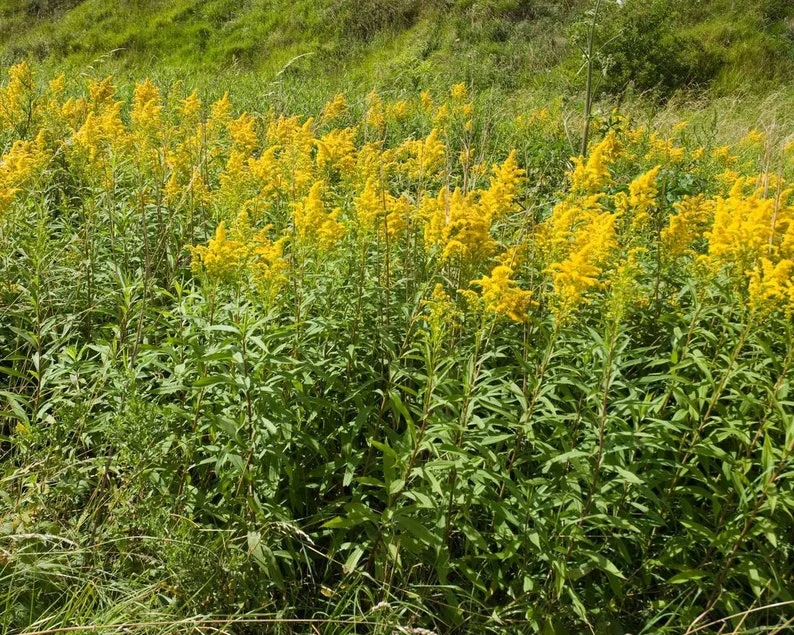
These resilient solidago perennial plants are ideal for gardeners seeking to create a low-maintenance, high-impact native garden. They are an excellent choice for naturalizing areas, meadows, or even conventional garden beds where their cheerful color can truly shine. Unlike some cultivated varieties, these native Goldenrod plants are well-adapted to various conditions, making them a reliable and rewarding addition to almost any garden setting. Embrace the natural beauty and ecological significance of these wildflowers, and watch as your garden flourishes with life and color throughout the late summer and fall.
Planting goldenrod plants offers a multitude of advantages, enhancing both the aesthetic appeal and ecological value of your outdoor space. These versatile wildflowers contribute significantly to a healthier and more vibrant garden environment.
Caring for your goldenrod plants is remarkably straightforward, making them an excellent choice for both novice and experienced gardeners. These resilient native wildflowers are adapted to a wide range of conditions and generally thrive with minimal intervention once established. For optimal growth and prolific blooms, consider the following care guidelines.
Sunlight Requirements: Goldenrod plants prefer full sun, meaning they need at least 6 hours of direct sunlight per day. While they can tolerate some partial shade, especially in hotter climates, full sun exposure is key for ensuring strong, upright growth and an abundance of their characteristic bright yellow flowers. Plant them in an open area where they won’t be overshadowed by larger trees or structures.
Watering & Soil: These plants are highly adaptable to various soil types but prefer dry to average, well-drained soils. They are quite drought-tolerant once established and generally do not require supplemental watering unless there are extended periods of extreme heat and drought. Overwatering can lead to root rot, so ensure good drainage. They can even thrive in less fertile conditions, making them ideal for challenging spots in your garden. The initial planting of bare root goldenrod will benefit from consistent moisture to help establish its root system.
Temperature & Hardiness: Most Goldenrod species are hardy in USDA Zones 3-9, making them suitable for a wide range of climates across the United States. They are very tolerant of cold winters and hot summers, demonstrating their resilience. Fertilization is generally not necessary for solidago perennial plants, as they thrive in average to poor soils. Excessive fertilization can lead to leggy growth and reduced flowering. Common problems are rare, but occasional powdery mildew might occur in humid conditions or overly crowded plantings; ensuring good air circulation can help prevent this.
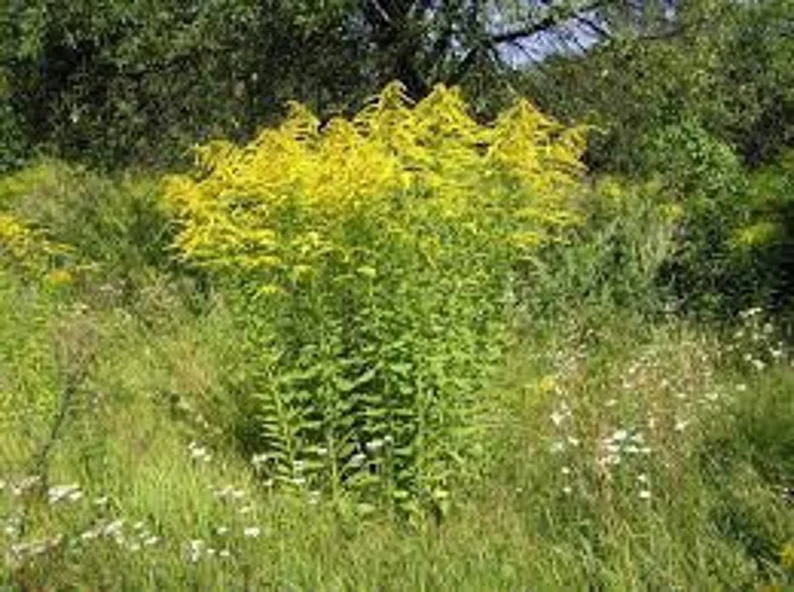
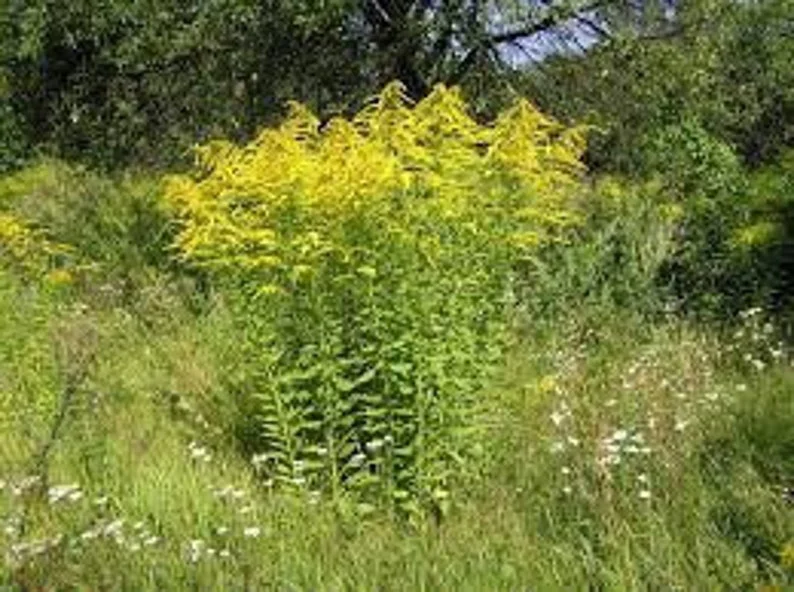
This offering includes 20 individual bare root goldenrod plants, ready for transplanting into your garden. Bare roots are a cost-effective and efficient way to establish these native wildflowers, as they are shipped without soil and foliage, allowing for easy handling and planting. While they may appear dormant upon arrival, these resilient plants will quickly develop new growth once planted in suitable conditions. Expected mature height for these goldenrod plants typically ranges from 2 to 5 feet, depending on the specific Solidago variety and local growing conditions, making them versatile for various garden designs. Their spread can vary, but they tend to form clumps and can spread via rhizomes, creating a dense and vibrant display over time. They are known for their medium to fast growth rate, establishing themselves well within the first growing season and producing their characteristic yellow blooms by late summer to early fall.
You must be logged in to post a review.
Sold 80 products
Original price was: $55.98.$27.99Current price is: $27.99.
Sold 100 products
Original price was: $33.98.$16.99Current price is: $16.99.
Sold 95 products
Original price was: $43.90.$33.90Current price is: $33.90.
Sold 80 products
Original price was: $140.99.$98.99Current price is: $98.99.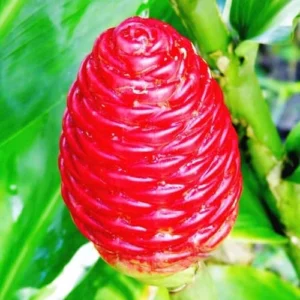
Flowers
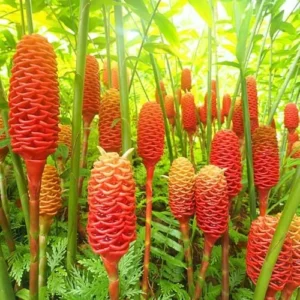
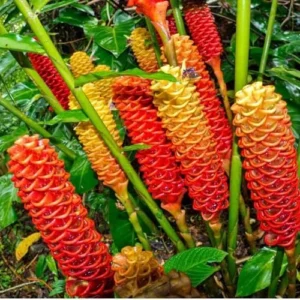
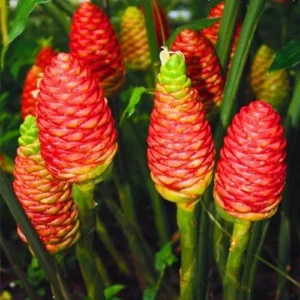
Awapuhi Shampoo Ginger Rhizomes – Fresh Zingiber Zerumbet Roots – Live Plant for Tropical Garden
Sold 62 products
Original price was: $31.98.$15.99Current price is: $15.99.
Sold 52 products
Original price was: $51.98.$25.99Current price is: $25.99.
Sold 88 products
Original price was: $47.99.$34.99Current price is: $34.99.
Sold 66 products
Original price was: $75.99.$61.99Current price is: $61.99.
Reviews
There are no reviews yet.