NEED SUPPORT WITH YOUR ORDER? Get in touch
Not satisfied with your purchase?
Enter your Order ID on website, and we'll resolve it right away.

Original price was: $93.59.$71.99Current price is: $71.99.
Bring home a versatile Pithecellobium Dulce live plant, also known as Madras Thorn tree or Manila Tamarind. This 1 ft tall plant, delivered in a 6-inch pot, offers delicious edible pods, serves as a natural hedge, and provides ample shade. It’s a resilient tree perfect for various garden environments.
Mar 03
Mar 08 - Mar 10
Mar 13 - Mar 17
USDA Hardiness Zone
Soil Type
Sunlight Exposure
Expected Planting Period
Shipping and return policies: Our Alive & Thrive Guarantee covers issues with your plants within the first 30 days. Get in touch with us via email, and our team will review your concerns and, if necessary, provide you with a one-time replacement at no cost.
If you're unsure about your hardiness zone, feel free to reach out to us. Our team will answer your questions and help you find the plants that are truly suitable for your environment, climate, and personal preferences.
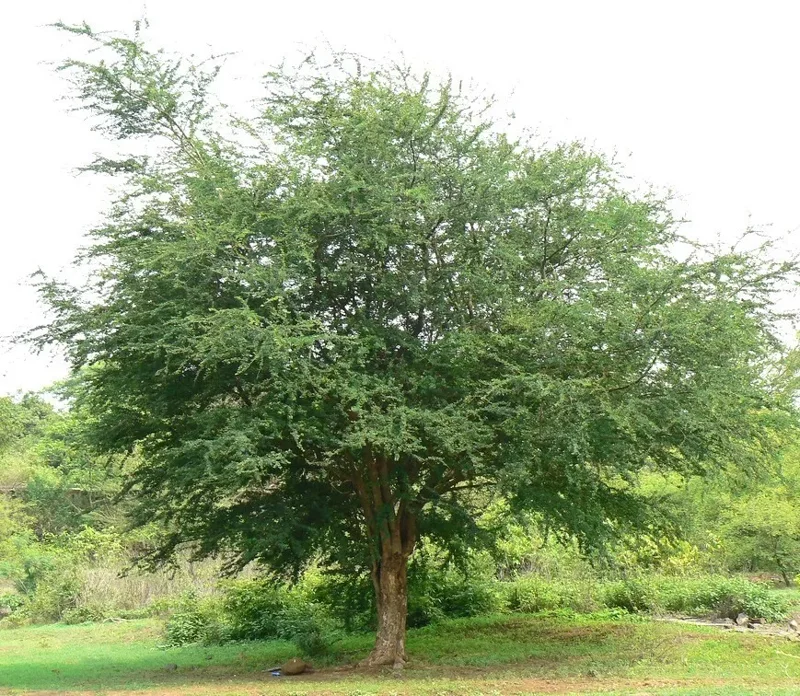
Introduce a truly remarkable specimen to your garden with the Pithecellobium Dulce live plant. Also widely recognized as the Madras Thorn tree or Manila Tamarind, this medium-sized tree is celebrated for its diverse benefits and impressive resilience. This particular offering provides a healthy 1 ft tall plant, carefully cultivated and ready for planting in a 6-inch pot. More than just an ornamental addition, the Pithecellobium Dulce offers a range of practical advantages, from producing delicious sweet pods for culinary uses to serving as a sustainable source of firewood, honey, and fodder. Its remarkable ability to thrive even in challenging climates makes it an excellent and adaptable choice for various environments and gardening needs. This semi-evergreen tree maintains a lush appearance year-round, with new growth emerging as old leaves shed.
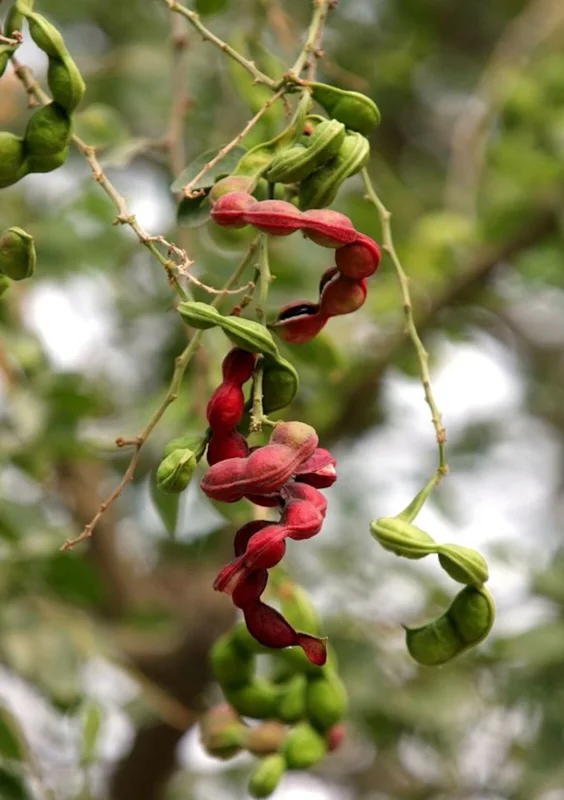
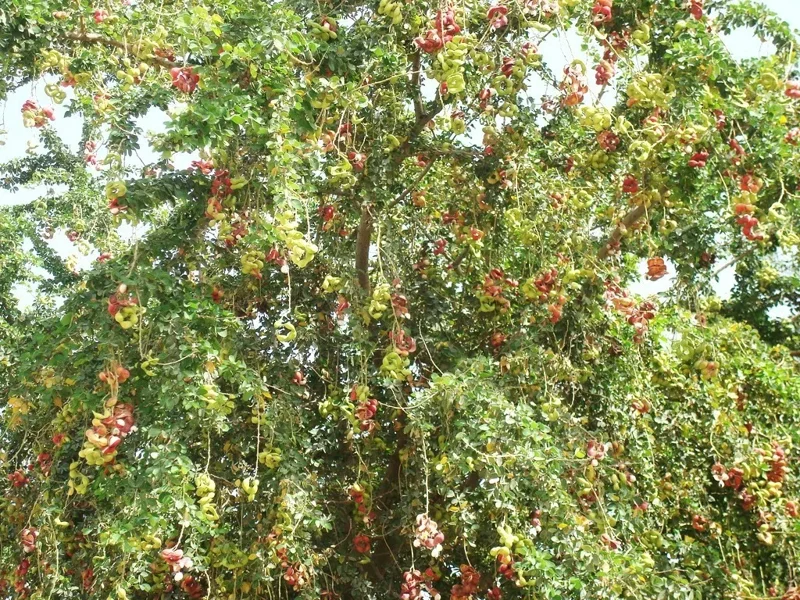
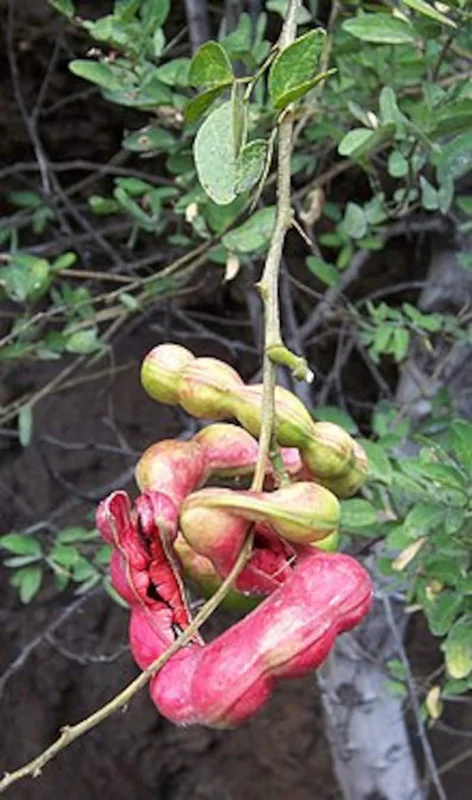
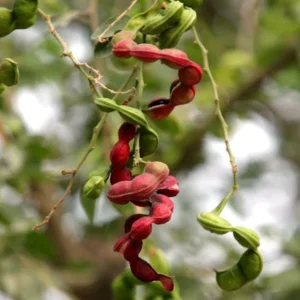
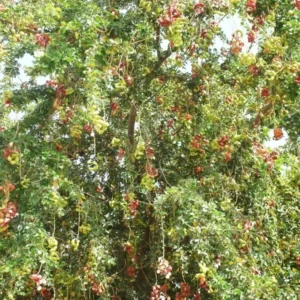
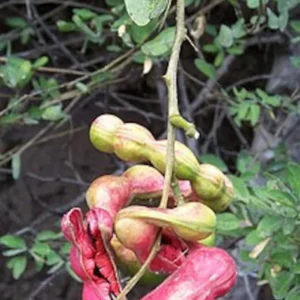
The Pithecellobium Dulce live plant stands out with its thin spines at the base of its leaves, adding to its unique character. Small, white, 1/2-inch flowers bloom in charming clusters, enhancing its aesthetic appeal. The distinctive pinkish pods, approximately 5 inches long, develop a fascinating spiral shape as they mature. These pods contain a pulp that ranges in sweetness and acidity, varying in color from white to red. The fruits of the Pithecellobium Dulce are not only visually appealing but also incredibly versatile in culinary applications. The pulp and seeds can be used to create a refreshing sweet drink or enjoyed roasted or fresh. In India, the seeds are a popular ingredient in curries, highlighting the global appeal and adaptability of this incredible Manila Tamarind plant.
The Pithecellobium Dulce live plant offers a multitude of benefits, making it an invaluable addition to any garden or landscape. Its versatility extends beyond mere aesthetics, providing both practical and sustainable advantages.
Caring for your Pithecellobium Dulce live plant is relatively straightforward, especially once it establishes itself. Understanding its basic needs will ensure vigorous growth and abundant fruiting. This resilient tree is known for its adaptability, but providing optimal conditions will maximize its health and productivity. The Pithecellobium Dulce care routine emphasizes proper sunlight, well-draining soil, and mindful watering.
For sunlight requirements, the Madras Thorn tree thrives in full sun. It needs at least 6-8 hours of direct sunlight daily to ensure optimal growth and fruit production. Plant it in a location where it will receive unobstructed sunlight throughout the day. When it comes to watering, while it is drought-tolerant once established, young plants will require regular watering to help them get started. Water deeply and consistently, allowing the top inch or two of soil to dry out between waterings. Avoid waterlogging, as this can lead to root rot. For soil, the Pithecellobium Dulce prefers well-draining soil and is adaptable to various soil types, though it thrives best in slightly acidic to neutral pH levels. Incorporating organic matter can improve soil structure and fertility.
The Pithecellobium Dulce live plant is suitable for USDA zones 9-11, preferring warmer climates. Protect young plants from frost if you are in a borderline zone. Fertilization is generally not heavily required for established trees, but a balanced, slow-release fertilizer can be applied in spring to support new growth. For young trees, fertilize every 2-3 months during the growing season. Pruning can be done to shape the tree, remove dead or diseased branches, and encourage better air circulation and fruit production. Common problems are rare, but watch for pests like aphids or scale insects, which can usually be managed with horticultural oil or insecticidal soap. Ensuring good air circulation and proper watering helps prevent fungal issues.
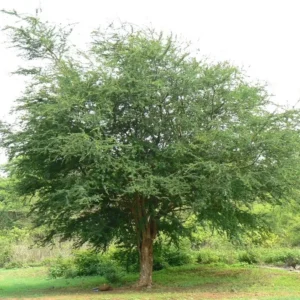
This offering is for one Pithecellobium Dulce live plant, which arrives approximately 1 foot tall, carefully nurtured in a 6-inch nursery pot. This size provides a robust young tree ready for transplanting into your garden or a larger container. The Pithecellobium Dulce is a medium-sized tree that can eventually reach heights of 20-50 feet, depending on environmental conditions, climate, and care. Its spread can also be substantial, providing a wide canopy for shade. The growth rate is moderate, allowing it to establish well within a few years. Flowers typically appear after the tree has matured for a few years, followed by the distinctive spiraled pods. This Manila Tamarind plant is shipped as a healthy, actively growing specimen, ensuring a strong start in its new home.
The tree’s semi-evergreen nature means it maintains foliage throughout the year in warmer climates, while in cooler zones or during dry periods, it may shed leaves, quickly replacing them with new growth. The pinkish pods, about 5 inches long, are a key feature and will develop as the tree matures and flowers. This edible pod tree is a long-lived species, offering decades of benefits and beauty to your landscape. The 6-inch pot provides sufficient soil and nutrients for the plant during transit and initial acclimation before it needs to be moved to its permanent location in the ground or a larger pot.
You must be logged in to post a review.
Sold 55 products
Original price was: $67.98.$33.99Current price is: $33.99.
Sold 59 products
Original price was: $243.98.$121.99Current price is: $121.99.
Sold 56 products
Original price was: $259.98.$129.99Current price is: $129.99.
Sold 50 products
Original price was: $359.98.$179.99Current price is: $179.99.
Sold 81 products
Original price was: $99.98.$49.99Current price is: $49.99.
Sold 86 products
Original price was: $299.94.$149.97Current price is: $149.97.
Sold 94 products
Original price was: $35.98.$17.99Current price is: $17.99.
Sold 78 products
Original price was: $319.98.$159.99Current price is: $159.99.

Reviews
There are no reviews yet.