NEED SUPPORT WITH YOUR ORDER? Get in touch
Not satisfied with your purchase?
Enter your Order ID on website, and we'll resolve it right away.

Original price was: $52.99.$30.99Current price is: $30.99.
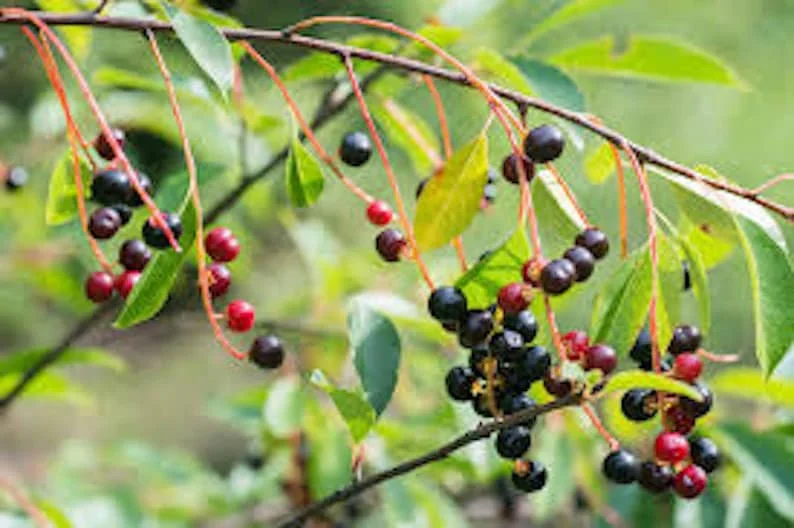
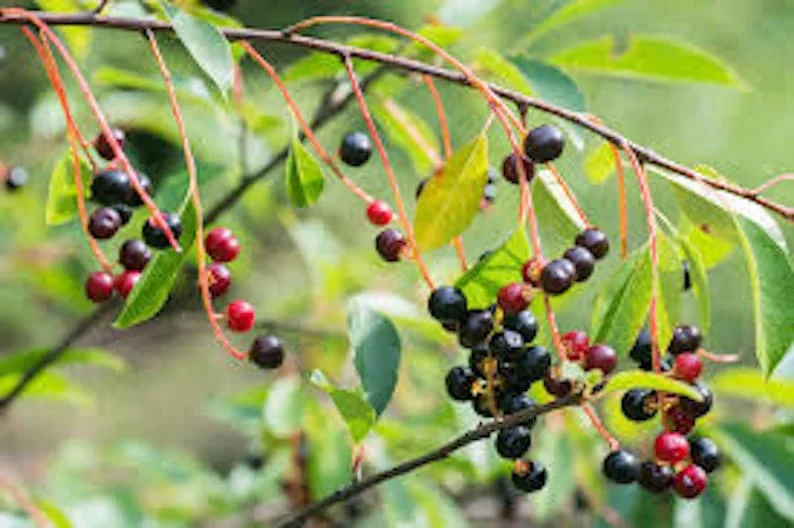
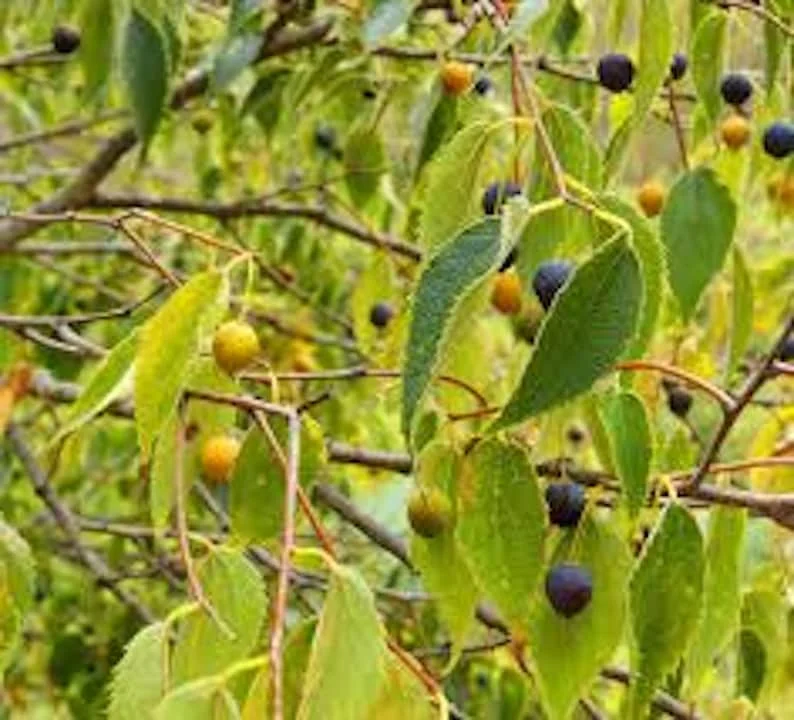
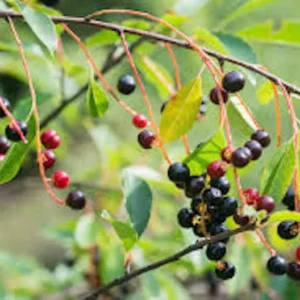
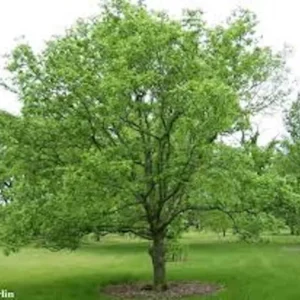
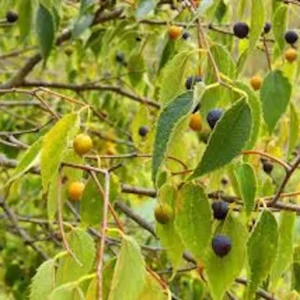
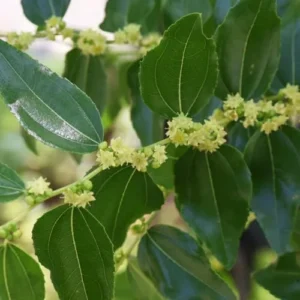
Cultivate a robust hackberry tree plant (Celtis occidentalis) in your landscape. This 12-24 inch tall plant, also known as the sugar berry tree, is adaptable, low-maintenance, and ideal for USDA Zones 3-9. It provides excellent shade and attracts wildlife, making it a perfect addition for a thriving outdoor environment.
Feb 04
Feb 09 - Feb 11
Feb 14 - Feb 18
USDA Hardiness Zone
Soil Type
Sunlight Exposure
Expected Planting Period
Shipping and return policies: Our Alive & Thrive Guarantee covers issues with your plants within the first 30 days. Get in touch with us via email, and our team will review your concerns and, if necessary, provide you with a one-time replacement at no cost.
If you're unsure about your hardiness zone, feel free to reach out to us. Our team will answer your questions and help you find the plants that are truly suitable for your environment, climate, and personal preferences.
Bring resilience and natural beauty to your landscape with the hackberry tree plant. This impressive specimen, scientifically known as Celtis occidentalis, is also commonly referred to as the sugar berry tree. Originating from North America, the common hackberry tree is celebrated for its incredible adaptability and hardiness, making it a fantastic choice for a wide range of climates and soil conditions. This listing provides a thriving 12-24 inch tall plant, ready to establish itself and grow into a majestic shade tree in your yard. Depending on the season, your plant will arrive either bare root during fall and winter, or securely potted during the active growing season, ensuring successful transplanting and vigorous growth. The hackberry tree plant is a long-lasting and impactful addition to any property, offering both aesthetic appeal and ecological benefits.
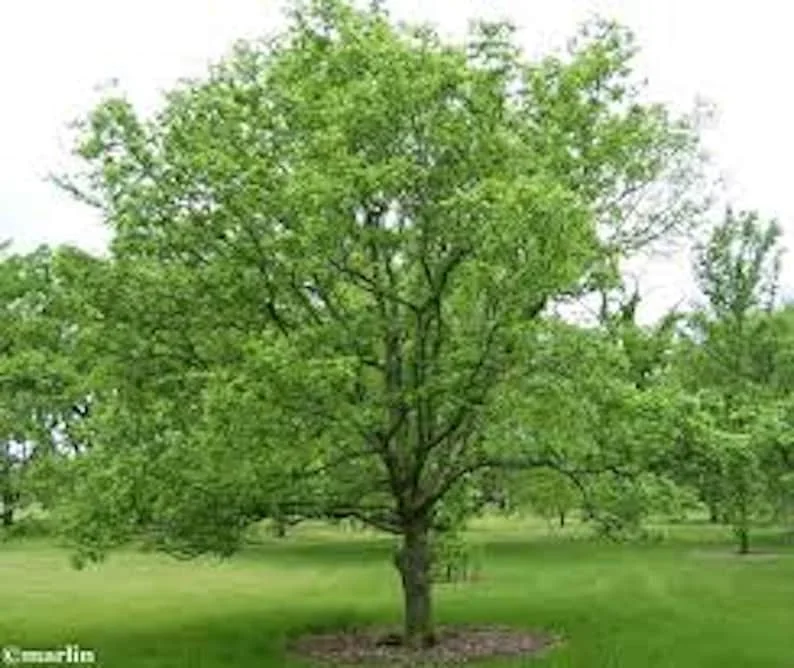
The common hackberry tree is a deciduous tree known for its distinctive rounded crown and gracefully upright, spreading branches. It is perfectly suited for USDA Zones 3-9, reaching a mature height of 40-60 feet. Its robust nature and tolerance for various conditions make it an excellent, low-maintenance option for homeowners seeking a beautiful and beneficial tree. Whether you’re looking to enhance your garden’s biodiversity or create a cool, comfortable retreat, the hackberry tree plant is an outstanding choice that will provide enjoyment for years to come.
Planting a hackberry tree plant offers numerous advantages, transforming your outdoor space into a vibrant and comfortable haven. Its natural characteristics contribute significantly to both the environment and your property’s appeal.
Caring for your hackberry tree plant is straightforward due to its inherent hardiness and adaptability. To ensure your tree thrives and reaches its full potential, follow these simple guidelines. Upon receiving your plant, especially if it’s a bare root specimen, it is crucial to keep the roots moist until you are ready to plant. Plant it as soon as possible after arrival, and water thoroughly immediately after planting to help it establish. During its first growing season, consistent watering is key to establishing a strong root system for your sugar berry tree.
The common hackberry tree prefers full sun exposure, meaning at least six hours of direct sunlight per day, for optimal growth and fruit production. However, it is quite resilient and can also tolerate partial shade, providing flexibility when selecting the perfect planting spot in your yard. While highly adaptable, these trees thrive best in well-drained soil. They can tolerate a range of soil types, from moist to dry, and are not particularly fussy about pH levels. Regular watering is important during dry spells, especially for young trees, but mature trees are quite drought-tolerant. Fertilization is generally not needed for established trees in good soil, but a balanced slow-release fertilizer can be applied in spring for young trees to encourage vigorous growth. The hackberry tree care routine is relatively simple, making it a great choice for various gardeners.
The ideal time for planting your hackberry tree plant is during the dormant season, which typically falls in late autumn after leaf drop or in early spring before new growth begins. This allows the tree to establish its root system before the stress of summer heat or active growth. Pruning should be done in late winter or early spring to remove any dead, damaged, or crossing branches, which helps maintain the tree’s structure and promotes healthy growth. While generally robust, keep an eye out for common issues like powdery mildew or leaf spot, though these rarely cause significant damage to healthy trees. The resilience of the celtis occidentalis tree makes it a truly rewarding plant to grow.
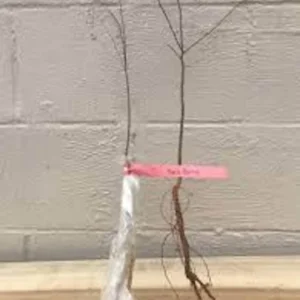
This offering includes a hackberry tree plant that stands between 12 to 24 inches tall at the time of shipment, providing a significant head start for establishing a mature tree in your landscape. These young trees are robust and ready for planting, offering a strong foundation for future growth. Mature hackberry tree plants typically reach an impressive height of 40-60 feet with a spread of 30-50 feet, providing substantial shade and presence in your yard. The growth rate is moderate to fast, allowing you to enjoy its benefits relatively quickly. Depending on the season, your plant will arrive either as a bare root specimen during the dormant fall and winter months or securely potted during the active growing season, ensuring successful transplanting.
The sugar berry tree is suited for USDA Hardiness Zones 3-9, indicating its wide adaptability across various climates in the United States. It will develop a distinctive rounded crown and gracefully upright, spreading branches. Expect this tree to provide shade and attract wildlife for many decades, adding lasting value and beauty to your property. The celtis occidentalis tree is a long-term investment in your home’s natural environment.
You must be logged in to post a review.
Sold 75 products
Original price was: $59.98.$29.99Current price is: $29.99.
Sold 66 products
Original price was: $69.98.$34.99Current price is: $34.99.
Sold 61 products
Original price was: $219.98.$109.99Current price is: $109.99.
Sold 89 products
Original price was: $259.78.$129.89Current price is: $129.89.
Sold 59 products
Original price was: $259.78.$129.89Current price is: $129.89.
Sold 87 products
Original price was: $55.98.$27.99Current price is: $27.99.
Sold 65 products
Original price was: $371.98.$185.99Current price is: $185.99.
Sold 84 products
Original price was: $257.98.$128.99Current price is: $128.99.
Reviews
There are no reviews yet.