NEED SUPPORT WITH YOUR ORDER? Get in touch
Not satisfied with your purchase?
Enter your Order ID on website, and we'll resolve it right away.
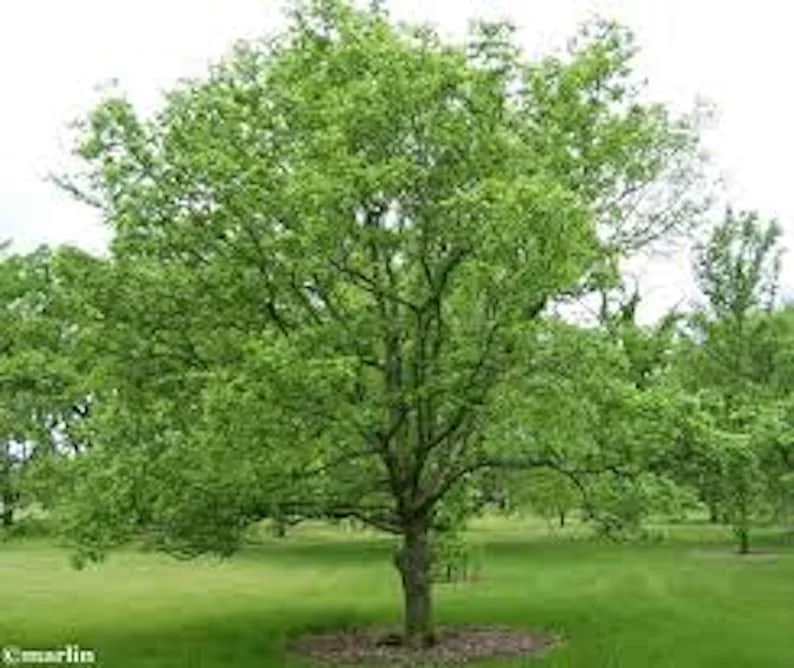
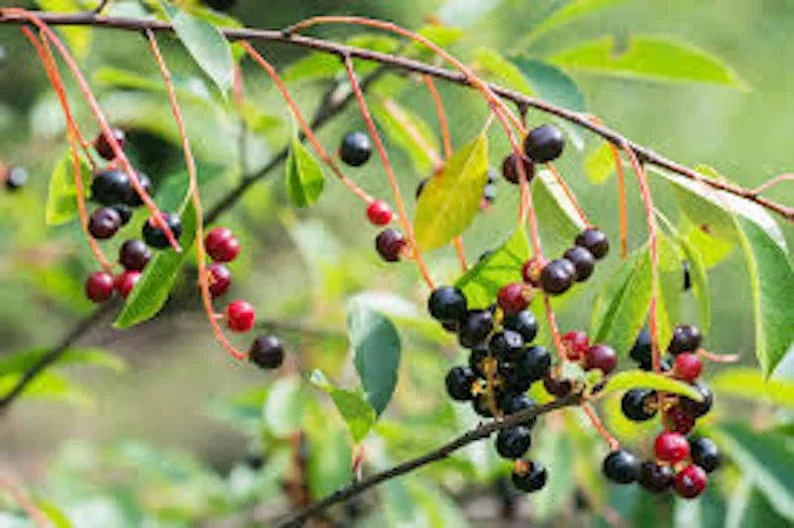
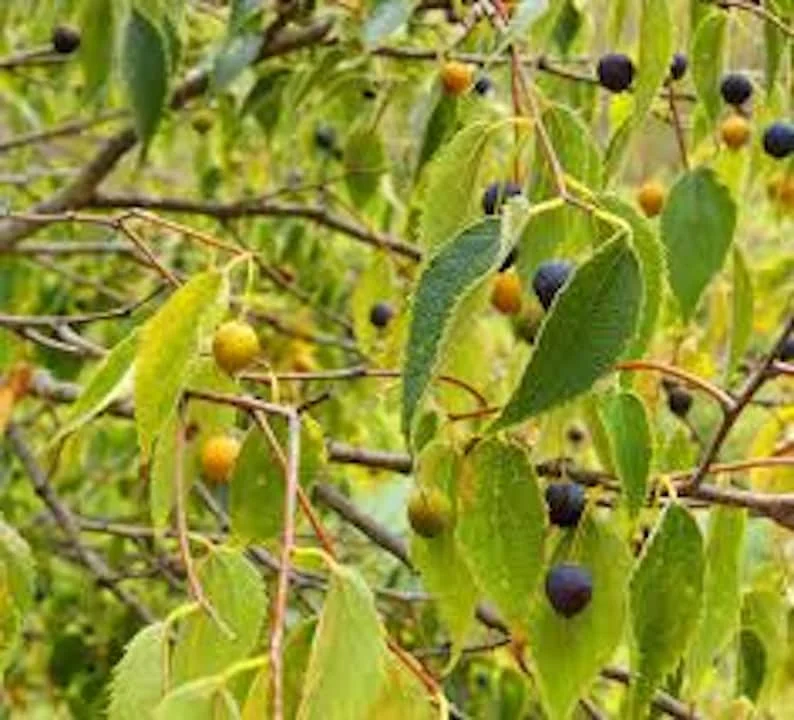

Original price was: $80.99.$59.99Current price is: $59.99.
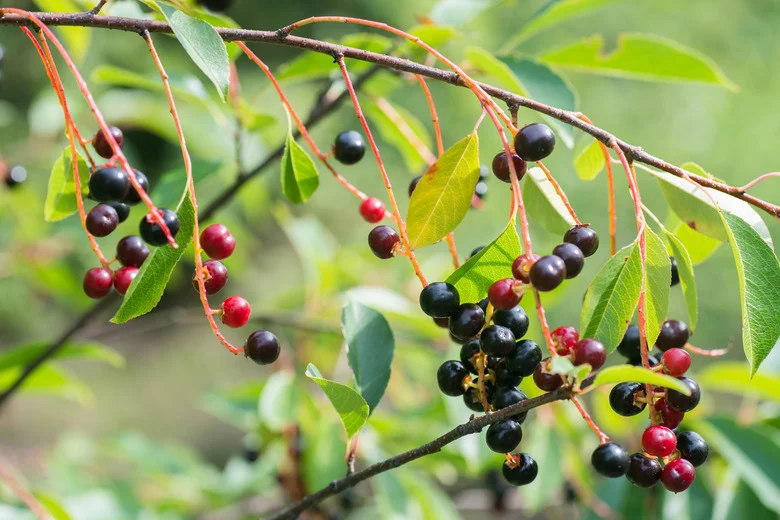
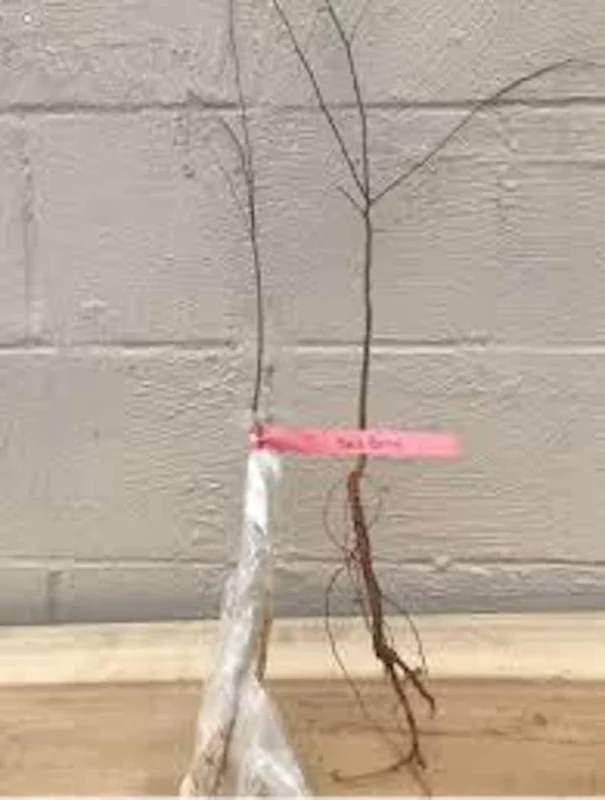
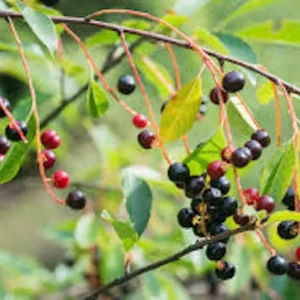
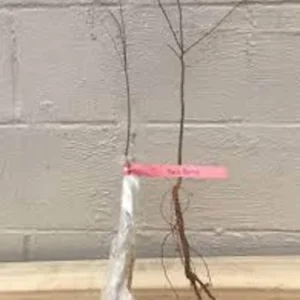
Cultivate a vibrant landscape with this Hackberry tree live plant 3-pack. Each Hackberry tree live plant measures 12 to 24 inches, shipped as bare root specimens (Celtis occidentalis). Known for its resilience and adaptability, this resilient shade tree provides ample shade, attracts wildlife, and thrives in various conditions. Ideal for creating a beautiful and ecologically beneficial outdoor space.
Mar 03
Mar 08 - Mar 10
Mar 13 - Mar 17
USDA Hardiness Zone
Soil Type
Sunlight Exposure
Expected Planting Period
Shipping and return policies: Our Alive & Thrive Guarantee covers issues with your plants within the first 30 days. Get in touch with us via email, and our team will review your concerns and, if necessary, provide you with a one-time replacement at no cost.
If you're unsure about your hardiness zone, feel free to reach out to us. Our team will answer your questions and help you find the plants that are truly suitable for your environment, climate, and personal preferences.
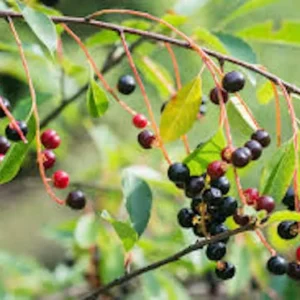
Transform your outdoor space with the robust and beautiful Hackberry tree live plant. This listing offers a practical 3-pack of these magnificent trees, scientifically known as Celtis occidentalis. Each Hackberry tree live plant is carefully cultivated to measure between 12 and 24 inches tall, making them ideal for successful transplanting into your garden or landscape. Often affectionately referred to as the Sugar Berry tree due to its small, edible fruits, the Hackberry is highly prized for its exceptional resilience, striking aesthetic features, and significant ecological benefits. It stands as an excellent choice for anyone seeking a durable, attractive, and low-maintenance tree that contributes positively to the environment. Whether you’re looking to create substantial shade, attract local wildlife, or simply add a touch of natural beauty, the Hackberry tree is a superb addition.
These versatile trees are shipped as bare root during the cooler fall and winter months, ensuring optimal dormancy for a smooth and successful transplant process. For orders placed during the active growing season, they are thoughtfully shipped in pots to safeguard their delicate root systems. The Hackberry’s remarkable ability to thrive across a diverse range of environmental conditions makes it a perfect selection for various landscapes, including challenging urban settings. The Sugar Berry tree is particularly valued for its capacity to provide ample shade during hot summer months, significantly helping to cool your property, and its crucial role in attracting diverse wildlife, thereby enriching the biodiversity of your yard.
The Hackberry tree offers a multitude of advantages for any gardener or homeowner. Its unique characteristics make it a standout choice for both aesthetic appeal and environmental contribution. Adding a Hackberry tree live plant to your property is an investment in long-term beauty and ecological health.
Caring for your Hackberry tree live plant is relatively straightforward, thanks to its inherent resilience. Understanding its basic needs will ensure vigorous growth and a healthy, long-lived tree. The Celtis occidentalis care requirements are minimal once established, making it a rewarding addition to any garden.
Sunlight Requirements: Hackberry trees prefer full sun exposure, meaning at least 6 hours of direct sunlight per day, for optimal growth and fruit production. However, they are remarkably tolerant of partial shade conditions, making them versatile for various planting locations. Ensure they receive adequate light to develop a strong canopy. Watering Schedule: Young Hackberry trees require consistent moisture to establish a strong root system. Water deeply and regularly, especially during dry spells and the first few growing seasons. Once established, they become quite drought-tolerant and can withstand periods of dryness, though occasional deep watering during extended droughts will be beneficial. Avoid overwatering, as this can lead to root rot.
Soil Type and Drainage: While highly adaptable, Hackberry trees prefer well-drained, rich, and moist soils for optimal growth. They can tolerate a wide range of soil conditions, including sandy, loamy, and clay soils, as well as various pH levels. Good drainage is crucial to prevent waterlogging. If your soil is heavy clay, consider amending it with organic matter to improve drainage and aeration. Temperature Range and USDA Hardiness Zone: These resilient trees are well-suited for a wide range of climates, thriving in USDA hardiness zones 3 through 9. This broad range highlights their ability to withstand both cold winters and hot summers. They are quite cold-hardy, making them an excellent choice for many regions across the United States. Fertilization Schedule: Generally, established Hackberry trees do not require extensive fertilization. If growth appears stunted or leaves are discolored, a balanced, slow-release fertilizer can be applied in early spring. For young trees, a light application of compost around the base can provide essential nutrients. Avoid over-fertilizing, which can harm the tree. Common Problems: Hackberry trees are generally pest and disease resistant. However, they can occasionally be affected by Hackberry nipple gall, which causes small bumps on the leaves but rarely harms the tree’s health. Powdery mildew can occur in humid conditions but is usually not severe. Ensuring good air circulation and proper watering practices can help prevent most issues. This minimal need for intervention further solidifies its reputation as a resilient shade tree.
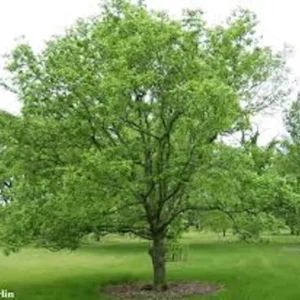
This offering includes a 3-pack of Hackberry tree live plant specimens, each carefully grown to be between 12 and 24 inches tall at the time of shipment. These bare root plants are prepared for optimal establishment in your garden. The Common Hackberry (Celtis occidentalis) is a fast-growing deciduous tree that typically reaches an impressive mature height of 40-60 feet, with some specimens growing even taller under ideal conditions. It develops a distinctive round crown with upright, spreading branches, creating a magnificent silhouette. The mature spread can be anywhere from 30-50 feet, making it a substantial shade tree. The growth rate is moderate to fast, typically adding 13-24 inches of height per year. These trees are shipped as bare roots during dormancy (fall/winter) to ensure the best possible start, while during the active growing season, they are shipped in pots to protect the root system. Expect these trees to provide significant shade and ecological benefits for decades to come, becoming a prominent feature in your landscape. Understanding Celtis occidentalis care will help ensure these young plants thrive.
You must be logged in to post a review.

Sold 66 products
Original price was: $243.98.$121.99Current price is: $121.99.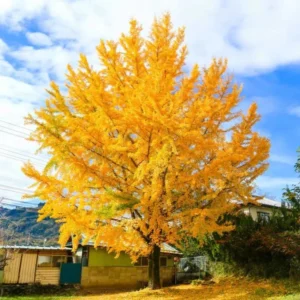
Sold 59 products
Original price was: $45.98.$22.99Current price is: $22.99.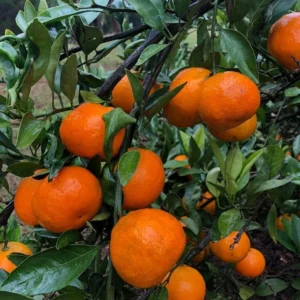
Sold 96 products
Original price was: $259.78.$129.89Current price is: $129.89.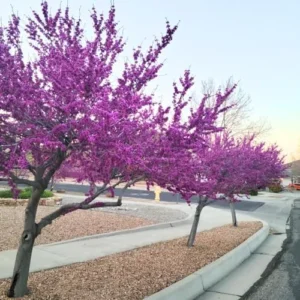
Sold 54 products
Original price was: $35.98.$17.99Current price is: $17.99.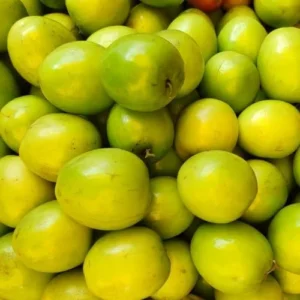
Sold 52 products
Original price was: $371.98.$185.99Current price is: $185.99.
Sold 85 products
Original price was: $243.98.$121.99Current price is: $121.99.
Sold 51 products
Original price was: $299.94.$149.97Current price is: $149.97.
Sold 70 products
Original price was: $55.98.$27.99Current price is: $27.99.

Reviews
There are no reviews yet.