NEED SUPPORT WITH YOUR ORDER? Get in touch
Not satisfied with your purchase?
Enter your Order ID on website, and we'll resolve it right away.

Original price was: $61.18.$33.99Current price is: $33.99.
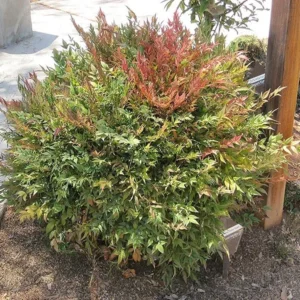
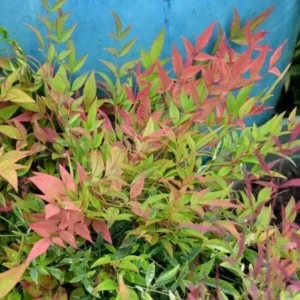
Add year-round beauty with the dwarf nandina plant, a compact evergreen shrub perfect for small gardens, borders, and containers. Enjoy vibrant foliage, delicate white flowers, and bright red berries. This low-maintenance compact nandina shrub is also deer and insect resistant.
Feb 04
Feb 09 - Feb 11
Feb 14 - Feb 18
USDA Hardiness Zone
Soil Type
Sunlight Exposure
Expected Planting Period
Shipping and return policies: Our Alive & Thrive Guarantee covers issues with your plants within the first 30 days. Get in touch with us via email, and our team will review your concerns and, if necessary, provide you with a one-time replacement at no cost.
If you're unsure about your hardiness zone, feel free to reach out to us. Our team will answer your questions and help you find the plants that are truly suitable for your environment, climate, and personal preferences.
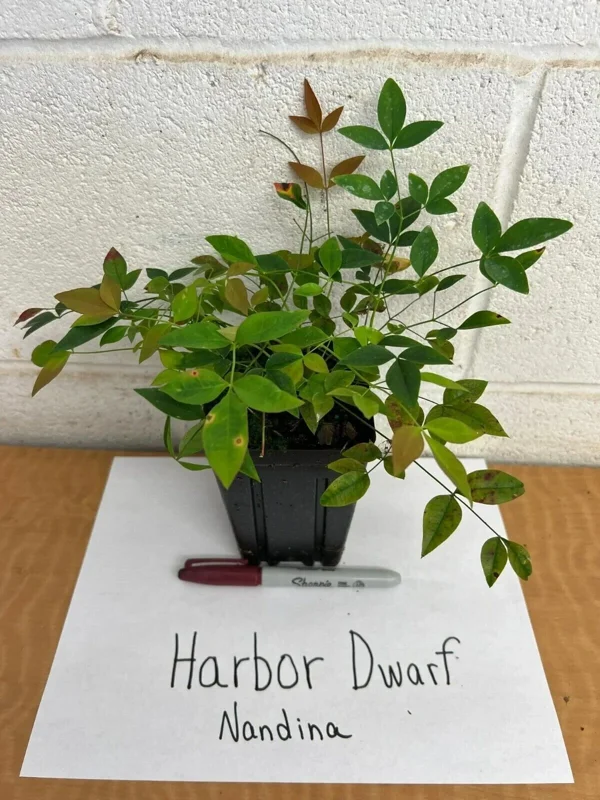
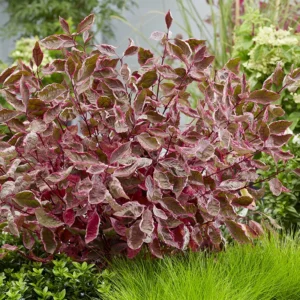
Introduce lasting beauty and vibrant color to your landscape with the dwarf nandina plant. This captivating live shrub, often referred to as heavenly bamboo, is a compact variety of Nandina domestica, specifically Nandina domestica ‘Harbor Dwarf’. Renowned for its dynamic seasonal changes, this plant offers year-round visual interest that transforms your outdoor space. The dwarf nandina plant is celebrated for its manageable size, making it an ideal choice for a variety of garden applications, from accentuating borders to thriving in containers. Its unique combination of delicate white flowers, bright red berries, and ever-changing foliage colors ensures a stunning display through all seasons.
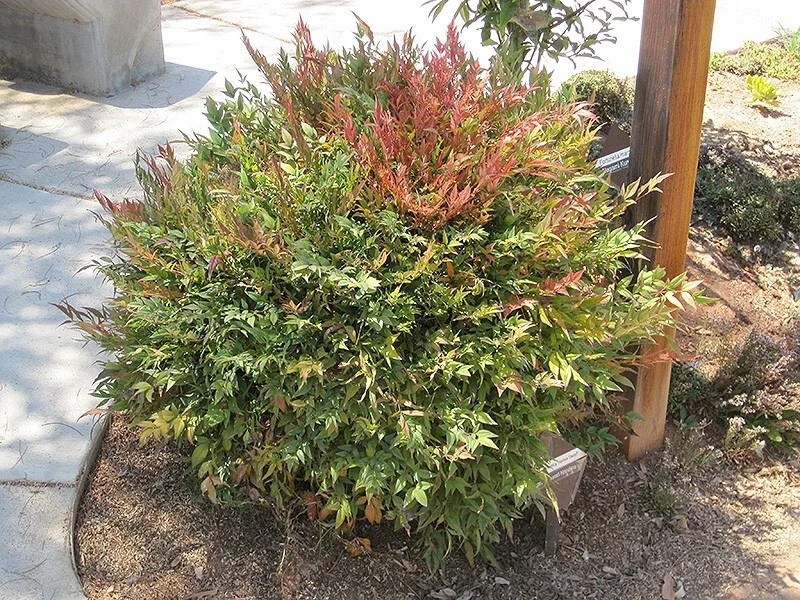
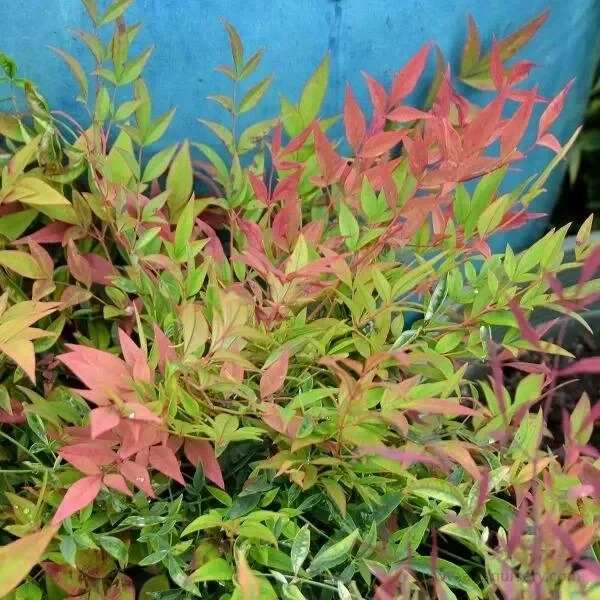
The ‘Harbor Dwarf’ cultivar is particularly prized for its low-growing habit and dense foliage. Unlike its taller relatives, this compact nandina shrub typically reaches a mature height of only about 18 inches, making it perfect for areas where space is a premium. Its elegant deep green leaves transition into breathtaking shades of maroon, burgundy, red, and orange as cooler weather approaches, providing a warm glow even in winter. This robust and versatile plant is a fantastic addition for both novice and experienced gardeners seeking a resilient and visually appealing option that demands minimal care.
The dwarf nandina plant offers a multitude of benefits that make it a standout choice for any garden design. Its adaptability and aesthetic appeal contribute significantly to its popularity and ease of integration into diverse landscapes.
Caring for your dwarf nandina plant is straightforward, ensuring a thriving and beautiful addition to your garden with minimal effort. This resilient shrub is known for its hardiness and adaptability, making it a favorite among gardeners of all skill levels. For optimal growth, understanding its basic needs for sunlight, water, and soil is key to enjoying its vibrant year-round color plant characteristics.
When it comes to sunlight, the Dwarf Nandina is quite flexible. It performs well in both full sun and partial shade. In hotter climates, some afternoon shade can protect the foliage from scorching, while in cooler regions, more sun will encourage more vibrant fall and winter color. Aim for at least 4-6 hours of direct sunlight daily for the best performance. Watering should be consistent, especially during the establishment period. Once mature, the dwarf nandina plant is moderately drought-tolerant but will appreciate regular watering during prolonged dry spells. Ensure the soil is well-drained, as it does not tolerate soggy conditions. It thrives in various soil types, including sandy, loamy, and clay soils, as long as drainage is adequate.
This compact nandina shrub is hardy in USDA zones 6a-11, making it suitable for a wide range of climates. Fertilization is generally not heavily required; a balanced, slow-release granular fertilizer applied in early spring can promote healthy growth. Pruning is minimal, usually only needed to remove any dead or damaged branches or to maintain a desired shape. The plant’s natural compact form means extensive shaping is rarely necessary. Its inherent resistance to deer and most common insect pests further contributes to its low-maintenance reputation, making this deer resistant nandina a truly hassle-free plant.
This offering includes a healthy dwarf nandina plant, provided in a 4-inch nursery pot, ready for planting. At maturity, this particular variety, Nandina domestica ‘Harbor Dwarf’, typically reaches a compact height of about 18 inches (approximately 45 cm) with a similar spread. Its slow to moderate growth rate ensures it maintains its tidy form without becoming overgrown, making it an excellent choice for sustained garden beauty.
Shipped as a live, rooted plant in its nursery container, it is well-established and prepared to transition smoothly into your garden or a larger pot. The plant’s robust nature means it will quickly adapt to its new environment, beginning to display its characteristic deep green foliage that will later transform into stunning shades of maroon, burgundy, and red. Expect the delicate white flowers to emerge in late spring to early summer, followed by the development of bright red berries that persist through the cooler months, providing continuous year-round color plant appeal.
You must be logged in to post a review.
Sold 67 products
Original price was: $55.58.$27.79Current price is: $27.79.
Sold 94 products
Original price was: $74.99.$44.99Current price is: $44.99.
Sold 72 products
Original price was: $110.99.$99.99Current price is: $99.99.
Sold 94 products
Original price was: $37.98.$18.99Current price is: $18.99.
Sold 53 products
Original price was: $64.99.$44.99Current price is: $44.99.
Sold 93 products
Original price was: $45.98.$22.99Current price is: $22.99.
Sold 68 products
Original price was: $70.99.$40.99Current price is: $40.99.
Sold 77 products
Original price was: $74.99.$44.99Current price is: $44.99.
Reviews
There are no reviews yet.