NEED SUPPORT WITH YOUR ORDER? Get in touch
Not satisfied with your purchase?
Enter your Order ID on website, and we'll resolve it right away.

Original price was: $29.99.$22.99Current price is: $22.99.
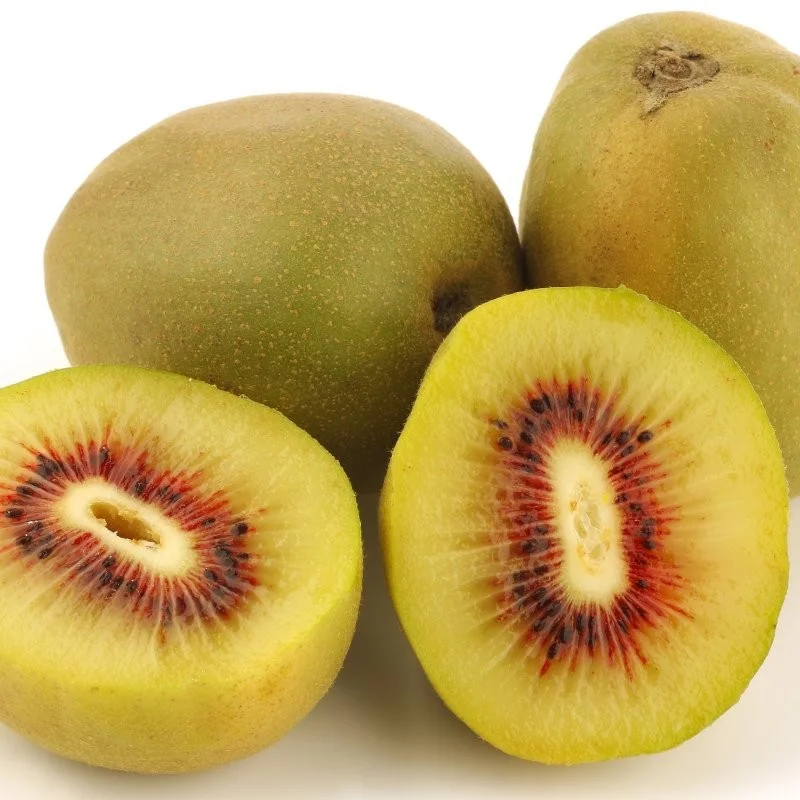
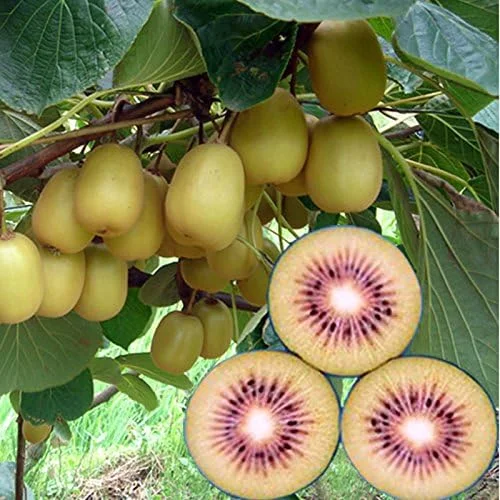
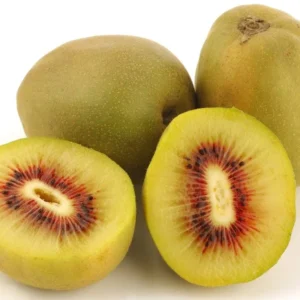
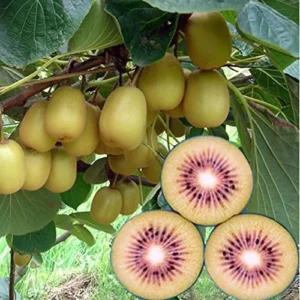
Cultivate your own sweet and tangy treats with this hardy kiwi tree. This 6-14" yellow kiwi plant is a female vine, requiring a male pollinator for abundant fruit production. Ideal for USDA Zone 5, it adds beauty and delicious fruit to your garden.
Feb 04
Feb 09 - Feb 11
Feb 14 - Feb 18
USDA Hardiness Zone
Soil Type
Sunlight Exposure
Expected Planting Period
Shipping and return policies: Our Alive & Thrive Guarantee covers issues with your plants within the first 30 days. Get in touch with us via email, and our team will review your concerns and, if necessary, provide you with a one-time replacement at no cost.
If you're unsure about your hardiness zone, feel free to reach out to us. Our team will answer your questions and help you find the plants that are truly suitable for your environment, climate, and personal preferences.
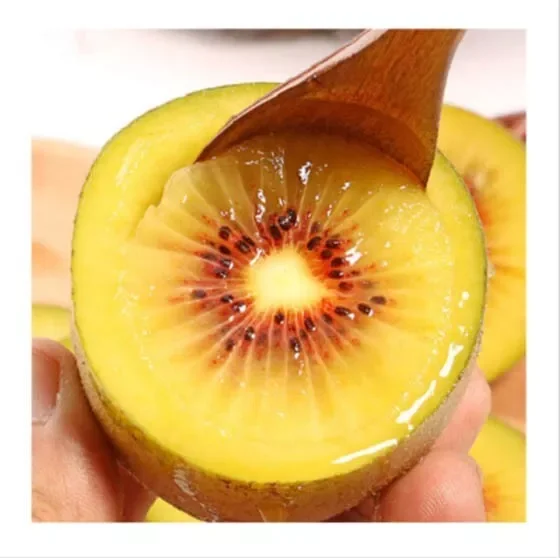
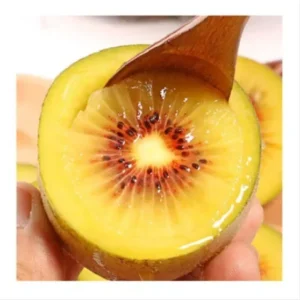
Embark on a delightful gardening journey by adding a hardy kiwi tree to your landscape. This offering is for a vigorous yellow kiwi plant, a female vine measuring between 6-14 inches, ready to establish itself and eventually bear delicious, sweet, and tangy fruit. While this female vine requires a separate male kiwi plant for successful pollination and fruit set, the reward of harvesting your own homegrown kiwis is immeasurable. Imagine the satisfaction of plucking fresh, succulent fruit directly from your backyard, perfect for snacking, desserts, or smoothies. This particular kiwi variety, known for its yellow-fleshed fruit, is a fantastic choice for gardeners looking to cultivate a unique and productive edible plant. Even if your plant arrives with minor leaf imperfections from natural feeding, its long-term health and vitality are assured, promising years of growth and potential harvests.
The yellow kiwi plant is not just about fruit; it’s also a beautiful and robust vine that provides significant vertical interest. With proper care, this fast-growing vine can transform arbors, trellises, and fences into lush, green canopies. Its adaptability to colder climates, specifically USDA Hardiness Zone 5, makes it a resilient choice for many regions. Growing your own hardy kiwi tree allows you to enjoy fresh, pesticide-free fruit and contributes to a more sustainable lifestyle. Embrace the joy of fruit gardening with this exceptional plant.
Growing a hardy kiwi tree offers a multitude of advantages beyond just its delicious fruit. This versatile vine enhances your garden’s aesthetic and ecological value, providing both beauty and bounty. The ease of care for a yellow kiwi plant makes it a rewarding choice for both seasoned gardeners and those new to fruit cultivation.
To successfully grow kiwi fruit, especially with a hardy kiwi tree, understanding its specific care requirements is essential. This yellow kiwi plant thrives when provided with optimal conditions, ensuring vigorous growth and abundant fruit production. One of the most crucial aspects is sunlight; hardy kiwis require full sun exposure, meaning at least 6 hours of direct sunlight per day. Choose a planting site that receives ample light throughout the day to fuel its growth and fruit development. Good air circulation is also beneficial to prevent fungal issues.
Proper soil and watering are equally important for your kiwi vine for sale. Hardy kiwis prefer well-draining soil that is rich in organic matter. Avoid heavy clay soils that retain too much moisture, as this can lead to root rot. If your soil is heavy, amend it with compost, peat moss, or other organic materials to improve drainage and fertility. Consistent moisture is key, especially during dry spells and the fruit development period. Water deeply and regularly, allowing the top layer of soil to dry slightly between waterings. However, do not let the soil become completely dry, as this can stress the plant.
Pruning is vital for managing the size and maximizing fruit production of your hardy kiwi tree. Establish a strong support structure, such as a sturdy trellis, arbor, or fence, as the vines can reach impressive lengths of 20-30 feet. Prune in late winter or early spring to remove dead or weak wood and to shape the vine. Summer pruning can help manage growth and improve air circulation. Fertilize in early spring with a balanced slow-release fertilizer, following product instructions. Monitor for pests like caterpillars, which may occasionally nibble leaves, but generally, the plant is quite resilient. Remember, for fruit production, a male pollinator vine must be planted nearby, ideally 8-10 feet apart, to ensure your female yellow kiwi plant yields fruit. Understanding how to best grow kiwi fruit will lead to a rewarding harvest.
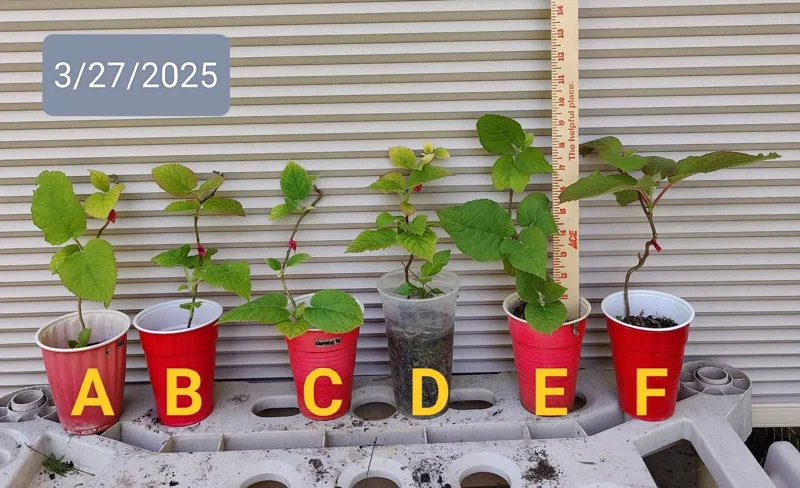
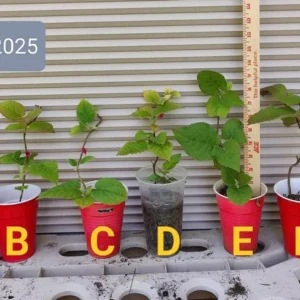
This offering is for a vibrant yellow kiwi plant, a live vine that typically measures between 6 to 14 inches in height upon arrival. It is a female variety, meaning it has the potential to produce delicious fruit, but it absolutely requires a male kiwi vine for successful pollination. The plant will be shipped in a nursery pot, ready for transplanting into your garden or a larger container. These vigorous vines are known for their rapid growth and can eventually reach an impressive height of 20 to 30 feet, creating a lush and productive landscape feature. Expect the plant to take approximately 3-5 years to begin producing fruit after planting, allowing it to establish a strong root system and mature sufficiently.
The hardy kiwi tree is an excellent choice for temperate climates, thriving in USDA cold hardiness zone 5. It prefers full sun exposure and well-draining soil to achieve its best growth and fruit yield. Its white spring flowers are a beautiful precursor to the fruit, attracting beneficial pollinators. With proper care and a nearby male counterpart, this kiwi vine for sale will provide a bountiful harvest of sweet and tangy kiwis for many seasons to come. This plant offers a unique opportunity to grow kiwi fruit that is both delicious and ornamental.
You must be logged in to post a review.
Sold 50 products
Original price was: $57.98.$28.99Current price is: $28.99.
Sold 62 products
Original price was: $64.99.$34.99Current price is: $34.99.
Sold 75 products
Original price was: $58.58.$29.29Current price is: $29.29.
Sold 73 products
Original price was: $72.99.$52.99Current price is: $52.99.
Sold 72 products
Original price was: $64.99.$34.99Current price is: $34.99.
Sold 75 products
Original price was: $89.99.$57.99Current price is: $57.99.
Sold 59 products
Original price was: $53.98.$26.99Current price is: $26.99.
Sold 98 products
Original price was: $56.99.$44.90Current price is: $44.90.
Reviews
There are no reviews yet.