NEED SUPPORT WITH YOUR ORDER? Get in touch
Not satisfied with your purchase?
Enter your Order ID on website, and we'll resolve it right away.

$51.99
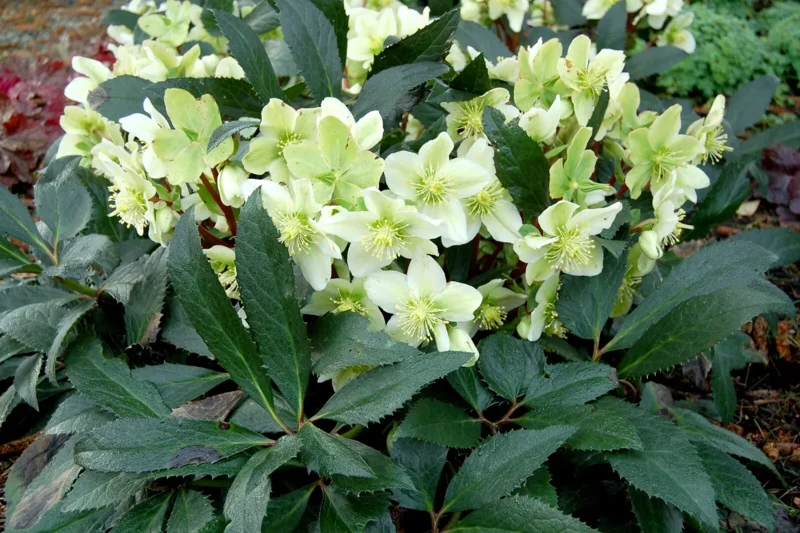
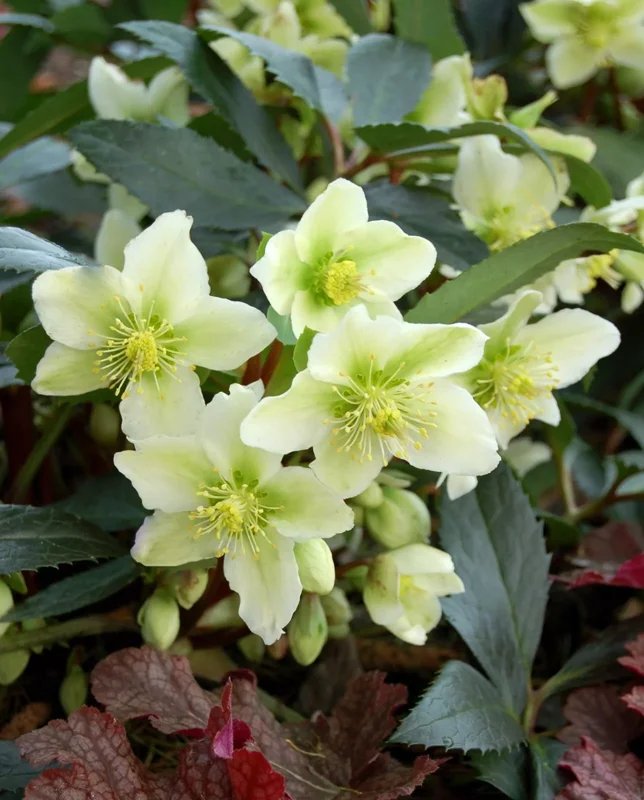
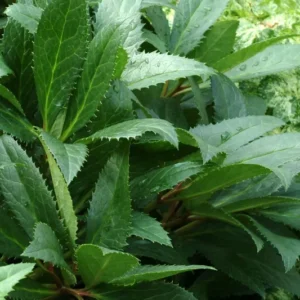
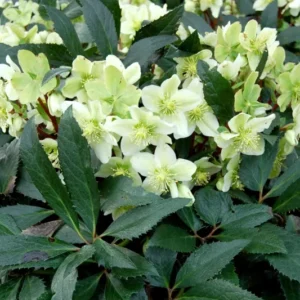
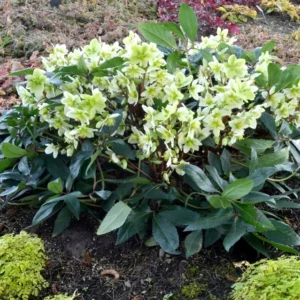
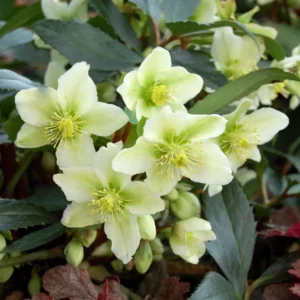
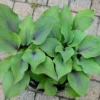
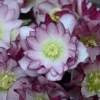
Bring early season color to your garden with the Hellebore Honeyhill Joy, a stunning 5.25" potted perennial. This Lenten Rose perennial features cream-centered white flowers and thrives in partial to full shade, offering year-round foliage and deer resistance.
Mar 03
Mar 08 - Mar 10
Mar 13 - Mar 17
USDA Hardiness Zone
Soil Type
Sunlight Exposure
Expected Planting Period
Shipping and return policies: Our Alive & Thrive Guarantee covers issues with your plants within the first 30 days. Get in touch with us via email, and our team will review your concerns and, if necessary, provide you with a one-time replacement at no cost.
If you're unsure about your hardiness zone, feel free to reach out to us. Our team will answer your questions and help you find the plants that are truly suitable for your environment, climate, and personal preferences.
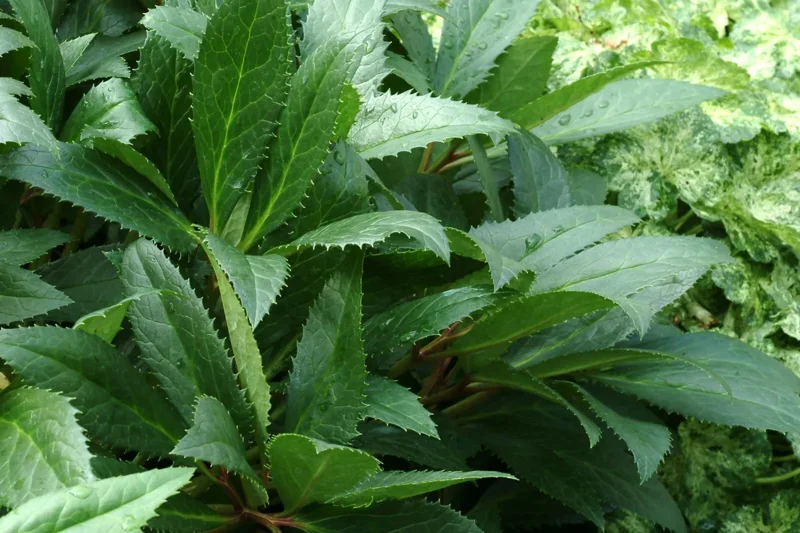
Introduce a touch of elegance and vibrant color to your garden during the colder months with the Hellebore Honeyhill Joy. This exceptional Lenten Rose perennial is a true winter marvel, celebrated for its ability to produce stunning blooms when most other plants are dormant. Arriving as a well-rooted, 5.25-inch potted perennial, it is ready to be transplanted into your landscape, promising immediate visual appeal. Known botanically as Helleborus, the ‘Honeyhill Joy’ variety captivates with its delicate, cream-centered white flowers, complemented by vigorous, blue-tinged foliage. This live plant is a standout choice for gardeners seeking resilient and beautiful additions that defy the chill of late winter.
The Hellebore Honeyhill Joy is more than just a pretty face; it’s a robust and reliable performer. Its early and long-lasting blooms, typically gracing the garden for two months during late winter, provide a much-needed splash of color and texture. This perennial is particularly valued for its hardiness and low-maintenance nature, making it suitable for both experienced gardeners and those new to horticulture. Its ability to thrive in shadier spots and withstand harsh weather conditions makes it an invaluable asset to any garden design, especially for creating enchanting woodland settings.
The Hellebore Honeyhill Joy offers a multitude of advantages, enhancing your garden’s beauty and ecological health throughout the year. Its unique characteristics make it a rewarding choice for various garden styles and conditions.
Caring for your Hellebore Honeyhill Joy is straightforward, ensuring years of beautiful blooms and lush foliage. This resilient plant prefers conditions that mimic its natural woodland habitat. For optimal growth, choose a location with partial to full shade, especially protecting it from intense afternoon sun, which can scorch its leaves. While it can tolerate some morning sun, consistent shade is ideal for vibrant blooms and healthy foliage. The plant prefers a neutral soil pH and requires well-draining soil to prevent root rot. Incorporating organic matter like compost can improve soil structure and fertility, providing the best environment for your Lenten Rose perennial.
Watering should be moderate and consistent, especially during dry periods, ensuring the soil remains moist but never waterlogged. Once established, Hellebores are quite drought-tolerant, but regular watering during their first year will help them develop a strong root system. Fertilize in early spring with a balanced, slow-release granular fertilizer or a layer of well-rotted compost around the base of the plant. This will encourage robust growth and abundant flowering. Deadheading spent flowers is not strictly necessary but can improve the plant’s appearance. The ‘Honeyhill Joy’ is hardy in USDA zones 5-9, making it suitable for a wide range of climates. It is an excellent shade garden plant that adds sophisticated beauty.
Pest and disease issues are generally minimal for Hellebores, thanks to their natural resilience. However, keeping an eye out for aphids or leaf spot can help maintain plant health. Good air circulation and proper spacing between plants can help prevent fungal diseases. This deer resistant plant rarely suffers from browsing, allowing its beauty to shine unimpeded. The best time to plant your Hellebore Honeyhill Joy is during the fall or early spring, giving the roots ample time to establish before extreme temperatures set in. With these simple care guidelines, your Hellebore will flourish, providing a spectacular display for many seasons.
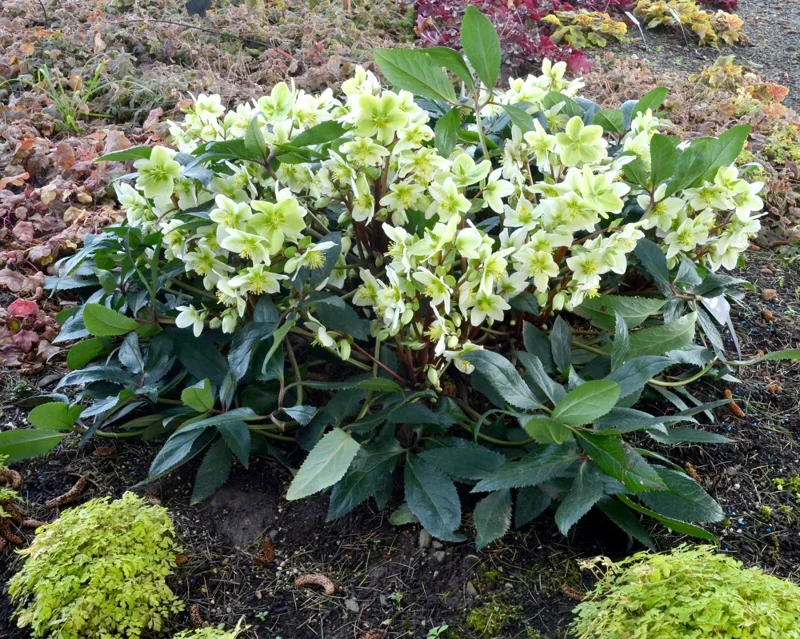
The Hellebore Honeyhill Joy arrives as a vibrant, well-established live plant in a 5.25-inch nursery pot, perfectly rooted and ready for immediate transplantation. This ensures a smooth transition and rapid establishment in your garden. Upon maturity, this robust perennial typically reaches a height and spread of 18-24 inches, forming a substantial and attractive clump in your landscape. Its vigorous growth habit and extensive root system are cultivated to ensure it thrives once planted, offering a strong foundation for future blooms.
The ‘Honeyhill Joy’ is celebrated for its exceptionally early and long-lasting bloom period, typically gracing gardens with its cream-centered white flowers for up to two months during the late winter and early spring. This makes it a crucial source of color when other plants are still dormant. The plant’s vigorous, blue-tinged foliage provides year-round interest, maintaining an attractive appearance even when not in flower. This winter blooming hellebore is an ideal choice for adding structural beauty and seasonal interest to shaded areas of your garden, offering a consistent presence and reliable performance.
You must be logged in to post a review.
Sold 60 products
Original price was: $107.98.$53.99Current price is: $53.99.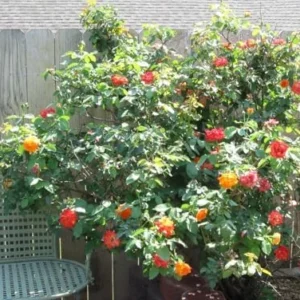
Flower Plants
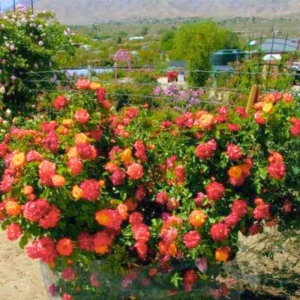
Climbing Rose Plant – Gold Orange & Pink – 1 Year Old Starter Plant – Outdoor Fragrant Rose
Sold 96 products
Original price was: $19.98.$9.99Current price is: $9.99.
Sold 86 products
Original price was: $51.80.$25.90Current price is: $25.90.
Sold 86 products
Original price was: $33.98.$16.99Current price is: $16.99.
Sold 58 products
Original price was: $37.94.$18.97Current price is: $18.97.
Sold 99 products
Original price was: $69.98.$34.99Current price is: $34.99.
Sold 91 products
Original price was: $79.96.$39.98Current price is: $39.98.
Sold 61 products
Original price was: $39.98.$19.99Current price is: $19.99.
Reviews
There are no reviews yet.