NEED SUPPORT WITH YOUR ORDER? Get in touch
Not satisfied with your purchase?
Enter your Order ID on website, and we'll resolve it right away.

Original price was: $66.99.$46.99Current price is: $46.99.
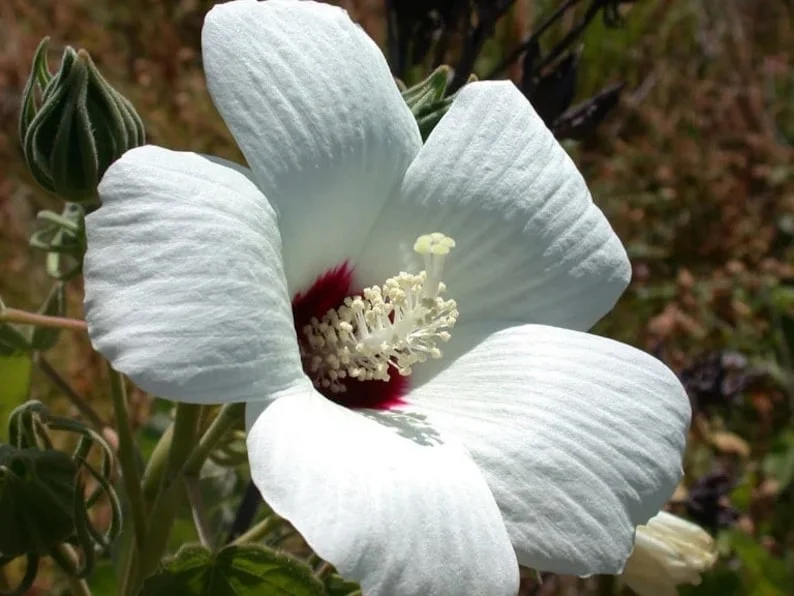
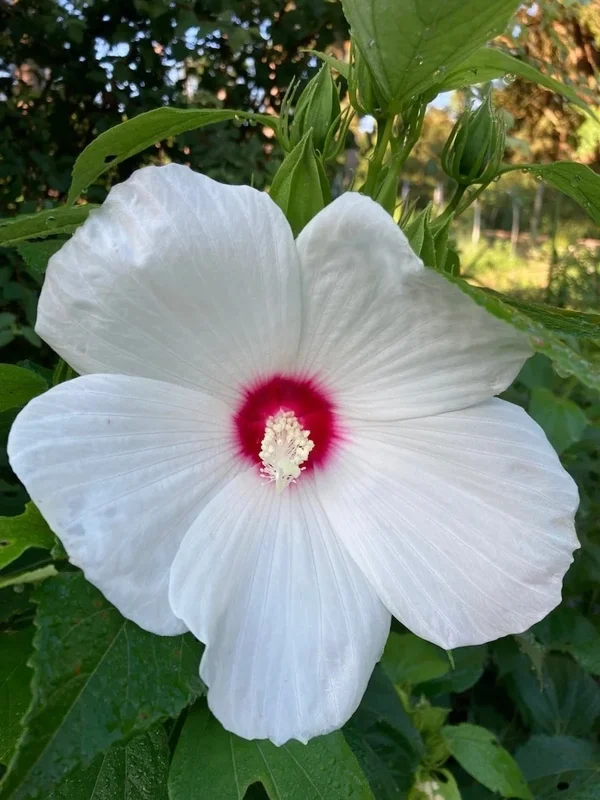
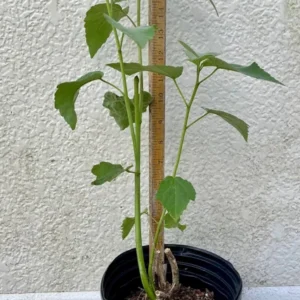
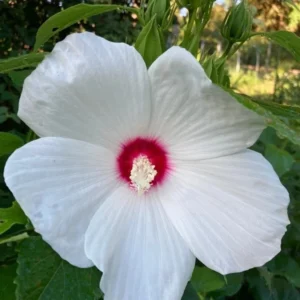
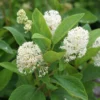
Bring elegance to your garden with the rose mallow live plant (Hibiscus lasiocarpos). This native shrub features striking white flowers with a crimson eye, thriving in full sun. Easy to care for and attracts beneficial pollinators, making it an ideal choice for any outdoor space seeking a touch of natural beauty.
Mar 05
Mar 10 - Mar 12
Mar 15 - Mar 19
USDA Hardiness Zone
Soil Type
Sunlight Exposure
Expected Planting Period
Shipping and return policies: Our Alive & Thrive Guarantee covers issues with your plants within the first 30 days. Get in touch with us via email, and our team will review your concerns and, if necessary, provide you with a one-time replacement at no cost.
If you're unsure about your hardiness zone, feel free to reach out to us. Our team will answer your questions and help you find the plants that are truly suitable for your environment, climate, and personal preferences.
Introduce a touch of natural elegance to your landscape with the stunning rose mallow live plant, scientifically known as Hibiscus lasiocarpos. This magnificent native shrub is celebrated for its breathtaking white flowers, each uniquely adorned with a striking crimson eye, ensuring it becomes a captivating focal point in any garden. As a native plant, it not only enhances aesthetic appeal but also plays a crucial role in supporting local biodiversity and wildlife habitats. Its impressive stature and prolonged bloom period make it a favorite among garden enthusiasts looking for both beauty and ecological benefit.
The hibiscus lasiocarpos plant is an exceptional choice for those dedicated to incorporating native flora into their outdoor spaces. Its robust nature and stunning floral display provide continuous visual interest from summer through fall. Whether you are an experienced gardener or just starting, the ease of care and adaptability of this plant make it a rewarding addition to your collection, promising a vibrant and inviting garden environment.
The rose mallow live plant offers a multitude of advantages beyond its obvious beauty, making it an invaluable asset to any garden. Its native status and striking appearance contribute significantly to a thriving and sustainable landscape.
Cultivating the rose mallow live plant is a rewarding experience, especially given its adaptability and relatively low maintenance needs. For optimal growth and prolific flowering, understanding its basic requirements is key. This plant thrives in sunny locations, making it an excellent choice for sun-drenched gardens. It requires at least six hours of direct sunlight daily to produce its magnificent blooms and maintain vigorous growth. Ensure it is planted in an area where it can receive ample light throughout the day.
When it comes to watering, the hibiscus lasiocarpos plant prefers consistently moist, but not waterlogged, soil. Regular watering is particularly important during dry spells and in its establishment phase. Once established, it shows good drought tolerance, but consistent moisture will promote the best flowering. Well-drained soil is crucial to prevent root rot; it adapts to various soil types but performs best in rich, organic, well-draining soil. Amending heavy clay soils with compost can significantly improve drainage and provide essential nutrients. The white crimson eye hibiscus is hardy and can tolerate a range of temperatures, typically thriving in USDA Zones 5-9.
Fertilization can encourage more vigorous growth and abundant blooms. Apply a balanced, slow-release fertilizer in early spring as new growth emerges. Pruning can be done in late winter or early spring to remove dead or damaged branches and to shape the plant. This also encourages new growth and more flowers. While generally robust, keep an eye out for common garden pests like aphids, which can be managed with organic insecticidal soaps. The resilience of this full sun hibiscus ensures it remains a beautiful and healthy addition to your garden with minimal fuss.
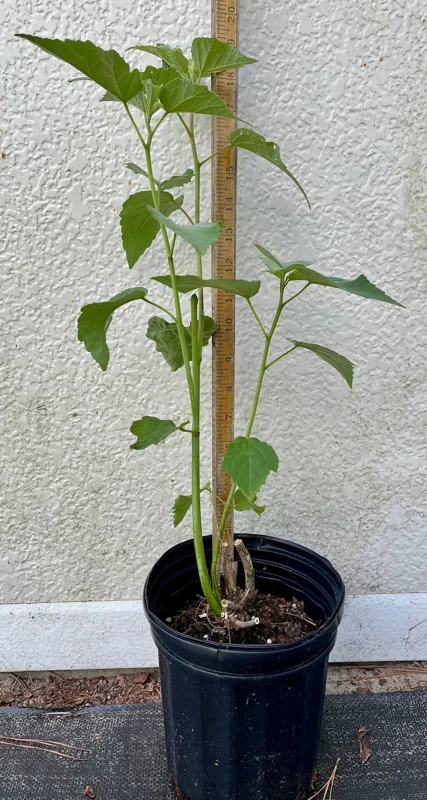
This offering is for one rose mallow live plant, shipped in a 1-gallon nursery pot, ready for planting. Upon arrival, the plant will be well-rooted and actively growing, having been carefully nurtured to ensure a healthy start in your garden. The Hibiscus lasiocarpos typically reaches a mature height of 5 to 7 feet, with a spread of 3 to 5 feet, creating a substantial and impressive presence in the landscape. Its growth rate is moderate, allowing it to establish quickly and begin blooming within its first year or two after planting.
The plant will begin its prolific blooming season from summer through fall, providing an extended period of vibrant white flowers with their distinctive crimson eyes. This ensures a long-lasting display of color and visual interest. The 1-gallon pot size provides a robust root system, enabling the plant to transplant easily and thrive in its new environment. With proper care, this native mallow plant will rapidly grow into a magnificent specimen, adding significant structural and aesthetic value to your garden.
You must be logged in to post a review.
Sold 66 products
Original price was: $55.58.$27.79Current price is: $27.79.
Sold 90 products
Original price was: $70.99.$40.99Current price is: $40.99.
Sold 54 products
Original price was: $59.98.$29.99Current price is: $29.99.
Sold 83 products
Original price was: $55.78.$27.89Current price is: $27.89.
Sold 82 products
Original price was: $70.99.$40.99Current price is: $40.99.
Sold 84 products
Original price was: $37.98.$18.99Current price is: $18.99.
Sold 60 products
Original price was: $74.99.$44.99Current price is: $44.99.
Sold 67 products
Original price was: $89.98.$44.99Current price is: $44.99.
Reviews
There are no reviews yet.