NEED SUPPORT WITH YOUR ORDER? Get in touch
Not satisfied with your purchase?
Enter your Order ID on website, and we'll resolve it right away.

Original price was: $42.99.$25.99Current price is: $25.99.
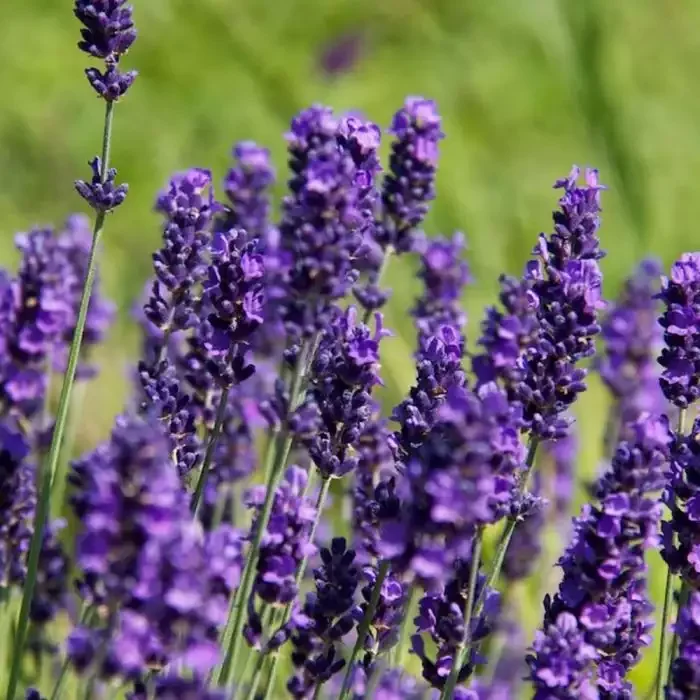
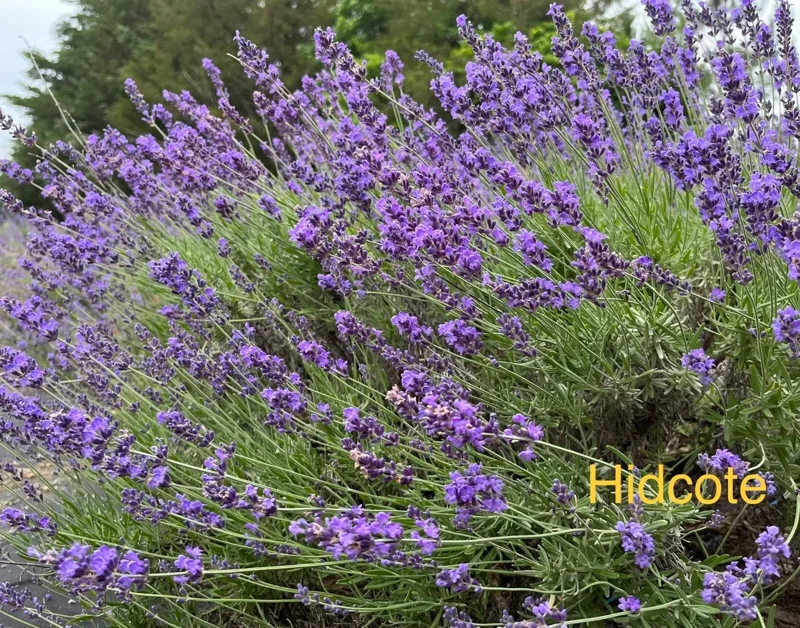
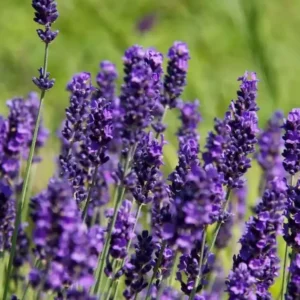
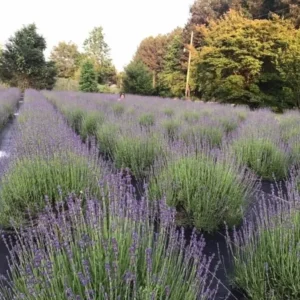
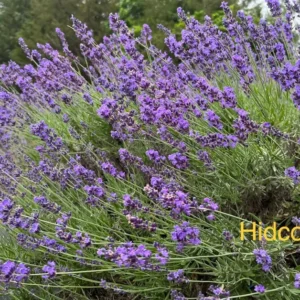
Bring tranquility to your garden or home with a Hidcote Lavender live plant. This fragrant perennial lavender herb is easy to care for, featuring beautiful purple blooms and a calming aroma. Perfect for attracting pollinators and culinary uses.
Mar 04
Mar 09 - Mar 11
Mar 14 - Mar 18
USDA Hardiness Zone
Soil Type
Sunlight Exposure
Expected Planting Period
Shipping and return policies: Our Alive & Thrive Guarantee covers issues with your plants within the first 30 days. Get in touch with us via email, and our team will review your concerns and, if necessary, provide you with a one-time replacement at no cost.
If you're unsure about your hardiness zone, feel free to reach out to us. Our team will answer your questions and help you find the plants that are truly suitable for your environment, climate, and personal preferences.
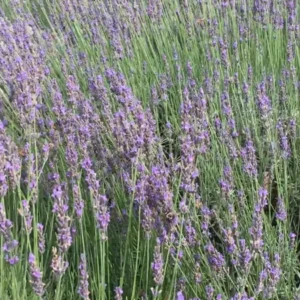
Transform your outdoor or indoor space with the enchanting aroma and beauty of a Hidcote Lavender live plant. This healthy starter plant is ready for transplanting, promising to thrive as a robust perennial lavender herb. Known for its distinctive deep purple flowers and compact growth habit, Hidcote Lavender (Lavandula angustifolia ‘Hidcote’) is a beloved variety cherished by gardeners for its intense fragrance and ornamental appeal. Whether you’re looking to create a serene garden border, fill a container on your patio, or enjoy fresh lavender for crafts and culinary endeavors, this versatile plant is an excellent choice. Its calming properties and elegant appearance make it a must-have for any plant enthusiast seeking to add a touch of sophistication and natural charm to their surroundings.
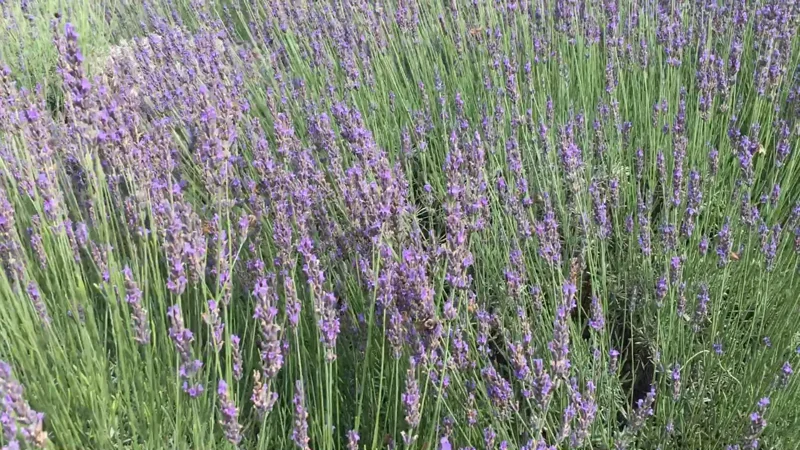
This particular fragrant lavender plant is carefully cultivated to ensure it arrives healthy and ready to establish in its new home. Its vibrant blooms not only add visual interest but also attract beneficial pollinators like bees and butterflies, contributing to a thriving ecosystem. Easy to care for and remarkably resilient, the Hidcote Lavender is suitable for both seasoned gardeners and those just beginning their green journey. Experience the joy of growing your own aromatic lavender and reap the numerous benefits this beautiful herb has to offer.
The Hidcote Lavender live plant offers a multitude of advantages, making it a highly desirable addition to any garden or home. Its robust nature and aesthetic appeal combine with practical uses to provide a truly rewarding gardening experience.
Caring for your Hidcote Lavender live plant is straightforward, ensuring a lush and fragrant display with proper attention. Lavender thrives in conditions that mimic its Mediterranean origins, primarily requiring plenty of sunlight and excellent drainage. Plant your lavender in a location that receives at least 6-8 hours of direct sunlight per day. Full sun is crucial for abundant flowering and strong fragrance. Good air circulation around the plant is also beneficial to prevent fungal diseases.
The key to successful lavender cultivation lies in the soil. This perennial lavender herb prefers well-drained, sandy or loamy soil with a slightly alkaline pH (6.7-7.3). Avoid heavy clay soils that retain too much moisture, as this can lead to root rot. If your soil is heavy, amend it with sand, gravel, or organic matter to improve drainage. When it comes to watering, be conservative. Lavender is a drought-tolerant lavender and prefers dry conditions. Water sparingly, allowing the soil to dry out completely between waterings. Overwatering is a common cause of lavender failure. Once established, it will only need occasional watering during prolonged dry spells.
For optimal growth and shape, light pruning is recommended. Pinch the growing tips of your Hidcote Lavender live plant 5-10 days after transplanting to encourage bushier growth and more flowers. After the main bloom period, cut back the spent flower stalks and about one-third of the foliage to maintain a compact shape and promote sturdy stems. Fertilization is generally not necessary for lavender, especially in rich soils. If your soil is poor, a light application of a balanced, slow-release fertilizer in early spring can be beneficial, but avoid high-nitrogen fertilizers which can lead to leggy growth and fewer flowers. This fragrant lavender plant is hardy in USDA zones 5-9, tolerating a range of temperatures once established.
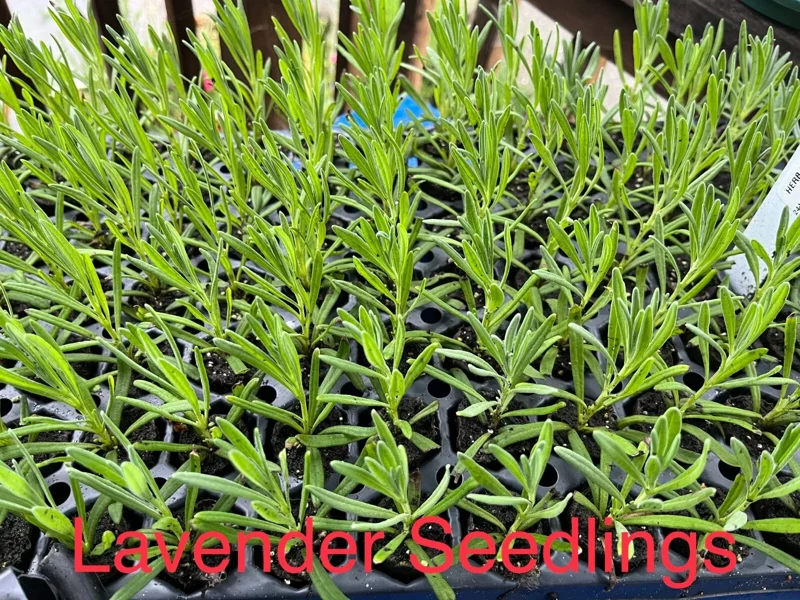
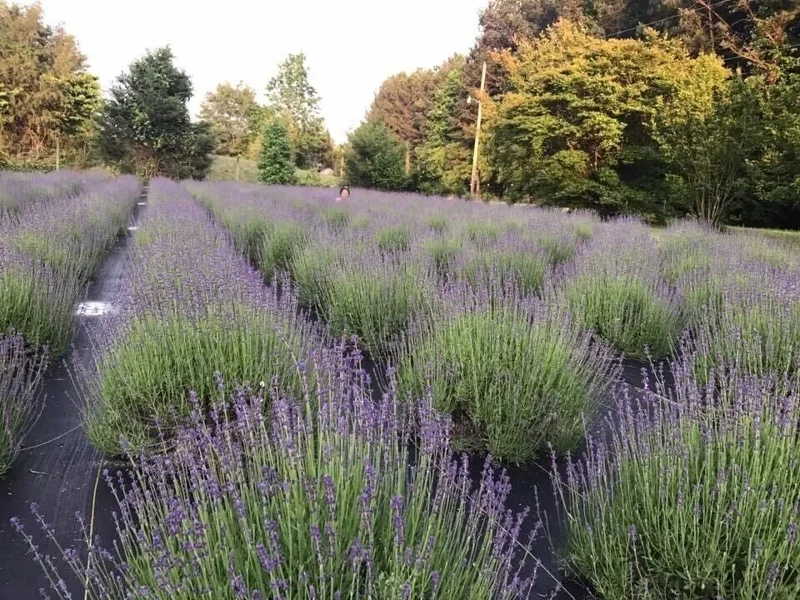
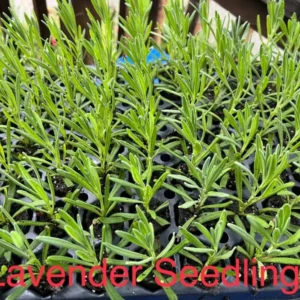
This offering is for a healthy Hidcote Lavender live plant, typically a starter size, ready for transplanting into your garden or a larger container. At maturity, this particular variety is known for its compact growth habit, generally reaching about 18-24 inches in height and a similar spread. The plant is shipped in a nursery pot, ensuring its roots are protected and moist during transit, preparing it for a smooth transition to your landscape. With proper care, you can expect this perennial lavender herb to establish quickly and begin producing its characteristic deep purple flower spikes within its first growing season.
The growth rate of the culinary lavender is moderate, allowing it to fill out within a season or two. Its strong, upright flower stems make it excellent for cutting and drying. The plant will arrive with established roots and healthy foliage, ready for you to provide the ideal sunny, well-draining environment it needs to flourish. Expect a vibrant display of color and an exquisite fragrance that will enhance any setting, attracting beneficial insects while deterring deer.
You must be logged in to post a review.
Sold 68 products
Original price was: $43.98.$21.99Current price is: $21.99.
Sold 95 products
Original price was: $67.98.$33.99Current price is: $33.99.
Sold 84 products
Original price was: $31.98.$15.99Current price is: $15.99.
Sold 91 products
Original price was: $57.98.$28.99Current price is: $28.99.
Sold 58 products
Original price was: $59.78.$29.89Current price is: $29.89.
Sold 98 products
Original price was: $53.98.$26.99Current price is: $26.99.
Sold 83 products
Original price was: $13.70.$6.85Current price is: $6.85.
Sold 92 products
Original price was: $47.98.$23.99Current price is: $23.99.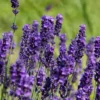
Reviews
There are no reviews yet.