NEED SUPPORT WITH YOUR ORDER? Get in touch
Not satisfied with your purchase?
Enter your Order ID on website, and we'll resolve it right away.

$41.99
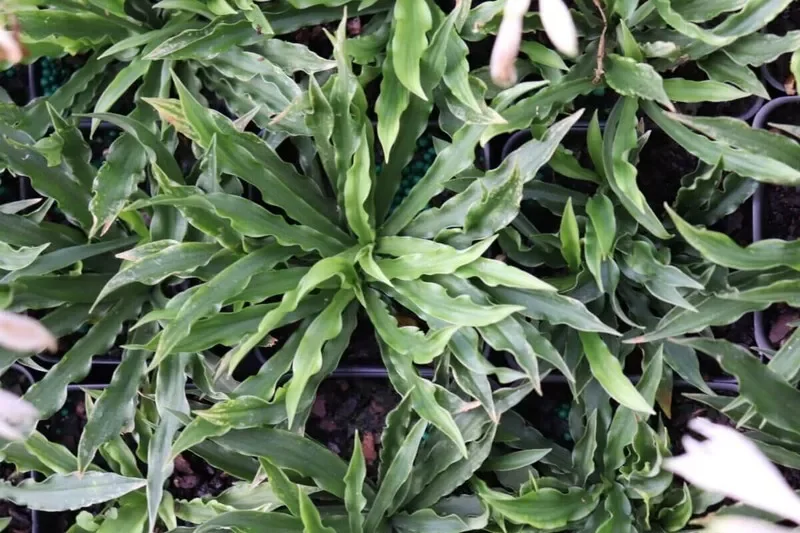
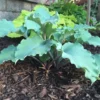
Enhance your shade garden with the charming Hosta Little Squirt live plant. This miniature perennial, grown in a 5.25-inch pot, offers dense, ruffled green foliage and delicate white flowers. Ideal for groundcover or borders, it’s a perfect Hosta for shade and attracts pollinators.
Mar 03
Mar 08 - Mar 10
Mar 13 - Mar 17
USDA Hardiness Zone
Soil Type
Sunlight Exposure
Expected Planting Period
Shipping and return policies: Our Alive & Thrive Guarantee covers issues with your plants within the first 30 days. Get in touch with us via email, and our team will review your concerns and, if necessary, provide you with a one-time replacement at no cost.
If you're unsure about your hardiness zone, feel free to reach out to us. Our team will answer your questions and help you find the plants that are truly suitable for your environment, climate, and personal preferences.
Discover the delightful charm of the Hosta Little Squirt live plant, a perfect addition for gardeners seeking unique texture and easy care in shaded areas. This exceptional miniature perennial forms a dense clump of long, narrow, ruffled green leaves, creating a distinctive pin cushion appearance that adds character to any garden space. Unlike larger varieties, the miniature Hosta plant is compact, making it an ideal choice for groundcover, borders, or even as an attractive alternative to traditional lawn grass in shaded spots. Enjoy the beauty of its well-proportioned white flowers that emerge on short scapes, adding to its overall appeal and attracting beneficial pollinators to your garden.
The ‘Little Squirt’ Hosta is a robust and resilient perennial, known for its ability to thrive with minimal fuss. Its vibrant green foliage provides lush greenery, while its compact size ensures it fits perfectly into smaller gardens or containers. This perennial Hosta is a fantastic way to introduce architectural interest and a touch of elegance to your outdoor living areas, promising years of beauty and enjoyment.
The Hosta Little Squirt live plant offers numerous advantages, making it a favorite among both novice and experienced gardeners. Its unique characteristics contribute significantly to a beautiful and low-maintenance garden.
Caring for your Hosta Little Squirt live plant is straightforward, ensuring it thrives and brings continuous beauty to your garden. This resilient perennial prefers specific conditions to reach its full potential. For optimal growth, plant your Hosta in an area that receives partial to full shade. Direct morning sun is generally tolerated, but intense afternoon sun can scorch its delicate leaves and hinder its vibrant green color. Aim for at least 4-6 hours of indirect light or dappled shade throughout the day. It is highly adaptable and makes an excellent Hosta for shade gardens, where many other plants struggle.
Water regularly to keep the soil consistently moist but never waterlogged. Medium watering is ideal; check the soil moisture every few days, especially during dry spells or if planted in containers. The soil should feel damp to the touch but not soggy. Well-draining soil is crucial for preventing root rot, so consider amending heavy clay soils with organic matter. This hosta thrives in USDA Hardiness Zones 4-8, indicating its tolerance for a wide range of temperate climates. It prefers a neutral soil pH. Fertilize in early spring with a balanced slow-release granular fertilizer to support healthy growth and vibrant foliage. Watch out for slugs and snails, which can be deterred with organic baits or barriers. This perennial Hosta is generally robust against most pests and diseases when properly cared for.
This Hosta Little Squirt live plant is cultivated in a 5.25-inch pot, ensuring it arrives with a well-developed root system ready for easy transplanting and quick establishment in your garden. This substantial plant is ready to thrive immediately, offering a head start compared to smaller starter plants. As a compact variety, it typically reaches a mature height of approximately 4.0 inches and spreads to about 8.0 inches, forming an appealing mound of foliage. Its miniature size makes it an excellent choice for tight spaces, front borders, or charming container arrangements. You can expect this robust miniature Hosta plant to provide years of beauty and enjoyment, returning season after season.
When your plant arrives, it may appear smaller or be in a dormant state, especially during early spring or late fall. This is a natural part of its growth cycle, and it will flourish beautifully during the growing season. The plant’s vigorous root system ensures it can quickly adapt to its new environment. Its moderate growth rate means it will gradually fill out its designated space, creating a dense and attractive display without becoming unruly.
You must be logged in to post a review.
Sold 80 products
Original price was: $49.96.$24.98Current price is: $24.98.
Sold 87 products
Original price was: $73.99.$43.99Current price is: $43.99.
Sold 51 products
Original price was: $43.90.$33.90Current price is: $33.90.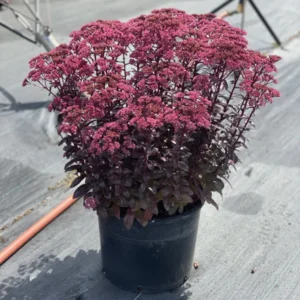
Flowers
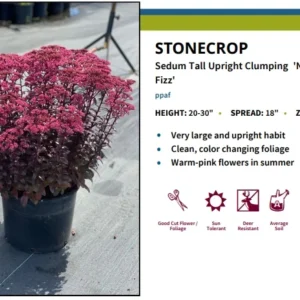
Cherry Fizz Stonecrop Sedum Perennial Live Plant – 3″ Pot – Bronze to Pink Flowers – Outdoor
Sold 68 products
Original price was: $49.99.$37.99Current price is: $37.99.
Sold 79 products
Original price was: $33.98.$16.99Current price is: $16.99.
Sold 57 products
Original price was: $53.98.$26.99Current price is: $26.99.
Sold 93 products
Original price was: $75.99.$45.99Current price is: $45.99.
Sold 84 products
Original price was: $140.99.$92.99Current price is: $92.99.

Reviews
There are no reviews yet.