NEED SUPPORT WITH YOUR ORDER? Get in touch
Not satisfied with your purchase?
Enter your Order ID on website, and we'll resolve it right away.

Original price was: $110.99.$88.99Current price is: $88.99.
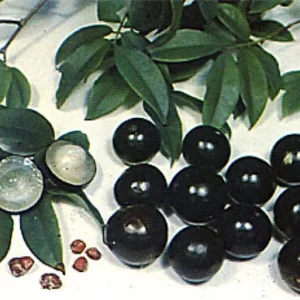
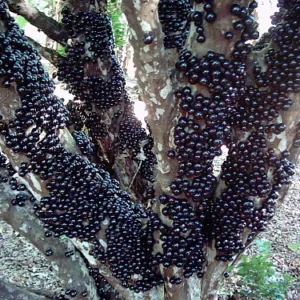
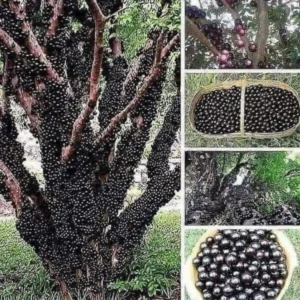
Cultivate your own unique jabuticaba fruit tree, also known as the brazilian grape tree. This 6-inch potted trunk fruiting plant produces delicious berries directly on its bark, offering both ornamental beauty and edible rewards. Ideal for USDA Zone 10 or indoor growing.
Mar 03
Mar 08 - Mar 10
Mar 13 - Mar 17
USDA Hardiness Zone
Soil Type
Sunlight Exposure
Expected Planting Period
Shipping and return policies: Our Alive & Thrive Guarantee covers issues with your plants within the first 30 days. Get in touch with us via email, and our team will review your concerns and, if necessary, provide you with a one-time replacement at no cost.
If you're unsure about your hardiness zone, feel free to reach out to us. Our team will answer your questions and help you find the plants that are truly suitable for your environment, climate, and personal preferences.
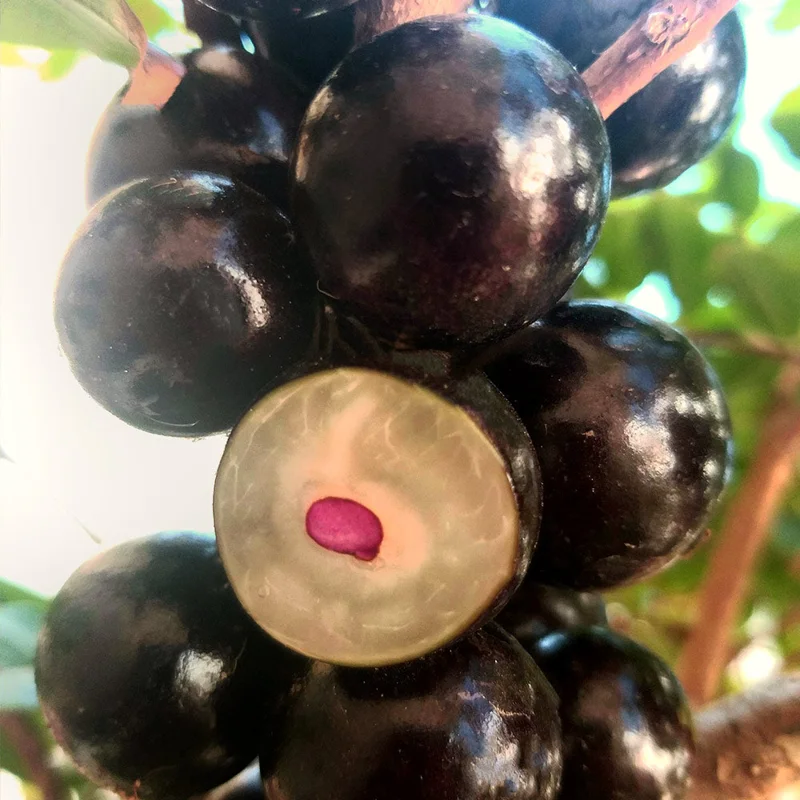
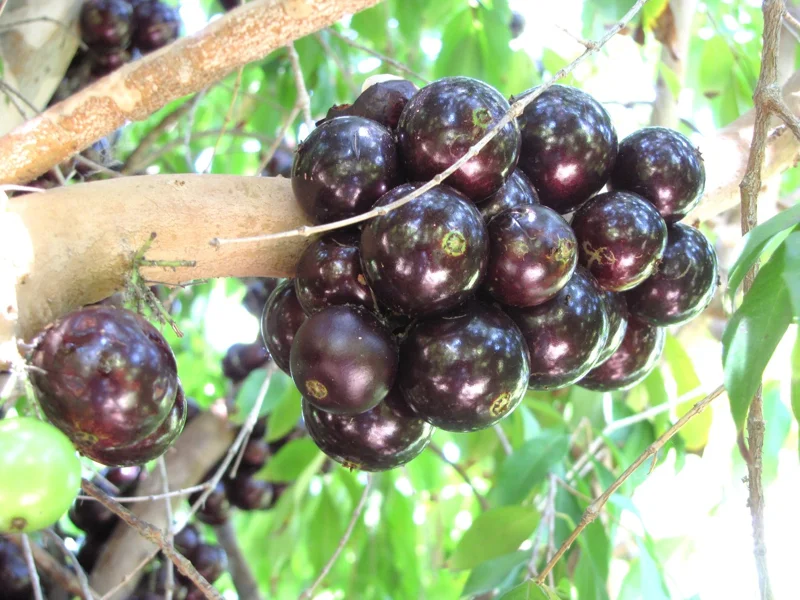
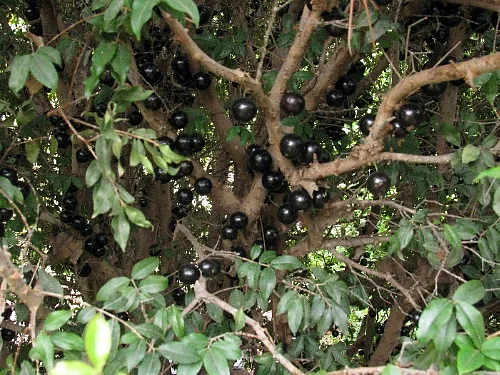
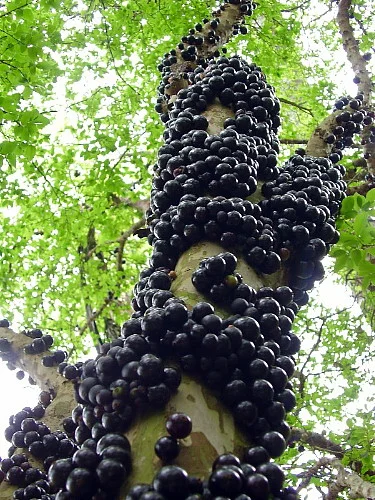
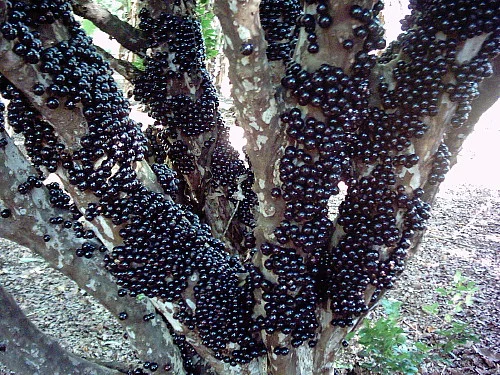
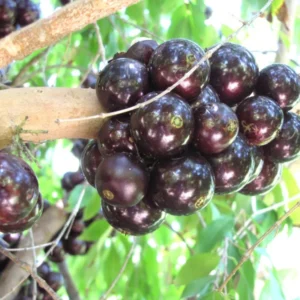
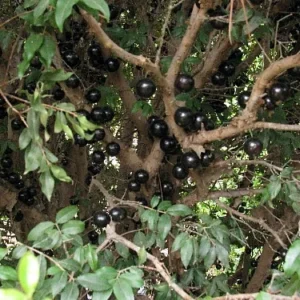
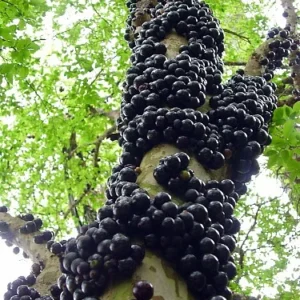
Embark on a unique gardening adventure with your very own jabuticaba fruit tree. This remarkable live plant, scientifically known as Myrciaria cauliflora, offers an extraordinary edible experience unlike most fruit-bearing specimens. What makes the jabuticaba fruit tree truly special is its fascinating fruiting habit: it produces an abundance of delicious, edible purple berries directly on its trunk and mature branches. Imagine the sheer delight of harvesting sweet, juicy fruit right from the bark of your own living tree! This evergreen specimen is not only a source of incredible fruit but also boasts significant ornamental value. Its smooth, creamy tan bark naturally peels in curls, adding an elegant touch reminiscent of guava or crape myrtle. New leaves emerge with a delicate pinkish hue, maturing into a vibrant green, enhancing its visual appeal throughout the year. The brazilian grape tree is a true conversation starter and a rewarding addition to any garden or indoor space.
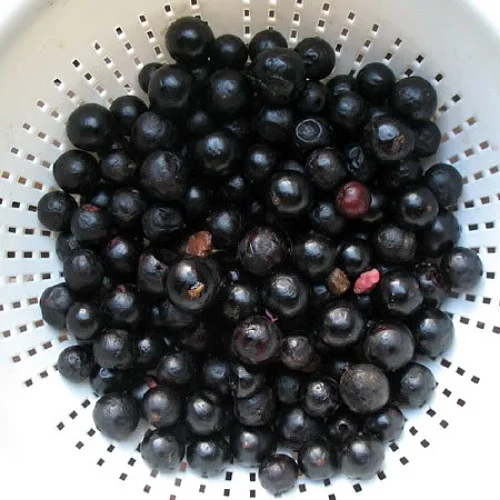
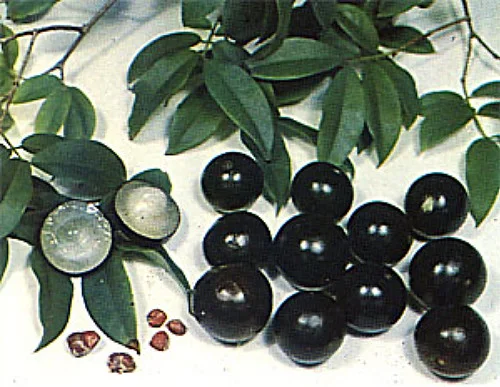
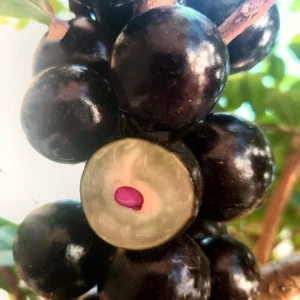
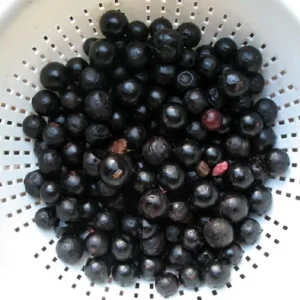
During warmer months, your jabuticaba fruit tree will grace you with several flushes of delicate white flowers, appearing in clusters along its trunk. These beautiful blossoms quickly transform into ripe, succulent fruit in approximately three weeks, providing a continuous supply of fresh berries. The globular Jabuticaba fruit ranges from 3/4 inch to 1 1/2 inches in diameter, filled with a juicy, flavorful pulp. These versatile berries are perfect for enjoying fresh, making into preserves, or even incorporating into homemade ice cream. This unique fruit tree thrives in partial shade but can adapt to full sun conditions if consistently well-watered, making it a flexible choice for various growing environments. Originating from a warm climate, it’s essential to protect your jabuticaba fruit tree from freezing temperatures, making it an ideal choice for USDA Zone 10 or for cultivating indoors in cooler regions.
Growing a jabuticaba fruit tree offers a multitude of advantages, combining ornamental beauty with a bountiful harvest. This unique plant provides an engaging and rewarding experience for gardeners of all levels.
Ensuring your jabuticaba fruit tree flourishes begins with understanding its basic needs. While adaptable, consistent and proper jabuticaba plant care will yield the best results and a bountiful harvest. Provide well-draining soil that is slightly acidic, with a pH between 5.5 and 6.5. A good mixture includes potting soil, peat moss, and perlite, which works wonderfully to ensure proper drainage and aeration, preventing root rot while retaining adequate moisture. Regular and adequate watering is crucial; keep the soil consistently moist but never waterlogged. It’s best to check the soil moisture regularly by feeling the top inch of soil; if it feels dry, it’s time to water. During active growth and fruiting periods, your tree may require more frequent watering.
When it comes to sunlight, aim for at least 4-6 hours of daily sunlight. Jabuticaba trees thrive in partial shade but can tolerate full sun conditions if consistently well-watered and protected from intense, scorching afternoon sun in very hot climates. Protecting this tropical beauty from cold snaps is paramount, especially if you live outside of USDA Zone 10. Jabuticabas are sensitive to freezing temperatures. If you’re in a cooler region, bring your potted brazilian grape tree indoors during colder months to ensure its continued health and productivity. Fertilize your jabuticaba fruit tree every 2-3 months during the growing season with a balanced, slow-release fertilizer formulated for fruiting plants. Ensure the fertilizer has micronutrients to support healthy growth and fruit production. Pruning is generally minimal, focusing on removing dead or diseased branches and shaping the tree for aesthetic purposes or to encourage bushier growth.
Common problems often involve improper watering, leading to leaf drop or fungal issues. Always ensure good air circulation around the plant, especially when grown indoors. Pests are generally not a major concern, but occasionally aphids or scale may appear. These can usually be managed with insecticidal soap or neem oil. With proper jabuticaba plant care, your tree will reward you with years of beautiful foliage and delicious fruit.
This jabuticaba fruit tree is a live plant shipped in a 6-inch nursery pot, ready to be transplanted or kept in its current container for some time. When grown in a 6-inch pot, the tree’s size will be constrained by the pot itself, typically reaching around 2-3 feet tall, making it an ideal choice for indoor cultivation, smaller outdoor spaces, or patio gardening. With proper care and repotting into larger containers, it can grow significantly taller, potentially reaching 10-15 feet in an ideal outdoor environment (USDA Zone 10 or warmer) where it can mature into a full-sized tree. The plant you receive will be actively growing and well-rooted, establishing quickly in its new home. Expect vibrant green foliage, and with maturity, the characteristic peeling bark and unique trunk fruiting habit that defines the myrciaria cauliflora. While the plant is young, the focus will be on establishing a strong root system and healthy growth before consistent fruiting begins, though it may produce fruit within a few years under optimal conditions.
You must be logged in to post a review.
Sold 67 products
Original price was: $45.98.$22.99Current price is: $22.99.
Sold 60 products
Original price was: $69.98.$34.99Current price is: $34.99.
Sold 98 products
Original price was: $48.98.$24.49Current price is: $24.49.
Sold 70 products
Original price was: $219.98.$109.99Current price is: $109.99.
Sold 55 products
Original price was: $117.98.$58.99Current price is: $58.99.
Sold 94 products
Original price was: $99.98.$49.99Current price is: $49.99.
Sold 69 products
Original price was: $259.98.$129.99Current price is: $129.99.
Sold 100 products
Original price was: $59.92.$29.96Current price is: $29.96.
Reviews
There are no reviews yet.