NEED SUPPORT WITH YOUR ORDER? Get in touch
Not satisfied with your purchase?
Enter your Order ID on website, and we'll resolve it right away.

Original price was: $75.99.$42.99Current price is: $42.99.
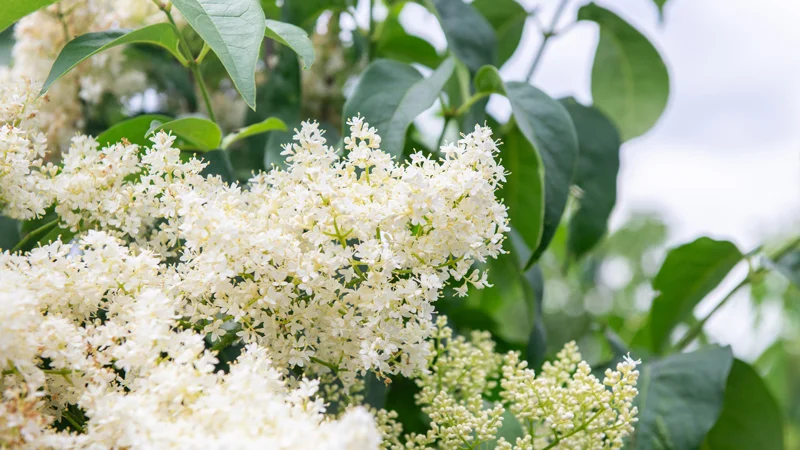
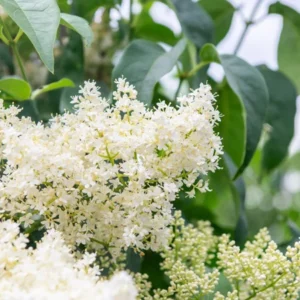
Discover the beauty of a Japanese Lilac Tree (Syringa Pekinensis), a stunning fragrant flowering tree known for its creamy-white flowers and attractive cherry-brown bark. This 12-14 inch live plant offers significant presence and is remarkably low-maintenance, making it an excellent choice for any garden.
Mar 03
Mar 08 - Mar 10
Mar 13 - Mar 17
USDA Hardiness Zone
Soil Type
Sunlight Exposure
Expected Planting Period
No Shipping To
Shipping and return policies: Our Alive & Thrive Guarantee covers issues with your plants within the first 30 days. Get in touch with us via email, and our team will review your concerns and, if necessary, provide you with a one-time replacement at no cost.
If you're unsure about your hardiness zone, feel free to reach out to us. Our team will answer your questions and help you find the plants that are truly suitable for your environment, climate, and personal preferences.
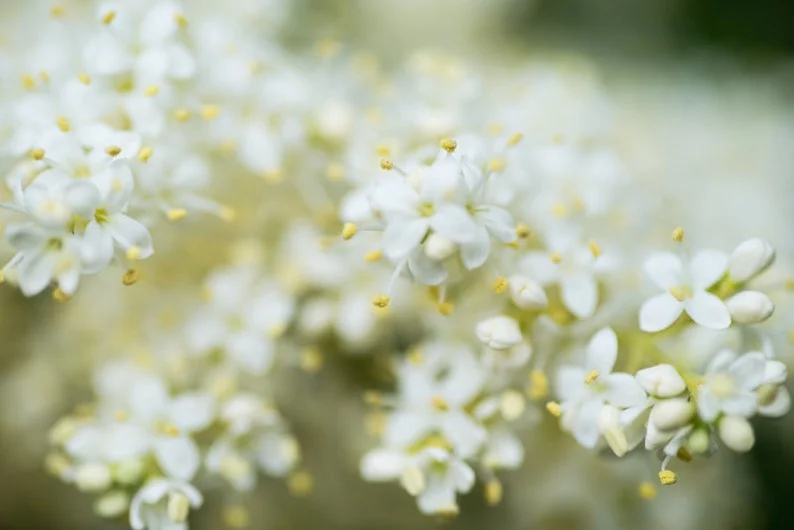
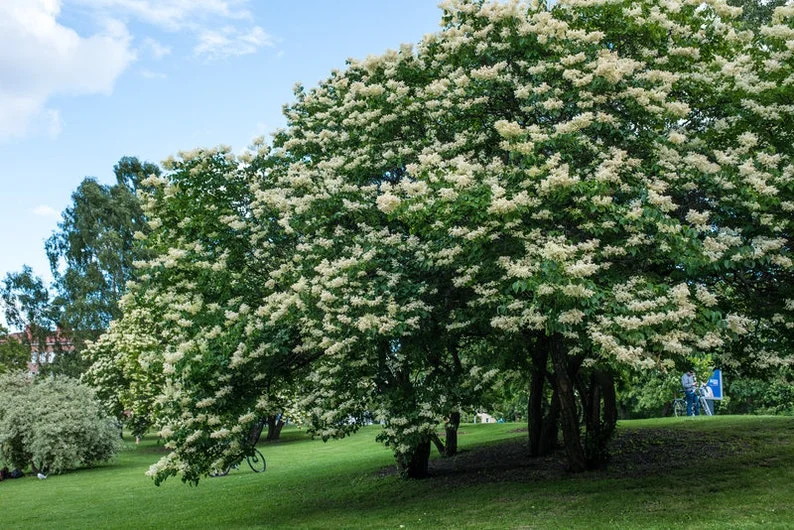
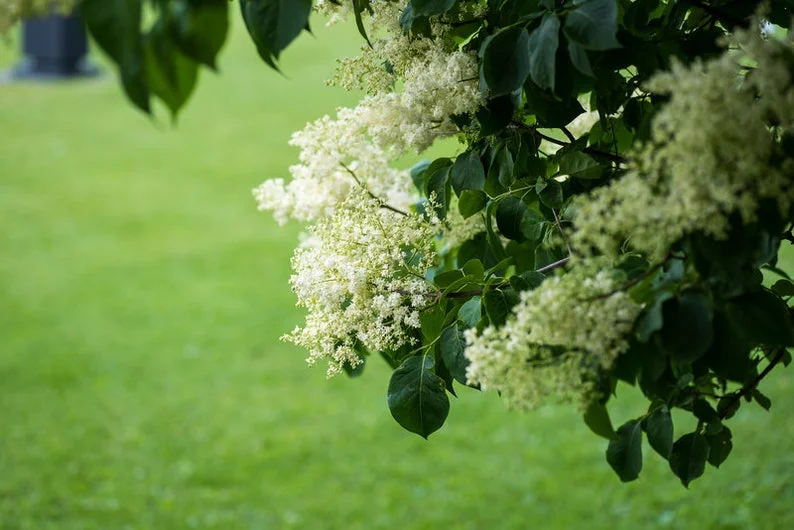
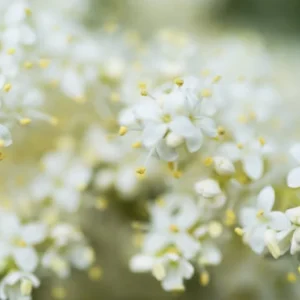
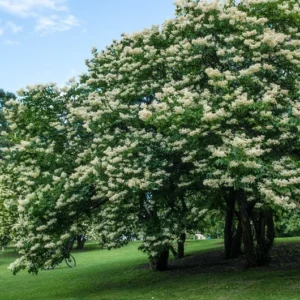
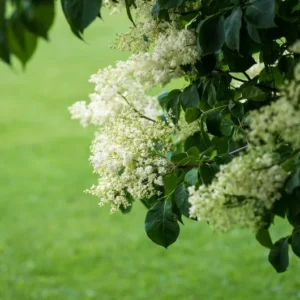
Introduce a touch of elegance and delightful fragrance to your landscape with the Japanese Lilac Tree, also known by its botanical name, Syringa Pekinensis. This magnificent live plant is celebrated for its abundant, creamy-white flowers that bloom in early to mid-June, filling the air with a sweet, captivating aroma. Beyond its stunning floral display, the Japanese Lilac Tree boasts attractive cherry-brown bark, providing year-round visual interest. Growing to an impressive height of 20-30 feet, this flowering tree creates a substantial and beautiful focal point in any garden or yard. It’s a hardy and tough specimen, known for its resilience and adaptability, making it a perfect choice for both experienced gardeners and those new to planting trees. This particular offering is a 12-14 inch live plant, shipped in a dormant, bare-root state, ready for successful planting.
The Syringa Pekinensis live plant is a remarkable addition to diverse garden styles, from formal to naturalized settings. It offers a unique combination of aesthetic appeal and practical benefits, including its disease resistance. Often considered one of the most trouble-free flowering trees one can grow, its robust nature ensures years of enjoyment with minimal effort. This tree is not just a plant; it’s an investment in the beauty and sensory experience of your outdoor living space.
The Japanese Lilac Tree provides numerous advantages, enhancing your garden with its beauty, resilience, and ease of care. Its standout features make it a highly desirable option for homeowners and landscapers alike, offering long-lasting appeal and a delightful sensory experience.
Proper care for your Japanese Lilac Tree will ensure its vigorous growth and abundant flowering for many years. This hardy tree is relatively forgiving, but understanding its basic needs will help it thrive. The most crucial factor for optimal bloom production is adequate sunlight. Plant your Syringa Pekinensis live plant in a location that receives at least 6 hours of direct sunlight daily. Full sun exposure is paramount for maximizing its flowering potential and promoting healthy, robust growth. Ensure the tree is planted in well-drained soil; while adaptable to various soil types, it prefers slightly acidic to neutral pH. Avoid waterlogged conditions, as this can lead to root rot.
When it comes to watering, consistent moisture is important, especially during the first few growing seasons to establish a strong root system. Once established, the Japanese Lilac Tree is relatively drought-tolerant but will benefit from watering during prolonged dry spells. Fertilize in early spring with a balanced, slow-release fertilizer formulated for trees and shrubs to support healthy growth and flowering. Pruning is generally minimal, focused on removing dead, damaged, or crossing branches to maintain a strong structure and open canopy. This low maintenance flowering tree is known for its resistance to mildew, borers, and scale, which significantly reduces the need for chemical treatments. Monitor for any signs of stress or pest activity, but generally, this tree is quite trouble-free.
The Japanese Lilac Tree is hardy in USDA zones 3-7, making it suitable for a wide range of climates. It can tolerate cold winters and hot summers, demonstrating its adaptability. When planting your 12-14 inch bare-root tree, ensure the planting hole is twice as wide as the root spread and just as deep. Spread the roots out evenly, backfill with soil, and water thoroughly. A layer of mulch around the base can help retain moisture and regulate soil temperature. With these simple care practices, your Japanese Lilac Tree will flourish and provide a spectacular display of creamy white flowers tree blooms each summer.
This offering is for a Japanese Lilac Tree, a live plant specimen measuring approximately 12-14 inches in height upon arrival. It is shipped in a dormant, bare-root state, meaning it will arrive without leaves and soil, ready for immediate planting in your garden. This dormant state is ideal for transplanting and helps the tree establish itself quickly. Once planted and established, this particular variety of fragrant flowering tree is known for its moderate to fast growth rate, eventually reaching an impressive mature height of 20-30 feet with a similar spread. Its substantial size makes it an excellent choice for a specimen tree, providing significant visual impact and shade.
The tree’s attractive cherry-brown bark provides year-round appeal, adding texture and interest to the landscape even outside of its blooming season. The Syringa Pekinensis live plant will develop a strong, upright structure, making it a dignified presence in any setting. Expect the first blooms of its signature creamy white flowers tree to appear within a few years of planting, with increasing abundance as the tree matures. Its hardy nature ensures a long lifespan, making it a lasting addition to your outdoor space.
You must be logged in to post a review.
Sold 76 products
Original price was: $257.98.$128.99Current price is: $128.99.
Sold 54 products
Original price was: $258.98.$129.49Current price is: $129.49.
Sold 86 products
Original price was: $259.78.$129.89Current price is: $129.89.
Sold 81 products
Original price was: $256.36.$128.18Current price is: $128.18.
Sold 95 products
Original price was: $55.98.$27.99Current price is: $27.99.
Sold 61 products
Original price was: $319.98.$159.99Current price is: $159.99.
Sold 65 products
Original price was: $59.92.$29.96Current price is: $29.96.
Sold 82 products
Original price was: $48.98.$24.49Current price is: $24.49.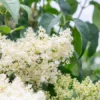
Reviews
There are no reviews yet.