NEED SUPPORT WITH YOUR ORDER? Get in touch
Not satisfied with your purchase?
Enter your Order ID on website, and we'll resolve it right away.

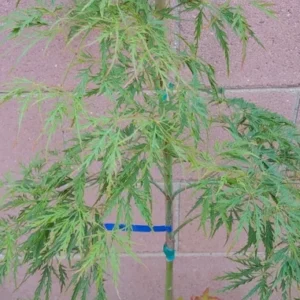
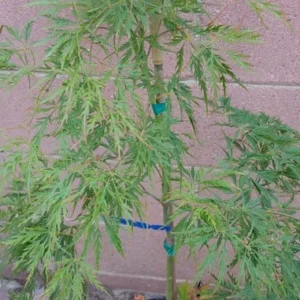
Original price was: $227.99.$197.99Current price is: $197.99.
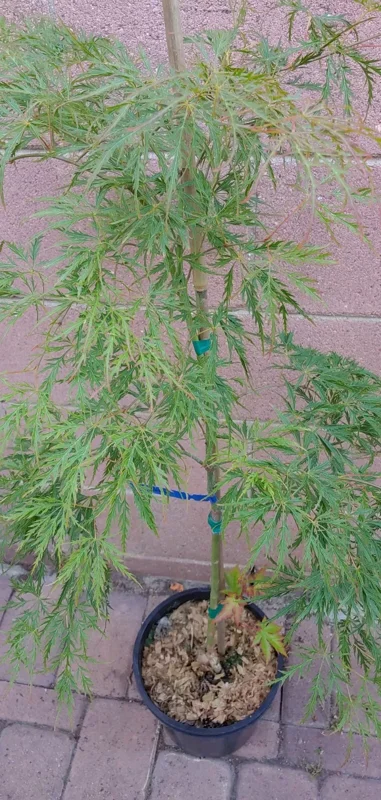
Enhance your landscape with the beautiful japanese maple viridis live plant. This weeping tree offers graceful green and yellow foliage, transitioning to vibrant oranges and reds in fall. Perfect for accent planting or containers, it’s a low-maintenance choice for adding year-round elegance to your garden.
Mar 03
Mar 08 - Mar 10
Mar 13 - Mar 17
USDA Hardiness Zone
Soil Type
Sunlight Exposure
Expected Planting Period
Shipping and return policies: Our Alive & Thrive Guarantee covers issues with your plants within the first 30 days. Get in touch with us via email, and our team will review your concerns and, if necessary, provide you with a one-time replacement at no cost.
If you're unsure about your hardiness zone, feel free to reach out to us. Our team will answer your questions and help you find the plants that are truly suitable for your environment, climate, and personal preferences.
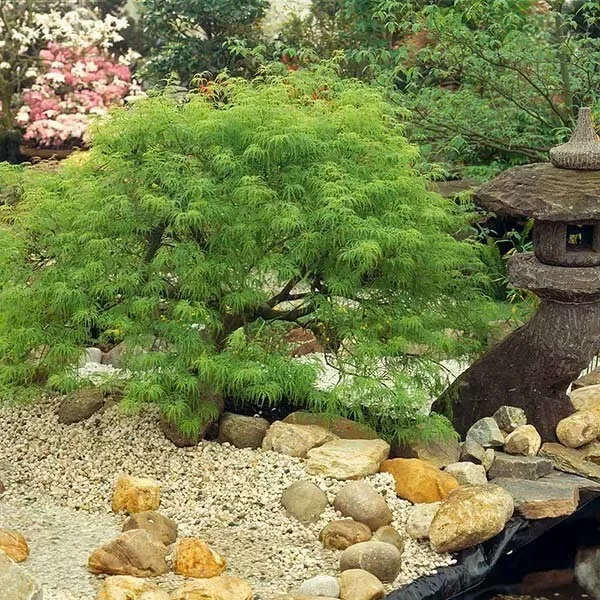
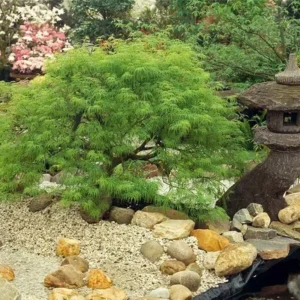
Introduce unparalleled grace and vibrant color to your garden with the japanese maple viridis live plant. Also known as the weeping japanese maple or acer palmatum viridis, this highly sought-after deciduous tree is celebrated for its distinctive weeping habit and dynamic foliage. Its unique, wispy green leaves create an airy, light effect, especially when sunlight filters through them, offering a serene visual experience. This exceptional tree provides captivating visual appeal throughout the year, with its foliage transitioning through a stunning spectrum of colors as the seasons change. It’s an ideal choice for gardeners looking to add a touch of sophistication and natural beauty to their outdoor spaces.
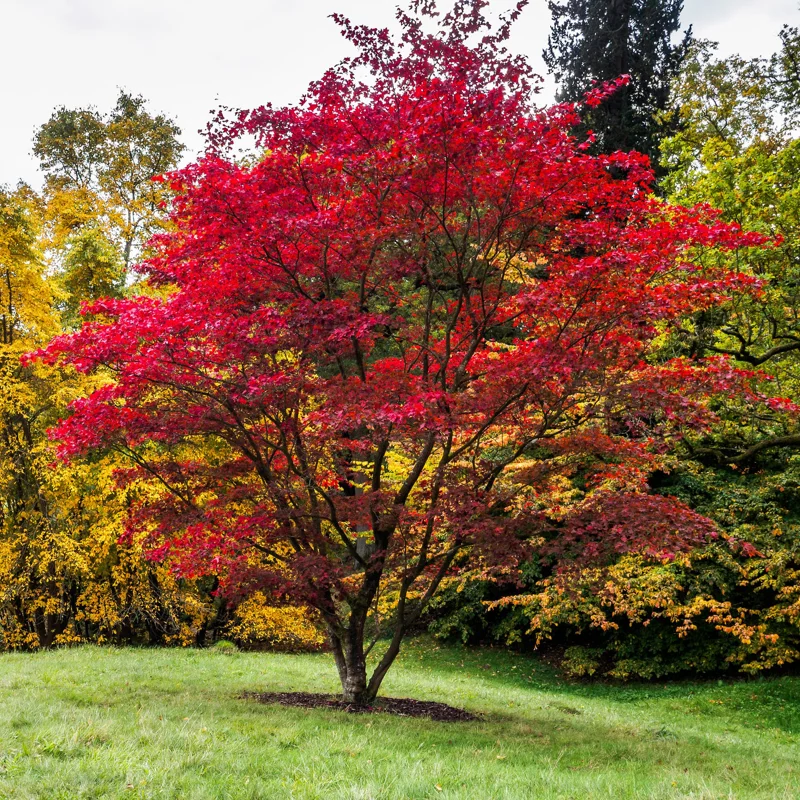
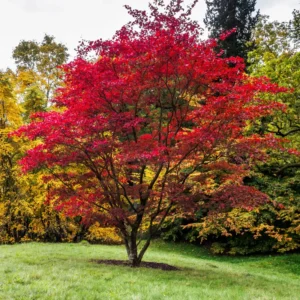
As autumn approaches, the japanese maple viridis live plant truly shines, transforming into a breathtaking display of color. The bright green leaves first turn a radiant golden yellow, then progress to a vivid orange, before culminating in rich, reddish hues. This impressive autumn show ensures it remains a standout feature in any garden. With minimal care, this resilient tree can flourish for 60 years or more, offering lasting beauty and significant value to your landscape. This makes the weeping japanese maple a true investment in the future of your garden.
The japanese maple viridis live plant offers a multitude of benefits, making it an excellent addition to almost any garden. Its unique characteristics contribute to both aesthetic appeal and ease of care, ensuring a delightful experience for gardeners of all levels.
Caring for your japanese maple viridis live plant is relatively straightforward, allowing you to enjoy its beauty with minimal effort. This tree thrives in specific conditions, and understanding these will ensure its longevity and vibrant color. For optimal growth and health, focus on providing the right balance of sunlight, water, and soil. The acer palmatum viridis appreciates a consistent environment.
The ideal location for a weeping japanese maple is one with dappled sunlight. It needs just enough sun to develop its stunning fall colors without scorching its delicate leaves. Avoid harsh, direct afternoon sun, especially in warmer climates, as this can lead to leaf burn. Morning sun with afternoon shade is often the best scenario. When it comes to watering, consistent moisture is key. The soil should be kept consistently damp but never waterlogged. Regular watering, especially during dry spells and the establishment phase, is crucial. Ensure the soil is well-draining to prevent root rot. A good quality, slightly acidic, well-draining soil mix is preferred. Amend heavy clay soils with organic matter to improve drainage.
The japanese maple viridis live plant is generally hardy and can tolerate a range of temperatures, but it benefits from protection in extreme cold or heat. Fertilize sparingly in early spring with a balanced, slow-release fertilizer formulated for acid-loving plants. Over-fertilization can harm the tree. Pruning is typically done to maintain shape and remove any dead or crossing branches, preferably in late winter or early spring before new growth emerges. Watch out for common pests like aphids or scale, and treat them promptly with appropriate horticultural oils or insecticidal soaps. Providing these conditions will help your colorful garden tree flourish.
The japanese maple viridis live plant is a petite tree with a slow growth rate, making it an excellent choice for gardens where space is a consideration. It typically reaches a mature height of about 6 feet, with a slightly wider spread, creating a beautiful, rounded, weeping canopy. This size makes it suitable for various garden designs, from small urban yards to larger landscapes. Its non-invasive root system is a significant advantage, allowing for planting closer to structures like foundation walls without concern for damage, providing peace of mind for homeowners.
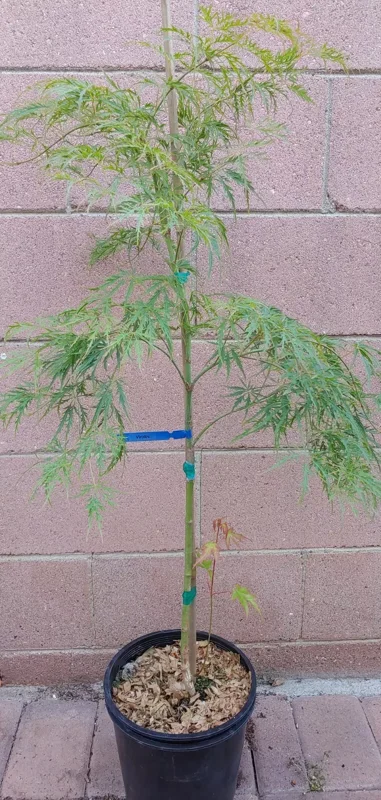
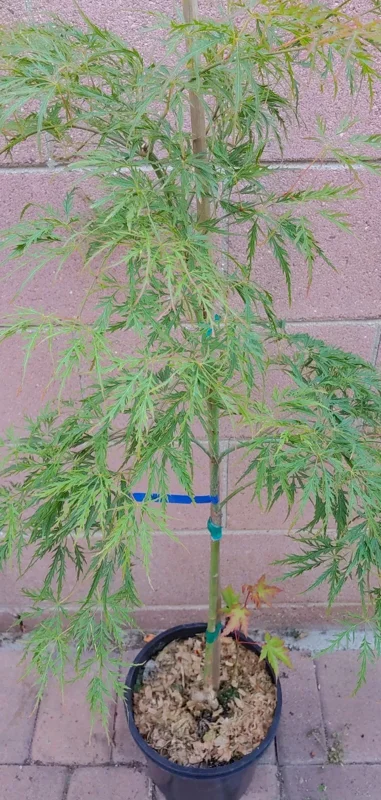
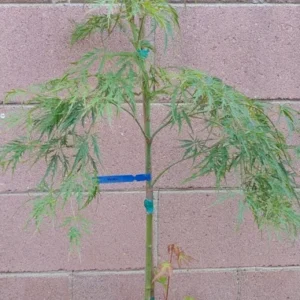
This weeping japanese maple is usually shipped as a young, actively growing plant in a nursery container, ready for transplanting. While the exact size at shipment may vary, it will be a healthy specimen prepared for establishment in your garden. With minimal care, this resilient tree can live for 60 years or more, offering lasting beauty and an excellent return on your investment. Its long lifespan ensures that you’ll enjoy its graceful form and stunning seasonal colors for decades to come, making it a truly valuable addition to your outdoor space.
You must be logged in to post a review.
Sold 54 products
Original price was: $99.98.$49.99Current price is: $49.99.
Sold 91 products
Original price was: $55.98.$27.99Current price is: $27.99.
Sold 93 products
Original price was: $59.98.$29.99Current price is: $29.99.
Sold 97 products
Original price was: $243.98.$121.99Current price is: $121.99.
Sold 51 products
Original price was: $59.92.$29.96Current price is: $29.96.
Sold 83 products
Original price was: $35.98.$17.99Current price is: $17.99.
Sold 96 products
Original price was: $119.98.$59.99Current price is: $59.99.
Sold 89 products
Original price was: $243.98.$121.99Current price is: $121.99.
Reviews
There are no reviews yet.