NEED SUPPORT WITH YOUR ORDER? Get in touch
Not satisfied with your purchase?
Enter your Order ID on website, and we'll resolve it right away.

Original price was: $168.99.$129.99Current price is: $129.99.
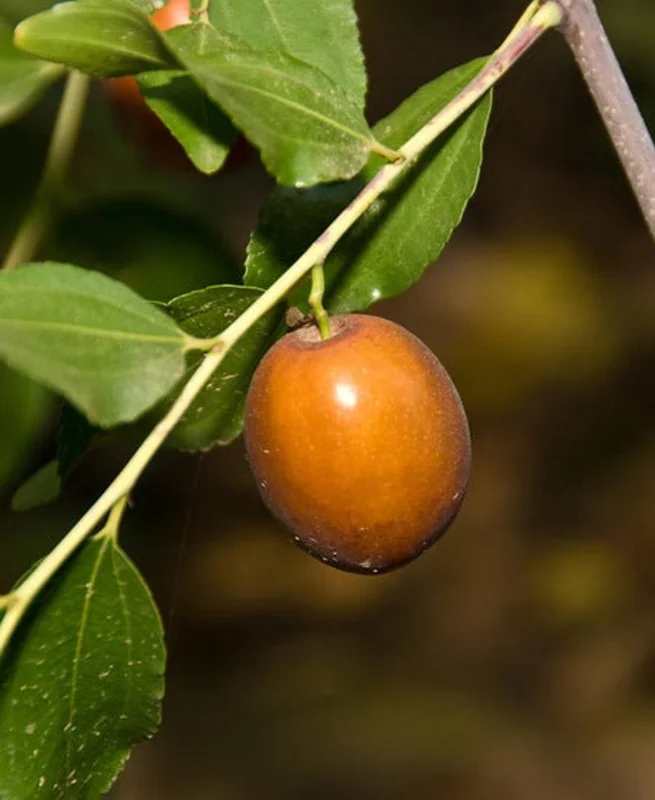
Grow your own sweet harvest with the jujube sugar cane tree. This grafted jujube tree (Ziziphus jujuba ‘Sugar Cane’) arrives 1-2 ft tall in a 6" pot, ready for planting. Enjoy delicious, naturally sweet fruit from this hardy and low maintenance fruit tree, ideal for home gardeners seeking a bountiful crop.
Mar 03
Mar 08 - Mar 10
Mar 13 - Mar 17
USDA Hardiness Zone
Soil Type
Sunlight Exposure
Expected Planting Period
Shipping and return policies: Our Alive & Thrive Guarantee covers issues with your plants within the first 30 days. Get in touch with us via email, and our team will review your concerns and, if necessary, provide you with a one-time replacement at no cost.
If you're unsure about your hardiness zone, feel free to reach out to us. Our team will answer your questions and help you find the plants that are truly suitable for your environment, climate, and personal preferences.
The jujube sugar cane tree (Ziziphus jujuba ‘Sugar Cane’) is an exceptional addition to any home garden, promising a harvest of remarkably sweet fruit directly from your backyard. This particular offering is a grafted jujube tree, ensuring robust growth and reliable fruit production. Standing at a convenient 1 to 2 feet tall upon arrival, this live plant is delivered in a 6-inch pot, perfectly prepared for immediate planting. Known for its ‘Sugar Cane’ cultivar, this variety lives up to its name, producing small to medium-sized fruit that is intensely sweet even when consumed fresh. It ripens mid-season, providing a delightful and timely harvest for fruit enthusiasts. Gardeners looking for a unique and rewarding fruit-bearing specimen will find the jujube sugar cane tree to be an excellent choice, combining ornamental appeal with practical benefits.
Cultivating a jujube sugar cane tree offers a multitude of advantages, making it a highly desirable plant for both novice and experienced gardeners. Its unique characteristics contribute to a rewarding and enjoyable gardening experience.
Caring for your jujube sugar cane tree is straightforward, making it an excellent choice for gardeners of all skill levels. This grafted jujube tree is known for its hardiness and adaptability, ensuring a successful growing experience with a few key considerations. For optimal fruit production and overall health, understanding its specific needs is crucial. The ‘Sugar Cane’ variety, like other jujubes, thrives under conditions that mimic its native arid environments.
Sunlight Requirements: The jujube sugar cane tree demands full sunlight for robust growth and abundant fruit production. Aim for at least 6-8 hours of direct sunlight per day. Planting it in a location that receives ample morning sun and afternoon light is ideal. While it can tolerate some partial shade, fruit yields will be significantly reduced. Watering Schedule & Soil Moisture: During the first year after planting, water your new tree deeply and regularly to help establish a strong root system. Once established, the jujube sugar cane tree is remarkably drought-tolerant, requiring less frequent watering. Allow the soil to dry out between waterings. Overwatering can lead to root rot, so ensure good drainage. Soil Type & Drainage: This adaptable tree thrives in well-draining soil. A slightly sandy loam is ideal, but it can tolerate various soil types as long as they are not waterlogged. Good drainage is paramount to prevent disease. Temperature Range & USDA Hardiness Zone: Jujube trees are quite cold-hardy, typically thriving in USDA Zones 5-10. They can withstand winter temperatures well below freezing once mature. Fertilization: Fertilize sparingly. A balanced, all-purpose fertilizer applied in early spring before new growth appears is generally sufficient. Avoid over-fertilizing, especially with nitrogen, as this can encourage leafy growth at the expense of fruit production. Common Problems: Jujubes are relatively pest and disease resistant, contributing to their reputation as a low maintenance fruit tree. Occasional issues might include powdery mildew in humid conditions or aphid infestations, which can usually be managed with organic sprays or beneficial insects.
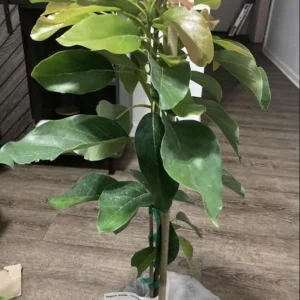
This jujube sugar cane tree arrives as a vibrant, healthy live plant, carefully cultivated and ready for its new home. Each tree is a grafted jujube tree, ensuring genetic consistency and early fruit bearing. Upon delivery, the tree will stand approximately 1 to 2 feet tall, making it an ideal size for planting directly into your garden or a larger container. It is shipped securely in a 6-inch nursery pot, providing a well-established root system to aid in successful transplantation. The ‘Sugar Cane’ cultivar is known for its vigorous growth. At maturity, this small to medium-sized tree typically reaches a height of 10-15 feet, with a spread proportionate to its height, creating a lovely canopy for shade and fruit production. It has a moderate growth rate, meaning you won’t have to wait an excessive amount of time to enjoy your first harvest. Expect to see fruit production within a few years of planting, with yields increasing as the tree matures. Its compact mature size also makes it suitable for smaller gardens or for growing in large patio containers. This ziziphus jujuba sugar cane offers both beauty and functionality in a manageable package.
You must be logged in to post a review.
Sold 73 products
Original price was: $299.94.$149.97Current price is: $149.97.
Sold 58 products
Original price was: $219.98.$109.99Current price is: $109.99.
Sold 65 products
Original price was: $35.98.$17.99Current price is: $17.99.
Sold 52 products
Original price was: $67.98.$33.99Current price is: $33.99.
Sold 98 products
Original price was: $256.36.$128.18Current price is: $128.18.
Sold 93 products
Original price was: $59.98.$29.99Current price is: $29.99.
Sold 99 products
Original price was: $48.98.$24.49Current price is: $24.49.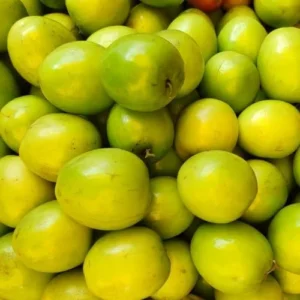
Sold 87 products
Original price was: $371.98.$185.99Current price is: $185.99.
Reviews
There are no reviews yet.