NEED SUPPORT WITH YOUR ORDER? Get in touch
Not satisfied with your purchase?
Enter your Order ID on website, and we'll resolve it right away.

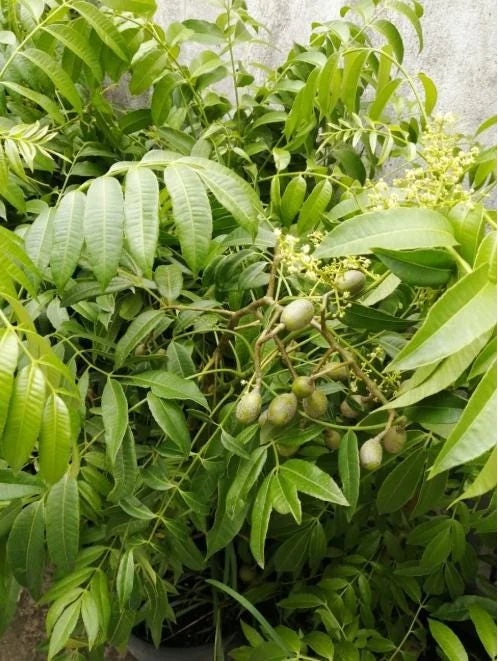
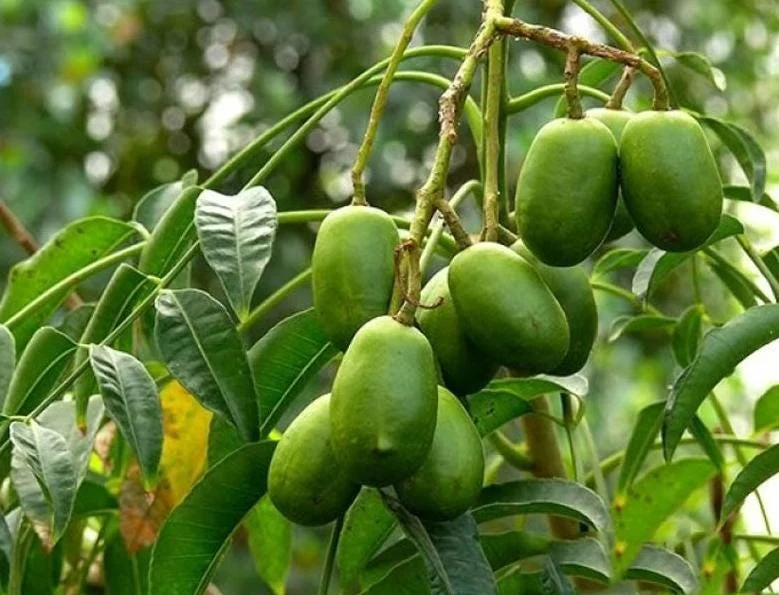
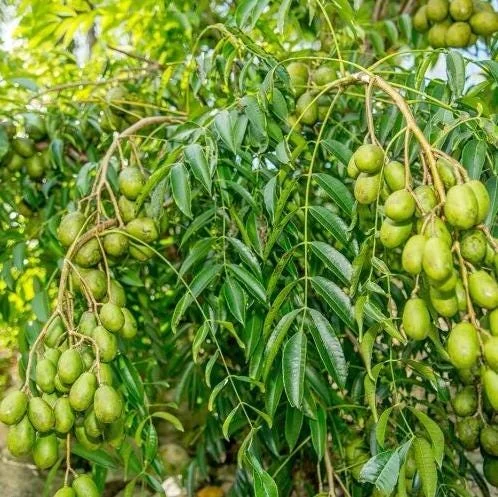
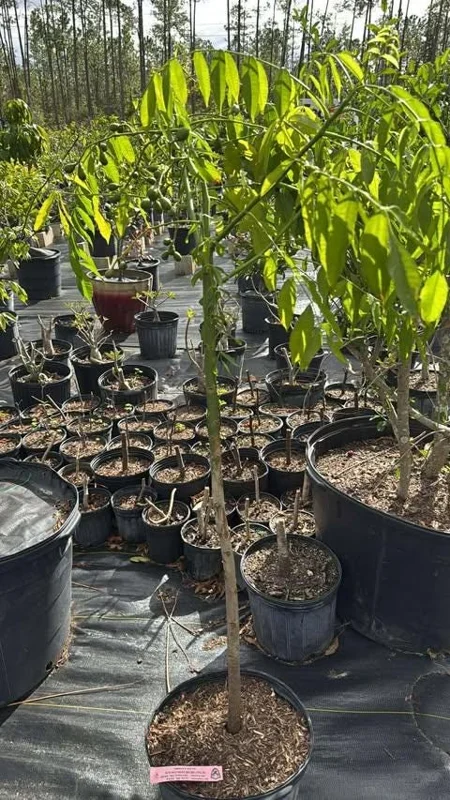
Original price was: $80.99.$70.99Current price is: $70.99.
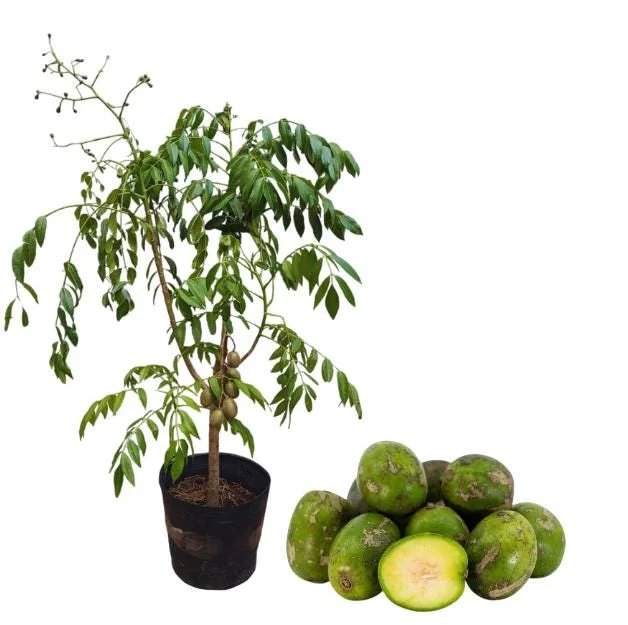
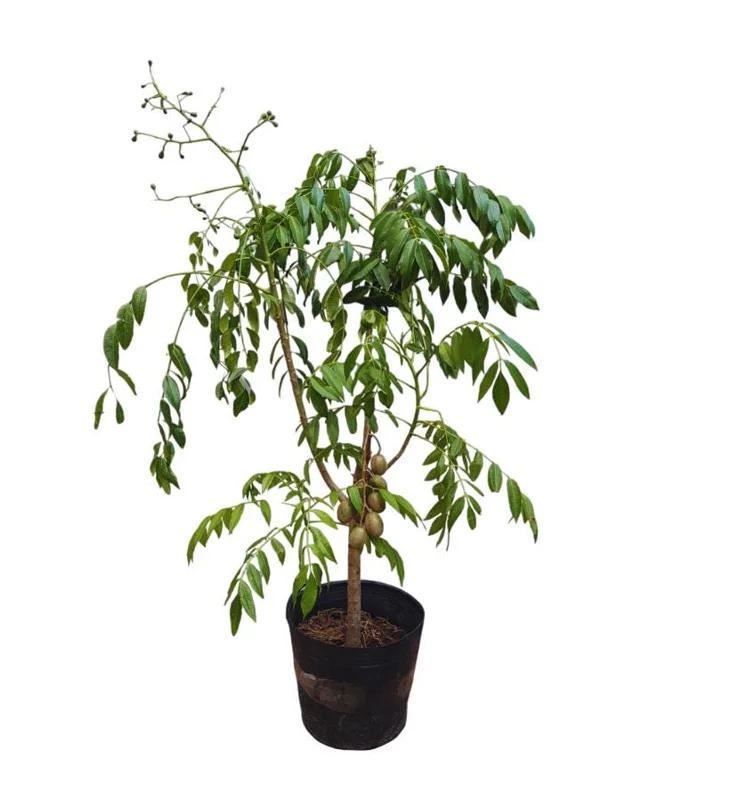
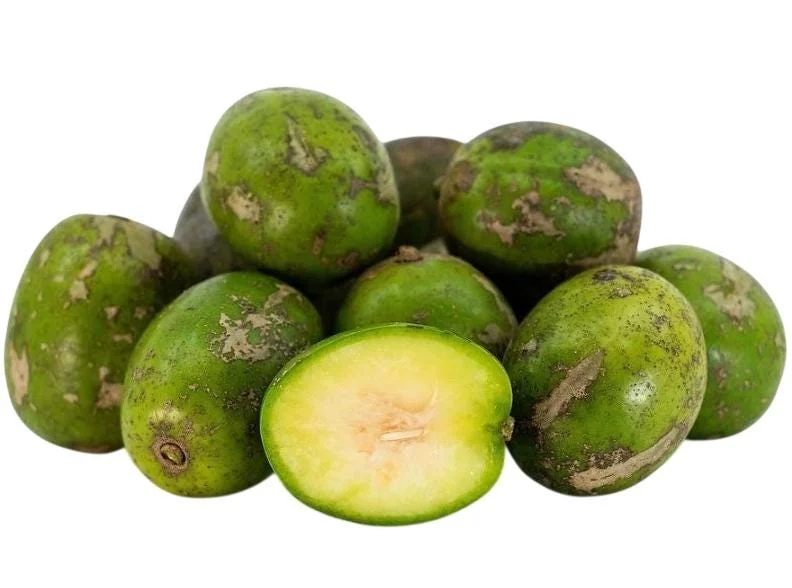
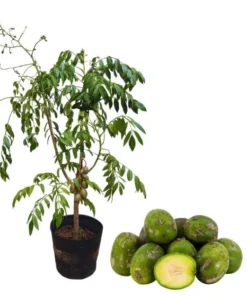
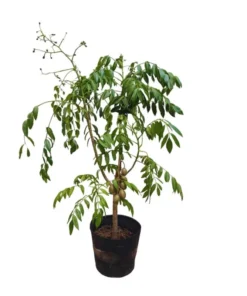
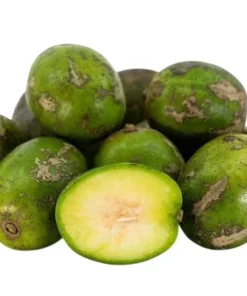
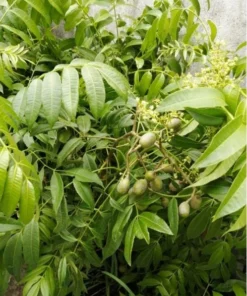
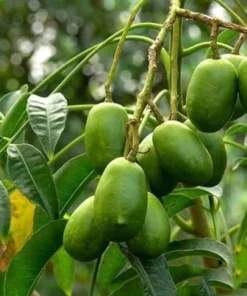
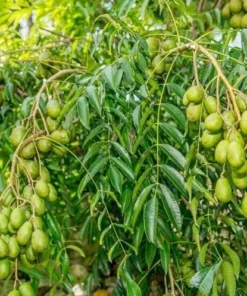
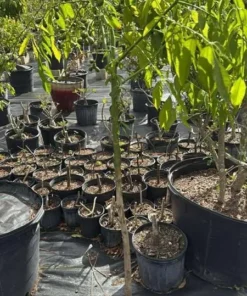
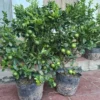
Bring the tropics to your garden with this vibrant june plum tree live plant. Also known as Spondias dulcis care, this 2-3 ft tall specimen arrives in a 3-gallon pot, ready for planting. Enjoy its delicious, crisp fruit and lush foliage, perfect for warm climates. A true tropical fruit tree, it’s a rewarding addition to any landscape.
Feb 04
Feb 09 - Feb 11
Feb 14 - Feb 18
USDA Hardiness Zone
Soil Type
Sunlight Exposure
Expected Planting Period
Shipping and return policies: Our Alive & Thrive Guarantee covers issues with your plants within the first 30 days. Get in touch with us via email, and our team will review your concerns and, if necessary, provide you with a one-time replacement at no cost.
If you're unsure about your hardiness zone, feel free to reach out to us. Our team will answer your questions and help you find the plants that are truly suitable for your environment, climate, and personal preferences.
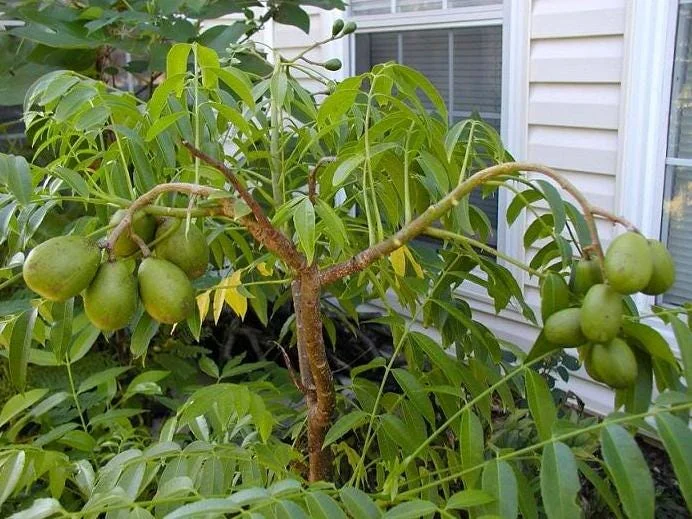
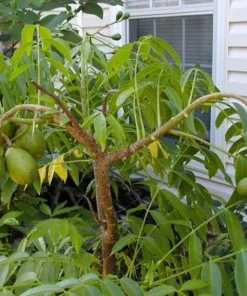
Introduce an exotic touch to your garden with the magnificent june plum tree live plant. Scientifically known as Spondias dulcis, and often referred to as Ambarella or Jobo, this tropical gem is celebrated for its delectable, crisp, and tangy fruit. Originating from the South Pacific, the june plum tree live plant is a fast-growing, deciduous tree that can reach impressive heights in its native habitat, offering a lush canopy and a bountiful harvest. Our carefully cultivated specimen arrives as a healthy 2-3 ft plant in a 3-gallon pot, making it an ideal size for successful establishment in your garden or a large container. This tropical fruit tree promises to be a conversation starter and a source of fresh, unique fruit for years to come.
Cultivating a june plum tree live plant offers a multitude of benefits, from its aesthetic appeal to its delicious yield. This versatile tropical fruit tree is not just a producer of fruit; it’s a vibrant addition to any suitable landscape.
Proper spondias dulcis care is crucial for a thriving june plum tree live plant. To ensure your tree flourishes and produces abundant fruit, understanding its specific needs is key. Begin by selecting a location that receives full sun, meaning at least 6-8 hours of direct sunlight daily. This is paramount for fruit production and overall tree health. The soil should be well-drained and rich in organic matter. While adaptable, a slightly acidic to neutral pH (6.0-7.0) is ideal. When planting, dig a hole twice as wide as the root ball and just as deep, ensuring the top of the root ball is level with the surrounding soil. Backfill with a mixture of native soil and compost, then water thoroughly to settle the soil around the roots.
Watering is critical, especially during the first year of establishment and during dry periods. Keep the soil consistently moist but never waterlogged, as poor drainage can lead to root rot. Once established, the june plum tree live plant can tolerate short dry spells but performs best with regular irrigation. Fertilize lightly during the growing season (spring and summer) with a balanced, slow-release fertilizer formulated for tropical fruit trees. Pruning should be done to shape the tree, remove any dead or crossing branches, and encourage air circulation. For those concerned about frost, protecting young trees with covers or bringing container-grown plants indoors is essential, as this tropical fruit tree is sensitive to cold temperatures.
The jobo plant for sale thrives in warm, tropical to subtropical climates (USDA Zones 9-11). If you live in a cooler region, consider growing it in a large pot that can be moved indoors during colder months. Monitor for common pests like aphids or scale, treating them with organic insecticidal soap if necessary. With diligent june plum growing tips, your tree will reward you with delicious fruit and a beautiful landscape presence.
This offering is for one healthy june plum tree live plant, measuring approximately 2-3 feet in height from the base of the pot. It is robustly established in a 3-gallon nursery pot, providing a strong root system ready for transplanting into your garden or a larger container. The tree’s growth rate is considered moderate to fast, and with optimal spondias dulcis care, it can begin bearing fruit within 2-4 years. In ideal conditions, a mature June Plum tree can reach heights of 20-40 feet with a spread of 15-25 feet, though container growing will naturally restrict its size. The foliage is lush and green, contributing to its tropical appeal. This tropical fruit tree is shipped with its roots intact in the nursery pot, ensuring minimal transplant shock and a higher success rate for gardeners.
You must be logged in to post a review.
Sold 87 products
Original price was: $256.36.$128.18Current price is: $128.18.
Sold 78 products
Original price was: $259.78.$129.89Current price is: $129.89.
Sold 60 products
Original price was: $359.98.$179.99Current price is: $179.99.
Sold 67 products
Original price was: $257.98.$128.99Current price is: $128.99.
Sold 87 products
Original price was: $59.98.$29.99Current price is: $29.99.
Sold 85 products
Original price was: $258.98.$129.49Current price is: $129.49.
Sold 96 products
Original price was: $319.98.$159.99Current price is: $159.99.
Sold 65 products
Original price was: $69.98.$34.99Current price is: $34.99.

Reviews
There are no reviews yet.