NEED SUPPORT WITH YOUR ORDER? Get in touch
Not satisfied with your purchase?
Enter your Order ID on website, and we'll resolve it right away.

Original price was: $40.99.$21.99Current price is: $21.99.
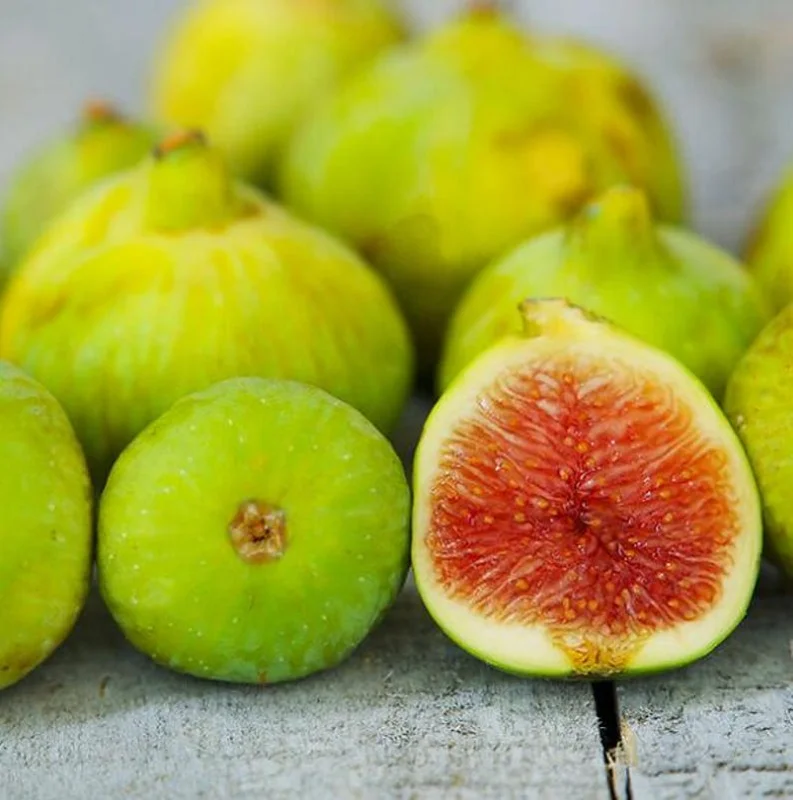
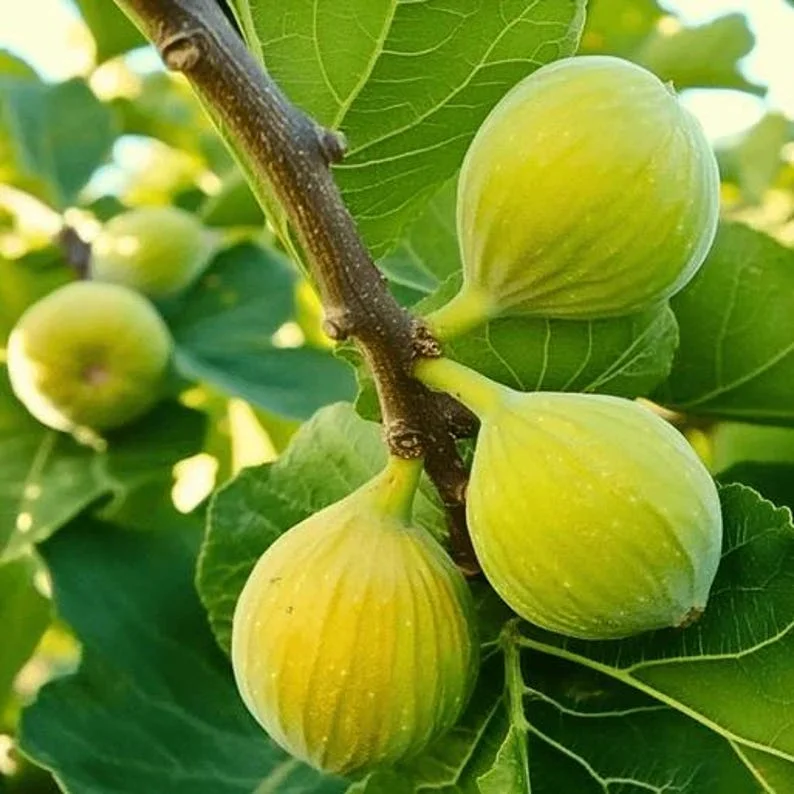
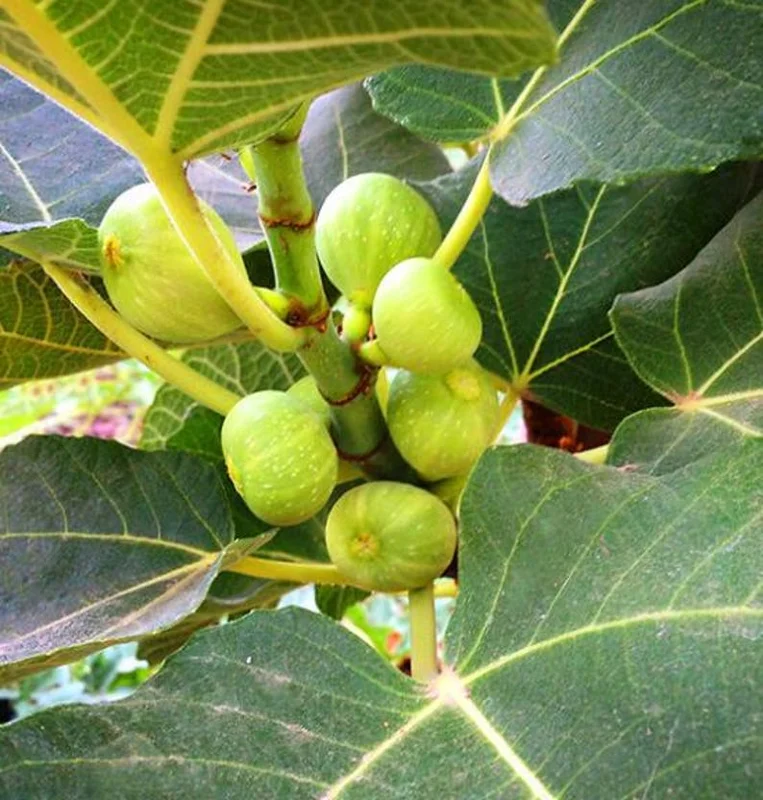
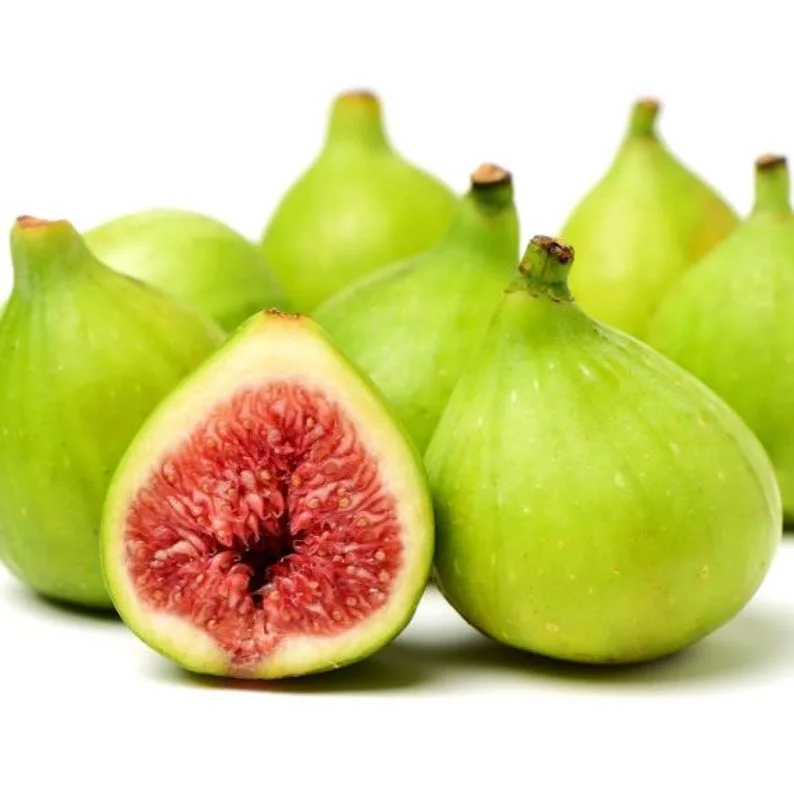
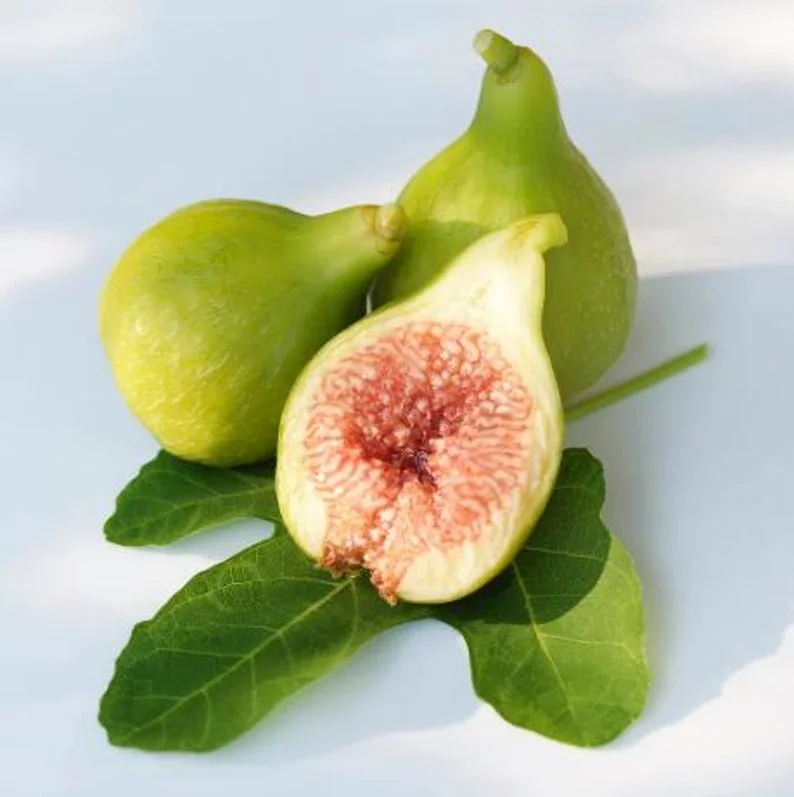
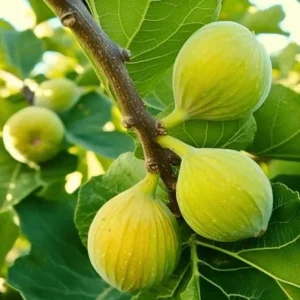
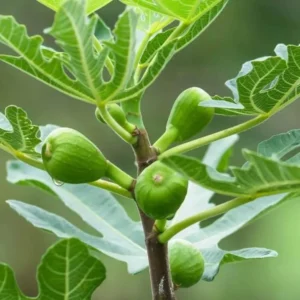
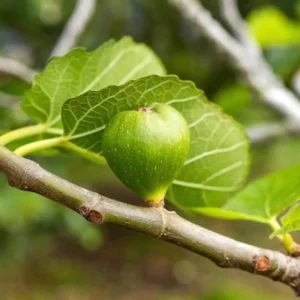
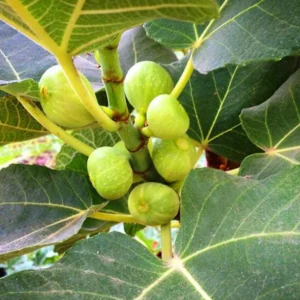
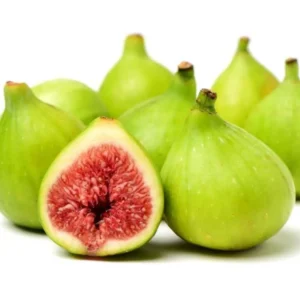
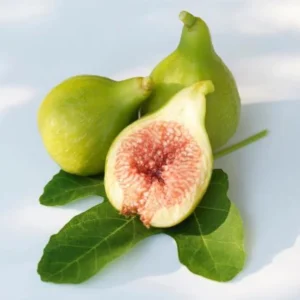
Cultivate your own sweet harvest with this Kadota fig tree live plant. This Ficus Carica fruit tree is known for its delicious yellow/green skinned figs with amber flesh, ideal for fresh eating or drying. Easy to grow and maintain, it’s perfect for both patio containers and garden landscapes.
Feb 04
Feb 09 - Feb 11
Feb 14 - Feb 18
USDA Hardiness Zone
Soil Type
Sunlight Exposure
Expected Planting Period
Shipping and return policies: Our Alive & Thrive Guarantee covers issues with your plants within the first 30 days. Get in touch with us via email, and our team will review your concerns and, if necessary, provide you with a one-time replacement at no cost.
If you're unsure about your hardiness zone, feel free to reach out to us. Our team will answer your questions and help you find the plants that are truly suitable for your environment, climate, and personal preferences.
Bring the joy of fresh, homegrown fruit to your garden or patio with the Kadota fig tree live plant. This robust and easy-to-grow specimen, scientifically known as Ficus Carica fruit tree, is a fantastic choice for gardeners of all experience levels. Renowned for its distinctive yellow/green skin and sweet, amber-colored flesh, the Kadota fig is a versatile fruit, delicious when eaten fresh and particularly well-suited for drying. This live plant arrives ready to thrive, offering both ornamental beauty and a bountiful harvest. Imagine plucking ripe, juicy figs directly from your own tree!
The Kadota fig variety is celebrated for its reliable fruit production and relatively low-maintenance nature, making it an excellent addition to any home garden. Whether you’re an experienced horticulturist or just starting your journey with fruit trees, this Ficus Carica fruit tree promises a rewarding cultivation experience. Its attractive foliage and the promise of succulent fruit make it a focal point in any landscape or container garden setup.
Growing your own Kadota fig tree live plant offers a multitude of advantages beyond just the delicious fruit. This plant provides aesthetic appeal, fresh produce, and a rewarding gardening experience. Here are some of the key benefits:
Proper care is essential to ensure your Kadota fig tree live plant thrives and produces abundant fruit. Fig trees are generally robust, but understanding their specific needs will lead to the best results. They prefer a location with full sun, meaning at least 6-8 hours of direct sunlight per day. If grown indoors or on a patio, choose the sunniest spot available. This plant is adaptable to various soil types, but the key is excellent drainage. Ensure your soil is well-drained and rich in organic matter. Incorporating ordinary organic compost helps to avoid acidic soil conditions, which fig trees do not prefer.
Watering is crucial, especially during the initial transplanting phase. Water every second day after transplanting to help establish the root system. Once established, an adult Ficus Carica fruit tree requires deep watering about once a week if there’s no rainfall. Mulching is highly recommended to retain soil moisture and suppress weeds. Use organic materials like grass cuttings, wood chips, or straw around the base of the tree. Pruning is best done during the winter months when the tree is dormant. Focus on removing suckers from the base and any dead or diseased wood. Trimming main branches can also encourage healthy new growth and a more bountiful harvest. For those wanting to grow fig tree, these tips will be invaluable.
Fig trees rarely require extensive fertilization. Over-fertilizing with nitrogen can actually reduce fruit production and make the tree more susceptible to cold damage. If fertilization is needed, use a general-purpose fertilizer with an analysis of 8-8-8 or 10-10-10. Apply it sparingly and according to package directions. The Kadota fig tree live plant is hardy in USDA zones 8-10 when planted directly in the ground, but can be grown in containers and brought indoors in colder climates. Protecting it from harsh winter winds is also beneficial. Following these simple guidelines will help you achieve a successful and delicious harvest from your fig tree care efforts.
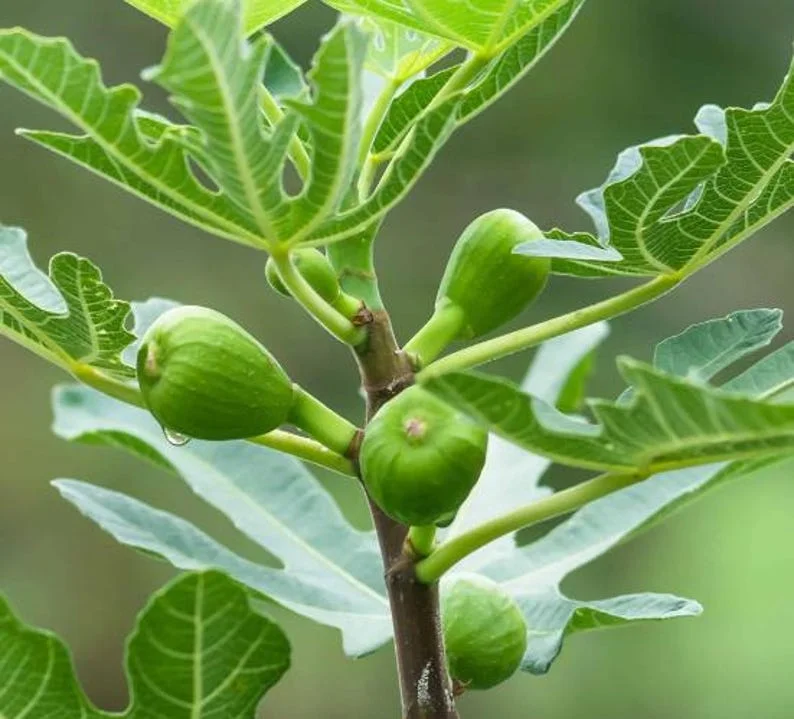
This offering is for a Kadota fig tree live plant, typically measuring 4 to 6 inches tall upon arrival. It is shipped as a young, actively growing plant, ready for transplanting into a larger pot or directly into your garden. While small initially, these plants are vigorous growers. Mature fig trees typically reach a height of 6 to 8 meters (approximately 20-26 feet) with a similar spread, providing ample shade and a stunning visual presence over time. The growth rate can vary depending on climate and care, but you can expect steady development.
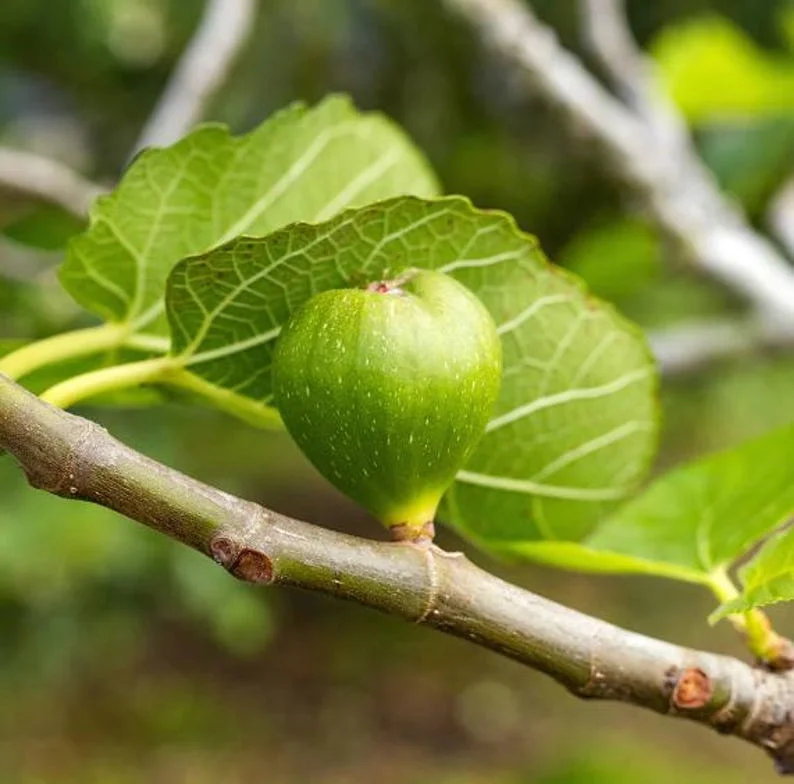
This Ficus Carica fruit tree is delivered as a live, potted specimen, ensuring its health and vitality during transit. It’s important to plant or repot it soon after arrival to allow its roots to establish. Expect your tree to begin producing fruit within a few years, with fruit typically ripening in late summer to early fall. The Kadota variety is known for its moderate growth habit, making it manageable for various garden sizes and excellent for container growing on patios. Careful fig tree care will ensure it reaches its full potential.
You must be logged in to post a review.
Sold 67 products
Original price was: $319.98.$159.99Current price is: $159.99.
Sold 77 products
Original price was: $259.78.$129.89Current price is: $129.89.
Sold 93 products
Original price was: $45.98.$22.99Current price is: $22.99.
Sold 75 products
Original price was: $257.98.$128.99Current price is: $128.99.
Sold 54 products
Original price was: $67.98.$33.99Current price is: $33.99.
Sold 95 products
Original price was: $243.98.$121.99Current price is: $121.99.
Sold 93 products
Original price was: $59.92.$29.96Current price is: $29.96.
Sold 74 products
Original price was: $259.78.$129.89Current price is: $129.89.
Reviews
There are no reviews yet.