NEED SUPPORT WITH YOUR ORDER? Get in touch
Not satisfied with your purchase?
Enter your Order ID on website, and we'll resolve it right away.

Original price was: $59.99.$49.99Current price is: $49.99.
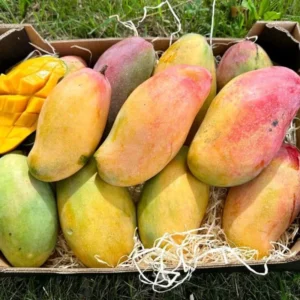
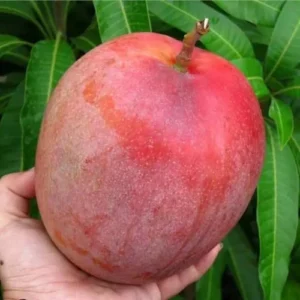
Cultivate your own tropical paradise with a kent mango tree live plant. This healthy 1-foot tall mangifera indica fruit tree is ready to thrive in your garden, offering delicious, fiberless mangoes. Perfect for home growers, it provides both ornamental beauty and a rewarding harvest.
Mar 03
Mar 08 - Mar 10
Mar 13 - Mar 17
USDA Hardiness Zone
Soil Type
Sunlight Exposure
Expected Planting Period
Shipping and return policies: Our Alive & Thrive Guarantee covers issues with your plants within the first 30 days. Get in touch with us via email, and our team will review your concerns and, if necessary, provide you with a one-time replacement at no cost.
If you're unsure about your hardiness zone, feel free to reach out to us. Our team will answer your questions and help you find the plants that are truly suitable for your environment, climate, and personal preferences.
Embark on a journey to fresh, homegrown fruit with the kent mango tree live plant. This exceptional mangifera indica fruit tree offers the promise of succulent, sweet mangoes right in your own backyard. Standing approximately 1 foot tall, this young, vibrant plant is an ideal starting point for cultivating your tropical orchard. The Kent mango variety is highly regarded for its superior flavor profile, smooth, fiberless texture, and commendable disease resistance, making it a top choice for both novice and experienced gardeners seeking to grow mangoes at home. Each live plant is meticulously nurtured to ensure it establishes well and flourishes in its new environment, transforming your garden into a productive and beautiful space.
The Kent mango (Mangifera indica ‘Kent’) is celebrated for its rich, aromatic fruit that ripens late in the season, extending your enjoyment of fresh mangoes. Beyond its delectable fruit, the mango tree itself is a stunning ornamental addition, boasting lush foliage and an attractive form. Planting a kent mango tree live plant is not just about growing fruit; it’s an investment in sustainable living, providing organic, pesticide-free produce and enhancing the aesthetic appeal of your landscape. Prepare to enjoy the bountiful rewards and tropical essence this remarkable tree brings to your home.
Adding a kent mango tree live plant to your garden offers a multitude of advantages, from the pleasure of homegrown fruit to its significant ornamental value. This specific variety is renowned for several key characteristics that make it a standout choice for any fruit enthusiast or gardener looking to grow mangoes at home:
Caring for your kent mango tree live plant properly is crucial for ensuring its health and maximizing fruit production. These trees thrive in specific conditions that mimic their natural tropical habitat. To ensure your mangifera indica fruit tree grows strong and yields delicious fruit, follow these essential guidelines.
Sunlight: Mango trees are sun-lovers and require full sun exposure for optimal growth and abundant fruiting. This means at least 6-8 hours of direct sunlight per day. Choose a location in your garden that receives ample, unobstructed sun throughout the day. In warmer climates, some afternoon shade can be beneficial to prevent sunburn on young trees, but overall, more sun is better.
Watering: Consistent and adequate watering is vital, especially for young trees and during dry periods. Water deeply and regularly, allowing the top few inches of soil to dry out slightly between waterings to prevent root rot. Avoid overwatering, as mango trees do not tolerate soggy conditions. Once established, they are more tolerant of short dry spells but will produce better fruit with regular moisture. Pay close attention to the soil moisture, especially during flowering and fruit development.
Soil: The ideal soil for a kent mango tree live plant is well-draining, rich in organic matter, and slightly acidic, with a pH range of 6.0-6.5. If your soil is heavy clay, amend it with compost, peat moss, or other organic materials to improve drainage and aeration. Good drainage is paramount to prevent waterlogged roots. Raised beds can also be an excellent option in areas with poor native soil.
Temperature & Hardiness: Mango trees are tropical plants and are sensitive to cold. They thrive in warm climates and are generally suited for USDA zones 9-11. Temperatures below 30°F (-1°C) can cause damage, especially to young trees. Protect young plants from frost by covering them or bringing them indoors if grown in containers in cooler zones. The ideal temperature range for growth is between 75-85°F (24-29°C).
Fertilization: Fertilize your mangifera indica fruit tree regularly during the growing season (spring through fall) with a balanced fertilizer formulated for fruit trees. Young trees benefit from higher nitrogen, while mature trees need more phosphorus and potassium to support flowering and fruiting. Follow the product’s instructions for application rates and frequency. Avoid fertilizing during the dormant winter months.
Pruning: Pruning is essential for maintaining the tree’s shape, promoting air circulation, and encouraging fruit production. Prune to remove any dead, diseased, or crossing branches. You can also prune to manage the tree’s size and create a strong scaffold of branches. The best time to prune is usually after harvest or in late winter before new growth begins.
This kent mango tree live plant arrives as a healthy, young specimen, typically standing approximately 1 foot tall. This size provides a robust start for establishing the tree in your garden or a suitable container. While it begins at a manageable height, a mature mangifera indica fruit tree of the Kent variety can reach impressive heights of 20-25 feet with proper care and ideal growing conditions. It develops a spreading canopy, offering ample shade and a significant presence in the landscape. The tree is shipped as a live, potted plant, ensuring minimal transplant shock and providing the best chance for successful growth.
Expect your kent mango tree live plant to begin producing fruit within 3-5 years from planting, assuming optimal care and environmental conditions. The growth rate is moderate, allowing the tree to establish a strong root system and framework before bearing fruit. The late-season fruiting characteristic of the Kent variety means you can look forward to harvesting delicious, fiberless mangoes later in the year compared to many other mango cultivars, extending your enjoyment of fresh, homegrown produce. This tree is an investment that matures into a highly productive and beautiful addition to any warm-climate garden.
You must be logged in to post a review.
Sold 58 products
Original price was: $256.36.$128.18Current price is: $128.18.
Sold 61 products
Original price was: $259.98.$129.99Current price is: $129.99.
Sold 50 products
Original price was: $219.98.$109.99Current price is: $109.99.
Sold 83 products
Original price was: $59.98.$29.99Current price is: $29.99.
Sold 63 products
Original price was: $319.98.$159.99Current price is: $159.99.
Sold 100 products
Original price was: $55.98.$27.99Current price is: $27.99.
Sold 62 products
Original price was: $259.78.$129.89Current price is: $129.89.
Sold 97 products
Original price was: $99.98.$49.99Current price is: $49.99.
Reviews
There are no reviews yet.