NEED SUPPORT WITH YOUR ORDER? Get in touch
Not satisfied with your purchase?
Enter your Order ID on website, and we'll resolve it right away.

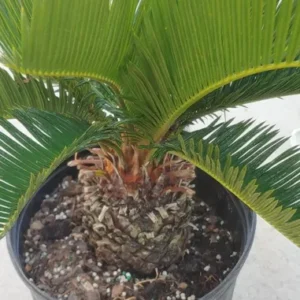
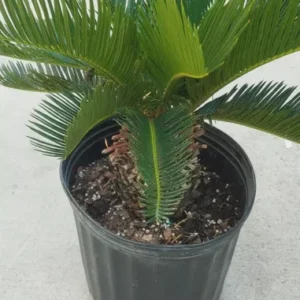
Original price was: $187.99.$147.99Current price is: $147.99.
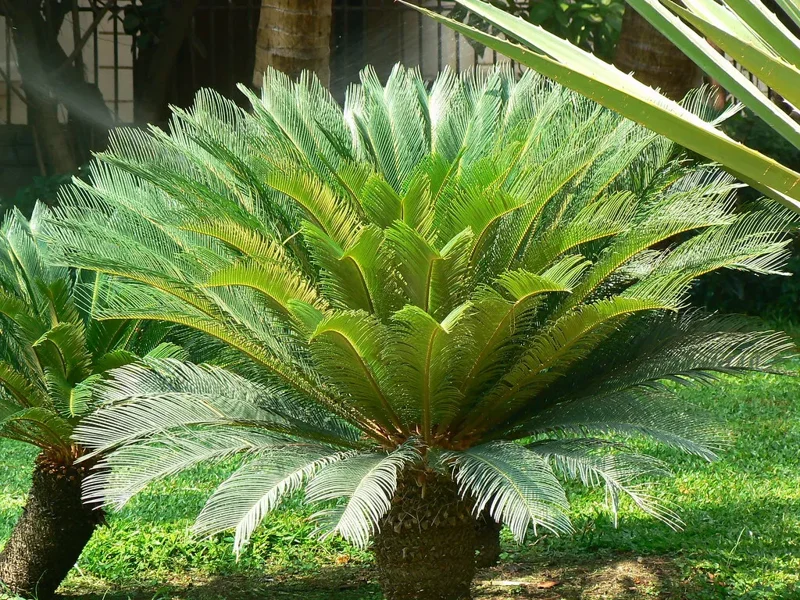
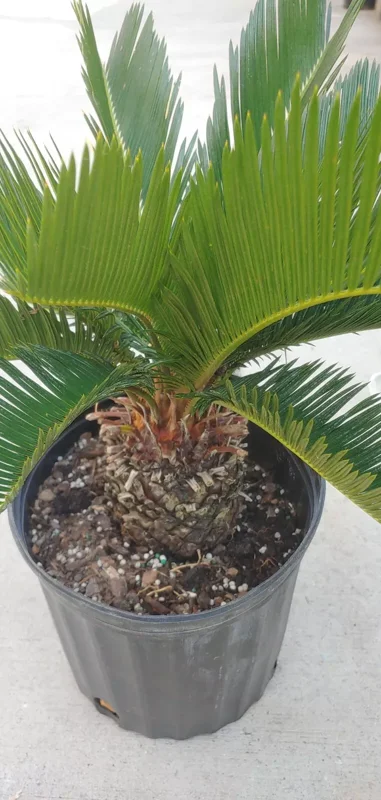
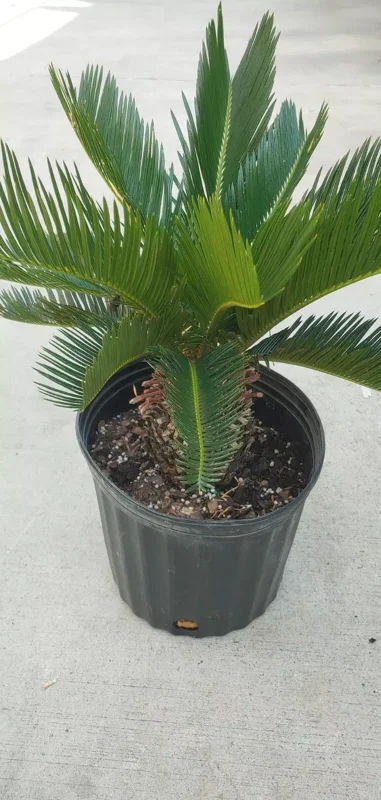
Add a touch of tropical elegance to any space with this stunning sago palm live plant. Standing 20-25 inches tall, this easy-care cycad is perfect for both indoor houseplant displays and outdoor patio or garden accents, bringing ancient sophistication to your home.
Feb 04
Feb 09 - Feb 11
Feb 14 - Feb 18
USDA Hardiness Zone
Soil Type
Sunlight Exposure
Expected Planting Period
Shipping and return policies: Our Alive & Thrive Guarantee covers issues with your plants within the first 30 days. Get in touch with us via email, and our team will review your concerns and, if necessary, provide you with a one-time replacement at no cost.
If you're unsure about your hardiness zone, feel free to reach out to us. Our team will answer your questions and help you find the plants that are truly suitable for your environment, climate, and personal preferences.
Introduce a touch of ancient elegance and tropical flair to your living space with the majestic sago palm live plant. This beautiful cycad, scientifically known as Cycas revoluta, is renowned for its striking, feathery foliage and robust nature, making it a favorite among plant enthusiasts and beginners alike. Originating from the southern regions of Japan, the sago palm is not a true palm but a cycad, a group of ancient plants that have graced our planet for millions of years. Its unique appearance, characterized by a stout trunk and a crown of stiff, dark green leaves, offers a distinctive architectural element to any decor. Whether you’re aiming to create a lush, exotic indoor sanctuary or enhance your outdoor garden with a resilient, eye-catching specimen, this sago palm live plant is an excellent choice. It’s delivered approximately 20-25 inches tall, ready to transform your environment.
The sago palm live plant is celebrated for its incredible adaptability and low maintenance requirements. It thrives in various conditions, adapting seamlessly to different light levels and environments. Its slow growth rate makes it an ideal candidate for container gardening, allowing you to enjoy its beauty for many years without constant repotting. This plant’s resilience to common pests and diseases further adds to its appeal, ensuring a hassle-free growing experience. Embrace the timeless allure of the sago palm and let its verdant charm elevate the aesthetic of your home or garden.
Owning a sago palm live plant brings a multitude of advantages, enhancing both your living space and your gardening experience. Its unique characteristics make it a standout choice for various settings.
Caring for your sago palm live plant is straightforward and rewarding, ensuring it remains a vibrant and elegant addition to your space for years. These ancient plants are incredibly resilient but thrive best with a few key considerations. For sunlight, sago palms prefer bright, indirect light when grown indoors, such as near a south or west-facing window. Outdoors, they can tolerate full sun but will appreciate some afternoon shade in hotter climates to prevent leaf scorch. They are quite adaptable and can even tolerate lower light conditions, though growth may be slower and less dense.
When it comes to watering, the most common mistake is overwatering. Sago palm care involves allowing the soil to dry out completely between waterings. Stick your finger about 2-3 inches into the soil; if it feels dry, it’s time to water thoroughly until water drains from the bottom of the pot. Ensure your pot has excellent drainage to prevent root rot, which is detrimental to the plant’s health. During cooler months, reduce watering frequency as the plant’s growth slows. The ideal soil for a sago palm is a well-draining potting mix, ideally one formulated for palms or cacti, with a slightly acidic to neutral pH.
Fertilization should be done monthly during the growing season (spring through early fall) using a balanced liquid fertilizer diluted to half strength. This will encourage vigorous growth and maintain the deep green color of the foliage. While generally problem-free, you might observe yellowing leaves. Older leaves naturally yellow and brown as the plant sheds them to conserve nutrients. However, yellowing on new growth could indicate a nutrient deficiency, suggesting a need for more consistent fertilization. The indoor sago palm is sensitive to cold, so if you live in a region with temperatures below 20°F (USDA Zone 9), it’s best to bring your outdoor containerized sago palm indoors during winter. The optimal temperature range for the outdoor sago palm is between 65-85°F.
This exquisite sago palm live plant is shipped at an impressive height of approximately 20 to 25 inches, measured from the base of the pot to the tip of its tallest frond. It arrives in a sturdy 2-gallon nursery pot, providing a healthy root system and a solid foundation for continued growth. Sago palms, or cycas revoluta plant, are known for their exceptionally slow growth rate, making them ideal long-term additions to your plant collection. You can expect gradual growth over the years, with new fronds emerging periodically. When mature, an outdoor sago palm can reach heights of 10-12 feet in tropical climates, while an indoor sago palm typically remains much smaller, often topping out at 2-3 feet after many years, depending on container size and conditions. This plant is delivered as a well-established, rooted specimen, ready for immediate display or planting in your preferred location.
You must be logged in to post a review.
Sold 95 products
Original price was: $35.98.$17.99Current price is: $17.99.
Sold 90 products
Original price was: $78.99.$48.99Current price is: $48.99.
Sold 60 products
Original price was: $46.99.$32.99Current price is: $32.99.
Sold 58 products
Original price was: $90.99.$70.99Current price is: $70.99.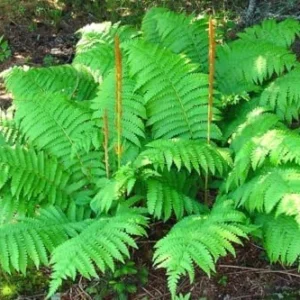
HousePlants
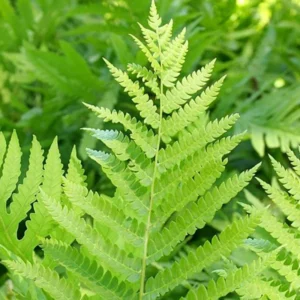
Cinnamon Fern Plants Live – 10 Bare Root Ferns – 4-7 Inches – Indoor/Outdoor Garden Plants
Sold 73 products
Original price was: $57.98.$28.99Current price is: $28.99.
Sold 73 products
Original price was: $43.98.$21.99Current price is: $21.99.
Sold 52 products
Original price was: $79.96.$39.98Current price is: $39.98.
Sold 72 products
Original price was: $69.99.$52.99Current price is: $52.99.
Reviews
There are no reviews yet.