NEED SUPPORT WITH YOUR ORDER? Get in touch
Not satisfied with your purchase?
Enter your Order ID on website, and we'll resolve it right away.

Original price was: $68.38.$37.99Current price is: $37.99.
Add elegance to your landscape with the Kousa Dogwood Tree. This Japanese Cornus Kousa live plant features stunning white blooms in late spring, thrives in USDA zones 5-8, and is adaptable to various conditions, making it a beautiful and resilient choice for any garden.
Feb 04
Feb 09 - Feb 11
Feb 14 - Feb 18
USDA Hardiness Zone
Soil Type
Sunlight Exposure
Expected Planting Period
Shipping and return policies: Our Alive & Thrive Guarantee covers issues with your plants within the first 30 days. Get in touch with us via email, and our team will review your concerns and, if necessary, provide you with a one-time replacement at no cost.
If you're unsure about your hardiness zone, feel free to reach out to us. Our team will answer your questions and help you find the plants that are truly suitable for your environment, climate, and personal preferences.
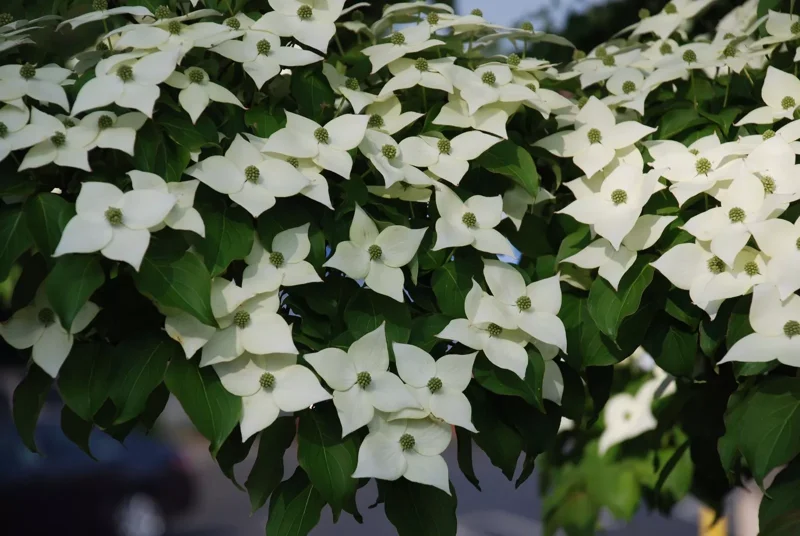
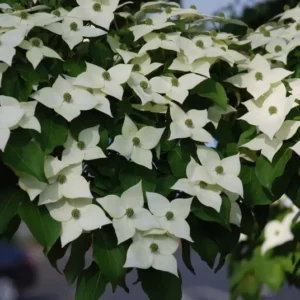
Transform your outdoor space with the exquisite Kousa Dogwood Tree, a resilient and captivating addition to any landscape. Also known as Japanese Cornus Kousa, this live plant is celebrated for its spectacular late spring display of elegant white bracts that beautifully frame subtle greenish-yellow flowers. Beyond its undeniable aesthetic appeal, the Kousa Dogwood Tree is highly valued for its hardiness and remarkable adaptability, making it an excellent selection for both established home gardens and more challenging urban environments. Its distinctive charm and visual interest will undoubtedly elevate the beauty and sophistication of your garden throughout the seasons.
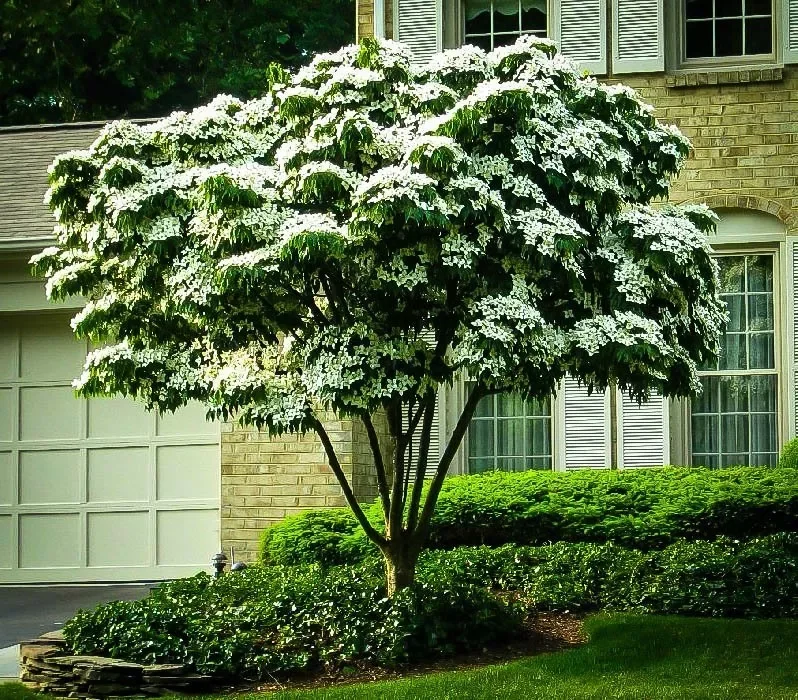
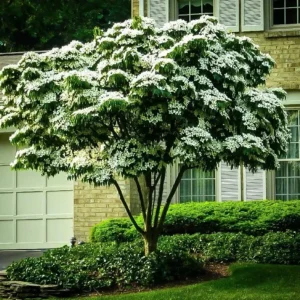
This ornamental tree exhibits a slow to medium growth rate, typically adding 12-24 inches in height each year. Upon reaching maturity, the Kousa Dogwood Tree can grow to an impressive height of 15-25 feet with a spread of approximately 25 feet. This provides ample shade and creates a striking focal point within any garden design. Its unique blooms and attractive foliage ensure it stands out among other flowering trees, offering continuous visual delight for many years.
The Kousa Dogwood Tree offers a multitude of advantages for gardeners looking to enhance their outdoor living spaces with a beautiful and low-maintenance specimen. Its unique characteristics make it a standout choice.
Caring for your Kousa Dogwood Tree is relatively straightforward, thanks to its robust nature and adaptability. This flowering Dogwood Tree thrives with adequate attention to its basic needs, ensuring it remains a healthy and vibrant part of your landscape for decades. It prefers a location with full sun exposure but is also quite tolerant of partial shade, demonstrating its versatility in various light conditions. Aim for at least 6 hours of direct sunlight daily for the best blooming performance, though it will still grow well with 4-6 hours.
When it comes to soil, the Cornus Kousa plant is remarkably unfussy. It flourishes in a variety of well-drained soils, including acidic, loamy, moist, sandy, and even clay soils. Good drainage is key to prevent root rot. While establishing, water regularly to keep the soil consistently moist but never waterlogged. Once established, the Kousa Dogwood exhibits good drought resistance, requiring less frequent watering, especially during dry spells. Fertilize in early spring with a balanced, slow-release granular fertilizer formulated for trees and shrubs, following package instructions.
The Kousa Dogwood Tree is hardy in USDA zones 5 through 8, making it suitable for a wide range of climates. It can tolerate both cold winters and warm summers. Pruning is generally minimal, focused on removing dead, damaged, or crossing branches to maintain a healthy structure. This should ideally be done in late winter or early spring before new growth begins. With proper care, your resilient Dogwood will provide continuous beauty and enjoyment.
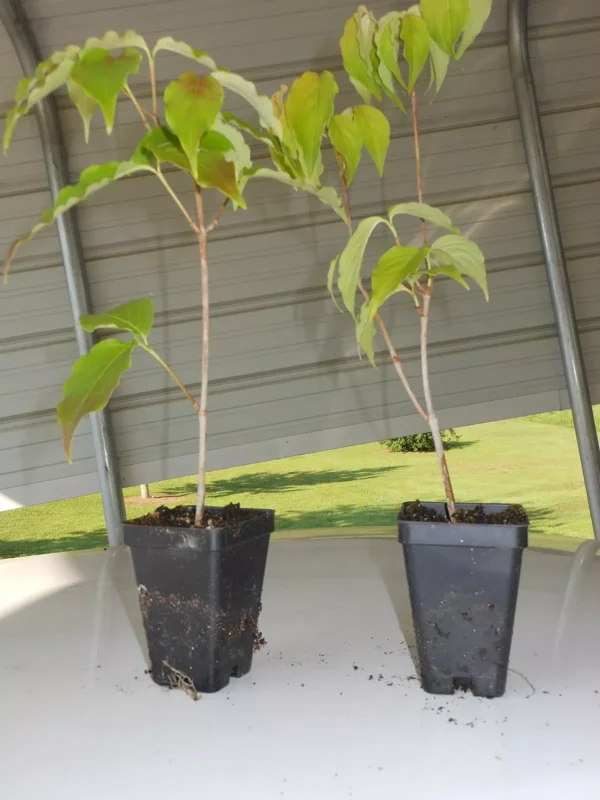
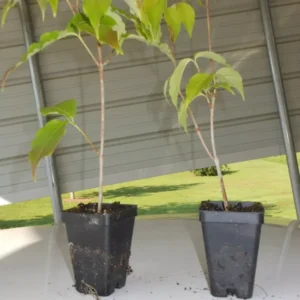
This offering is for a live Kousa Dogwood Tree, a beautiful Japanese Cornus Kousa, typically measuring 6-12 inches in height from the top of the soil line. It comes planted in a quart-sized nursery pot, ready for transplanting into your garden or a larger container. The tree will arrive carefully packaged to ensure its health during transit, with its root ball protected. Upon maturity, this deciduous ornamental tree will reach an impressive height of 15-25 feet with a spread of approximately 25 feet, creating a significant presence in your landscape. Its slow to medium growth rate means it will develop into a stately tree over time, adding 1 to 2 feet in height annually.
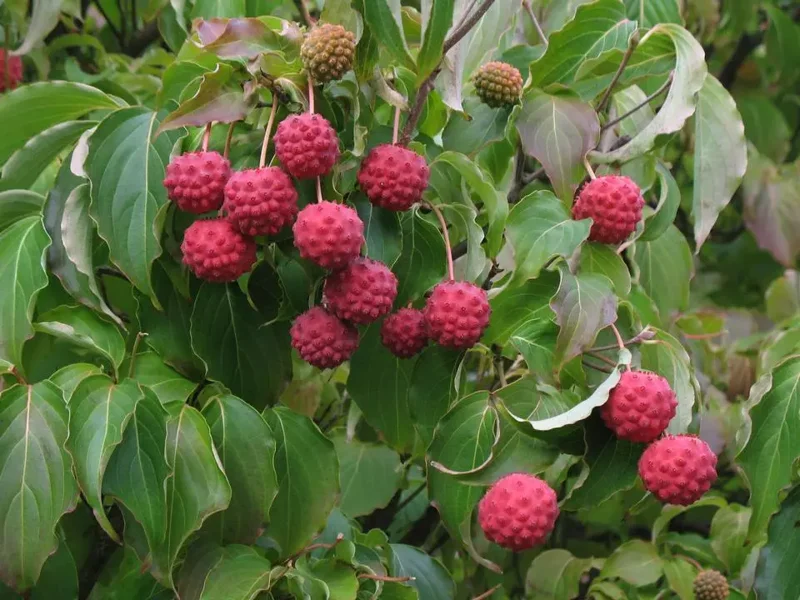
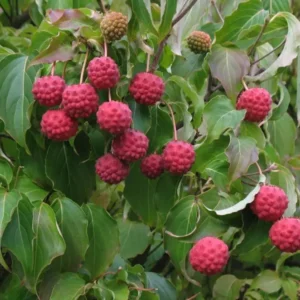
Expect the stunning white blooms, which are actually modified leaves called bracts, to appear in late spring, typically around May to June, after most other dogwood varieties have finished flowering. These are followed by attractive, reddish-pink, berry-like fruits in late summer to fall, which are edible and add further ornamental interest. The foliage also provides beautiful fall color, often turning shades of reddish-purple. This flowering Dogwood Tree is a long-lived specimen, providing decades of beauty.
You must be logged in to post a review.
Sold 88 products
Original price was: $259.78.$129.89Current price is: $129.89.
Sold 60 products
Original price was: $99.98.$49.99Current price is: $49.99.
Sold 51 products
Original price was: $55.98.$27.99Current price is: $27.99.
Sold 99 products
Original price was: $69.98.$34.99Current price is: $34.99.
Sold 82 products
Original price was: $119.98.$59.99Current price is: $59.99.
Sold 88 products
Original price was: $59.92.$29.96Current price is: $29.96.
Sold 51 products
Original price was: $258.98.$129.49Current price is: $129.49.
Sold 81 products
Original price was: $359.98.$179.99Current price is: $179.99.

Reviews
There are no reviews yet.