NEED SUPPORT WITH YOUR ORDER? Get in touch
Not satisfied with your purchase?
Enter your Order ID on website, and we'll resolve it right away.

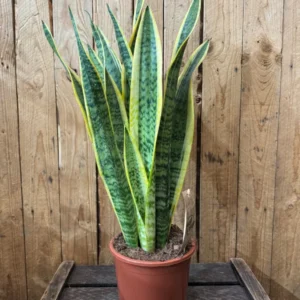
Original price was: $65.99.$43.99Current price is: $43.99.
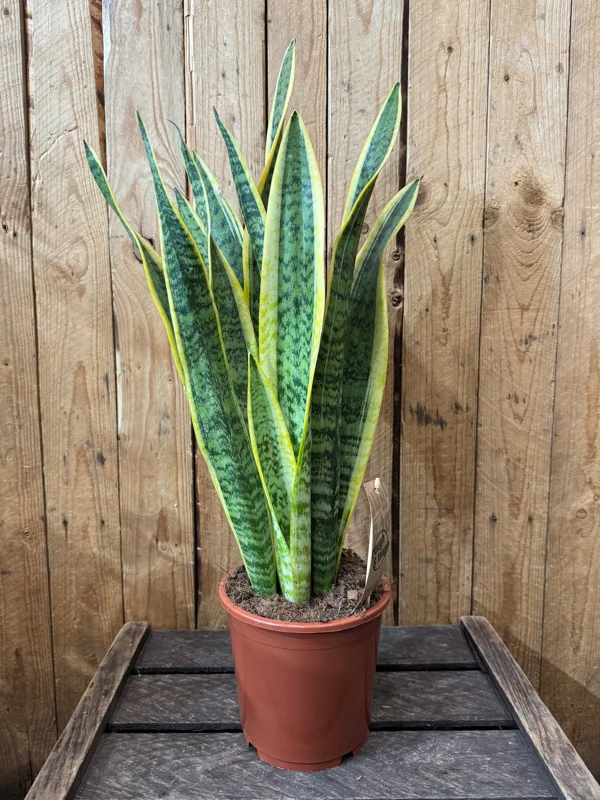
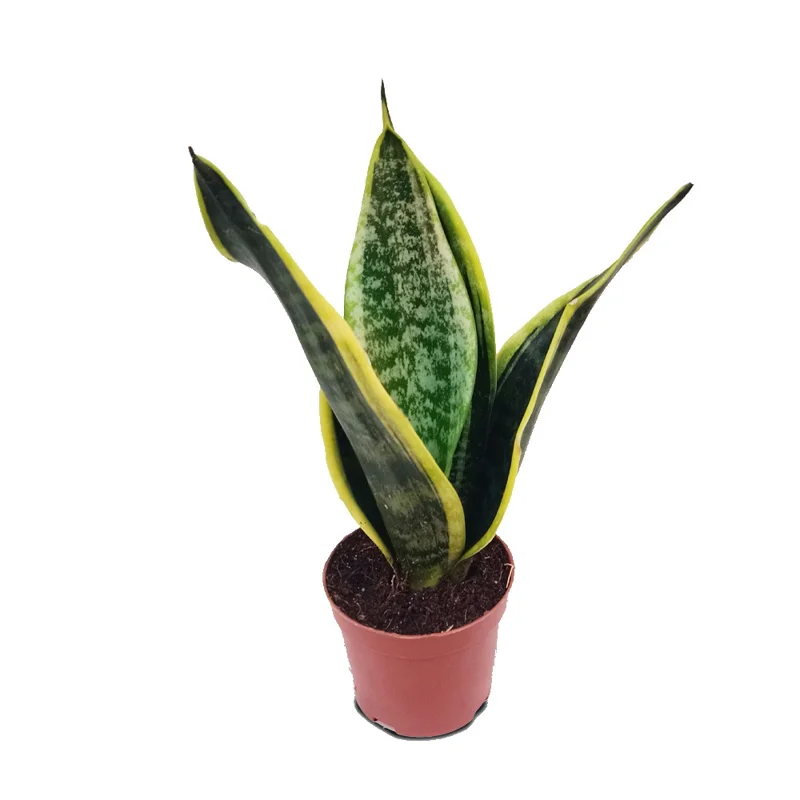
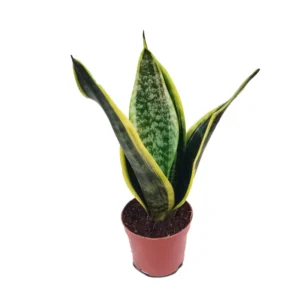
Bring home the resilient Laurentii snake plant, an ideal indoor houseplant for any space. This Sansevieria trifasciata comes in a 4-inch pot, offering striking upright foliage and exceptional air-purifying qualities.
Feb 08
Feb 13 - Feb 15
Feb 18 - Feb 22
USDA Hardiness Zone
Soil Type
Sunlight Exposure
Expected Planting Period
Shipping and return policies: Our Alive & Thrive Guarantee covers issues with your plants within the first 30 days. Get in touch with us via email, and our team will review your concerns and, if necessary, provide you with a one-time replacement at no cost.
If you're unsure about your hardiness zone, feel free to reach out to us. Our team will answer your questions and help you find the plants that are truly suitable for your environment, climate, and personal preferences.
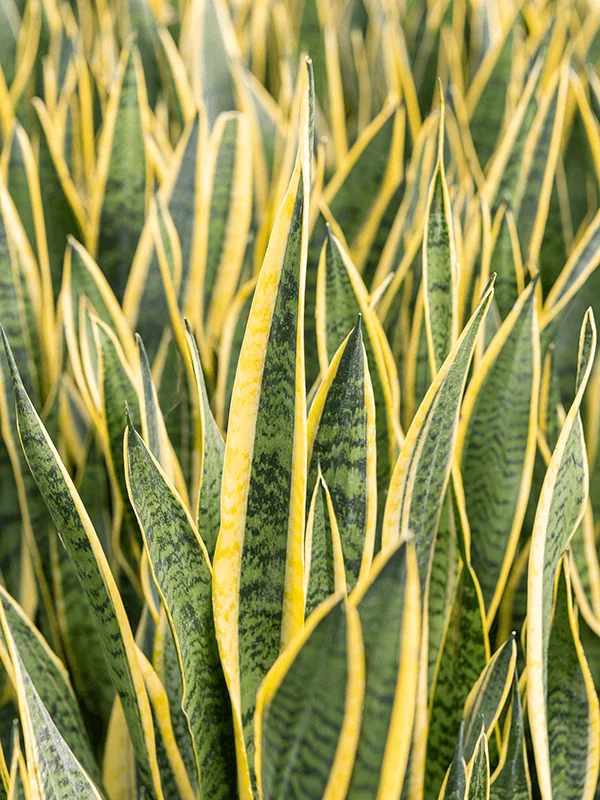
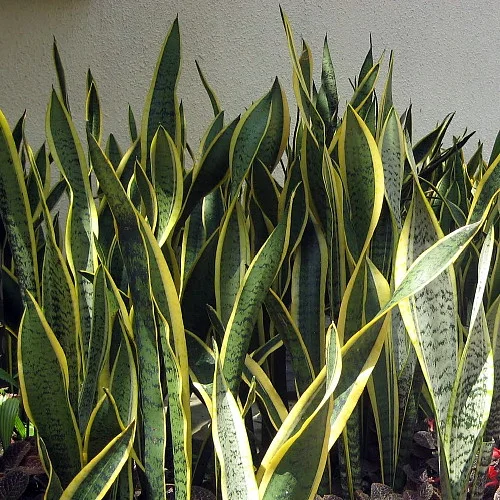
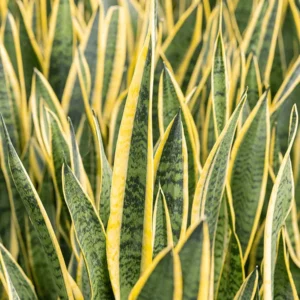
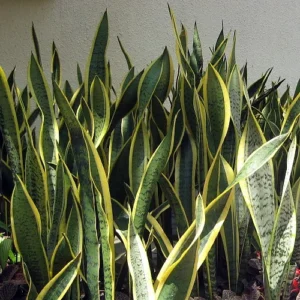
The snake plant indoor, scientifically known as Sansevieria trifasciata ‘Laurentii’, is an exceptionally popular and robust houseplant renowned for its striking architectural form and vibrant yellow-edged, sword-like leaves. This particular variety, the Laurentii, stands out with its distinctive golden-yellow margins, adding a touch of bright elegance to any interior decor. Often dubbed an "impossible to kill houseplant," the snake plant is the perfect choice for both novice plant parents and seasoned enthusiasts seeking a low-maintenance yet visually impactful addition to their home or office. Its upright growth habit makes it ideal for smaller spaces, contributing to a modern aesthetic without demanding constant attention. Each Laurentii snake plant arrives healthy and actively growing in a convenient 4-inch pot, ready to enhance your living environment with its natural beauty and numerous benefits.
Beyond its aesthetic appeal, the Sansevieria trifasciata is celebrated for its remarkable adaptability and resilience. It thrives on neglect, requiring infrequent watering and tolerating a wide range of light conditions, from bright, indirect light to surprisingly low-light corners. This makes it an incredibly forgiving plant, perfect for busy individuals or those who might forget to water occasionally. Its strong, vertical lines provide a sophisticated focal point, making it a versatile element in various decor styles, from minimalist to bohemian. The inherent hardiness and enduring charm of this plant solidify its status as a top-tier choice for indoor greenery.
The snake plant indoor offers a wealth of advantages that extend beyond its striking appearance, making it a highly desirable addition to any home or office. Its practical benefits combine with its aesthetic appeal to create a truly exceptional houseplant experience.
Caring for your snake plant indoor is remarkably straightforward, reinforcing its status as an "impossible to kill houseplant." The key to successful snake plant care lies in understanding its preference for neglect over excessive attention. When it comes to watering, the most critical rule is to allow the soil to dry out completely between waterings. Overwatering is the primary cause of root rot, so it’s always better to err on the side of underwatering. Depending on your home’s humidity and light conditions, this could mean watering every 2-4 weeks in summer and even less frequently in winter. Always check the soil moisture by sticking your finger about 2 inches deep before watering.
For light, the Laurentii snake plant is incredibly adaptable. While it can tolerate low light conditions, it will truly thrive and exhibit its best growth and most vibrant variegation in bright, indirect sunlight. Avoid prolonged periods of direct, harsh sun, which can scorch its leaves. A spot near an east-facing window or a few feet back from a south or west-facing window is often ideal. The optimal temperature range for the Sansevieria trifasciata is between 65-80°F (18-27°C), and it can typically be grown outdoors in USDA zones 9-11, though it is primarily enjoyed as an indoor plant in most climates. It is not frost-tolerant, so bring it indoors before temperatures drop below 50°F (10°C).
Regarding soil, a well-draining potting mix is essential. A standard cactus or succulent mix works perfectly, or you can create your own by adding perlite or coarse sand to a regular potting soil to improve drainage. Fertilization is rarely needed for a snake plant indoor. If you choose to fertilize, do so sparingly, once or twice during the growing season (spring and summer) with a balanced liquid houseplant fertilizer diluted to half strength. Common problems are few but usually stem from overwatering, leading to soft, mushy leaves. If this occurs, reduce watering frequency and ensure good drainage. Pests are also uncommon, but occasionally mealybugs or spider mites might appear; these can typically be treated with insecticidal soap. Proper snake plant care ensures a long-lasting and beautiful plant.
This beautiful Laurentii snake plant is a live, actively growing specimen, delivered in a sturdy 4-inch nursery pot. At this stage, the plant typically stands between 8 to 12 inches tall from the base of the pot, with its characteristic upright foliage. Its slow to moderate growth rate means it will gradually reach its mature indoor height, which can be up to 2-4 feet tall depending on growing conditions and specific variety, making it an excellent choice for adding vertical interest to any room. The plant’s compact root system allows it to thrive in its 4-inch container for a significant period before requiring repotting, usually every 2-3 years or when the roots become pot-bound. This ensures you receive a healthy and established plant ready to flourish in your home.
You must be logged in to post a review.

Sold 93 products
Original price was: $78.99.$48.99Current price is: $48.99.
Sold 98 products
Original price was: $43.98.$21.99Current price is: $21.99.
Sold 52 products
Original price was: $97.98.$48.99Current price is: $48.99.
Sold 68 products
Original price was: $37.98.$18.99Current price is: $18.99.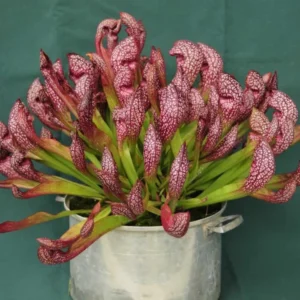
HousePlants
Scarlet Belle Pitcher Plant – Mature Carnivorous Sarracenia – 3 Inch Pot – Insectivorous Plant
Sold 84 products
Original price was: $65.99.$50.99Current price is: $50.99.
Sold 65 products
Original price was: $79.98.$39.99Current price is: $39.99.
Sold 92 products
Original price was: $49.99.$34.99Current price is: $34.99.
Sold 56 products
Original price was: $49.99.$34.99Current price is: $34.99.
Reviews
There are no reviews yet.