NEED SUPPORT WITH YOUR ORDER? Get in touch
Not satisfied with your purchase?
Enter your Order ID on website, and we'll resolve it right away.

Original price was: $55.99.$34.99Current price is: $34.99.
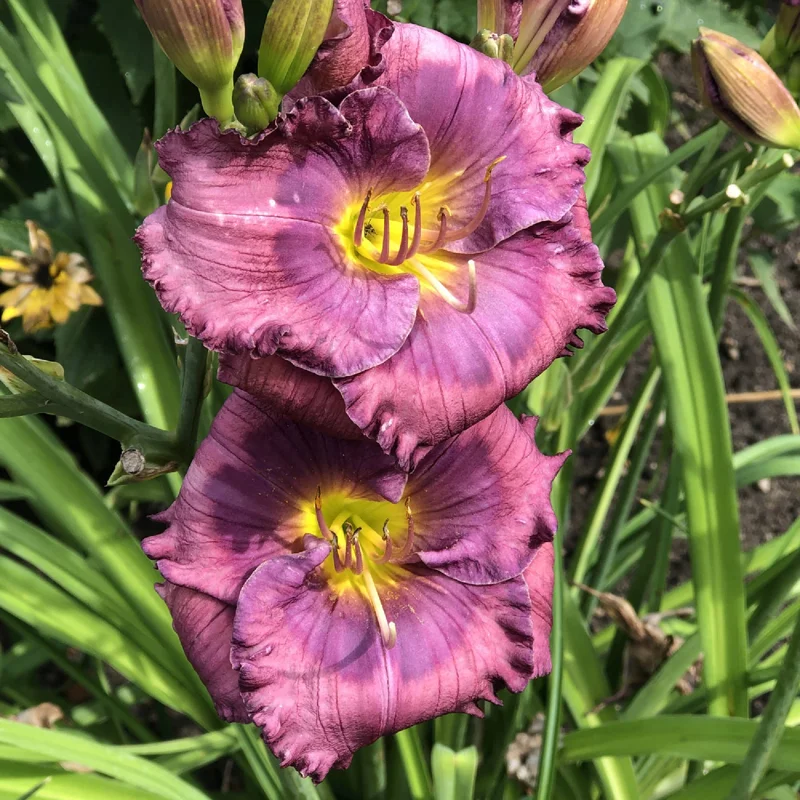
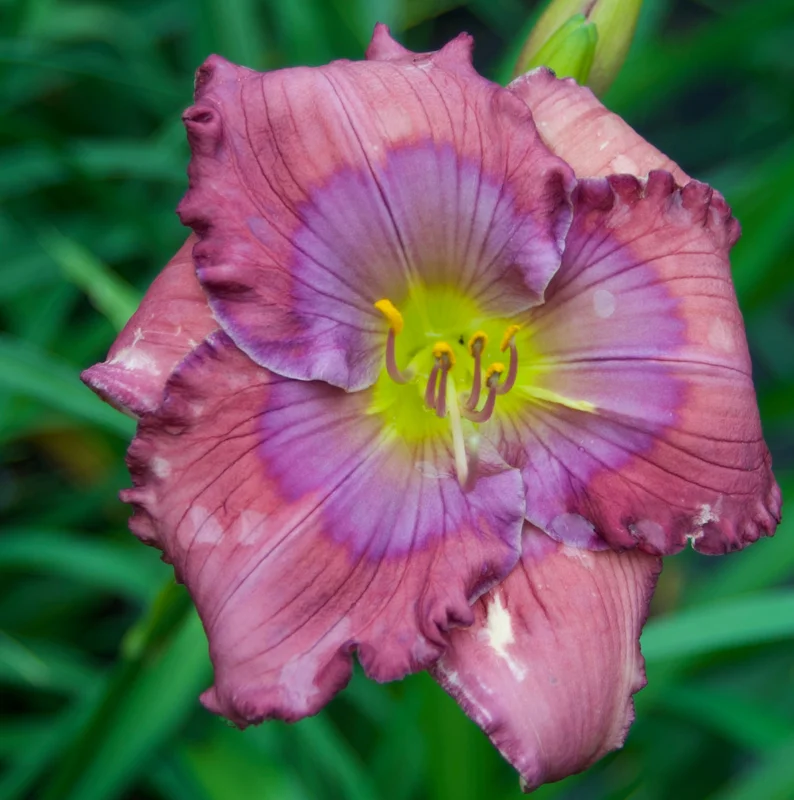
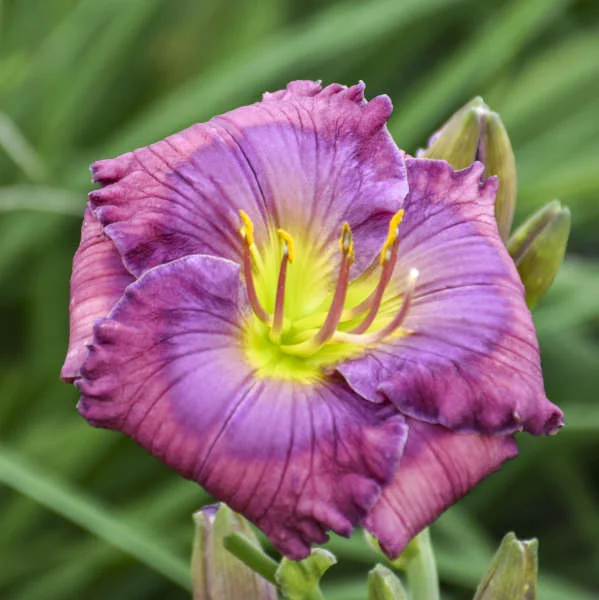
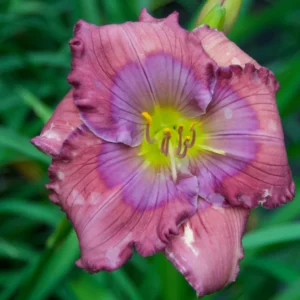
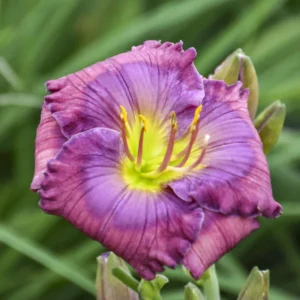
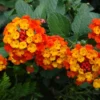
Bring captivating beauty to your landscape with the Lavender Blue Baby Daylily Perennial. This stunning reblooming flower plant features unique lavender-blue watermark eyes and chartreuse-green throats, providing continuous blooms from late spring through summer. It’s an exceptionally hardy and adaptable choice, thriving across USDA zones 3-9, and perfect for adding long-lasting vibrancy to garden borders, mass plantings, or decorative containers. Ideal for both seasoned and novice gardeners.
Mar 03
Mar 08 - Mar 10
Mar 13 - Mar 17
USDA Hardiness Zone
Soil Type
Sunlight Exposure
Expected Planting Period
Shipping and return policies: Our Alive & Thrive Guarantee covers issues with your plants within the first 30 days. Get in touch with us via email, and our team will review your concerns and, if necessary, provide you with a one-time replacement at no cost.
If you're unsure about your hardiness zone, feel free to reach out to us. Our team will answer your questions and help you find the plants that are truly suitable for your environment, climate, and personal preferences.
Elevate your garden’s aesthetic with the remarkable lavender daylily live plant. This stunning perennial is a remarkable addition to any garden, celebrated for its unique lavender hue and impressive reblooming capabilities. It’s an ideal choice for infusing elegance and dynamic color into your outdoor sanctuary. The distinctive lavender-blue watermark eye and chartreuse-green throat ensure it stands out among other daylilies, creating a captivating focal point in your landscape. This robust and garden-hardy plant promises an abundance of beautiful flowers, making it a true treasure for any flower enthusiast seeking enduring beauty and vibrant color.
Known botanically as Hemerocallis, the daylily is a favorite among gardeners for its resilience and beautiful, trumpet-shaped flowers. The ‘Lavender Blue Baby’ variety is particularly prized for its enchanting color and extended bloom time, offering continuous enjoyment throughout the warmer months. Whether you’re enhancing an existing flower bed or starting a new garden project, this reblooming daylily perennial will undoubtedly become a highlight.
Cultivating this exceptional lavender flower plant offers a multitude of advantages, transforming your outdoor space into a vibrant and inviting haven:
Ensuring the health and vitality of your lavender daylily live plant is straightforward with proper care. This resilient perennial is quite forgiving, making it a joy to grow. For optimal growth and prolific blooms, consider the following guidelines:
Sunlight Requirements: This daylily thrives best in full sun, meaning it needs at least 6 hours of direct sunlight per day. While it can tolerate partial shade, particularly in hotter climates, full sun exposure will encourage the most abundant flowering. In areas with intense afternoon sun, some dappled shade can help protect the blooms from fading. Ensure it receives bright, consistent light to support its reblooming nature.
Watering Schedule and Soil Moisture Preferences: Once established, daylilies are drought-tolerant, but consistent moisture is key for the best performance and reblooming. Water deeply once or twice a week, especially during dry spells or its active growing and blooming periods. Allow the top inch or two of soil to dry out between waterings to prevent root rot. Proper drainage is crucial; avoid waterlogged conditions.
Soil Type and Drainage Requirements: The lavender daylily adapts to a wide range of soil types but prefers well-draining, fertile soil. A slightly acidic to neutral pH (6.0-7.0) is ideal. Amend heavy clay soils with organic matter like compost or peat moss to improve drainage and aeration. For sandy soils, adding organic matter will help retain moisture and nutrients. Good drainage is paramount to prevent crown rot.
Temperature Range and USDA Hardiness Zone: This daylily is incredibly hardy, flourishing across USDA zones 3-9. It can withstand cold winters and hot summers within this range. Ensure adequate mulching in colder zones to protect the roots during winter. In extremely hot climates, some afternoon shade can prevent bloom scorch.
Fertilization Schedule and Type: Fertilize in early spring as new growth emerges, and again after the first flush of blooms to support its reblooming efforts. Use a balanced granular fertilizer (e.g., 10-10-10) or a slow-release option. Avoid excessive nitrogen, which can promote foliage growth at the expense of flowers. A light application of compost can also provide essential nutrients.
Common Problems and Solutions: Daylilies are generally pest and disease resistant. Watch for aphids or thrips, which can be managed with insecticidal soap. Slugs and snails may occasionally feed on foliage; use organic slug bait if necessary. Crown rot can occur in poorly drained soils, so ensure good drainage. Rust can sometimes appear on leaves; remove affected foliage and ensure good air circulation. Regular deadheading of spent blooms will encourage more flowers and maintain a tidy appearance, contributing to robust daylily care guide practices.
The Lavender Blue Baby Daylily Perennial is shipped in a 4-inch pot, ready for immediate planting upon arrival. This ensures a healthy start for your new garden addition. This daylily typically reaches a mature height of 12-24 inches (30-60 cm) with a similar spread, forming a neat clump in your garden. Its moderate growth rate means it will establish quickly, providing a beautiful display without becoming overly invasive. You can expect continuous blooms from late spring through summer, with its notable reblooming period extending the season of color. The well-branched structure supports numerous buds, guaranteeing a spectacular show of lavender flowers year after year. This makes it an excellent choice for adding consistent color and texture to your landscape.
You must be logged in to post a review.
Sold 75 products
Original price was: $73.99.$43.99Current price is: $43.99.
Sold 83 products
Original price was: $20.99.$18.90Current price is: $18.90.
Sold 96 products
Original price was: $114.99.$84.99Current price is: $84.99.
Sold 51 products
Original price was: $43.90.$33.90Current price is: $33.90.
Sold 59 products
Original price was: $76.99.$46.99Current price is: $46.99.
Sold 97 products
Original price was: $49.96.$24.98Current price is: $24.98.
Sold 92 products
Original price was: $78.99.$48.99Current price is: $48.99.
Sold 91 products
Original price was: $69.98.$34.99Current price is: $34.99.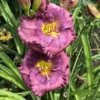
Reviews
There are no reviews yet.