NEED SUPPORT WITH YOUR ORDER? Get in touch
Not satisfied with your purchase?
Enter your Order ID on website, and we'll resolve it right away.
Original price was: $85.99.$49.99Current price is: $49.99.
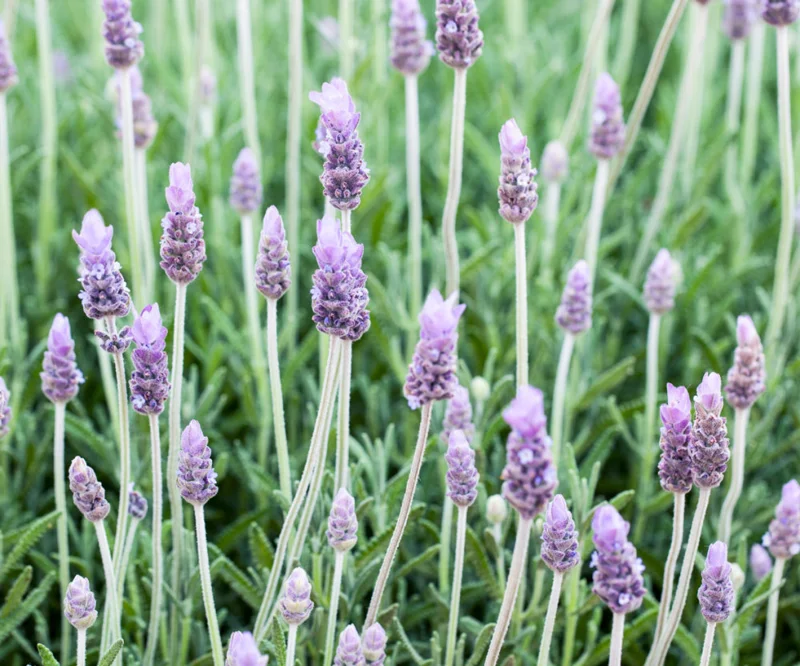
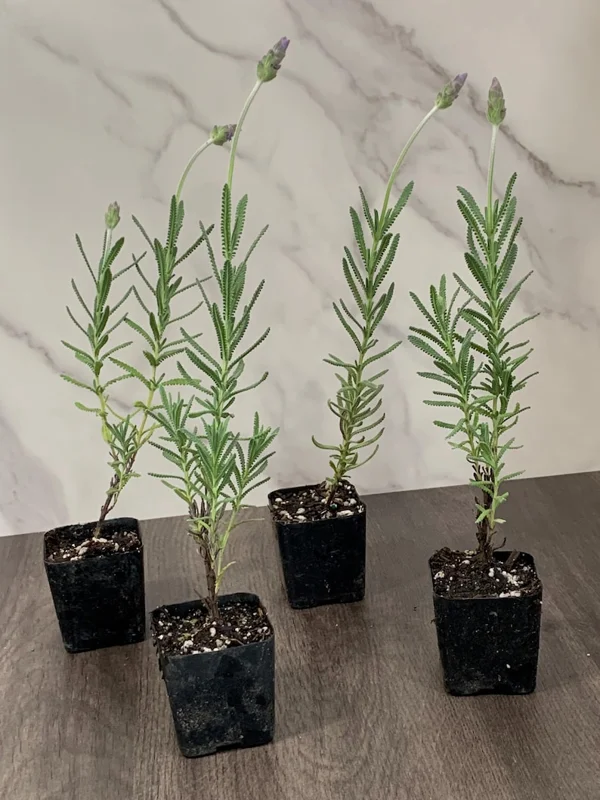
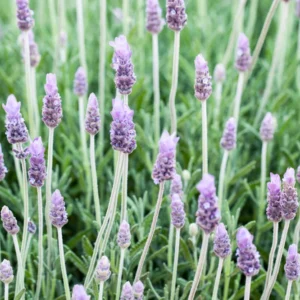
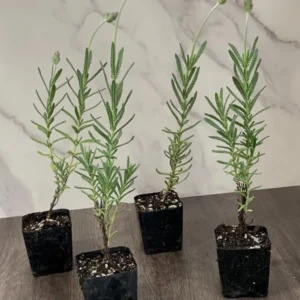
Introduce the captivating charm of lavender dentata grey plant to your outdoor space with this convenient 4-pack. Each 2-inch potted plant offers distinctive grey-green foliage and a delightful aroma, perfect for borders, rock gardens, or containers. Attracts pollinators and is drought-tolerant, making it a low-maintenance, aromatic lavender plant for any garden.
Mar 03
Mar 08 - Mar 10
Mar 13 - Mar 17
USDA Hardiness Zone
Soil Type
Sunlight Exposure
Expected Planting Period
Shipping and return policies: Our Alive & Thrive Guarantee covers issues with your plants within the first 30 days. Get in touch with us via email, and our team will review your concerns and, if necessary, provide you with a one-time replacement at no cost.
If you're unsure about your hardiness zone, feel free to reach out to us. Our team will answer your questions and help you find the plants that are truly suitable for your environment, climate, and personal preferences.
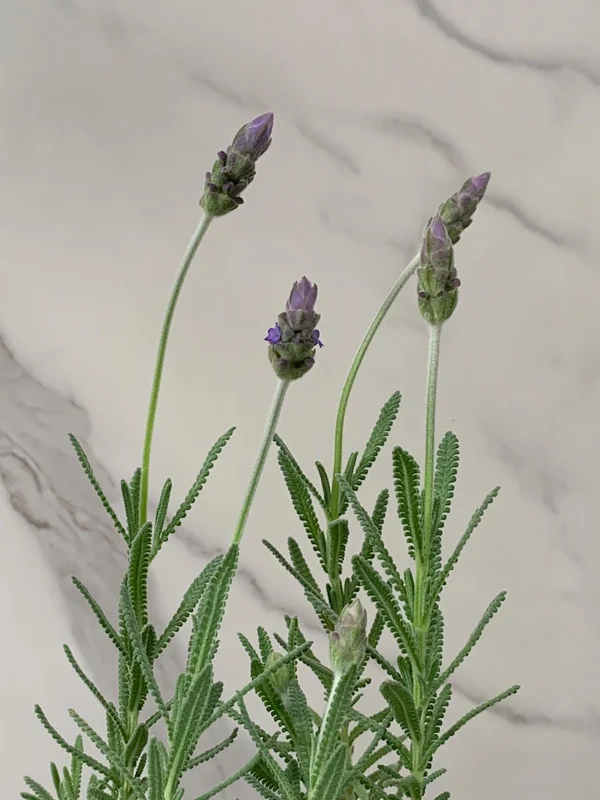
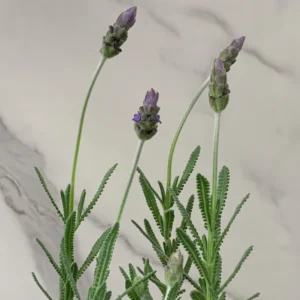
Transform your garden into a fragrant oasis with this 4-pack of lavender dentata grey plant. Each of these carefully cultivated live plants comes in a 2-inch container, providing a healthy and robust start for your outdoor endeavors. Commonly known as French Lavender or Fringed Lavender, Lavandula dentata is celebrated for its unique serrated, grey-green foliage and highly aromatic qualities. This particular variety, known for its soft grey hue, adds an elegant touch and sensory pleasure to any landscape design. Whether you’re aiming to create a serene relaxation spot or enhance your garden’s aesthetic appeal, these lavender dentata grey plants are an excellent choice. Rooted and ready for planting, they promise vigorous growth and enduring beauty in your garden.
Beyond its undeniable aesthetic appeal, the aromatic lavender plant offers a multitude of advantages for gardeners and enthusiasts alike. Its versatility makes it a valuable addition to various garden styles and purposes.
For best results, these aromatic lavender plants flourish in well-drained soil and require full sunlight, ideally receiving at least six hours of direct sun exposure daily. Choosing a sunny spot is crucial for abundant blooms and vigorous growth. Upon initial planting, water regularly, allowing the soil to dry slightly between waterings to prevent overhydration. Proper drainage is key to preventing root rot, which lavender is susceptible to in soggy conditions. Once established, these resilient plants become relatively drought-tolerant, necessitating less frequent irrigation. You’ll notice that the dentata lavender care becomes much simpler once the plant has settled into its new environment.
To maintain their shape and encourage vigorous new growth and abundant blooms, prune annually after the main flowering period. This helps the plant stay compact and productive. Avoid excessive fertilization, as this can lead to leggy growth and diminish flowering potential. A light feeding with a balanced, slow-release fertilizer in spring is usually sufficient. These plants are generally hardy in USDA zones 8-10, though some varieties can tolerate colder temperatures with proper winter protection. Keep an eye out for common issues like powdery mildew in humid conditions or root rot from overwatering. Ensuring good air circulation around the plants can also contribute to their overall health and vitality, making your grey foliage plant thrive.
This offering includes a convenient 4-pack of lavender dentata grey plant starts, each carefully grown in a 2-inch container. These young plants are fully rooted and ready for transplanting into your garden or larger pots. While individual plant sizes and shapes may naturally vary with the season, each plant is selected to ensure a strong foundation for growth. These plants typically reach a mature size of approximately 2-3 feet in both height and width, creating a compact and attractive bush. They have a moderate growth rate, establishing well within their first season and reaching full maturity within a few years. Plant them approximately 18-24 inches apart to allow for proper air circulation and growth.
The distinctive grey-green foliage is a hallmark of this particular aromatic lavender plant, providing subtle color and texture. Expect blooms to appear from late spring through summer, offering continuous fragrance and attracting pollinators. These plants are shipped in their nursery containers, ensuring minimal shock upon arrival and easy transition to their permanent home. The uniform size of this 4-pack makes it ideal for creating cohesive borders, mass plantings, or for distributing among several container arrangements.
You must be logged in to post a review.
Sold 62 products
Original price was: $140.99.$92.99Current price is: $92.99.
Sold 73 products
Original price was: $76.99.$46.99Current price is: $46.99.
Sold 64 products
Original price was: $114.99.$84.99Current price is: $84.99.
Sold 87 products
Original price was: $100.99.$80.99Current price is: $80.99.
Sold 82 products
Original price was: $69.98.$34.99Current price is: $34.99.
Sold 54 products
Original price was: $76.99.$46.99Current price is: $46.99.
Sold 87 products
Original price was: $51.98.$25.99Current price is: $25.99.
Sold 60 products
Original price was: $20.99.$18.90Current price is: $18.90.
Reviews
There are no reviews yet.