NEED SUPPORT WITH YOUR ORDER? Get in touch
Not satisfied with your purchase?
Enter your Order ID on website, and we'll resolve it right away.

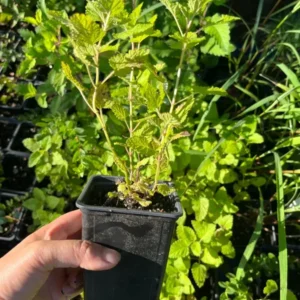
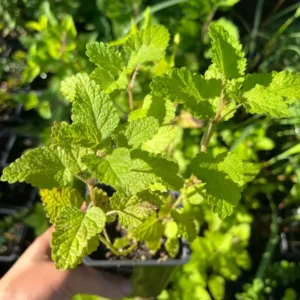
Original price was: $75.99.$43.99Current price is: $43.99.
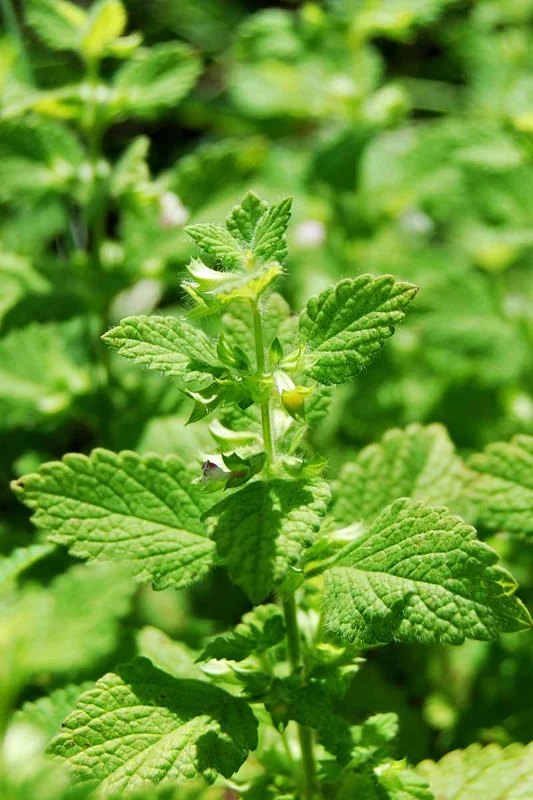
Bring the refreshing scent and versatile uses of lemon balm live plant (Melissa Officinalis) to your garden. This healthy herb thrives in average soil, full sun to partial shade, and is perfect for culinary and wellness applications. Attracts pollinators and easy to grow.
Feb 04
Feb 09 - Feb 11
Feb 14 - Feb 18
USDA Hardiness Zone
Soil Type
Sunlight Exposure
Expected Planting Period
Shipping and return policies: Our Alive & Thrive Guarantee covers issues with your plants within the first 30 days. Get in touch with us via email, and our team will review your concerns and, if necessary, provide you with a one-time replacement at no cost.
If you're unsure about your hardiness zone, feel free to reach out to us. Our team will answer your questions and help you find the plants that are truly suitable for your environment, climate, and personal preferences.
Discover the delightful world of lemon balm live plant (Melissa Officinalis), a cherished herb known for its invigorating citrusy fragrance and versatile uses. This healthy perennial herb, native to southern Europe, is a wonderful addition to any garden or indoor herb collection. Our plants are cultivated to provide you with the best quality, ensuring a thriving specimen that will bring beauty and utility to your space. Whether you’re an experienced gardener or just starting, growing melissa officinalis herb is a rewarding experience, offering both aesthetic appeal and practical benefits. Its charming leaves and subtle flowers make it a favorite among plant enthusiasts.
The lemon balm live plant is a member of the mint family and is celebrated for its ease of care and ability to adapt to various growing conditions. It’s an excellent choice for those looking to add a fragrant, beneficial herb to their home. From culinary creations to soothing teas, this plant offers a wealth of possibilities. Embrace the joy of nurturing your own Melissa Officinalis and enjoy its refreshing presence.
Growing a lemon balm live plant offers a multitude of advantages, enriching your home and garden with its unique qualities:
Caring for your lemon balm live plant is straightforward, making it an excellent choice for both novice and experienced gardeners. This hardy perennial thrives with minimal fuss, providing you with abundant fragrant foliage. To ensure your melissa officinalis herb flourishes, understanding its basic needs is key. It’s a robust plant that can adapt to various environments, but optimal conditions will yield the best results for your grow lemon balm efforts.
Sunlight Requirements: Lemon Balm prefers full sun to partial shade. For the best growth and most intense flavor development in its leaves, aim for at least 4-6 hours of direct sunlight per day. In hotter climates, partial afternoon shade can protect the plant from scorching. If growing indoors, place your lemon balm live plant near a bright, south-facing window or under grow lights to ensure it receives adequate light.
Watering Schedule and Soil Moisture: While somewhat drought-tolerant once established, Lemon Balm prefers consistently moist, but not waterlogged, soil. Water regularly, especially during dry periods, allowing the top inch of soil to dry out slightly between waterings. Overwatering can lead to root rot, so ensure good drainage. Young plants will require more frequent watering until their root systems are established.
Soil Type and Drainage: This herb thrives in average, well-drained soil. It’s not overly particular about soil pH but prefers a slightly acidic to neutral range. Amending your soil with compost or other organic matter can significantly improve drainage and fertility, promoting vigorous growth. If planting in containers, use a high-quality potting mix that drains well.
Temperature Range and USDA Hardiness Zone: Lemon Balm is a hardy perennial, typically thriving in USDA Zones 4-9. It can tolerate a wide range of temperatures, but prefers moderate conditions. In colder zones, it will die back in winter and re-emerge in spring. In warmer climates, it may appreciate some afternoon shade during the hottest months. Protect potted plants from extreme cold by bringing them indoors or providing insulation.
Fertilization Schedule and Type: Lemon Balm is not a heavy feeder. If planted in rich, well-amended soil, it may not require additional fertilizer. If growth appears sluggish, a balanced, all-purpose liquid fertilizer applied sparingly once or twice during the growing season (spring and early summer) can be beneficial. Avoid over-fertilizing, as this can lead to lush foliage but reduced essential oil concentration, impacting its aroma and flavor.
Common Problems and Solutions: Generally pest and disease resistant, Lemon Balm can occasionally suffer from powdery mildew in humid conditions or if air circulation is poor. Ensure adequate spacing between plants and water at the base to prevent wetting foliage. Minor insect issues can usually be managed with organic insecticidal soap. Keep an eye out for slugs and snails, which can be deterred with organic baits or barriers. Regular pruning not only encourages bushier growth but also helps maintain plant health and vigor.
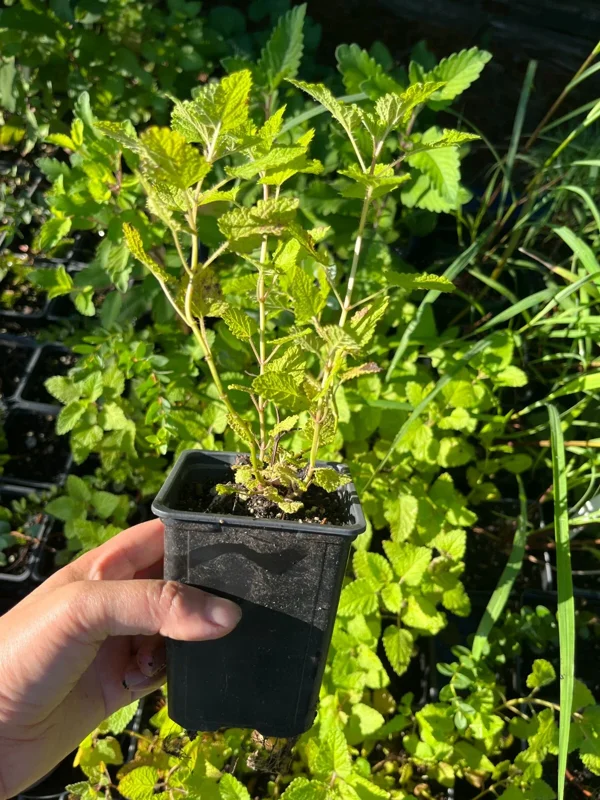
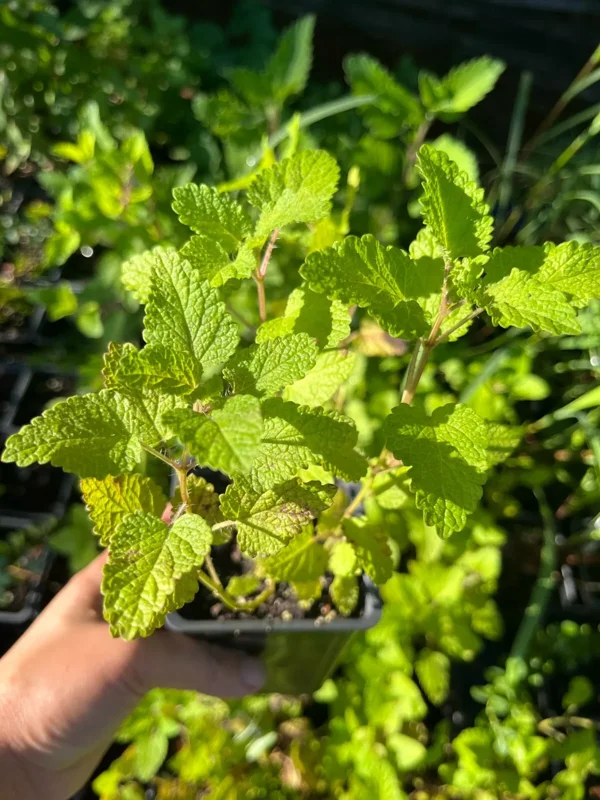
Our lemon balm live plant is shipped in a 3 to 4-inch pot, ready to be transplanted into your garden or a larger container. These young, healthy plants are carefully nurtured to ensure a strong start in their new home. Once established, a lemon balm live plant typically grows to be between 10 and 24 inches tall and can spread up to 18 inches wide, forming a lovely, bushy mound. The growth rate is moderate, and it will quickly fill out its designated space, especially when given optimal growing conditions and proper care.
This perennial herb will provide fresh, aromatic leaves throughout the growing season. The plant’s white, pale yellow, or pink flowers typically bloom from June to August, adding subtle beauty and attracting beneficial pollinators. You can expect your lemon scented herb to establish quickly, providing a continuous supply of leaves for culinary and therapeutic uses. Its robust nature means it will return year after year, offering sustained enjoyment and benefits.
You must be logged in to post a review.
Sold 73 products
Original price was: $39.98.$19.99Current price is: $19.99.
Sold 100 products
Original price was: $35.98.$17.99Current price is: $17.99.
Sold 100 products
Original price was: $13.70.$6.85Current price is: $6.85.
Sold 71 products
Original price was: $59.40.$29.70Current price is: $29.70.
Sold 100 products
Original price was: $57.98.$28.99Current price is: $28.99.
Sold 84 products
Original price was: $47.92.$23.96Current price is: $23.96.
Sold 51 products
Original price was: $51.98.$25.99Current price is: $25.99.
Sold 87 products
Original price was: $31.98.$15.99Current price is: $15.99.
Reviews
There are no reviews yet.