NEED SUPPORT WITH YOUR ORDER? Get in touch
Not satisfied with your purchase?
Enter your Order ID on website, and we'll resolve it right away.

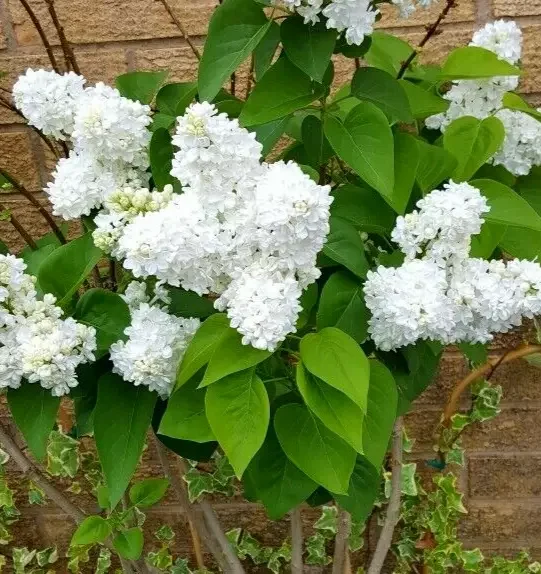
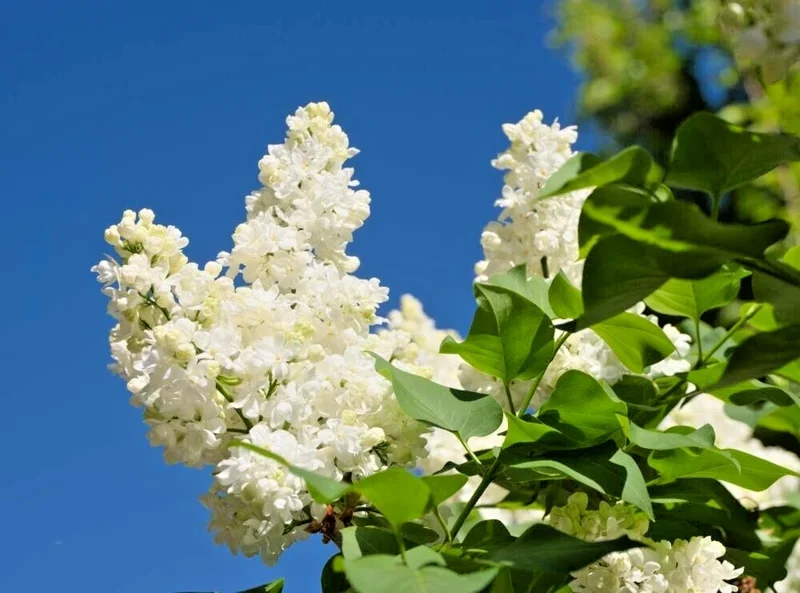
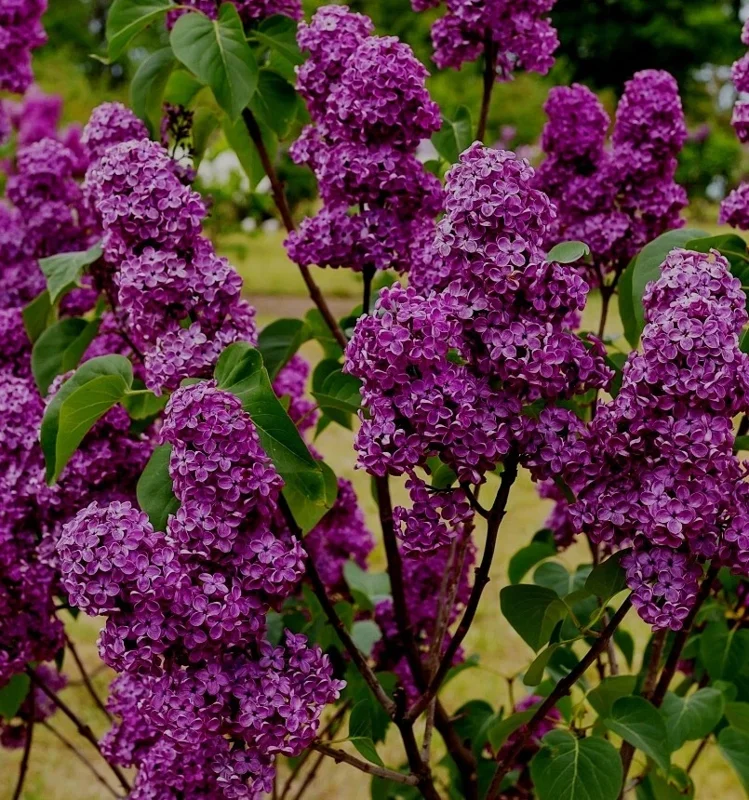
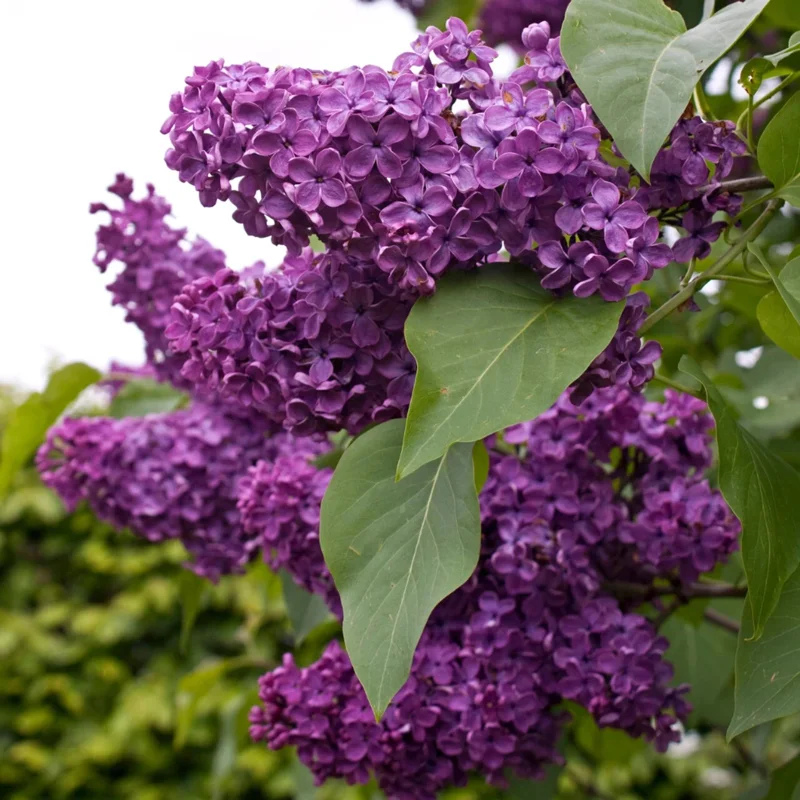



Original price was: $96.99.$48.99Current price is: $48.99.
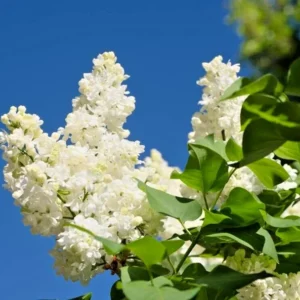
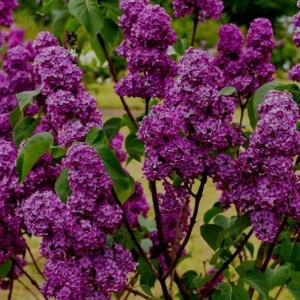
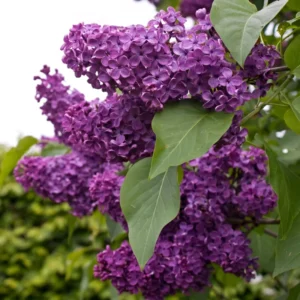
Transform your outdoor space with 10 lilac tree bare roots, offering a delightful mix of purple and white varieties. These 5-8 inch Syringa vulgaris care plants develop into fragrant, hardy flowering shrubs, perfect for creating a stunning, low-maintenance garden focal point. Enjoy beautiful blooms and an intoxicating aroma year after year.
Feb 04
Feb 09 - Feb 11
Feb 14 - Feb 18
USDA Hardiness Zone
Soil Type
Sunlight Exposure
Expected Planting Period
Shipping and return policies: Our Alive & Thrive Guarantee covers issues with your plants within the first 30 days. Get in touch with us via email, and our team will review your concerns and, if necessary, provide you with a one-time replacement at no cost.
If you're unsure about your hardiness zone, feel free to reach out to us. Our team will answer your questions and help you find the plants that are truly suitable for your environment, climate, and personal preferences.
Transform your garden into a fragrant paradise with these exquisite lilac tree bare roots. This offering includes 10 healthy bare root starts, carefully selected to ensure vigorous growth and stunning blooms. You will receive a delightful mix of both purple and white lilac varieties, providing a beautiful contrast and an enchanting aroma to your outdoor space. Known botanically as Syringa vulgaris, these plants are celebrated for their iconic, fragrant flowers and their resilience as a hardy flowering shrub. Perfect for gardeners looking to establish a long-lasting, low-maintenance display of beauty, these bare roots are approximately 5 to 8 inches in length and arrive ready for planting, complete with established root systems. Embrace the timeless charm of these magnificent plants and watch your garden flourish with their spectacular springtime show. These lilac tree bare roots are a true garden classic, offering more than just visual appeal. Their sweet, intoxicating fragrance is a hallmark of spring, inviting pollinators and delighting senses.
Investing in these lilac tree bare roots brings a multitude of benefits to your garden, enhancing its aesthetic appeal and sensory experience for years to come. These benefits go beyond simple beauty, offering a resilient and rewarding gardening journey with minimal Syringa vulgaris care.
Proper care is essential to ensure your lilac tree bare roots establish well and produce abundant blooms. While generally hardy, understanding their specific needs will help them thrive. Lilacs prefer a location with full sun, meaning they need at least 6 hours of direct sunlight each day to achieve optimal flowering. Insufficient sunlight can lead to sparse blooms. When planting, ensure the soil is well-drained and slightly alkaline, with a pH between 6.5 and 7.5. Avoid heavy, waterlogged soils, as these can lead to root rot. Amending clay soils with compost or sand can improve drainage and provide the ideal environment for healthy growth.
Watering is crucial during the establishment phase. After planting, water regularly to keep the soil consistently moist but not saturated. Once established, Syringa vulgaris plants are relatively drought-tolerant, but they will benefit from deep watering during prolonged dry periods, especially when they are budding and flowering. Fertilize in early spring with a balanced, slow-release fertilizer if your soil is poor, but avoid over-fertilizing, which can promote foliage growth at the expense of flowers. Pruning should be done after flowering to maintain shape, remove spent blooms, and encourage future growth. For perennial lilac care, remove any dead or diseased branches, and thin out older, less productive stems to rejuvenate the plant every few years. These hardy flowering shrub varieties are generally resistant to pests and diseases, but good air circulation can help prevent powdery mildew. Ensure adequate spacing between plants. While they are cold-hardy, some protection for young plants in extremely harsh winters can be beneficial. Remember that it typically takes around three years for these bare root starts to produce their first significant buds and flowers, so patience is key. However, the wait is well worth it for the spectacular show these purple and white lilac trees will provide.
This offering includes 10 individual lilac tree bare roots, each carefully prepared for planting. The bare root starts are approximately 5 to 8 inches in length, featuring well-developed root systems ready to establish quickly in your garden. These Syringa vulgaris plants are shipped without soil in a dormant state, which is ideal for successful transplanting. During warmer months, they are packed with Sphagnum Peat Moss to maintain moisture and prevent molding, ensuring they arrive in optimal condition. Mature lilac trees can reach a height of 8 to 15 feet and a spread of 5 to 12 feet, depending on the specific variety and growing conditions. They are known for a moderate growth rate, gradually filling out to become a magnificent hardy flowering shrub. While initial flowering may take about three years, these perennials will provide years of beauty and fragrance, making them a valuable long-term addition to your landscape, requiring consistent perennial lilac care for optimal health and bloom.
You must be logged in to post a review.
Sold 93 products
Original price was: $258.98.$129.49Current price is: $129.49.
Sold 99 products
Original price was: $299.94.$149.97Current price is: $149.97.
Sold 100 products
Original price was: $69.98.$34.99Current price is: $34.99.
Sold 92 products
Original price was: $119.98.$59.99Current price is: $59.99.
Sold 74 products
Original price was: $67.98.$33.99Current price is: $33.99.
Sold 74 products
Original price was: $259.98.$129.99Current price is: $129.99.
Sold 62 products
Original price was: $59.98.$29.99Current price is: $29.99.
Sold 100 products
Original price was: $257.98.$128.99Current price is: $128.99.

Reviews
There are no reviews yet.