NEED SUPPORT WITH YOUR ORDER? Get in touch
Not satisfied with your purchase?
Enter your Order ID on website, and we'll resolve it right away.
Original price was: $37.99.$17.99Current price is: $17.99.
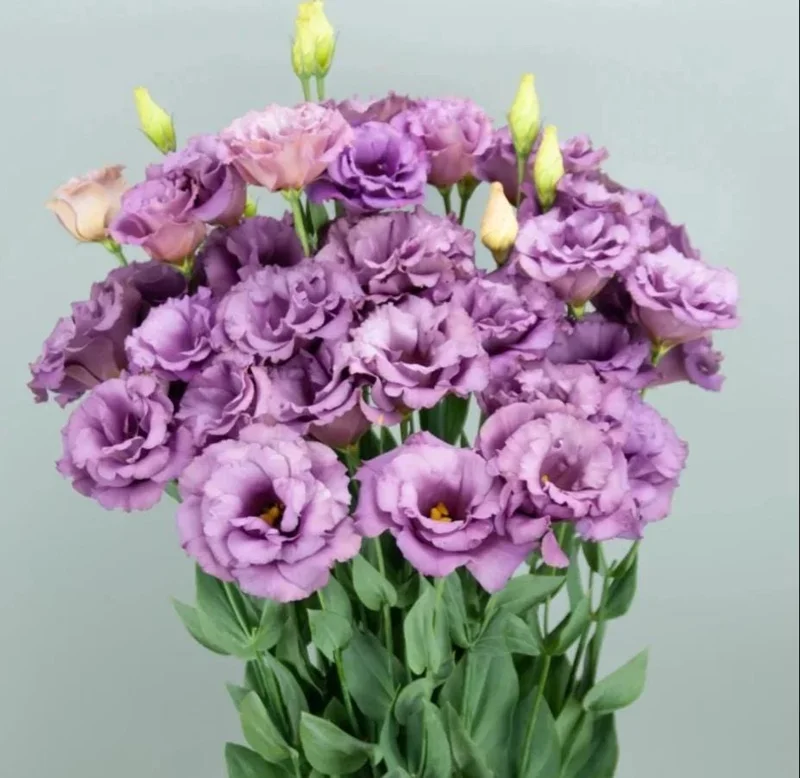
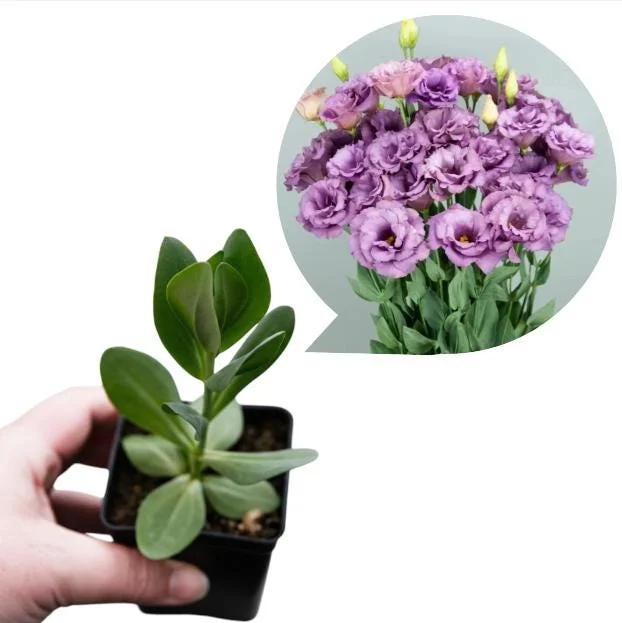
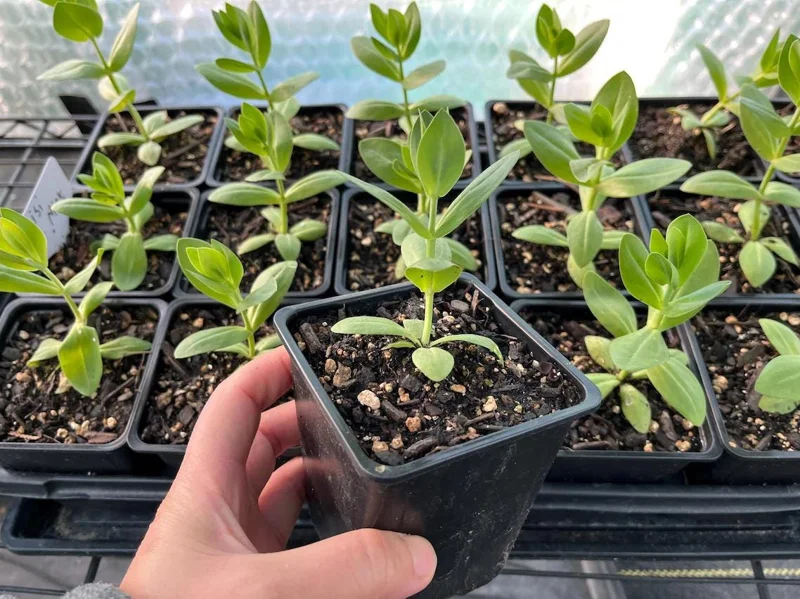
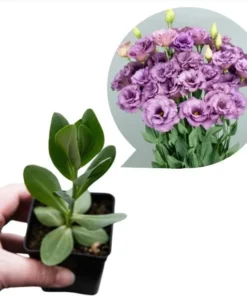
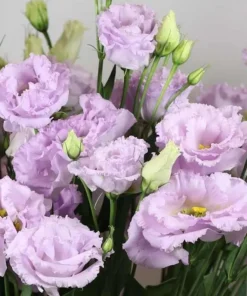
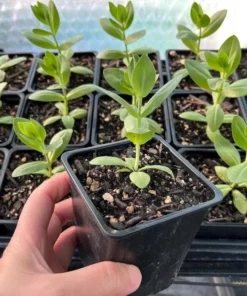
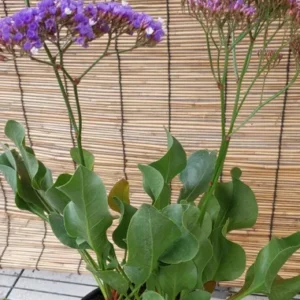
Bring elegant beauty to your garden with a Lisianthus Lilac Shade live plant. This healthy, well-rooted starter plant, provided in a 3.25 inch pot, is ready for planting and promises stunning lilac blooms. Ideal for adding a touch of sophistication to any outdoor space.
Feb 04
Feb 09 - Feb 11
Feb 14 - Feb 18
USDA Hardiness Zone
Soil Type
Sunlight Exposure
Expected Planting Period
Shipping and return policies: Our Alive & Thrive Guarantee covers issues with your plants within the first 30 days. Get in touch with us via email, and our team will review your concerns and, if necessary, provide you with a one-time replacement at no cost.
If you're unsure about your hardiness zone, feel free to reach out to us. Our team will answer your questions and help you find the plants that are truly suitable for your environment, climate, and personal preferences.
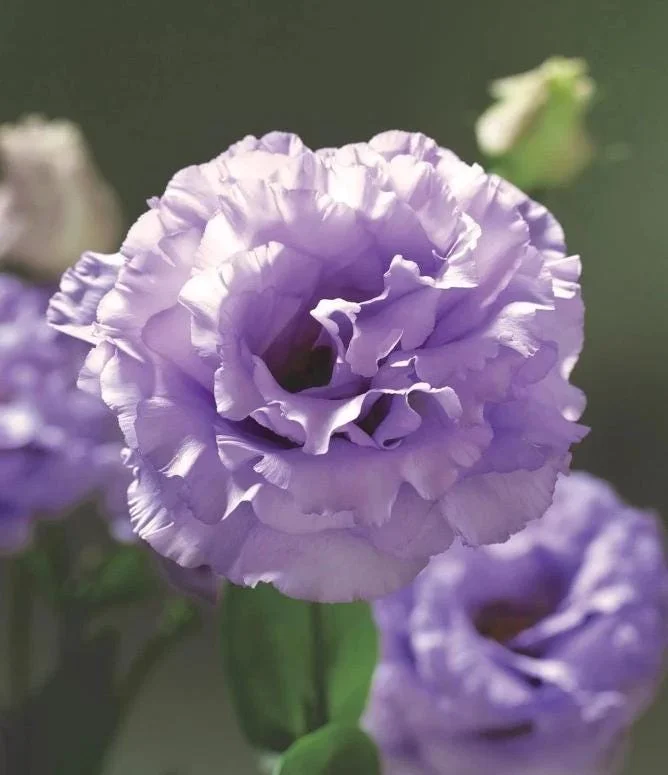
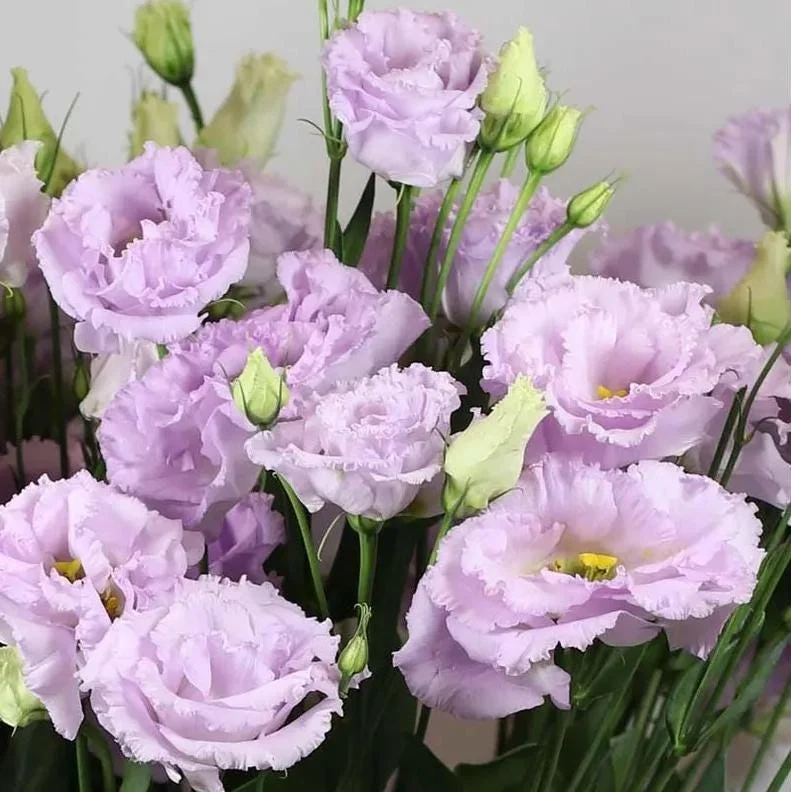
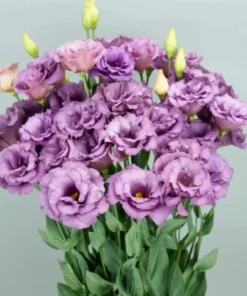
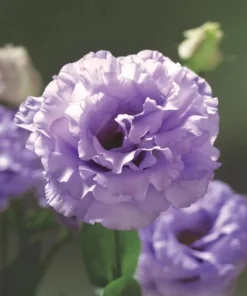
Transform your garden with the exquisite charm of the Lisianthus Lilac Shade live plant. This offering provides one healthy, well-rooted starter plant, carefully grown in a nursery pot and ready for transplanting. Known for its delicate, rose-like blooms and long-lasting cut flowers, Lisianthus (Eustoma grandiflorum) is a favorite among gardeners and florists alike. The ‘Lilac Shade’ variety boasts stunning purple-pink hues that can add a sophisticated touch to any flower bed, container, or floral arrangement. While your plant will arrive as a young starter without flowers, it is robust and eager to establish itself, promising a future of vibrant lilac blossoms.
Choosing a Lisianthus starter plant ensures a head start on the growing season, bypassing the delicate germination phase. These plants are cultivated to be resilient and adapt well to new environments when given proper care. The Lisianthus is celebrated for its elegant appearance, making it a focal point in any garden setting. Its refined beauty makes it an excellent choice for those looking to create a visually appealing landscape or a continuous supply of fresh cut flowers.
The Lisianthus Lilac Shade live plant offers numerous advantages for both novice and experienced gardeners, enhancing your outdoor space with its exceptional qualities and ease of growth.
Proper care is essential for ensuring your Lisianthus Lilac Shade live plant thrives and produces abundant blooms. Lisianthus are generally easy to care for once established, but they do have specific requirements that, when met, will lead to a successful and beautiful display.
Sunlight Requirements: Lisianthus plants require full sun to bright light, meaning at least 6 hours of direct sunlight per day. In hotter climates, providing morning sun and afternoon shade is crucial to prevent heat stress and scorching of the delicate petals. Adequate light is vital for strong stem development and prolific flowering. When considering growing Lisianthus, choosing the right location is paramount.
Watering: For young starter plants, it’s important to keep the soil evenly moist but never waterlogged. Overwatering can lead to root rot, which Lisianthus is particularly susceptible to. Once the plant is established, water when the top 1–2 inches of soil feel dry to the touch. Always water at the base of the plant to avoid wetting the foliage, which can encourage fungal diseases. Consistent moisture is key, especially during dry spells.
Soil & Drainage: Excellent drainage is paramount for Lisianthus. They thrive in sandy or loamy soils that allow water to pass through freely. The ideal soil pH is slightly acidic to neutral, between 6.5–7.0. Avoid heavy clay or compact soils, as these can retain too much moisture and cause root rot, hindering the growth of your lilac flower plant.
Temperature & Climate: Lisianthus prefers moderate temperatures, ideally between 18–26°C (65–80°F). They are sensitive to extreme heat and high humidity, which can sometimes lead to wilting or reduced flowering. These plants are hardy in USDA zones 8–11, where they can be grown as perennials. In cooler zones, they are typically cultivated as annuals, providing a spectacular summer display until the first frost. Protecting them from cold snaps is crucial for longevity.
Fertilization: A balanced liquid fertilizer can be applied every 2-4 weeks during the active growing season (spring and summer) to encourage vigorous growth and abundant blooms. Reduce fertilization in fall and winter. Always follow the product instructions for dilution rates to avoid over-fertilizing, which can burn the roots.
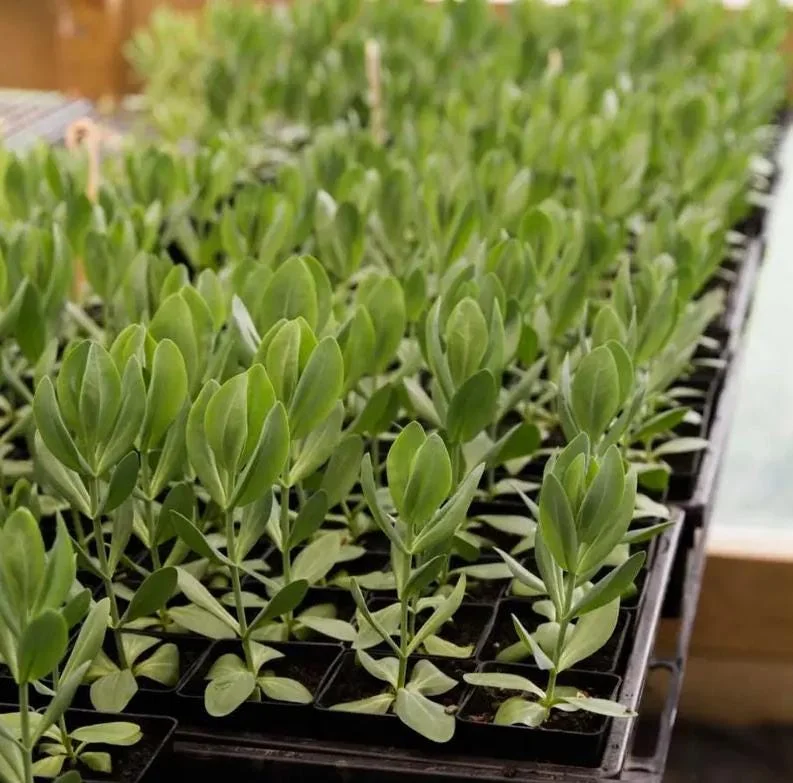
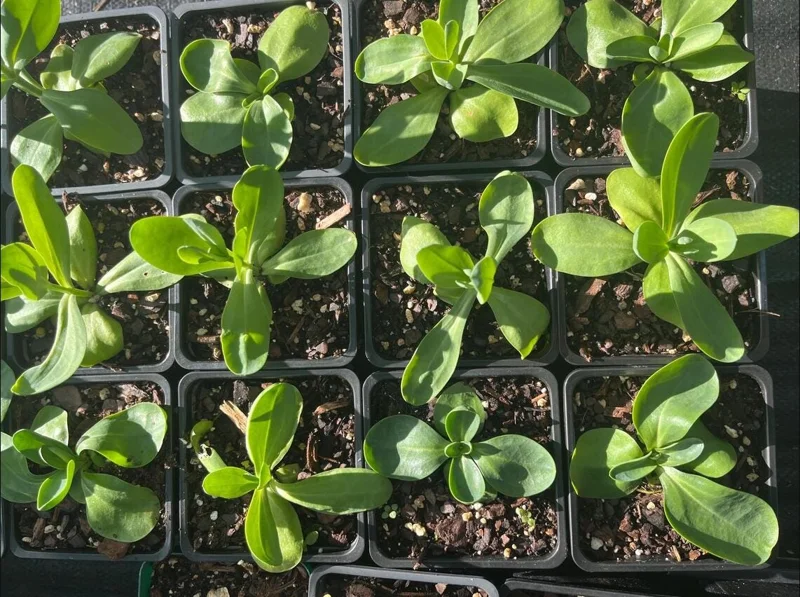
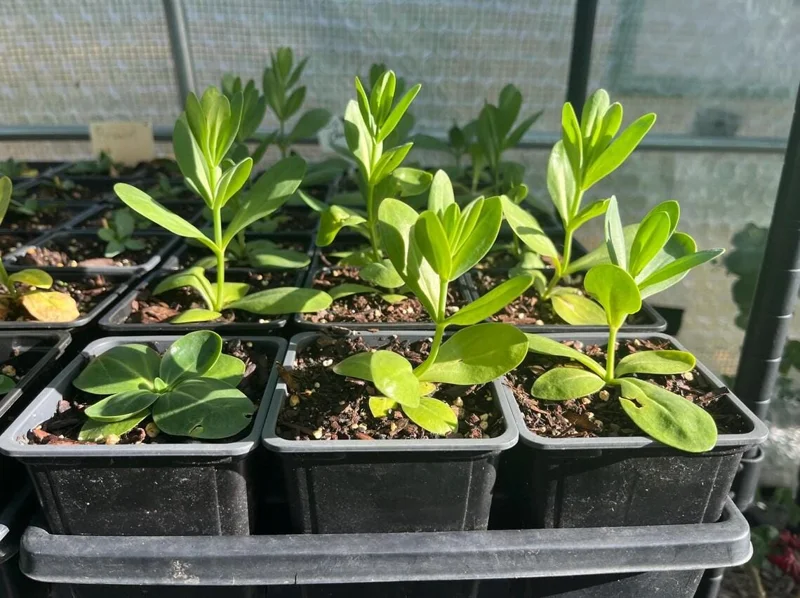
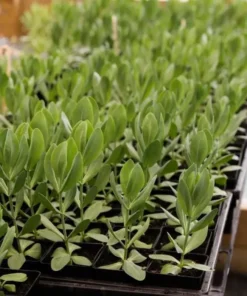
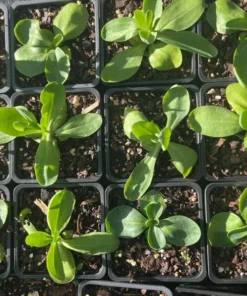
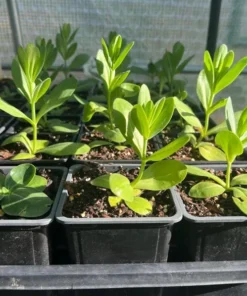
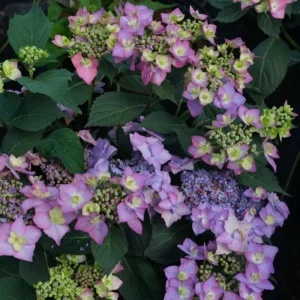
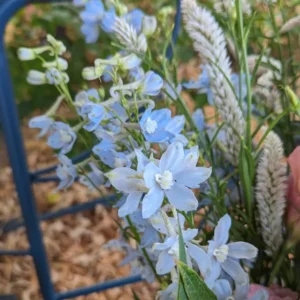
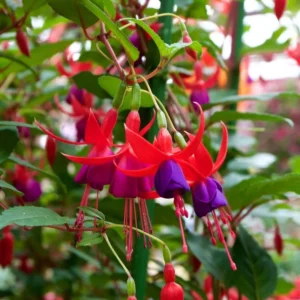
Your Lisianthus Lilac Shade live plant will arrive as a healthy, well-rooted starter plant, carefully nestled in a 3.25 inch nursery pot. While the provided images showcase mature plants in full bloom for illustrative purposes, your plant will be a young starter, without flowers at the time of delivery, ready for you to nurture. Lisianthus typically grows to a height of 18-30 inches (45-75 cm) with a spread of 6-12 inches (15-30 cm) when mature, depending on growing conditions and variety. These plants have a moderate growth rate, and with proper care, they will establish quickly and begin to develop their characteristic elegant foliage and eventually, their stunning lilac blooms. Expect your plant to begin flowering in late spring to early summer, continuing its display through fall. This compact size makes it perfect for both small garden spaces and larger landscape designs.
You must be logged in to post a review.
Sold 72 products
Original price was: $75.99.$61.99Current price is: $61.99.
Sold 90 products
Original price was: $76.99.$46.99Current price is: $46.99.
Sold 93 products
Original price was: $114.99.$84.99Current price is: $84.99.
Sold 63 products
Original price was: $43.90.$33.90Current price is: $33.90.
Sold 71 products
Original price was: $118.99.$88.99Current price is: $88.99.
Sold 90 products
Original price was: $73.99.$43.99Current price is: $43.99.
Sold 56 products
Original price was: $47.99.$34.99Current price is: $34.99.
Sold 72 products
Original price was: $33.98.$16.99Current price is: $16.99.


Reviews
There are no reviews yet.