NEED SUPPORT WITH YOUR ORDER? Get in touch
Not satisfied with your purchase?
Enter your Order ID on website, and we'll resolve it right away.

Original price was: $32.99.$19.99Current price is: $19.99.
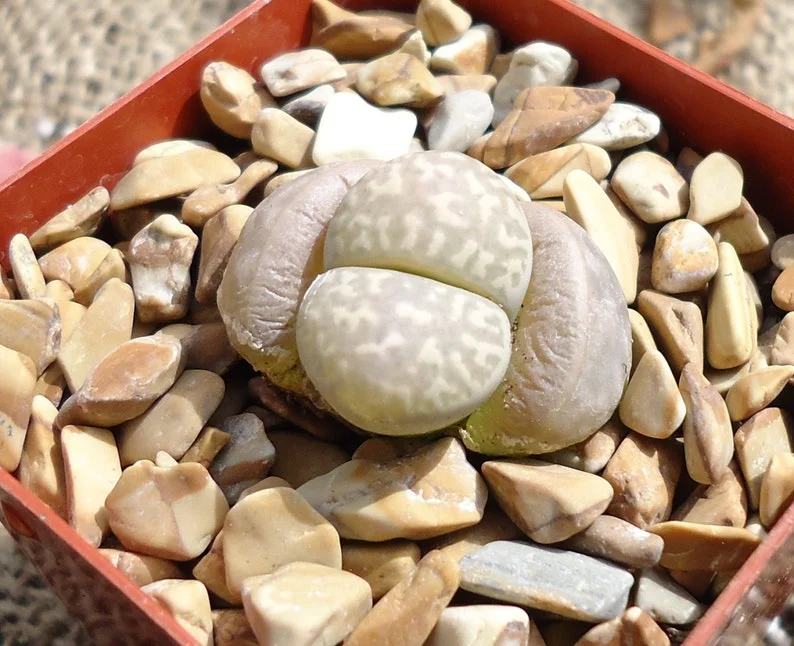
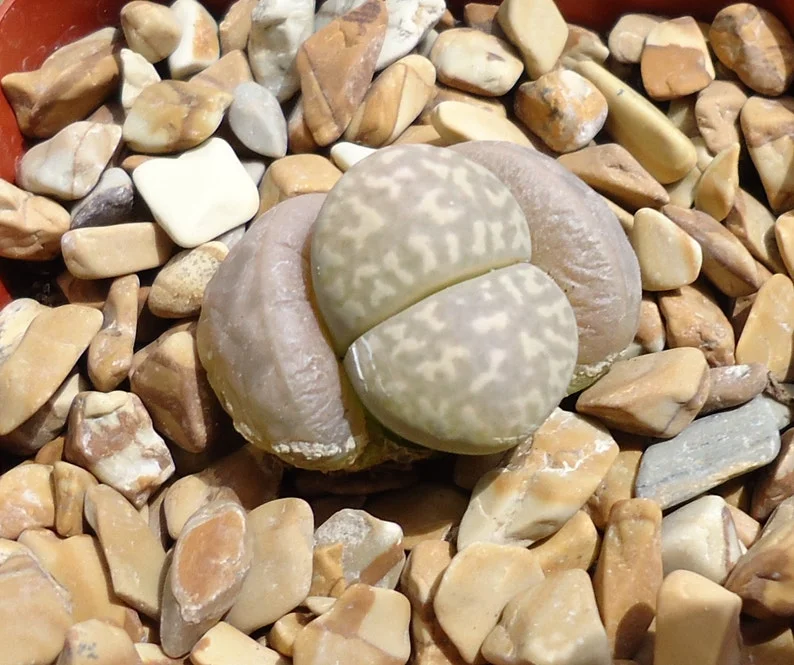
Add a touch of exotic beauty to your home with the unique lithops marmorata framesii. This living stone succulent is known for its remarkable pebble-like appearance, making it a captivating and low-maintenance addition to any collection. Ideal for windowsills and miniature gardens.
Mar 03
Mar 08 - Mar 10
Mar 13 - Mar 17
USDA Hardiness Zone
Soil Type
Sunlight Exposure
Expected Planting Period
Shipping and return policies: Our Alive & Thrive Guarantee covers issues with your plants within the first 30 days. Get in touch with us via email, and our team will review your concerns and, if necessary, provide you with a one-time replacement at no cost.
If you're unsure about your hardiness zone, feel free to reach out to us. Our team will answer your questions and help you find the plants that are truly suitable for your environment, climate, and personal preferences.
Introduce an extraordinary botanical specimen into your collection with the lithops marmorata framesii, a truly captivating variety of living stone succulent. Often known as "living stones" due to their uncanny resemblance to pebbles and rocks in their native environment, these plants are masterpieces of natural camouflage. Each lithops marmorata framesii offers a unique aesthetic, blending seamlessly into rock gardens or standing out as a fascinating desk companion. These rare exotic plants are celebrated not only for their striking appearance but also for their relatively easy care requirements, making them a superb choice for both seasoned succulent enthusiasts and those new to the world of drought-tolerant flora. Their compact size makes them versatile, fitting perfectly into small spaces, windowsills, or as an intriguing focal point in miniature succulent arrangements.
The allure of the living stones succulent lies in its ability to mimic its surroundings, providing a subtle yet profound beauty. This particular Lithops variety boasts intricate patterns and textures on its leaf surfaces that are truly mesmerizing upon closer inspection. As a live plant, it offers a dynamic presence, evolving slowly over time and occasionally splitting to produce new heads, enriching your plant display. Embrace the simplicity and unique charm of this succulent, designed to thrive with minimal intervention while offering maximum visual impact.
The lithops marmorata framesii offers a range of advantages that make it a highly desirable addition to any plant enthusiast’s home or office:
Caring for your lithops marmorata framesii is straightforward once you understand its specific needs, which are geared towards its natural arid habitat. The most critical aspect of lithops care is managing its watering schedule. These succulents are extremely drought-tolerant and prone to root rot if overwatered. Only water thoroughly when the soil is completely dry, typically every 2-4 weeks, but always check the soil moisture and observe the plant’s appearance. A slightly wrinkled surface often indicates it’s time for a drink. During dormancy (usually summer and winter), watering should be significantly reduced or stopped entirely.
For optimal growth and to maintain its vibrant coloration, your rare exotic plant requires bright light, including some direct sunlight. A south-facing window is often ideal, providing the intense light these plants crave. Insufficient light can lead to etiolation, where the plant stretches and loses its characteristic compact, stone-like shape. A well-draining succulent mix is absolutely essential for these plants. A blend consisting of sand, perlite, and a small amount of potting soil ensures proper drainage and aeration, preventing water from sitting around the roots. The ideal temperature range for Lithops is between 65-80°F (18-27°C). Protect them from frost and extreme heat, especially during their dormant periods.
Fertilization is generally not a high priority for Lithops. If you choose to fertilize, do so very sparingly with a highly diluted succulent fertilizer during their active growing season (fall to spring). Avoid fertilizing during dormancy. Common issues include overwatering, which can lead to rot, and insufficient light, causing stretching. By adhering to a strict watering regimen and providing ample light, your drought tolerant succulent will thrive and continue to be a fascinating addition to your collection.
The lithops marmorata framesii is known for its compact size, making it a perfect fit for diverse indoor settings. Individual plants typically grow to about 0.5 to 1.5 inches in diameter, though they can form larger clusters over time as they produce new heads. This slow growth rate means they will maintain their charming, miniature appearance for extended periods. This specific variety is shipped as a healthy, established live plant, usually bare-root or in a small nursery pot, ready for you to transplant into your preferred well-draining succulent medium. Expect your plant to arrive in excellent condition, carefully packaged to ensure its safety during transit. While exact measurements can vary slightly due to natural plant growth, you can anticipate a robust specimen that embodies the unique characteristics of a living stones succulent.
You must be logged in to post a review.
Sold 88 products
Original price was: $39.99.$28.99Current price is: $28.99.
Sold 53 products
Original price was: $55.99.$43.99Current price is: $43.99.
Sold 63 products
Original price was: $75.99.$61.99Current price is: $61.99.
Sold 64 products
Original price was: $39.99.$28.99Current price is: $28.99.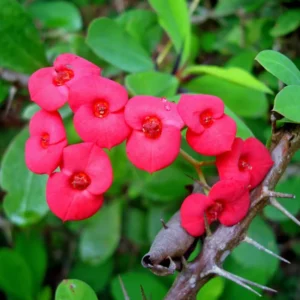
Succulents
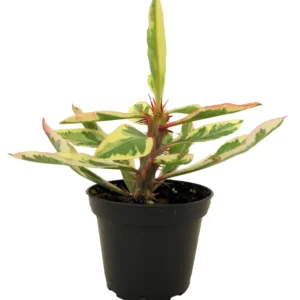
Crown of Thorns Plant – Rare White Lightening Euphorbia – 2.5 Inch Pot – Trending Succulent
Sold 79 products
Original price was: $75.99.$52.99Current price is: $52.99.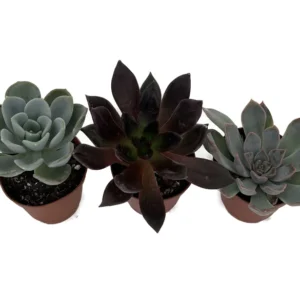
Sold 59 products
Original price was: $49.99.$34.99Current price is: $34.99.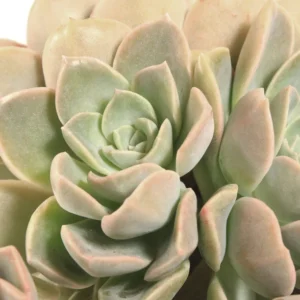
Sold 93 products
Original price was: $43.99.$28.99Current price is: $28.99.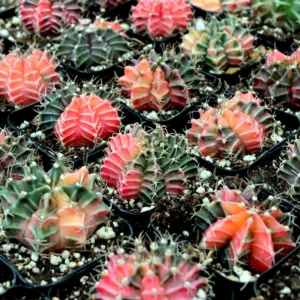
Sold 98 products
Original price was: $49.99.$39.99Current price is: $39.99.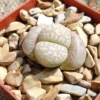
Reviews
There are no reviews yet.