NEED SUPPORT WITH YOUR ORDER? Get in touch
Not satisfied with your purchase?
Enter your Order ID on website, and we'll resolve it right away.

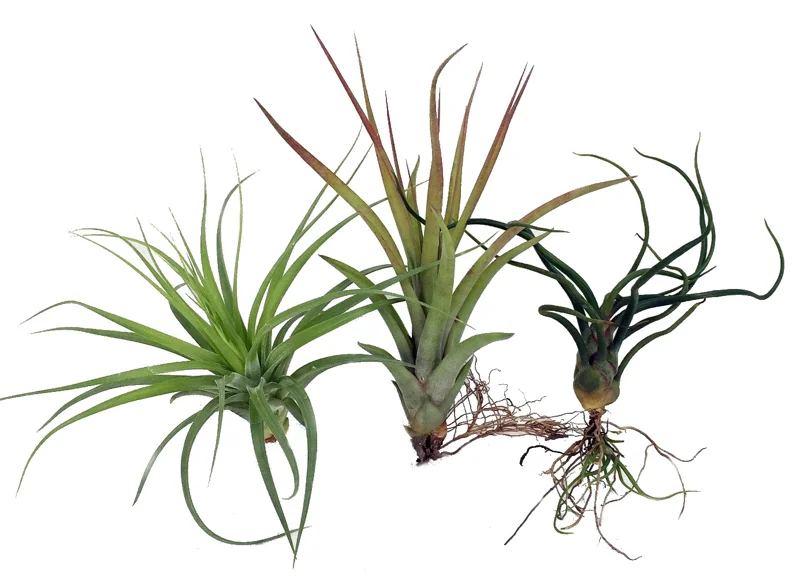
Original price was: $75.99.$49.99Current price is: $49.99.
Enhance your home decor with a stunning live air plants assortment. These Tillandsia assortment plants are shipped bare root air plants, perfect for terrariums, fairy gardens, or creative displays. Enjoy their low-maintenance beauty and air-purifying qualities.
Feb 04
Feb 09 - Feb 11
Feb 14 - Feb 18
USDA Hardiness Zone
Soil Type
Sunlight Exposure
Expected Planting Period
Shipping and return policies: Our Alive & Thrive Guarantee covers issues with your plants within the first 30 days. Get in touch with us via email, and our team will review your concerns and, if necessary, provide you with a one-time replacement at no cost.
If you're unsure about your hardiness zone, feel free to reach out to us. Our team will answer your questions and help you find the plants that are truly suitable for your environment, climate, and personal preferences.
Transform your living space with this beautiful assortment of live air plants. These fascinating epiphytes, primarily from the Tillandsia genus, are known for their unique ability to thrive without soil, making them an ideal choice for modern home decor and creative gardening projects. Each Tillandsia assortment arrives as bare root air plants, ready to be placed in terrariums, mounted on wood, or arranged in whimsical fairy gardens. Their striking forms and varied textures add a touch of natural elegance to any room. Embrace the ease of air plant care and introduce a piece of the tropics into your home with these captivating specimens. They are excellent for those seeking low-maintenance yet visually appealing indoor air plants.
Native to the diverse climates of South and Central America, these air plants naturally cling to trees and rocks, absorbing moisture and nutrients directly from the air. This remarkable adaptation allows them to flourish in a variety of environments, making them incredibly versatile for home cultivation. With minimal attention, including bright, indirect light and regular misting, your air plants will not only thrive but may also produce new offsets, known as ‘pups’, allowing you to effortlessly expand your collection of these unique botanical treasures.
Our live air plants offer numerous advantages, making them a popular choice for both novice and experienced plant enthusiasts. Their unique growth habit and minimal requirements contribute to a rewarding and hassle-free plant ownership experience.
Proper air plant care is straightforward, ensuring your live air plants remain healthy and vibrant for years. The key is understanding their natural environment and replicating it as best as possible indoors. These plants thrive on consistency and attention to their specific needs for light and water.
For sunlight, indoor air plants prefer bright, indirect light. Place them near a window that receives good natural light but avoids direct, harsh sunlight, which can scorch their leaves. An east or north-facing window is often ideal. If natural light is limited, a grow light can provide the necessary illumination. Adequate air circulation is also crucial; avoid placing them in enclosed, stagnant spaces. When it comes to watering, misting is the most common method. Aim to mist your Tillandsia assortment 2-3 times per week, ensuring thorough saturation. After misting, allow the plants to dry completely within 4 hours to prevent rot. Alternatively, you can soak your air plants in a bowl of filtered or rainwater for 20-30 minutes once a week, then shake off excess water and allow them to dry upside down.
Temperature-wise, air plants are quite tolerant, preferring typical indoor temperatures between 60-80°F (15-27°C). They are not frost-hardy, so if you live in colder climates (USDA zones below 9), they should be kept strictly indoors. Fertilization is not strictly necessary but can encourage growth and blooming. Use a specialized air plant fertilizer, typically diluted to 1/4 strength, once a month during the growing season. Common problems include dry, crispy leaves (underwatering) or mushy bases (overwatering/rot). Adjust your watering routine accordingly to maintain healthy, firm leaves. For best results, always use filtered or rainwater, as tap water can contain chlorine and minerals that can build up on the leaves over time, hindering their ability to absorb moisture. This detailed air plant care guide will help your bare root air plants flourish.
This live air plants assortment typically includes a variety of Tillandsia species, with individual plants ranging in size from approximately 2 to 6 inches in diameter. The exact species and sizes will vary based on availability, ensuring a unique collection with each order. These bare root air plants are shipped without soil or pots, allowing you the freedom to design your own custom displays immediately upon arrival. While growth rates vary by species, air plants are generally slow growers, often taking several months to a year to produce significant new growth or ‘pups’. Expect your plants to maintain a compact, desk-friendly size, making them perfect for small spaces.
Upon arrival, your Tillandsia assortment will be carefully packaged to ensure their health during transit. They are ready for immediate placement and require their first watering shortly after unpacking. With proper air plant care, these plants can live for many years, often blooming once in their lifetime and then producing offsets that continue the cycle. This makes them a truly sustainable and rewarding addition to your collection of indoor air plants.
You must be logged in to post a review.
Sold 57 products
Original price was: $45.99.$30.99Current price is: $30.99.
Sold 96 products
Original price was: $79.96.$39.98Current price is: $39.98.
Sold 100 products
Original price was: $49.99.$29.99Current price is: $29.99.
Sold 68 products
Original price was: $43.98.$21.99Current price is: $21.99.
Sold 79 products
Original price was: $78.99.$48.99Current price is: $48.99.
Sold 85 products
Original price was: $69.99.$52.99Current price is: $52.99.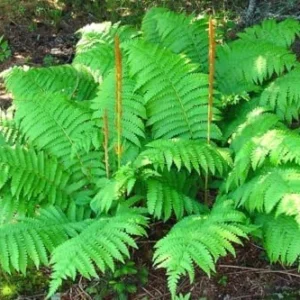
HousePlants
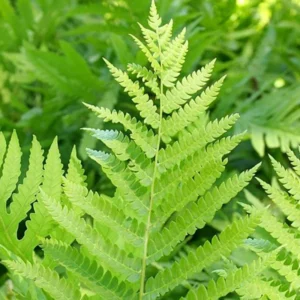
Cinnamon Fern Plants Live – 10 Bare Root Ferns – 4-7 Inches – Indoor/Outdoor Garden Plants
Sold 58 products
Original price was: $57.98.$28.99Current price is: $28.99.
Sold 63 products
Original price was: $43.98.$21.99Current price is: $21.99.
Reviews
There are no reviews yet.