NEED SUPPORT WITH YOUR ORDER? Get in touch
Not satisfied with your purchase?
Enter your Order ID on website, and we'll resolve it right away.

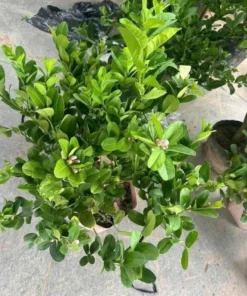
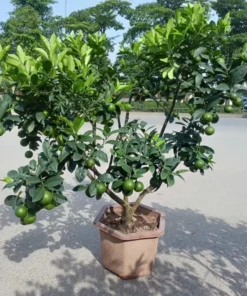
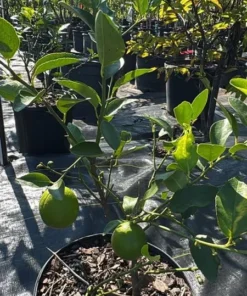
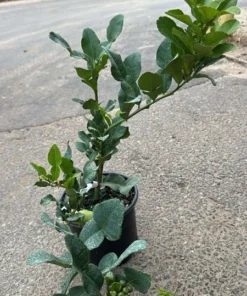
Original price was: $100.99.$80.99Current price is: $80.99.
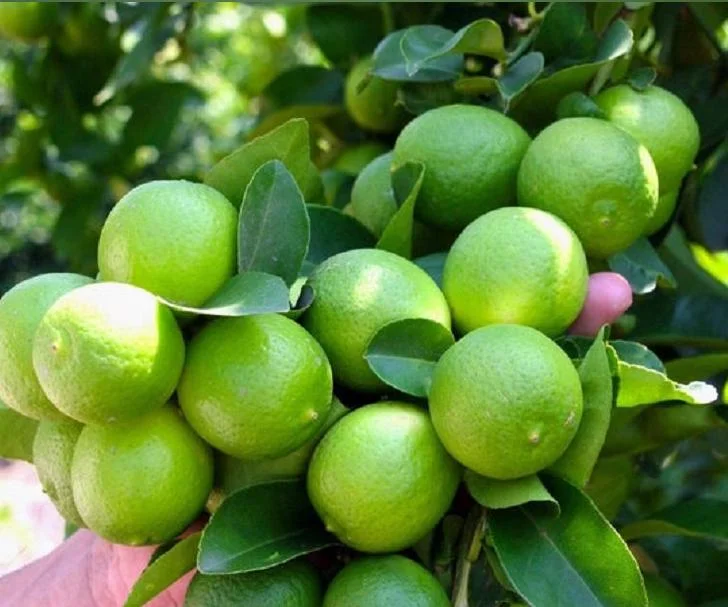
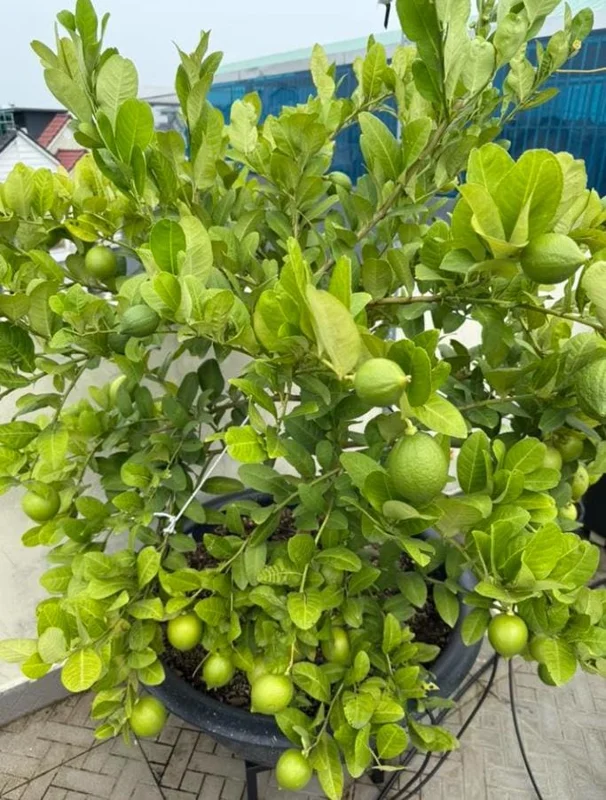
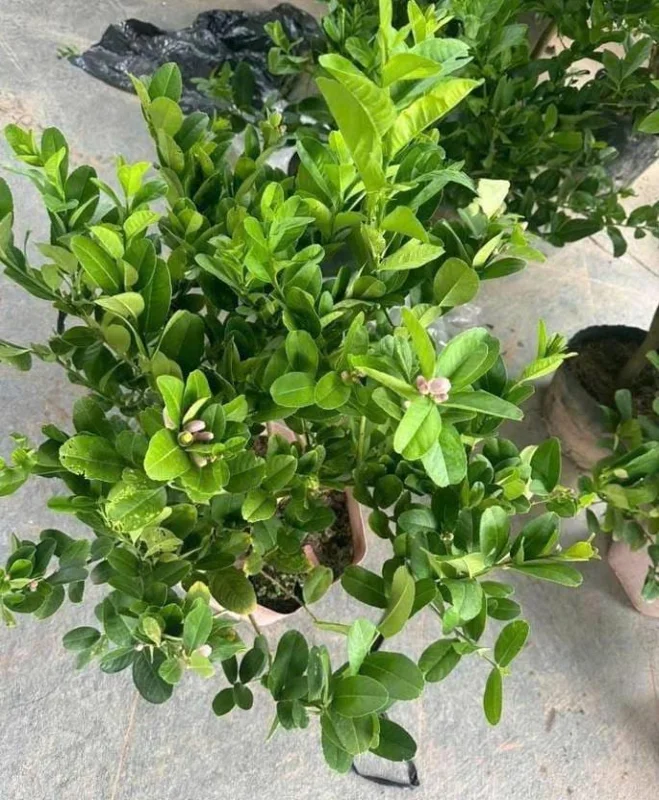
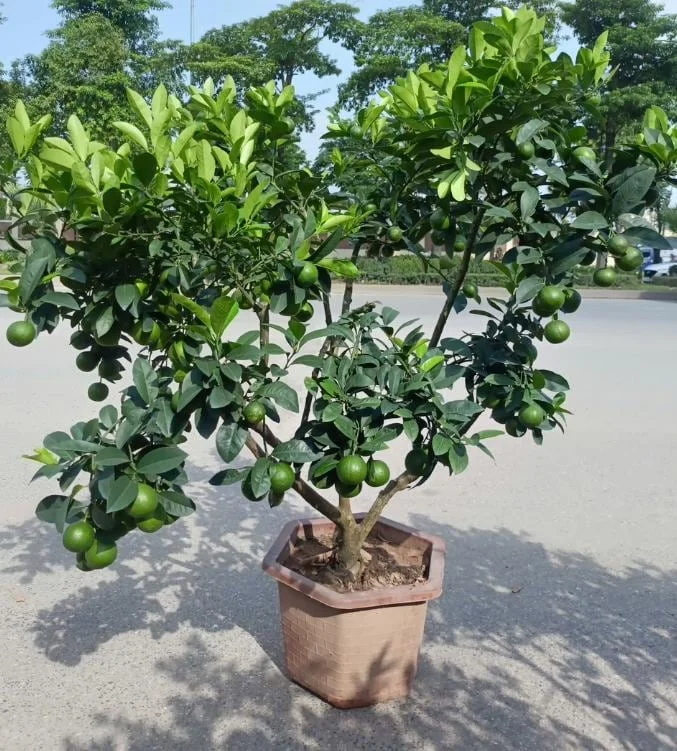
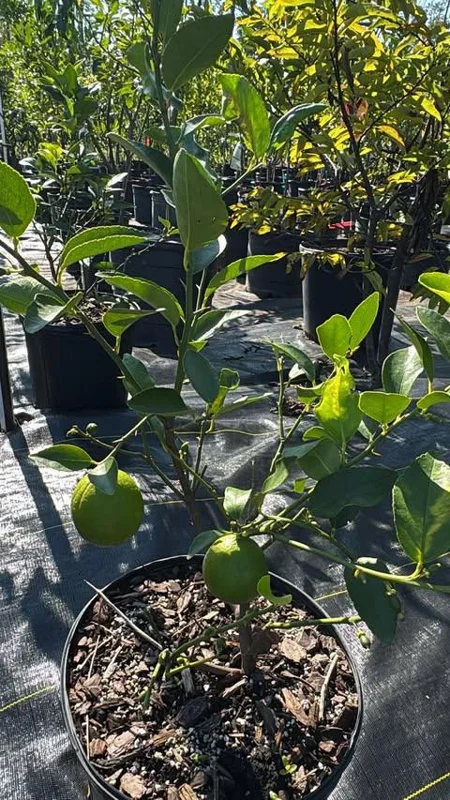
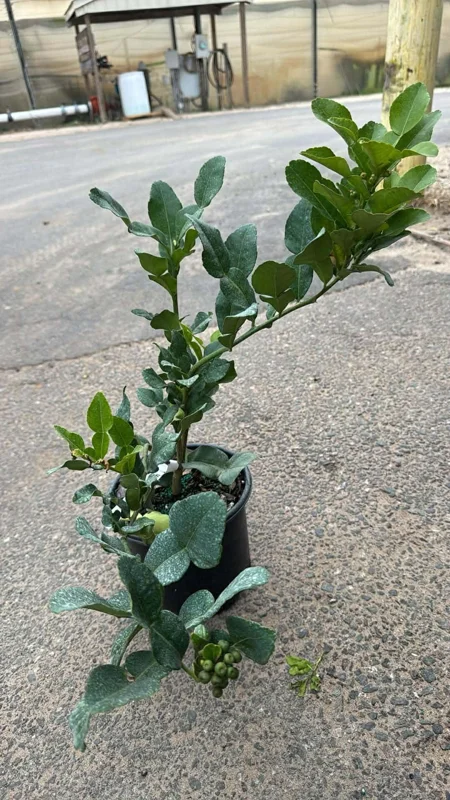
Bring the taste of the tropics to your home with a Thai lemon live plant. This dwarf lemon tree is grafted for early fruiting and comes in a 3-gallon pot, standing 1-3 feet tall. Ideal for growing your own fresh lemons, it thrives in full sun and is perfect for containers or in-ground planting in suitable climates.
Feb 04
Feb 09 - Feb 11
Feb 14 - Feb 18
USDA Hardiness Zone
Soil Type
Sunlight Exposure
Expected Planting Period
Shipping and return policies: Our Alive & Thrive Guarantee covers issues with your plants within the first 30 days. Get in touch with us via email, and our team will review your concerns and, if necessary, provide you with a one-time replacement at no cost.
If you're unsure about your hardiness zone, feel free to reach out to us. Our team will answer your questions and help you find the plants that are truly suitable for your environment, climate, and personal preferences.
Introduce a touch of exotic flavor to your garden or patio with this exquisite Thai lemon live plant. Known for its aromatic foliage and tart, flavorful fruits, the Thai lemon, often referred to as a Kaffir Lime or Makrut Lime, is a culinary essential in Southeast Asian cuisine. This particular specimen is a dwarf lemon tree that has been expertly grafted, ensuring quicker fruit production and a more manageable size, making it perfect for home growers. It arrives as a robust 1-3 foot tall plant in a 3-gallon nursery pot, ready to bring vibrant green and delicious citrus to your space. Whether you’re an experienced gardener or just starting your citrus journey, this Thai lemon live plant offers a rewarding growing experience and a continuous supply of fresh, aromatic lemons.
Cultivating your own citrus has never been easier. This grafted lemon tree is selected for its vigor and ability to thrive in various conditions, provided its basic needs are met. The compact size of this dwarf lemon tree makes it an excellent choice for container gardening, allowing you to move it indoors during colder months if you live in a region with frost. Imagine plucking fresh, fragrant lemons right from your own plant for cooking, drinks, or aromatherapy. This live plant is not just a source of fruit; it’s also a beautiful ornamental addition, with glossy green leaves and potential for fragrant blossoms.
Growing your own Thai lemon live plant offers a multitude of advantages, from culinary delights to aesthetic appeal. This particular grafted variety ensures a successful and satisfying experience for any plant enthusiast.
Proper care is crucial for a thriving Thai lemon live plant. This dwarf lemon tree, while robust, requires specific conditions to produce abundant fruit. For those looking to grow lemons at home, understanding these care requirements will ensure success.
Sunlight: Your Thai lemon live plant thrives in full sun, requiring at least 6-8 hours of direct sunlight daily. In warmer climates, it can be planted directly in the ground. In cooler regions, container planting is recommended so it can be moved indoors to a sunny window or under grow lights during colder months. Good air circulation is also important to prevent fungal issues.
Soil & Watering: Use a well-draining, slightly acidic soil mix specifically formulated for citrus plants. Avoid heavy, clay-like soils or conditions that can lead to waterlogging, as this can cause root rot. Water deeply when the top 2-3 inches of soil feel dry to the touch. Ensure the pot has drainage holes. Keep the soil consistently moist but never soggy. During hot, dry periods, you may need to water more frequently. For those keen to grow lemons at home, proper watering is often the most critical factor.
Fertilization & Pruning: During the active growing season (spring through fall), fertilize your grafted lemon tree every 6-8 weeks with a high-quality citrus-specific fertilizer. Follow the product’s instructions carefully. Prune lightly to maintain shape, remove any dead, diseased, or crossing branches, and encourage better air circulation and fruit production. Protect your plant from frost and strong winds, especially when young. If you’re wondering how to keep your citrus plant care routine optimal, consistent feeding and strategic pruning are key.
This Thai lemon live plant arrives as a vibrant, healthy specimen, typically standing between 1 to 3 feet tall from the base of the plant to the top of its foliage. It is carefully rooted and potted in a 3-gallon nursery container, providing a solid foundation for growth and easy transplanting. The plant is a dwarf lemon tree variety, meaning it will maintain a more compact size at maturity compared to standard lemon trees, making it ideal for small gardens, patios, or indoor environments. As a grafted plant, it is expected to begin producing fruit earlier than non-grafted trees, often within one to two years of planting under optimal conditions. The robust root system ensures it will establish quickly in its new home, whether planted in the ground in USDA zones 9-11 or kept in a container.
The mature height of this grafted lemon tree can reach 6-8 feet in optimal conditions if planted in the ground, but it can be easily maintained at a smaller size through regular pruning when grown in a container. The width will be proportional to its height, creating a bushy, attractive form. This plant is shipped with care, ensuring its health and vitality upon arrival, ready for you to begin your journey to grow lemons at home. Its vigorous nature and early fruiting potential make it a highly desirable addition for anyone interested in fresh citrus.
You must be logged in to post a review.
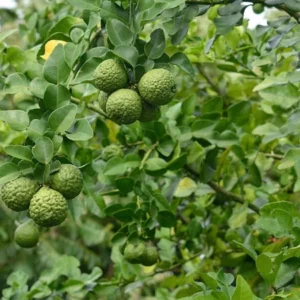
Sold 55 products
Original price was: $89.99.$57.99Current price is: $57.99.
Sold 89 products
Original price was: $72.99.$52.99Current price is: $52.99.
Sold 57 products
Original price was: $79.98.$39.99Current price is: $39.99.
Sold 67 products
Original price was: $64.99.$34.99Current price is: $34.99.
Sold 65 products
Original price was: $57.98.$28.99Current price is: $28.99.
Sold 90 products
Original price was: $99.99.$79.99Current price is: $79.99.
Sold 79 products
Original price was: $64.99.$34.99Current price is: $34.99.
Sold 71 products
Original price was: $38.80.$19.40Current price is: $19.40.


Reviews
There are no reviews yet.