NEED SUPPORT WITH YOUR ORDER? Get in touch
Not satisfied with your purchase?
Enter your Order ID on website, and we'll resolve it right away.

Original price was: $35.99.$19.99Current price is: $19.99.
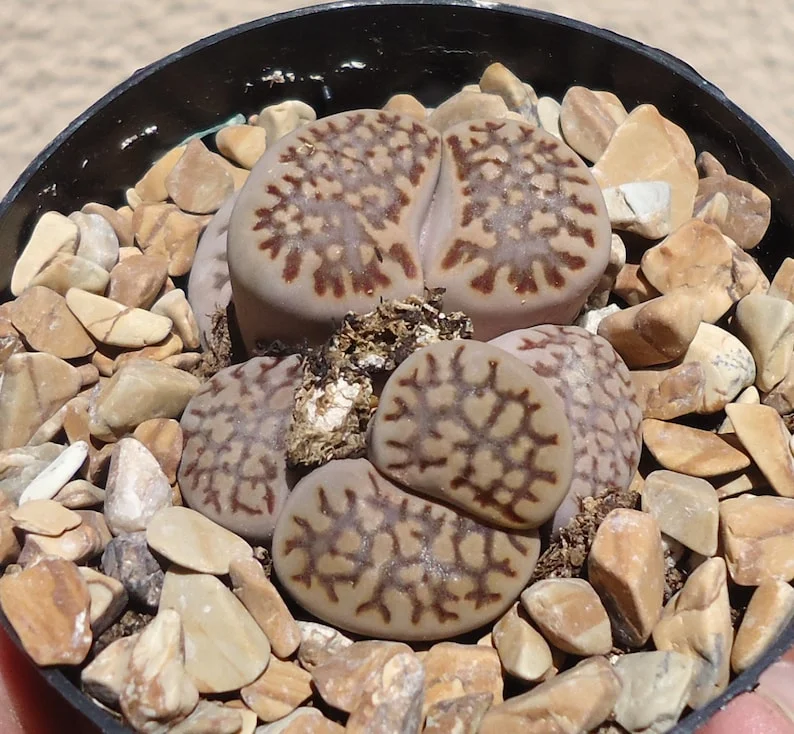
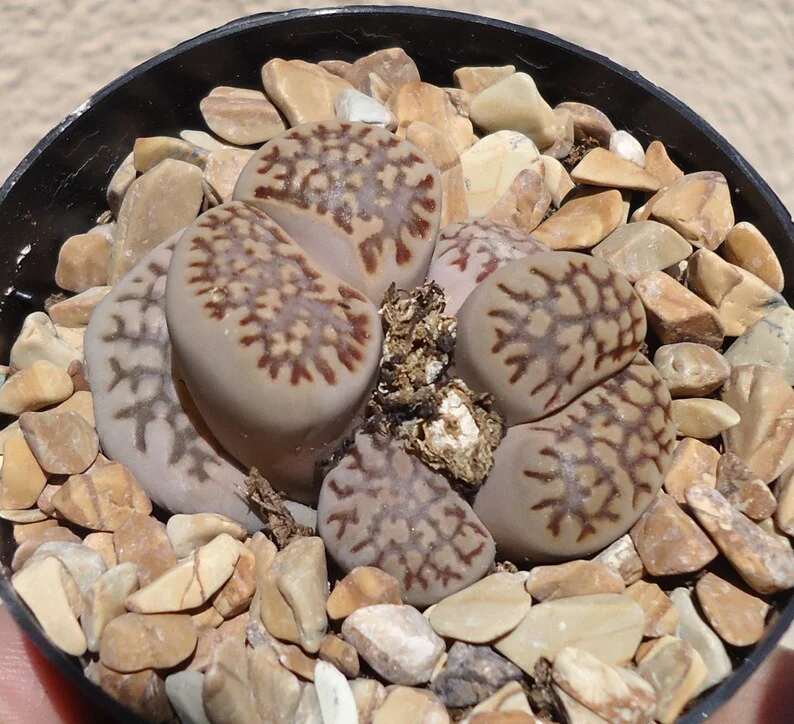
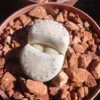
Add a unique touch to your home with the fascinating Lithops Julii Reticulate live plant. These ‘living stones’ succulents are renowned for their pebble-like appearance, offering striking visual interest with minimal care. Perfect for windowsills, terrariums, or succulent gardens, this 2-inch potted plant is ideal for both novice and experienced growers seeking a distinctive addition.
Feb 04
Feb 09 - Feb 11
Feb 14 - Feb 18
USDA Hardiness Zone
Soil Type
Sunlight Exposure
Expected Planting Period
Shipping and return policies: Our Alive & Thrive Guarantee covers issues with your plants within the first 30 days. Get in touch with us via email, and our team will review your concerns and, if necessary, provide you with a one-time replacement at no cost.
If you're unsure about your hardiness zone, feel free to reach out to us. Our team will answer your questions and help you find the plants that are truly suitable for your environment, climate, and personal preferences.
Introduce a touch of nature’s artistry to your space with the intriguing Lithops Julii Reticulate live plant. Often dubbed ‘living stones succulents’ due to their remarkable resemblance to small pebbles, these rare and captivating plants are a must-have for any succulent enthusiast or budding gardener. Each plant showcases unique patterns and textures, making it a natural conversation starter and a beautiful accent for any indoor setting. Thriving with minimal intervention, the Lithops Julii Reticulate is an excellent choice for those seeking a low-maintenance yet visually stunning botanical companion. This particular variety, known for its distinct reticulated patterns, promises to add an extraordinary element to your collection.
These fascinating succulents are native to arid regions, evolving to mimic their rocky surroundings as a form of camouflage. Their unique growth habit involves a pair of fleshy leaves that are largely buried beneath the soil surface, with only the translucent ‘windows’ at the top exposed to sunlight. This adaptation allows them to absorb light efficiently while minimizing water loss, making them incredibly drought-tolerant. Perfect for windowsills, offices, or any spot needing a touch of natural beauty, the living stones succulent offers a serene and visually appealing atmosphere.
The Lithops Julii Reticulate live plant offers a multitude of benefits, making it a standout choice for plant lovers. Its unique characteristics contribute to both aesthetic appeal and ease of care, ensuring a rewarding experience for its owner.
Caring for your Lithops Julii Reticulate live plant is relatively simple, but understanding their specific needs is key to their success. These ‘living stones’ have adapted to harsh, arid environments, so replicating those conditions as much as possible will ensure a thriving plant. They are not like typical leafy houseplants and require a different approach to watering and light.
Sunlight Requirements: Lithops thrive in bright, indirect light. They can tolerate some direct morning sun, which can help with their coloration, but should be protected from harsh afternoon sun, especially in hot climates, as this can scorch their delicate surfaces. A south-facing window with some sheer curtain protection or an east-facing window is often ideal. If grown outdoors, choose a spot with filtered light or morning sun only. Proper light is crucial for healthy growth and preventing etiolation (stretching).
Watering Schedule and Soil Moisture: This is perhaps the most critical aspect of rare lithops care. Lithops are extremely drought-tolerant and are highly susceptible to overwatering, which can lead to rot. Water only when the soil is completely dry and the plant shows signs of thirst, such as slight wrinkling of the leaves. This typically means watering every 2-4 weeks during their active growing season (late summer to fall), and even less frequently, or not at all, during their dormant periods in winter and early spring when new leaves are forming. Always err on the side of underwatering. When you do water, soak the soil thoroughly, allowing excess water to drain completely.
Soil Type and Drainage: Lithops require a fast-draining succulent mix. A good substrate should consist of a significant portion of inorganic material like perlite, pumice, coarse sand, or akadama, mixed with a small amount of potting soil. Avoid heavy, moisture-retentive soils. Excellent drainage is non-negotiable; ensure your pot has drainage holes. This mimics their natural rocky habitats and prevents water from sitting around their roots.
Temperature Range and USDA Hardiness Zone: Lithops prefer warm temperatures during their active growth, ideally between 65-80°F (18-27°C). They can tolerate cooler temperatures down to about 50°F (10°C) during dormancy but must be protected from freezing. They are generally suited for USDA zones 9-11 if grown outdoors, but are most commonly grown as indoor houseplants where temperatures can be controlled. Consistent air circulation is also beneficial.
Fertilization: Lithops are not heavy feeders. If you choose to fertilize, do so very sparingly and only during their active growth phase. Use a highly diluted succulent or cactus fertilizer, perhaps once a year. Over-fertilization can lead to leggy growth and damage. Many growers find that Lithops thrive perfectly well without any fertilizer, relying on the nutrients in their potting mix.
Common Problems and Solutions: The most common problem is overwatering, leading to rot. If your Lithops feel squishy or turn dark, it’s likely rot. Immediately stop watering and check the roots. Wrinkling can indicate underwatering, but ensure the soil is completely dry before watering again. Insufficient light can cause stretching or lack of vibrant coloration. Ensure you provide adequate bright, indirect light for your living stones succulent to maintain its compact form and rich hues. Following these lithops care tips will help you avoid common pitfalls and enjoy these unique plants for years.
This offering includes a healthy Lithops Julii Reticulate live plant, carefully cultivated and ready for its new home. Each plant is supplied in a 2 inch pot, providing a compact and established root system suitable for immediate transplanting or display. Lithops are slow-growing succulents, typically reaching a diameter of about 1-2 inches per head. Over time, and with proper care, these plants will naturally offset and form impressive clusters or colonies, creating a captivating display of ‘living stones’. The growth rate is moderate, with new leaves typically emerging once a year, replacing the old ones. The plant you receive will be a robust specimen, exhibiting the characteristic pebble-like form and unique reticulated patterns of the Lithops Julii Reticulate. It is shipped in its nursery pot with soil, ensuring minimal stress during transit and a smooth transition to your environment. Expect these plants to maintain their compact, low-profile growth habit, making them ideal for small spaces and detailed arrangements.
You must be logged in to post a review.
Sold 57 products
Original price was: $45.99.$32.99Current price is: $32.99.
Sold 80 products
Original price was: $75.99.$61.99Current price is: $61.99.
Sold 77 products
Original price was: $68.99.$52.99Current price is: $52.99.
Succulents
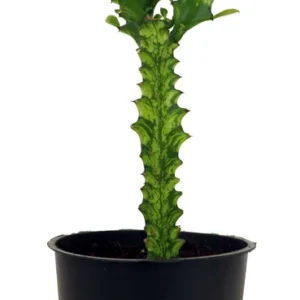
Crown of Thorns Plant – Rare White Lightening Euphorbia – 2.5 Inch Pot – Trending Succulent
Sold 51 products
Original price was: $75.99.$52.99Current price is: $52.99.
Sold 83 products
Original price was: $37.98.$18.99Current price is: $18.99.
Sold 73 products
Original price was: $55.99.$43.99Current price is: $43.99.
Sold 83 products
Original price was: $55.99.$43.99Current price is: $43.99.
Sold 94 products
Original price was: $49.99.$34.99Current price is: $34.99.
Reviews
There are no reviews yet.