NEED SUPPORT WITH YOUR ORDER? Get in touch
Not satisfied with your purchase?
Enter your Order ID on website, and we'll resolve it right away.

Original price was: $45.99.$32.99Current price is: $32.99.
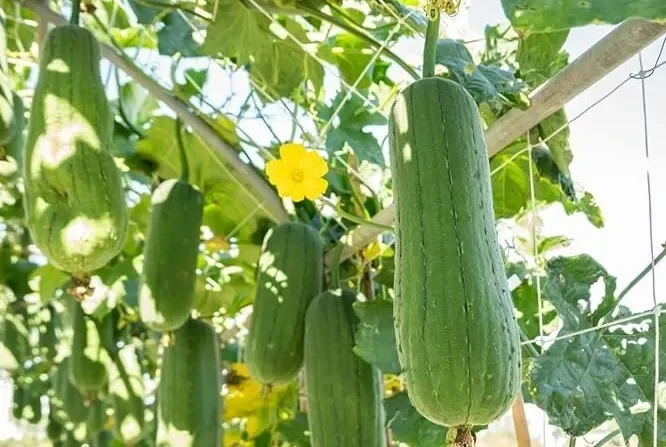
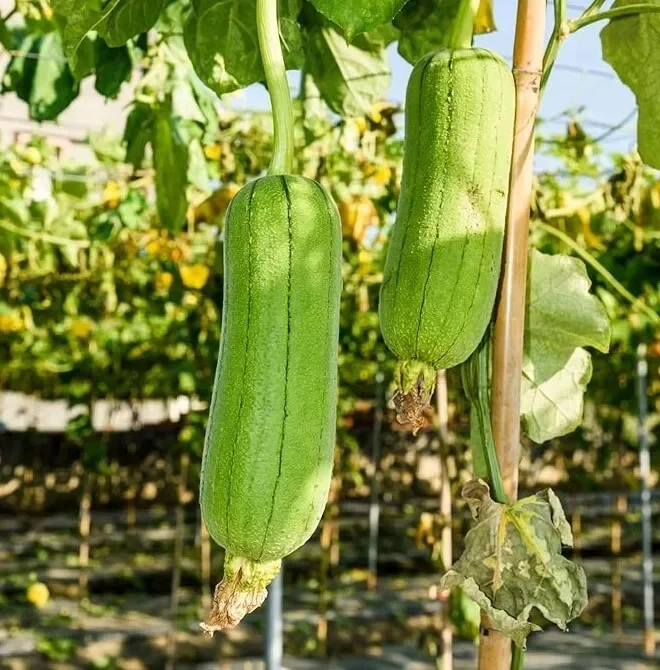
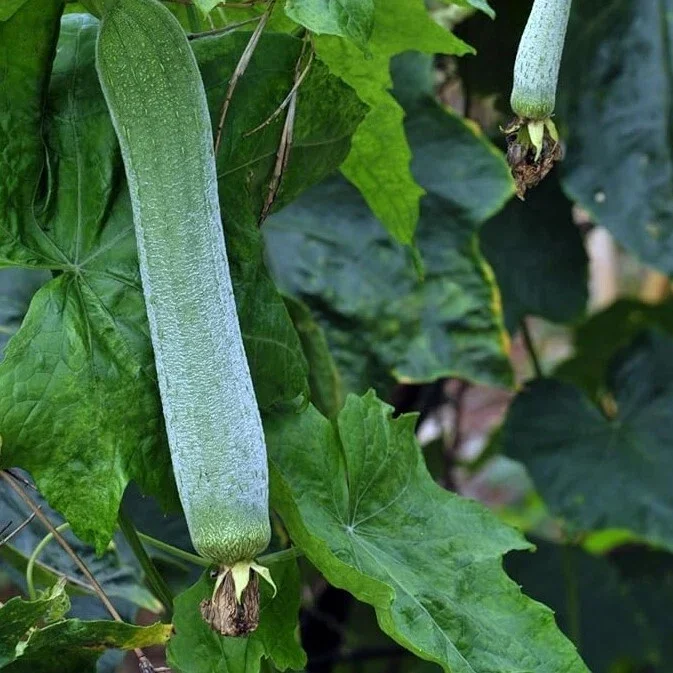
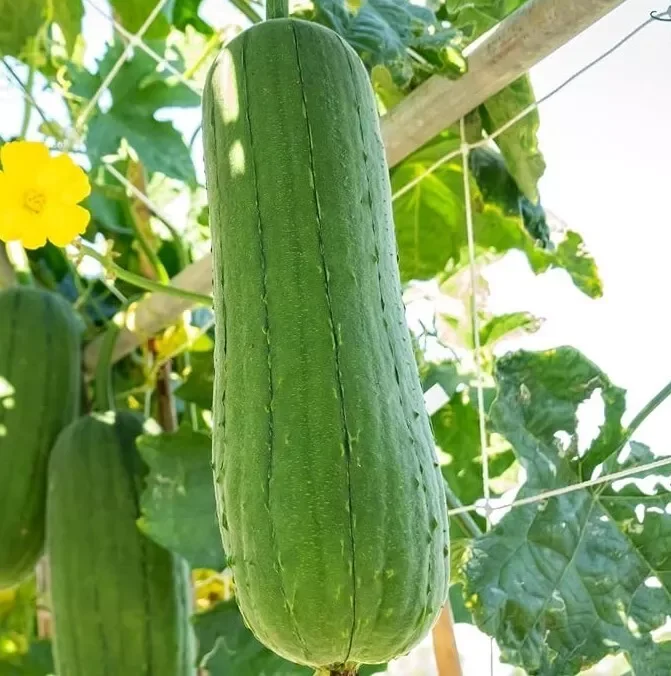
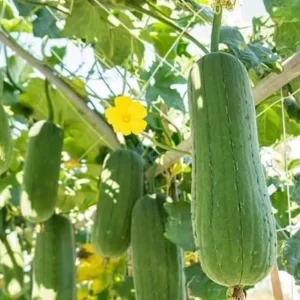
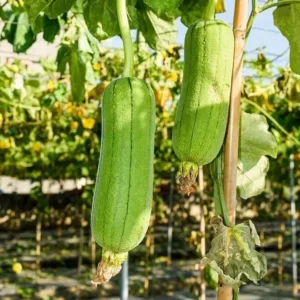
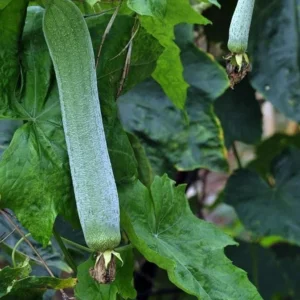
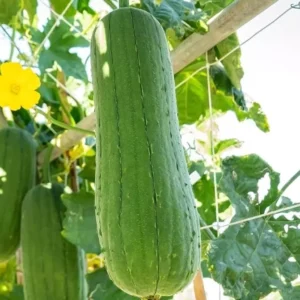
Cultivate your own sustainable source of natural sponges with these luffa live plants. This set includes two healthy luffa aegyptiaca plants, each 4-5 inches tall, ready to thrive in your garden. Enjoy the dual benefit of harvesting your own loofah sponges and potentially edible young gourds. Perfect for eco-conscious gardeners.
Feb 04
Feb 09 - Feb 11
Feb 14 - Feb 18
USDA Hardiness Zone
Soil Type
Sunlight Exposure
Expected Planting Period
Shipping and return policies: Our Alive & Thrive Guarantee covers issues with your plants within the first 30 days. Get in touch with us via email, and our team will review your concerns and, if necessary, provide you with a one-time replacement at no cost.
If you're unsure about your hardiness zone, feel free to reach out to us. Our team will answer your questions and help you find the plants that are truly suitable for your environment, climate, and personal preferences.
Embark on a rewarding journey of sustainable living by growing your own natural sponges with these luffa live plants. This offering includes two vibrant and healthy Luffa aegyptiaca seedlings, carefully nurtured to arrive at your doorstep standing 4 to 5 inches tall in a 4-inch pot. These fast-growing vines are not just a charming addition to your garden; they are a practical and eco-friendly alternative to synthetic sponges, allowing you to grow loofah sponges right in your backyard. The cultivation of luffa aegyptiaca plants provides both functional utility and aesthetic beauty, transforming your outdoor space into a source of natural, renewable resources. Experience the satisfaction of connecting with nature and contributing to a healthier planet by reducing plastic waste.
The luffa gourd, also known as the natural sponge plant, is renowned for its vigorous growth habit, quickly climbing trellises, fences, or any support structure you provide. Beyond its primary use for producing natural sponges, young luffa gourds are also edible, offering an additional layer of versatility to this remarkable plant. Imagine the delight of harvesting your own chemical-free sponges and enjoying fresh, homegrown vegetables, all from the same plant! These luffa live plants are an excellent choice for any gardener seeking multi-purpose crops that offer both practical benefits and ornamental appeal.
Growing your own luffa live plants offers a multitude of advantages, enhancing both your lifestyle and your garden. From eco-friendliness to personal satisfaction, these plants are a fantastic investment for any home:
Caring for your luffa live plants is a straightforward and rewarding process, ensuring a bountiful harvest of natural sponges. These vines thrive in warm conditions and require consistent attention to reach their full potential. Providing the right environment from the start will lead to strong, healthy plants and abundant gourds. With a little care, you’ll be able to grow loofah sponges successfully.
Sunlight Requirements:Luffa aegyptiaca plants are sun-loving vines and require a minimum of 6-8 hours of direct sunlight per day to produce healthy gourds and vibrant foliage. Choose a sunny spot in your garden or a location where they can receive ample afternoon sun. Insufficient light can lead to sparse growth and reduced fruit production. Watering Schedule & Soil Moisture: Consistent watering is crucial, especially during dry spells and when the plants are actively fruiting. Keep the soil consistently moist but not waterlogged. Deep watering is preferable to shallow watering, encouraging deeper root growth. Reduce watering as gourds mature and begin to dry out. Soil Type & Drainage: These plants thrive in well-drained soil that is rich in organic matter. A slightly acidic to neutral pH (6.0-7.0) is ideal. Amend heavy clay soils with compost or sand to improve drainage, and sandy soils with compost to improve water retention and nutrient availability. Good drainage is essential to prevent root rot.
Temperature Range & USDA Hardiness Zone: Luffa plants are warm-season annuals. They are sensitive to cold and frost. Plant your luffa live plants after all danger of frost has passed in spring, when soil temperatures consistently reach above 65°F (18°C). They prefer temperatures between 70-85°F (21-29°C). In most of the US, they are grown as annuals; however, they can be perennial in USDA zones 9-11. Fertilization Schedule & Type: Begin with a balanced slow-release fertilizer at planting. Once the vines start to flower and set fruit, switch to a fertilizer higher in phosphorus and potassium to encourage gourd development. Fertilize every 3-4 weeks, following product instructions. Common Problems & Solutions: Watch out for common garden pests like aphids and squash bugs, which can be managed with organic insecticides or neem oil. Powdery mildew can be an issue in humid conditions; ensure good air circulation and consider fungicide treatments if necessary. Providing strong support for the vines is critical, as the gourds can become quite heavy.
Each of your luffa live plants will arrive carefully nurtured and ready for planting, standing approximately 4 to 5 inches tall, nestled in a 4-inch nursery pot. These young seedlings are at an ideal stage for transplanting into your garden, allowing them to quickly establish and begin their vigorous growth. The Luffa Gourd, or edible luffa gourd, is known for its rapid climbing habit, and with proper support, vines can easily reach lengths of 15-20 feet or more within a single growing season. Expect the mature loofah gourds to grow up to 1-2 feet long, providing ample material for multiple natural sponges. The plants are shipped in a way that minimizes stress, ensuring they arrive healthy and ready to thrive.
From planting to harvest, you can expect a growing season of approximately 150-200 days, depending on your climate and care. Flowers will appear mid-summer, followed by the development of the gourds. Harvesting typically occurs in late summer to early fall when the gourds turn yellow or brown and feel light. The process of harvesting and preparing your own natural sponges is a unique aspect of growing these plants, offering a truly hands-on connection to your sustainable lifestyle. These luffa live plants offer a substantial yield, making them a productive and valuable addition to any garden.
You must be logged in to post a review.
Sold 80 products
Original price was: $49.98.$24.99Current price is: $24.99.
Sold 89 products
Original price was: $59.88.$29.94Current price is: $29.94.
Sold 72 products
Original price was: $59.98.$29.99Current price is: $29.99.
Sold 65 products
Original price was: $74.99.$34.99Current price is: $34.99.
Sold 58 products
Original price was: $74.99.$34.99Current price is: $34.99.
Sold 93 products
Original price was: $53.78.$26.89Current price is: $26.89.
Sold 74 products
Original price was: $49.98.$24.99Current price is: $24.99.
Sold 90 products
Original price was: $70.99.$30.99Current price is: $30.99.

Reviews
There are no reviews yet.