NEED SUPPORT WITH YOUR ORDER? Get in touch
Not satisfied with your purchase?
Enter your Order ID on website, and we'll resolve it right away.

Original price was: $85.99.$61.99Current price is: $61.99.
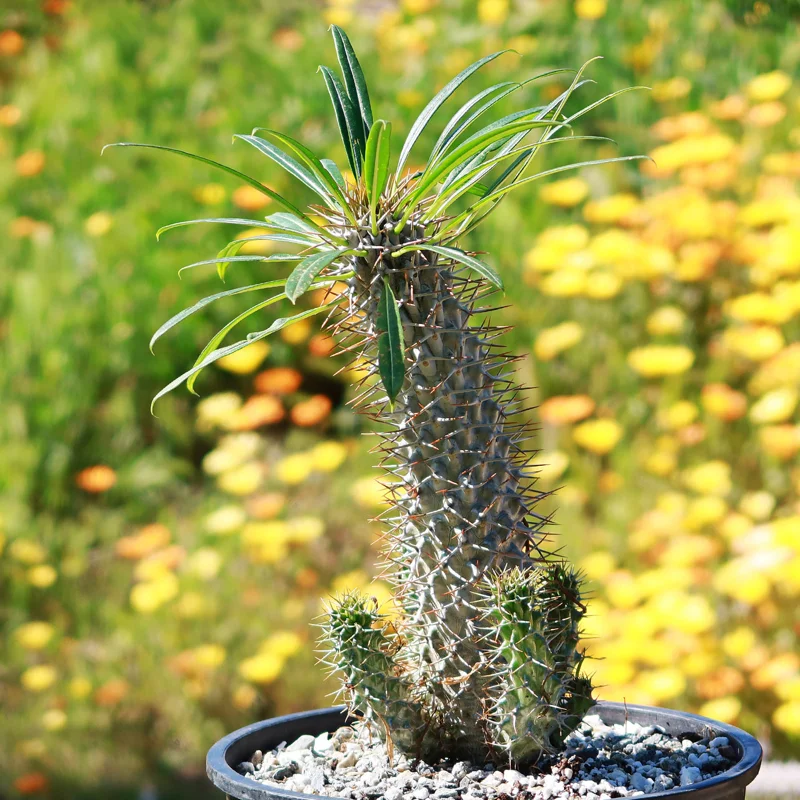
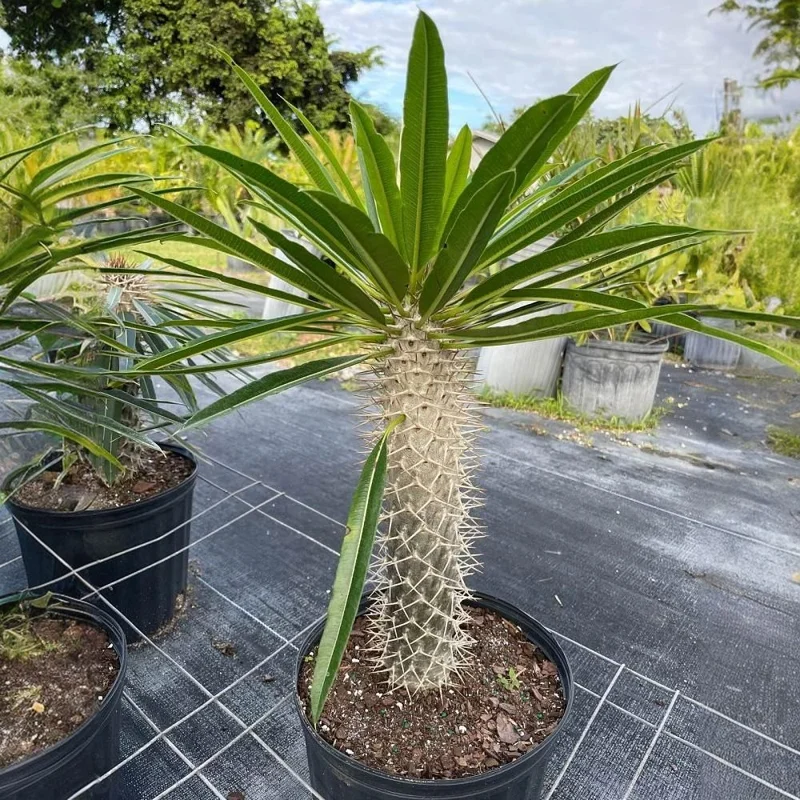
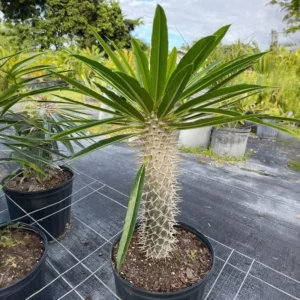
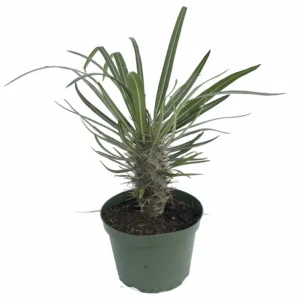
Bring home a stunning Madagascar Palm live plant, also known as Pachypodium Lamerei care, a unique and exotic addition to any indoor space. This easy-care succulent features a distinctive spiny trunk and glossy green leaves, perfect for creating a tropical oasis. Ideal for plant enthusiasts seeking an easy care houseplant with a sculptural aesthetic.
Mar 03
Mar 08 - Mar 10
Mar 13 - Mar 17
USDA Hardiness Zone
Soil Type
Sunlight Exposure
Expected Planting Period
Shipping and return policies: Our Alive & Thrive Guarantee covers issues with your plants within the first 30 days. Get in touch with us via email, and our team will review your concerns and, if necessary, provide you with a one-time replacement at no cost.
If you're unsure about your hardiness zone, feel free to reach out to us. Our team will answer your questions and help you find the plants that are truly suitable for your environment, climate, and personal preferences.
Introduce a touch of the exotic to your home with the captivating Madagascar Palm live plant, scientifically known as Pachypodium Lamerei. Despite its common name, this remarkable specimen is not a true palm but rather a unique succulent native to the arid regions of Madagascar. Revered for its distinctive appearance, the Madagascar Palm live plant features a thick, bottle-shaped trunk adorned with sharp spines and topped with a crown of vibrant, glossy green leaves. Its sculptural form makes it an instant focal point, adding visual drama and a tropical vibe to any indoor garden or living area. This resilient plant is an excellent choice for those seeking an unusual and low-maintenance botanical conversation piece that thrives with minimal intervention.
The Pachypodium Lamerei is admired for its ability to store water within its trunk, allowing it to endure periods of drought and making it particularly forgiving for busy plant parents. Its unique aesthetic, combining the robustness of a cactus with the foliage of a palm-like plant, ensures it stands out in any collection. Whether you are a seasoned succulent enthusiast or new to the world of exotic plants, the Madagascar Palm live plant promises to bring enduring beauty and an intriguing presence to your home.
Owning a Madagascar Palm live plant offers a multitude of advantages, transforming your living space into a vibrant and unique sanctuary. Its striking appearance and adaptable nature make it a highly desirable addition for various reasons:
Providing optimal Pachypodium Lamerei care is straightforward, ensuring your Madagascar Palm live plant thrives and maintains its striking appearance. This succulent prefers conditions that mimic its native arid habitat. The most crucial aspect of its care is ensuring ample sunlight. It absolutely loves bright, direct sunlight, so a south-facing window or a very sunny spot in your home is ideal. Insufficient light can lead to leggy growth and a decline in overall health. Rotate the pot occasionally to ensure even light exposure on all sides of the plant.
Watering is another critical component of successful Pachypodium Lamerei care. As a succulent, it is highly susceptible to root rot if overwatered. The golden rule is to water thoroughly only when the soil has completely dried out. It’s always safer to underwater than to overwater. During the dormant winter months, reduce watering significantly. Use a well-draining succulent or cactus potting mix to facilitate proper drainage. The ideal temperature range for this plant is between 65-80°F (18-27°C), and it does not tolerate cold drafts or temperatures below 50°F (10°C). During the growing season (spring and summer), you can fertilize sparingly with a diluted succulent fertilizer, but avoid over-fertilizing.
While an easy care houseplant, vigilance against pests like mealybugs or spider mites is always recommended. Inspect your plant regularly and treat any infestations promptly with insecticidal soap. Remember that the spines are sharp, so always handle the plant with care, especially when repotting or moving it. With these simple guidelines, your Madagascar Palm live plant will flourish, rewarding you with its unique beauty for years to come. This spiny succulent is a testament to nature’s resilience and beauty.
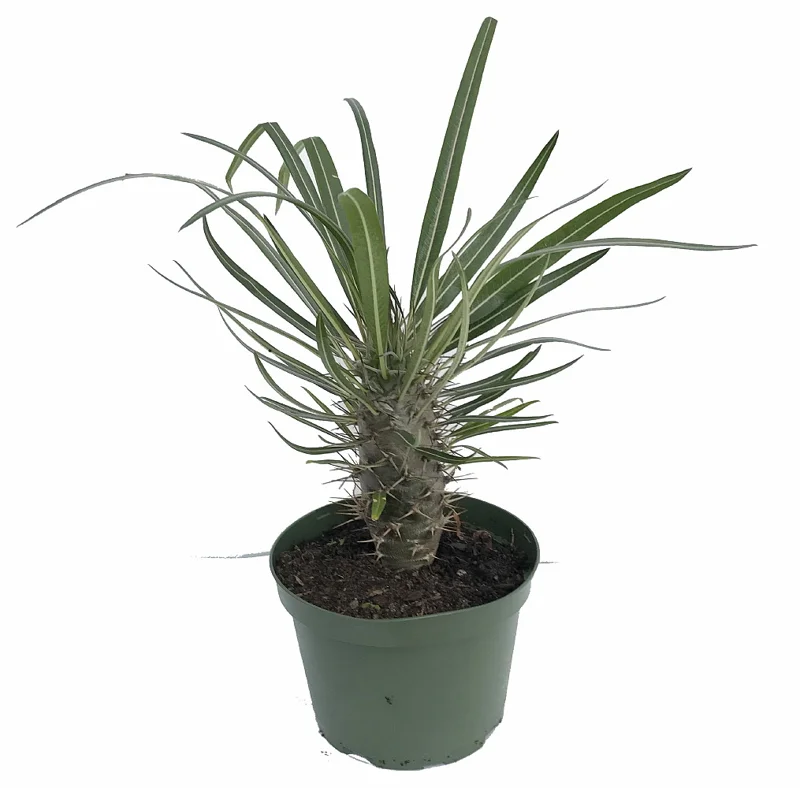
This Madagascar Palm live plant, Pachypodium Lamerei, is provided in a 6-inch nursery pot, ready to be placed in your chosen decorative container. At the time of shipment, the plant typically stands approximately 8-12 inches tall from the base of the pot, with its distinctive trunk already forming. The growth rate of the Madagascar Palm live plant indoors is moderate, often growing up to 12 inches annually under optimal conditions. Mature plants can reach several feet in height indoors over many years, gradually becoming a significant focal point in your home. Each plant is carefully selected to ensure a healthy and robust specimen, packed securely to minimize stress during transit.
The plant will arrive established in its pot with appropriate soil, ensuring a smooth transition to its new environment. While it is an exotic indoor succulent, it is remarkably durable. Expect its dark green leaves to contrast beautifully with its grayish-silver, spiny trunk. With consistent care, you may even be treated to beautiful white flowers with a delicate yellow center as the plant matures, adding another layer of charm to its already impressive display. This plant represents a long-term investment in botanical beauty for your home.
You must be logged in to post a review.
Sold 97 products
Original price was: $55.99.$43.99Current price is: $43.99.
Sold 91 products
Original price was: $52.99.$39.99Current price is: $39.99.
Sold 88 products
Original price was: $65.99.$52.99Current price is: $52.99.
Sold 88 products
Original price was: $45.99.$32.99Current price is: $32.99.
Sold 66 products
Original price was: $68.99.$52.99Current price is: $52.99.
Sold 66 products
Original price was: $75.99.$61.99Current price is: $61.99.
Sold 85 products
Original price was: $49.99.$34.99Current price is: $34.99.
Sold 81 products
Original price was: $67.99.$43.99Current price is: $43.99.
Reviews
There are no reviews yet.