NEED SUPPORT WITH YOUR ORDER? Get in touch
Not satisfied with your purchase?
Enter your Order ID on website, and we'll resolve it right away.

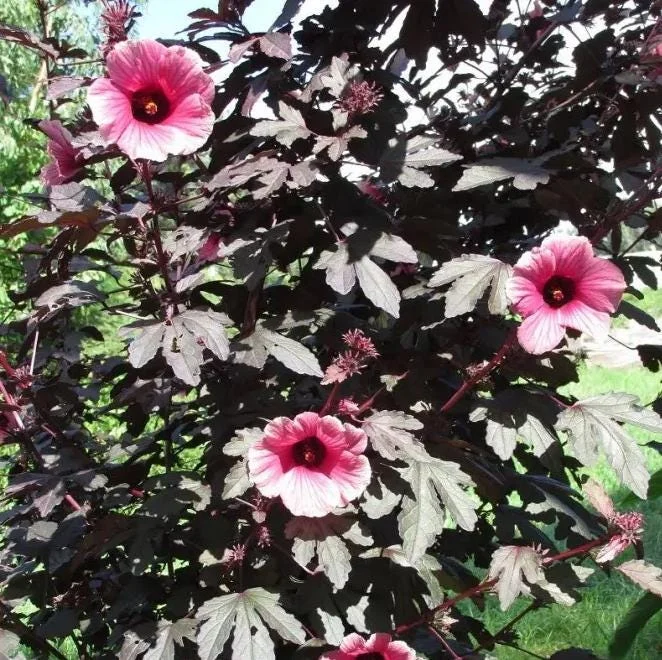
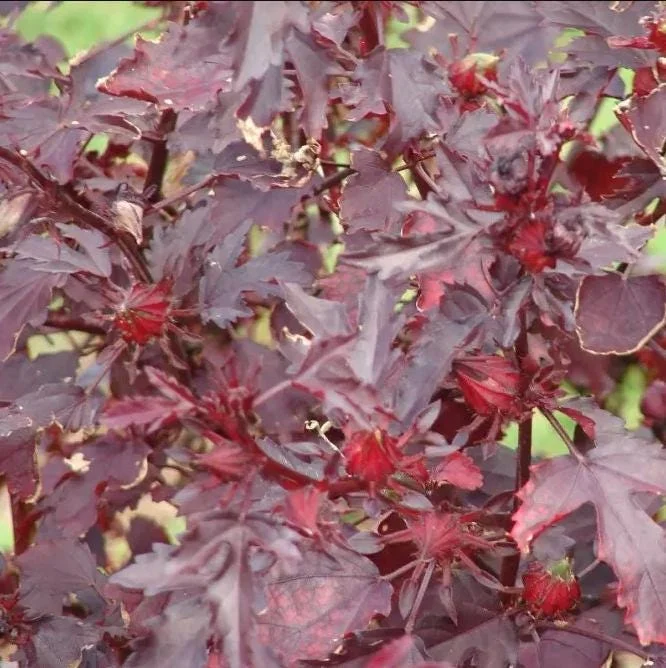
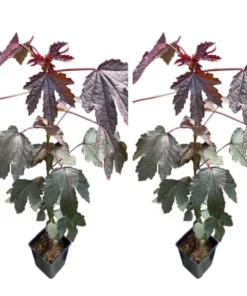
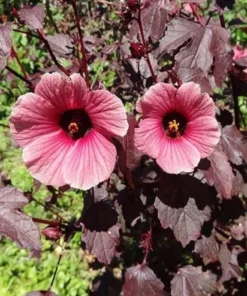
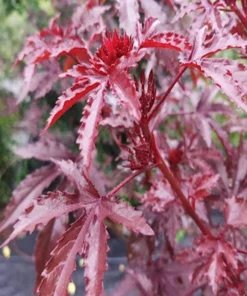
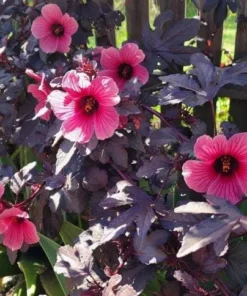
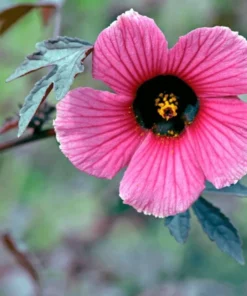
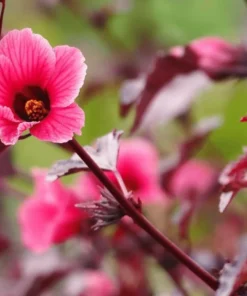
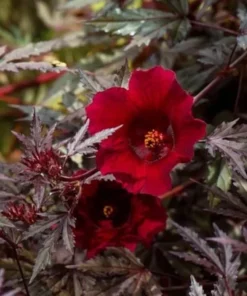
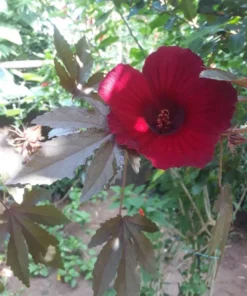
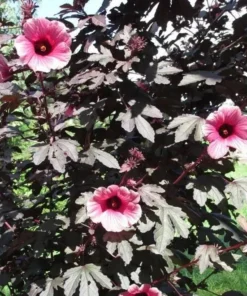
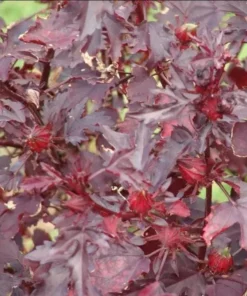
Original price was: $58.99.$38.99Current price is: $38.99.
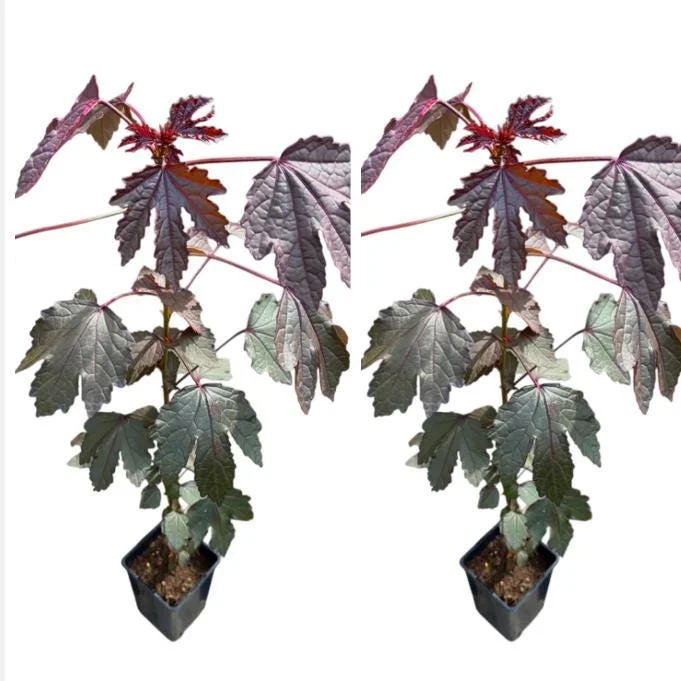
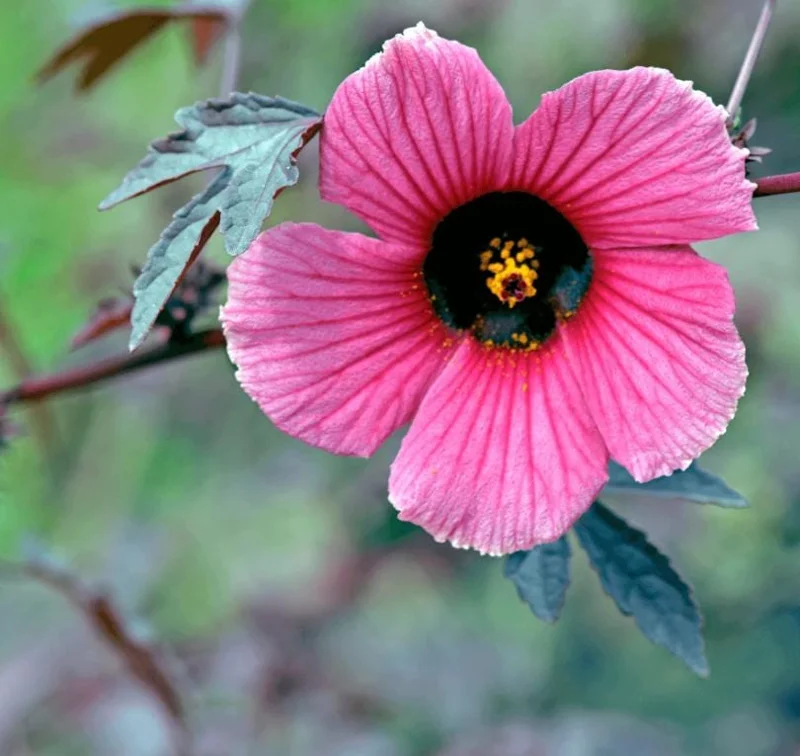
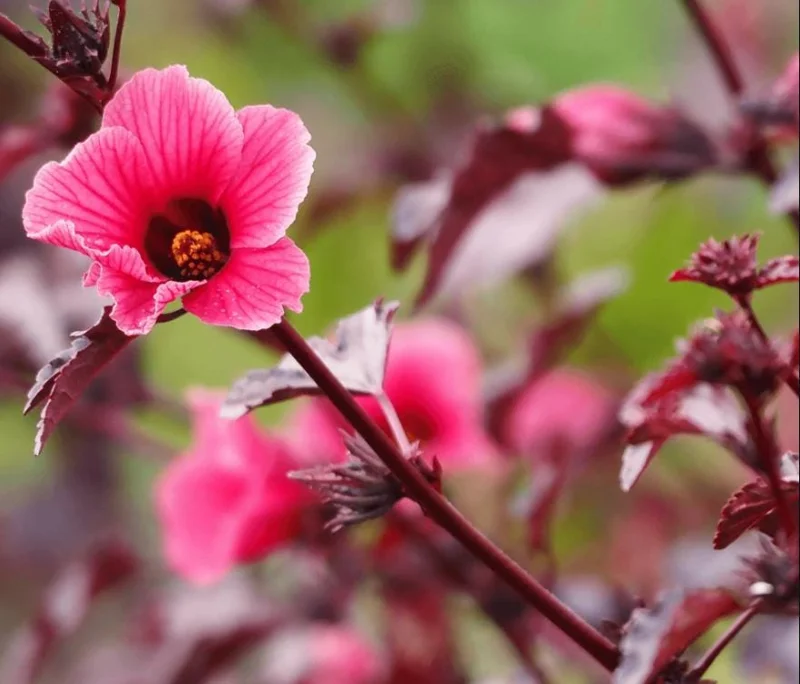
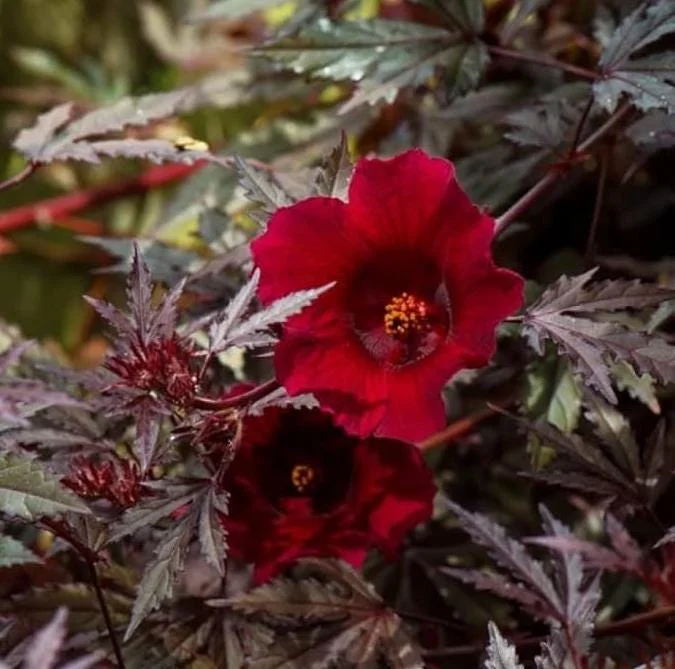
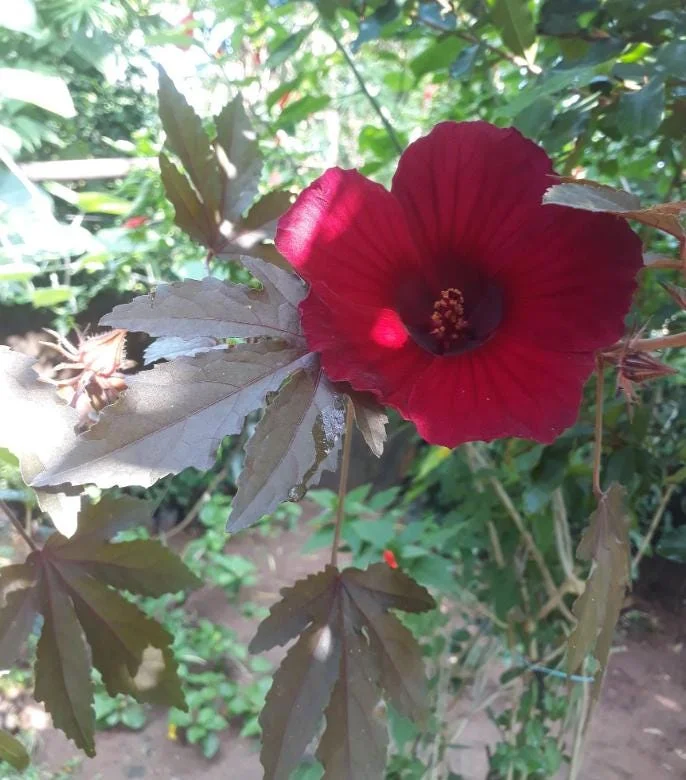
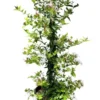
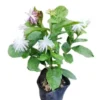
Bring vibrant color to your garden with this set of two Mahogany Cranberry Hibiscus live plants. Known for their striking deep chocolatey-red leaves and continuous summer blooms, these 5-8 inch tall starter plants are perfect for adding a tropical touch to your landscape. Easy to grow in full sun and well-drained soil, they thrive in warm climates.
Feb 04
Feb 09 - Feb 11
Feb 14 - Feb 18
USDA Hardiness Zone
Soil Type
Sunlight Exposure
Expected Planting Period
Shipping and return policies: Our Alive & Thrive Guarantee covers issues with your plants within the first 30 days. Get in touch with us via email, and our team will review your concerns and, if necessary, provide you with a one-time replacement at no cost.
If you're unsure about your hardiness zone, feel free to reach out to us. Our team will answer your questions and help you find the plants that are truly suitable for your environment, climate, and personal preferences.
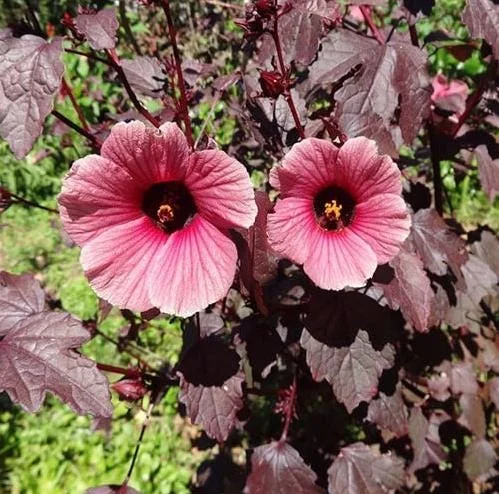
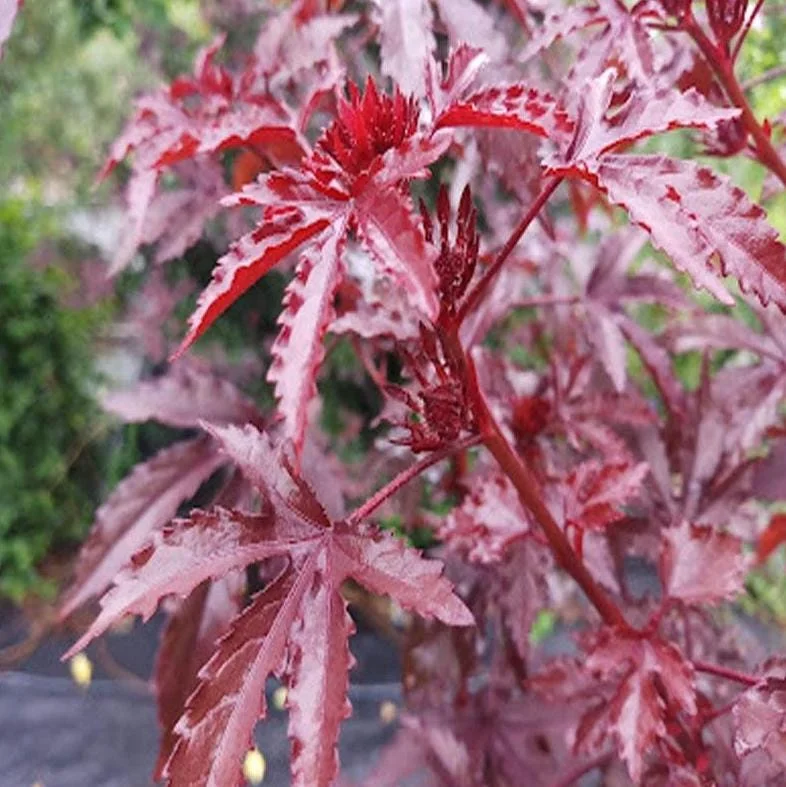
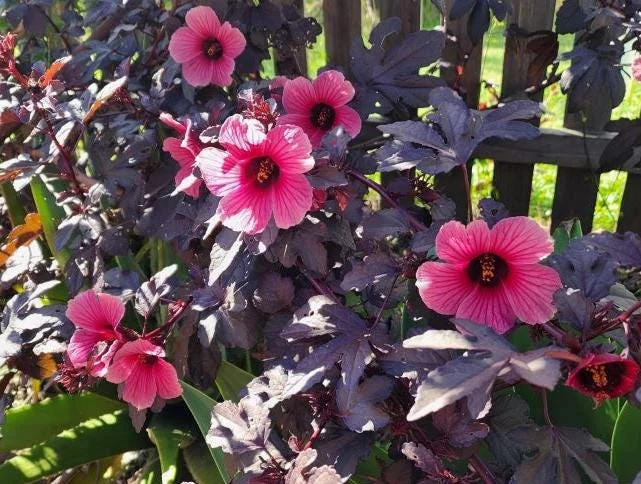
Introduce a touch of dramatic color to your garden with our exquisite set of two Mahogany Cranberry Hibiscus live plants. Scientifically known as Hibiscus acetosella ‘Mahogany Splendor’, these stunning bushes are celebrated for their intensely deep chocolatey-red, maple-like foliage that provides year-round visual interest. Beyond their captivating leaves, these plants produce charming, small, red hibiscus flowers continually from mid-summer until the weather cools. Each bloom may last only a day, but the consistent succession ensures a vibrant display. These plants are a fantastic choice for gardeners looking to add a unique, low-maintenance, and eye-catching specimen to their outdoor spaces. Discover the beauty of growing Mahogany Cranberry Hibiscus live plants in your own backyard.
The Mahogany Cranberry Hibiscus live plants are also commonly referred to as False Roselle or Red Leaf Hibiscus. They are not only ornamental but also have edible leaves and calyces, adding versatility to their appeal. Growing up to 6 feet tall and 3 feet wide, they establish quickly, forming sturdy bushes that make excellent focal points, hedges, or container plants in warmer regions. Their robust nature and striking appearance make them a favorite among plant enthusiasts.
Integrating Mahogany Cranberry Hibiscus live plants into your landscape offers a multitude of advantages, from aesthetic appeal to practical garden solutions. These plants are designed to thrive and bring continuous joy.
Proper care is essential for ensuring your Mahogany Cranberry Hibiscus live plants flourish and reach their full potential. These plants thrive in conditions that mimic their native tropical environment, requiring attention to sunlight, water, and soil.
For optimal growth, growing cranberry hibiscus requires a location that receives full sun, meaning at least 6-8 hours of direct sunlight per day. While they can tolerate some partial shade, their leaf coloration will be most intense and their flowering most prolific in full sun. They are best suited for regions with long, warm summer temperatures, ideally ranging from 60°F to 85°F, with average to high humidity. These plants are not frost-tolerant and may need to be brought indoors or treated as annuals in colder climates, or heavily mulched in borderline zones.
The ideal soil for false roselle plants is well-drained and nutrient-rich. While adaptable, they perform best in slightly acidic to neutral soil. Ensure good drainage to prevent root rot, as soggy conditions are detrimental. Regular and frequent watering is crucial, especially during hot, dry periods. The soil should be kept consistently moist but not waterlogged. Allowing the top inch of soil to dry out slightly between waterings is a good practice. Fertilize monthly during the growing season (spring through summer) with a balanced liquid fertilizer to support vigorous growth and continuous blooming. Pruning can be done in late winter or early spring to maintain shape, encourage bushier growth, and remove any dead or weak branches. Watch out for common pests like aphids and spider mites, and treat with organic insecticidal soap if necessary.
This offering includes two starter Mahogany Cranberry Hibiscus live plants, each measuring approximately 5-8 inches tall upon arrival. These young plants are ready to be potted up or transplanted into your garden, providing a head start on establishing these beautiful shrubs. They are typically shipped without a pot, with their root ball carefully wrapped to ensure moisture retention during transit. With proper care, these vigorous growers can quickly reach a mature height of up to 6 feet and a width of 3 feet, developing sturdy branches and a full, bushy habit. Expect rapid growth during their first season, with flowers appearing by mid-summer in their first year.
These plants are selected for their health and vitality, ensuring a strong foundation for your garden. The mature size makes them suitable for a variety of landscaping applications, from creating a vibrant backdrop to serving as a striking specimen in a large container. The deep red foliage provides continuous color and texture throughout the growing season, making them a valuable addition to any garden design.
You must be logged in to post a review.
Sold 81 products
Original price was: $64.99.$44.99Current price is: $44.99.
Sold 54 products
Original price was: $74.99.$44.99Current price is: $44.99.
Sold 60 products
Original price was: $45.96.$22.98Current price is: $22.98.
Sold 96 products
Original price was: $110.99.$99.99Current price is: $99.99.
Sold 89 products
Original price was: $53.98.$26.99Current price is: $26.99.
Sold 66 products
Original price was: $74.99.$44.99Current price is: $44.99.
Sold 80 products
Original price was: $49.98.$24.99Current price is: $24.99.
Sold 54 products
Original price was: $74.99.$44.99Current price is: $44.99.
Reviews
There are no reviews yet.